In the world of high-performance athletics and longevity science, there is a concept that often feels counterintuitive: to go faster and live longer, you must spend a significant amount of time going slow. This is the essence of Zone 2 training. While high-intensity interval training (HIIT) has dominated the fitness headlines for the last decade, the tide is shifting back toward the "aerobic base": the physiological foundation upon which all other physical capacities are built.
Whether you are an elite marathoner or someone looking to optimize your healthspan in 2026, understanding and implementing Zone 2 training is arguably the most effective use of your exercise time. This guide explores the deep science of aerobic conditioning, the cellular benefits of low-intensity steady-state (LISS) exercise, and how to program it into your life for maximum results.
What Exactly is Zone 2?
Physiologically, Zone 2 is the level of intensity where you are exercising at the highest metabolic rate that stays below your first lactate threshold (LT1). At this intensity, your body is primarily utilizing Type I (slow-twitch) muscle fibers. These fibers are packed with mitochondria and are incredibly efficient at using oxygen to turn fat into energy.
In a five-zone model, Zone 2 is often described as "moderate" intensity. It’s the "Goldilocks" zone: hard enough to trigger significant physiological adaptations, but easy enough that it doesn't require days of recovery.
The Five Training Zones At a Glance
| Zone | Intensity | Primary Fuel Source | Physiological Focus |
|---|---|---|---|
| Zone 1 | Very Light | Fat | Recovery and warm-up |
| Zone 2 | Light/Moderate | Fat (High Oxidation) | Mitochondrial efficiency/Aerobic base |
| Zone 3 | Moderate/Hard | Mix of Fat and Glucose | Aerobic capacity (The "Grey Zone") |
| Zone 4 | Hard | Glucose/Glycogen | Lactate threshold and anaerobic power |
| Zone 5 | Maximum | Phosphocreatine/Glucose | Neuromuscular speed and VO2 Max |

The Mitochondria Factor: Upgrading Your Cellular Power Plants
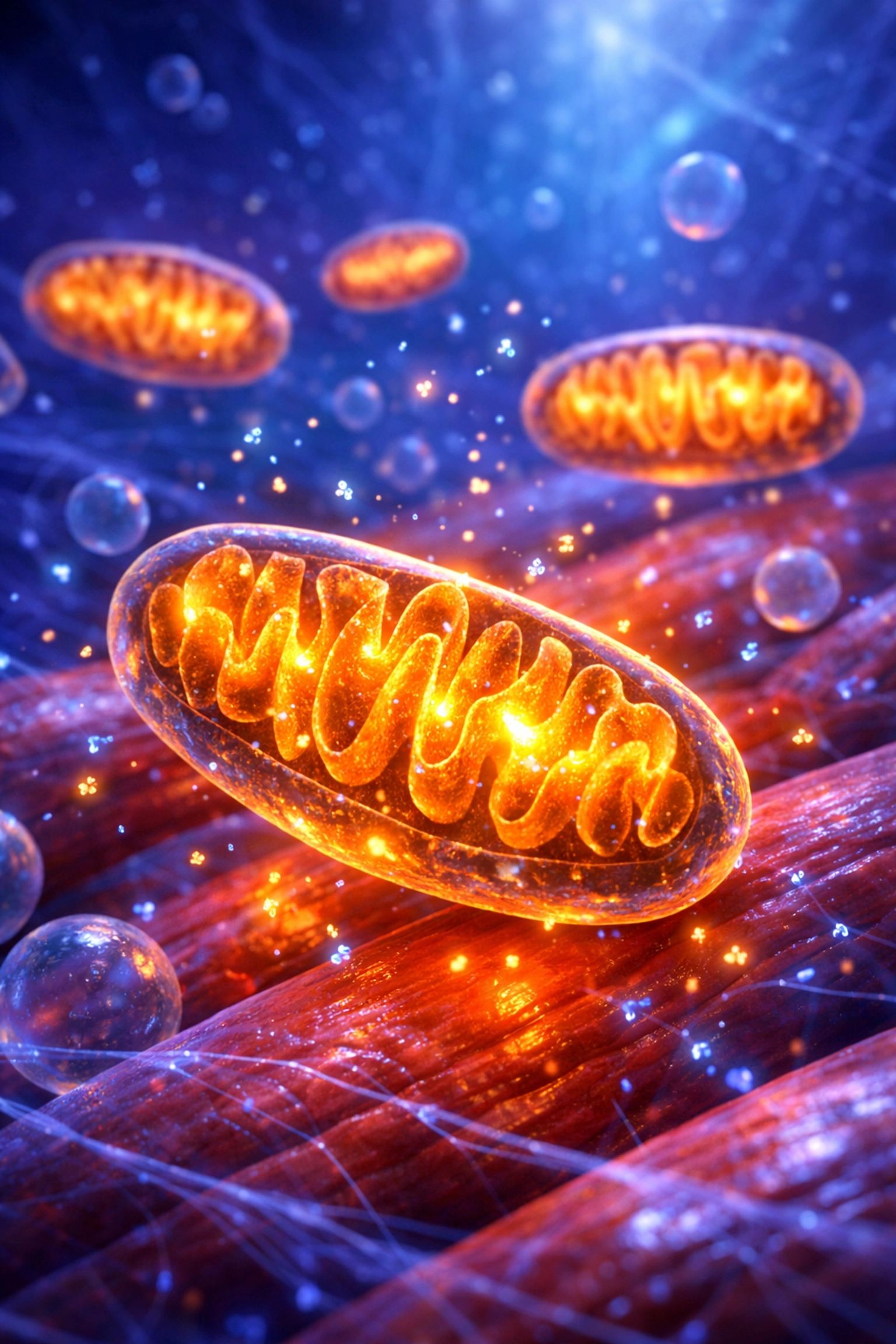
The most compelling reason to prioritize Zone 2 training is its impact on mitochondrial health. Mitochondria are the "powerhouses" of your cells, responsible for producing ATP (adenosine triphosphate), the currency of energy.
As we age, or due to metabolic dysfunction (like insulin resistance), our mitochondria can become "leaky" or inefficient. They lose the ability to oxidize fat effectively and start relying too heavily on glucose. Zone 2 training forces the body to improve both mitochondrial function and mitochondrial density.
- Increased Mitochondrial Density: Consistent Zone 2 training signals your body to create more mitochondria within the muscle cells.
- Increased Mitochondrial Efficiency: Existing mitochondria become better at processing fatty acids.
- Lactate Clearance: While Zone 2 doesn't produce much lactate, it trains the body to clear the lactate produced by Type II (fast-twitch) fibers more efficiently. This is why athletes with a massive aerobic base can recover faster between high-intensity sprints.
Metabolic Flexibility: The Fat-Burning Advantage
Metabolic flexibility is the body’s ability to switch between burning fat and burning carbohydrates based on availability and intensity. Most modern humans are "sugar burners": even at rest, they rely heavily on glucose because their aerobic systems are underdeveloped.
By training in Zone 2, you are essentially "teaching" your body to prioritize fat as a fuel source. This has profound implications for both performance and health:
- For Athletes: You "spare" your limited glycogen stores for high-intensity efforts, preventing the dreaded "bonk" during long races.
- For Health: Better fat oxidation is directly linked to improved insulin sensitivity and a lower risk of Type 2 diabetes and metabolic syndrome.
How to Calculate Your Zone 2
Determining your exact Zone 2 can be tricky without a laboratory gas exchange test or a finger-prick lactate monitor. However, in 2026, we have several reliable proxies that you can use at home.
1. The Talk Test (The Simplest Method)
This is surprisingly accurate. In Zone 2, you should be able to carry on a conversation, but it should be slightly uncomfortable. You can speak in full sentences, but you might need to take a breath mid-sentence. If you can sing a song, you’re in Zone 1. If you can only say one or two words at a time, you’ve drifted into Zone 3.
2. The MAF Method (180 Formula)
Developed by Dr. Phil Maffetone, this is a popular starting point:
- 180 – Your Age = Maximum Zone 2 Heart Rate.
- Adjustments: Subtract 5 if you are recovering from injury or illness. Add 5 if you have been training consistently for over a year without issues.
3. Percentage of Maximum Heart Rate
Generally, Zone 2 falls between 60% and 70% of your Maximum Heart Rate (MHR). Note that using the generic "220 – age" formula for MHR is often inaccurate. If you know your actual tested MHR, this method works better.
4. Heart Rate Reserve (Karvonen Formula)
This is more technical as it accounts for your Resting Heart Rate (RHR):
- Target HR = ((Max HR − Resting HR) × %Intensity) + Resting HR
- For Zone 2, use 60% to 70% as your intensity.
Programming: How Much and How Often?
To see the mitochondrial adaptations mentioned above, "dose" matters. A 15-minute jog won't cut it.
The 45-Minute Minimum
It takes time for the metabolic pathways to fully shift into high-gear fat oxidation. Most experts, including Dr. Iñigo San-Millán (coach to Tour de France champions), suggest that 45 to 60 minutes is the minimum effective dose per session.
The 80/20 Rule
Polarized training is the gold standard for performance. This involves spending 80% of your total training volume in Zone 2 and 20% in high-intensity zones (Zone 4 or 5). This prevents the "black hole" of Zone 3 training, which is too hard to be easy and too easy to be truly hard, often leading to overtraining without the maximal benefits of either end.
A Sample Weekly Schedule for a Hybrid Athlete
- Monday: 60 min Zone 2 (Cycling or Rucking)
- Tuesday: Strength Training (Upper Body)
- Wednesday: 45 min Zone 2 (Jogging) + 15 min HIIT (Zone 5)
- Thursday: Strength Training (Lower Body)
- Friday: 60 min Zone 2 (Swimming or Incline Walking)
- Saturday: Long Duration Zone 2 (90–120 min)
- Sunday: Active Recovery (Walk or Yoga)

Common Pitfalls to Avoid
The biggest mistake people make with Zone 2 is going too fast.
In our "no pain, no gain" culture, we feel like a workout isn't working unless we are huffing and puffing. However, if you push into Zone 3, your body begins to recruit more Type II fibers, which produce lactate. This lactate actually inhibits fat oxidation in the mitochondria, essentially "turning off" the primary benefit of the Zone 2 session.
Signs you are going too hard:
- You can't breathe comfortably through your nose.
- Your heart rate keeps "drifting" upward throughout the session (Cardiac Drift).
- You feel exhausted the next day instead of energized.
The Role of Tech in 2026
With the rise of sophisticated wearables like the Oura Ring, Whoop, and advanced Apple Watches, tracking Zone 2 has never been easier. Many devices now use AI to adjust your heart rate zones daily based on your recovery score and Heart Rate Variability (HRV). Use these tools, but always calibrate them against the "Talk Test" to ensure accuracy.
Conclusion: The Long Game
Zone 2 training is not a "quick fix." It is a long-term investment in your biological infrastructure. By building a massive aerobic base, you aren't just becoming a better athlete; you are building "metabolic insurance" against the diseases of aging.
Start slow, stay consistent, and remember: the goal is to build an engine that lasts a century, not just a season.
Author Bio
Malibongwe Gcwabaza is the CEO of blog and youtube. With a passion for high-performance living and data-driven wellness, Malibongwe explores the intersection of technology and human physiology. Having transitioned from a background in education to the health and fitness space, he focuses on making complex longevity science accessible to everyone looking to optimize their "Real Age." When not analyzing metabolic data, he can be found practicing what he preaches: usually in the middle of a 90-minute Zone 2 ruck.
About the Author