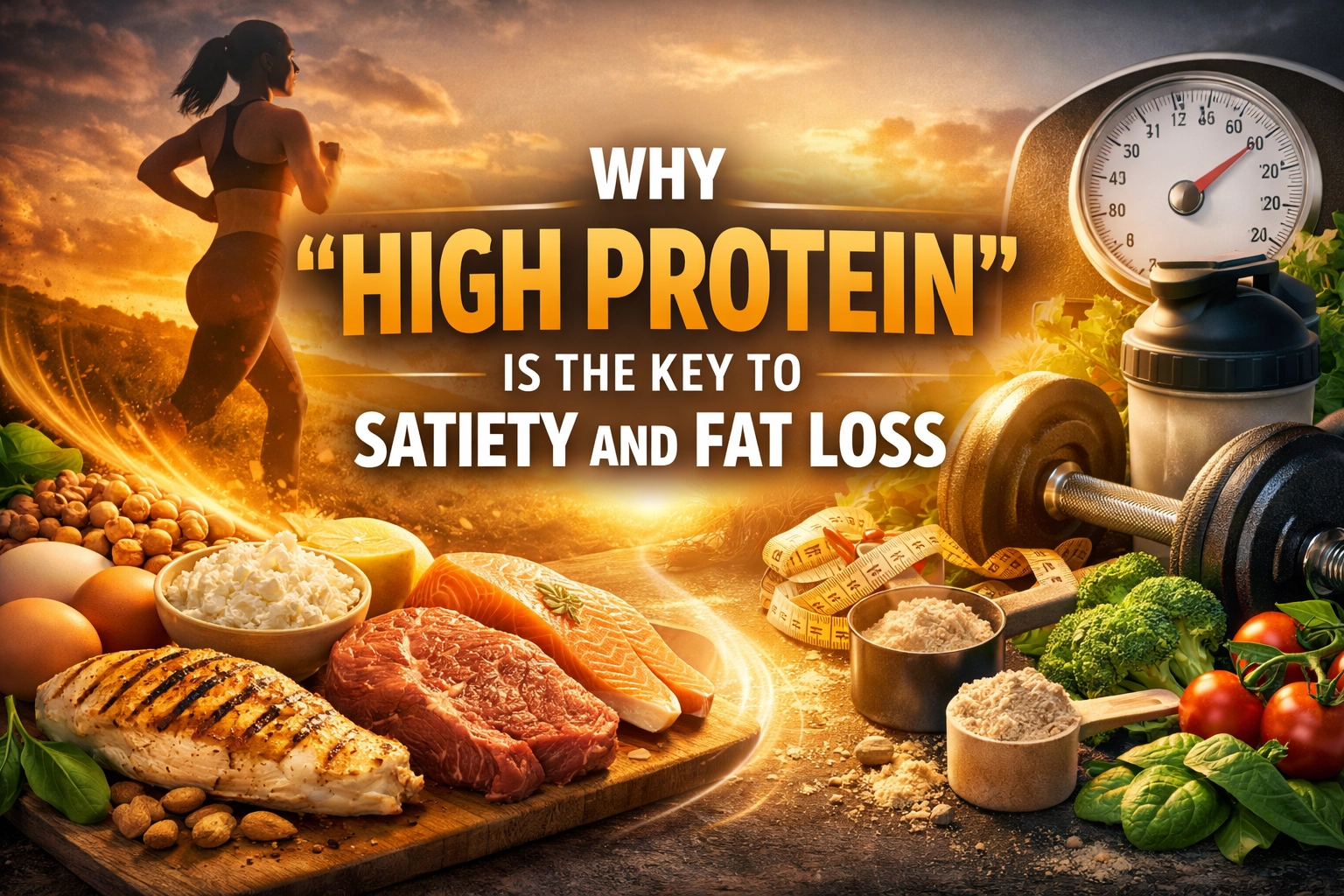
In the ever-evolving landscape of 2026 nutrition, where personalized longevity and bio-monitoring have become the norm, one fundamental truth remains undisputed: protein is the most critical macronutrient for body composition. While diet trends come and go, the biological mechanisms through which protein controls hunger and preserves metabolic rate are hard-wired into human physiology.
If you are struggling with "food noise" or finding it impossible to stick to a caloric deficit, the issue likely isn't your willpower: it’s your protein leverage. This guide dives deep into the high-level science of why a high-protein approach is the ultimate physiological "hack" for fat loss and long-term satiety.
1. The Hormonal Command Center: Gut-Brain Signaling
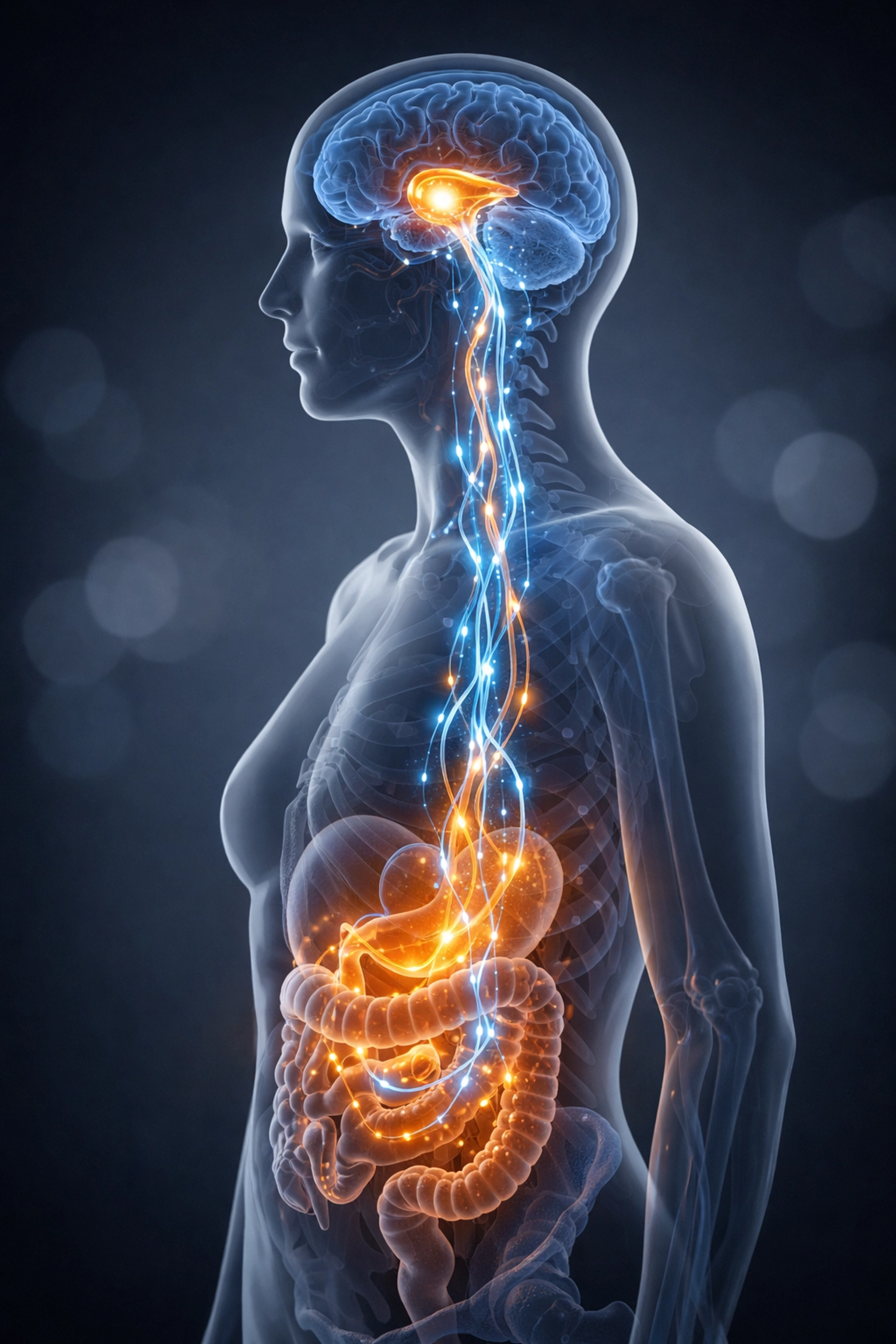
The most immediate benefit of high protein intake is its impact on the endocrine system. Your gut is effectively a sensory organ that "tastes" the macronutrients you consume and sends immediate signals to the hypothalamus in your brain.
When you consume protein, your digestive tract releases a cocktail of satiety-promoting hormones. Unlike carbohydrates, which can cause a rapid spike and subsequent crash in blood glucose (triggering hunger), protein provides a stable, long-lasting signal of fullness.
Key Satiety Hormones Triggered by Protein
| Hormone | Function | Impact of High Protein |
|---|---|---|
| GLP-1 (Glucagon-like Peptide-1) | Slows gastric emptying; signals fullness to the brain. | Significantly increased; mimics the effect of modern weight-loss medications naturally. |
| PYY (Peptide YY) | Reduces appetite and increases energy expenditure. | Protein is the strongest stimulator of PYY release. |
| CCK (Cholecystokinin) | Stimulates digestion of fat and protein; signals meal termination. | Rapidly released upon sensing amino acids in the small intestine. |
| Ghrelin | The "Hunger Hormone" that stimulates appetite. | High protein intake suppresses ghrelin for longer periods than carbs or fats. |
By optimizing these hormones, you aren't just "trying" to eat less; your body is actively telling you that it is satisfied. This biological suppression of "food noise" is the secret to effortless fat loss.
2. The Thermic Effect of Food (TEF): The Metabolic Advantage
Not all calories are created equal when it comes to the energy required to process them. This is known as the Thermic Effect of Food (TEF), or Diet-Induced Thermogenesis.
Every time you eat, your body must expend energy to break down, absorb, and dispose of those nutrients. Protein has a significantly higher metabolic cost than either carbohydrates or fats.
- Fats: 0–3% energy cost.
- Carbohydrates: 5–10% energy cost.
- Protein: 20–30% energy cost.
This means if you consume 1,000 calories of pure protein, your body uses up to 300 of those calories just to process the meal. In contrast, if you consume 1,000 calories of fat, you keep nearly all of them. In a high-protein diet, you are effectively "taxing" your caloric intake, creating a larger net caloric deficit without actually eating less volume.
3. Amino Acid Sensing and the Hypothalamus
Beyond gut hormones, your brain has a direct "dashboard" for monitoring nutrient levels in your blood. As protein is broken down into amino acids, these molecules enter the bloodstream and cross the blood-brain barrier.
Specifically, the hypothalamus senses levels of Leucine and other Branched-Chain Amino Acids (BCAAs). When levels are high, the brain perceives a state of "nutrient abundance." This triggers a down-regulation of hunger pathways and an up-regulation of energy expenditure.
Furthermore, amino acids like Tryptophan and Tyrosine serve as precursors to serotonin and dopamine. By providing the raw materials for these neurotransmitters, a high-protein diet helps stabilize mood and reduces the likelihood of emotional or "stress" eating.

4. The Protein Leverage Hypothesis
A groundbreaking concept in 2026 nutritional science is the Protein Leverage Hypothesis. This theory suggests that humans (and many other animals) have a fixed protein target. Our bodies will continue to drive hunger and food-seeking behavior until that specific protein requirement is met.
In our modern food environment, where ultra-processed foods are high in fats and carbs but low in protein, we end up over-consuming total calories just to reach our protein "threshold."
How to use Protein Leverage for Fat Loss:
- Prioritize Protein First: By eating your protein source at the start of a meal, you hit your protein target faster.
- Increase Protein Density: If your diet is 15% protein, you will likely feel hungry all day. If you increase that to 30-35%, your total caloric intake will naturally drop because the "hunger switch" is turned off earlier.
5. Protecting the Metabolic Engine: Muscle Sparing
The biggest danger of fat loss is the loss of lean muscle mass. When you are in a caloric deficit, your body looks for energy sources. If protein intake is low, the body will break down muscle tissue through a process called gluconeogenesis to create glucose for the brain.
Losing muscle is a metabolic disaster. Muscle tissue is metabolically active; the more you have, the higher your Resting Metabolic Rate (RMR).
The Leucine Threshold:
To prevent muscle loss, you must trigger Muscle Protein Synthesis (MPS). This requires reaching a certain concentration of the amino acid Leucine in the blood (roughly 2.5 to 3 grams per meal). High-protein diets ensure you hit this "Leucine threshold" multiple times a day, signaling to the body that it should keep its muscle and burn stored body fat instead.

6. Comparing Protein Sources: Quality and Speed
In 2026, we categorize protein not just by source, but by "kinetics": how fast they enter the system.
Fast vs. Slow Proteins
- Whey Protein: Rapidly digested. It causes a sharp spike in amino acids, which is excellent for triggering MPS post-workout, but its satiety effect is relatively short-lived (about 60-90 minutes).
- Casein & Whole Foods: Meat, eggs, and dairy (like cottage cheese) digest much slower. Casein can provide a steady stream of amino acids for up to 7 hours, making it the superior choice for long-term satiety.
The 2026 Protein Quality Hierarchy
- Whole Animal Proteins: (Steak, Salmon, Eggs) Highest bioavailability and most complete amino acid profiles.
- Fermented Dairy: (Greek Yogurt, Kefir) Adds the benefit of postbiotics for gut-brain axis health.
- Isolated Powders: (Whey/Casein) Great for convenience and hitting targets without excess fats.
- Plant-Based Blends: (Pea/Rice) Necessary for vegans, but requires higher total volume to match the leucine content of animal sources.
7. Practical Implementation: The 2026 Roadmap
To maximize fat loss and satiety, follow these data-driven guidelines:
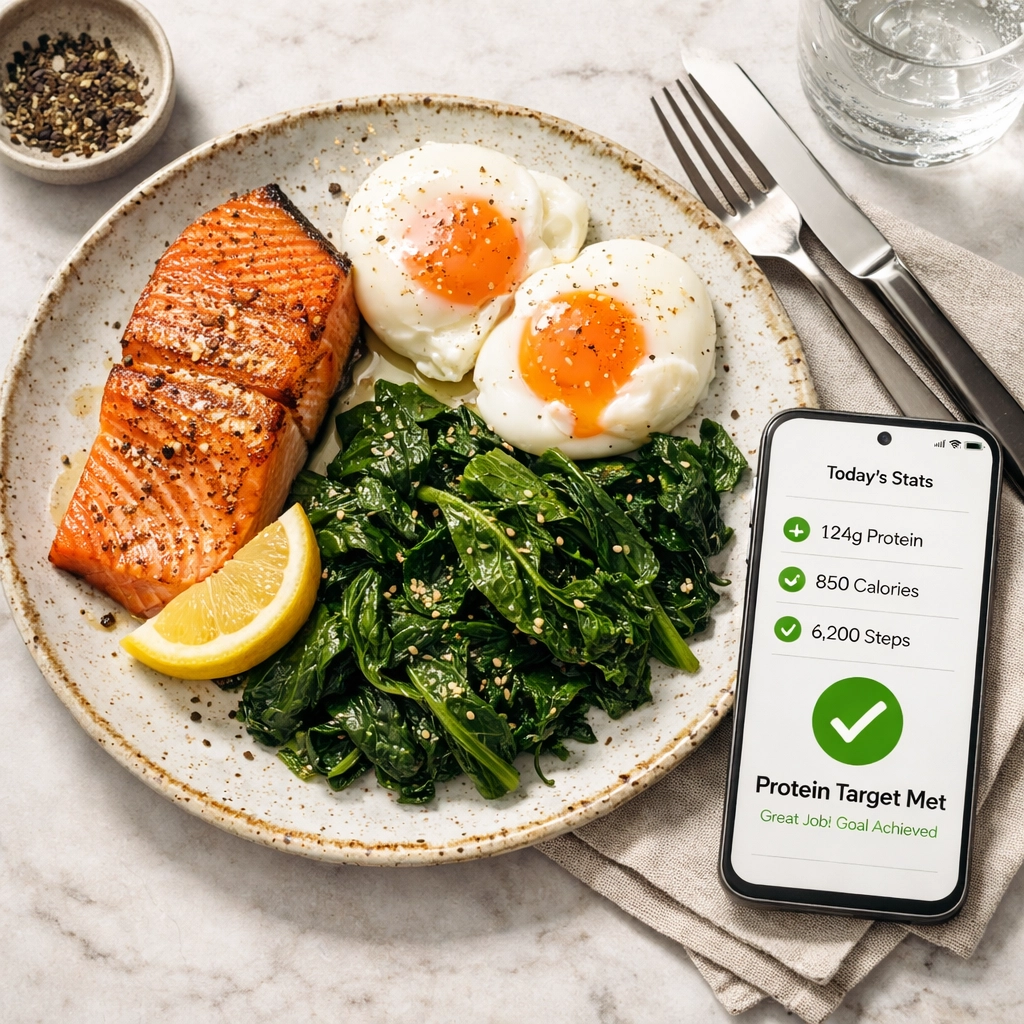
- The 1.6g to 2.2g Rule: Aim for 1.6 to 2.2 grams of protein per kilogram of body weight. If you are significantly overweight, base this on your target body weight.
- Protein Pacing: Don't eat all your protein at dinner. Distribute it across 3-5 meals to keep MPS active and satiety hormones stable throughout the day.
- The "30 at 30" Goal: Aim for at least 30 grams of protein within 30 minutes of waking up. This "anchors" your blood sugar and suppresses ghrelin early, preventing afternoon cravings.
- Monitor via Bio-Feedback: Use tools like Continuous Glucose Monitors (CGM) to see how different protein sources stabilize your blood sugar compared to high-carb meals.
Summary
High protein isn't just a "gym bro" obsession; it is a scientifically validated strategy for metabolic health. By leveraging the high thermic effect, optimizing gut-brain signaling, and protecting your muscle mass, you transform fat loss from a battle of willpower into a biological certainty.
When you prioritize protein, you aren't just feeding your muscles: you are rewiring your brain to want less, burn more, and feel better.
About the Author: Malibongwe Gcwabaza
Malibongwe Gcwabaza is the CEO of blog and youtube, a leading digital platform dedicated to cutting-edge health, fitness, and longevity science in 2026. With a background in strategic leadership and a passion for bio-hacking, Malibongwe focuses on translating complex physiological research into actionable lifestyle protocols. He is an advocate for data-driven wellness and believes that understanding the "why" behind nutrition is the first step toward radical health transformation. When not leading the company, he can be found experimenting with Zone 2 training and optimizing his own metabolic flexibility.
About the Author