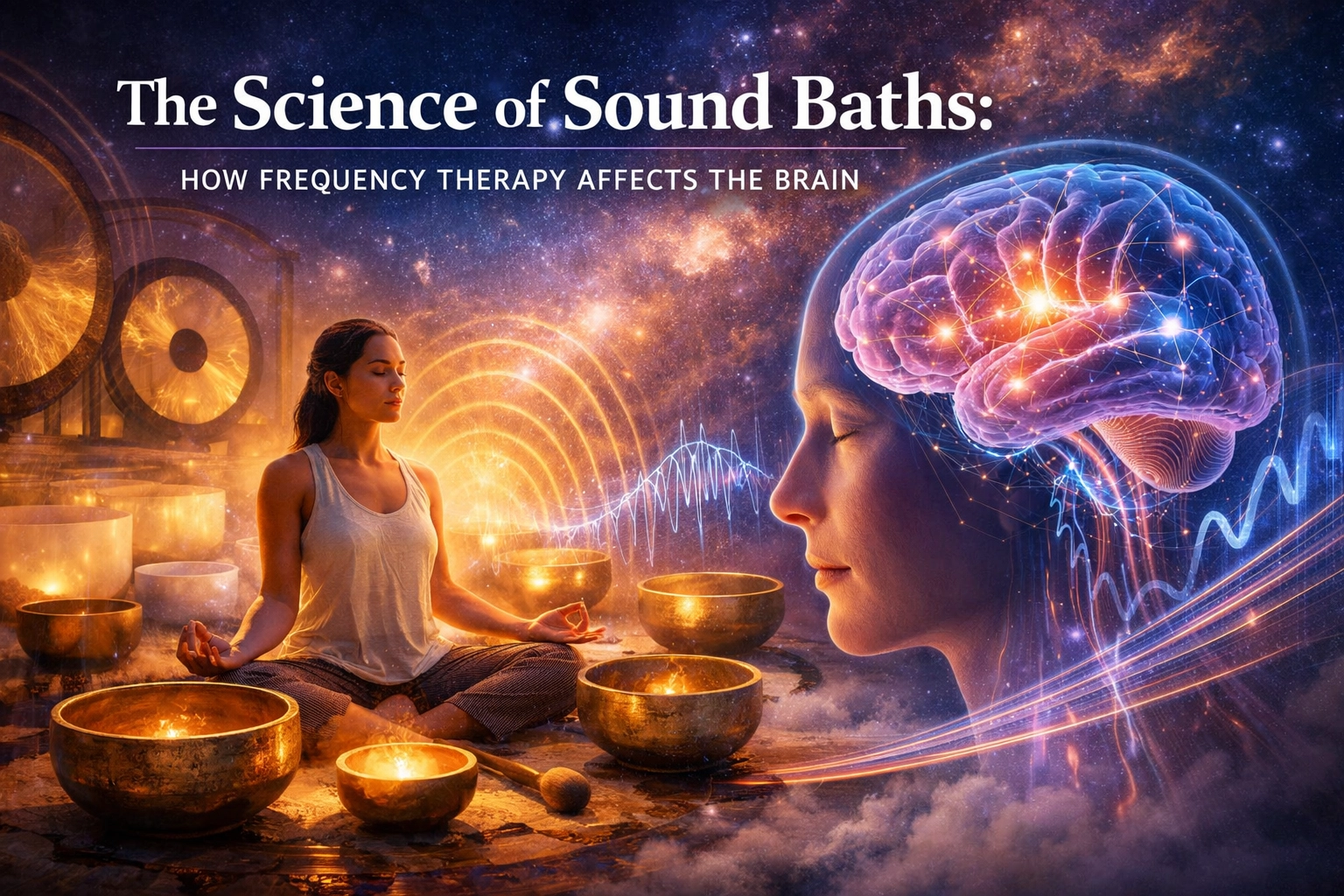
While the term "sound bath" might evoke images of incense-filled rooms and New Age spirituality, the underlying mechanism is grounded in hard physics and neurobiology. In 2026, we no longer view sound therapy as a fringe wellness practice; it has moved into the realm of "Neurowellness," a field dedicated to using external stimuli to optimize brain function.
At its core, a sound bath is a meditative experience where participants are "bathed" in sound waves produced by various instruments like gongs, singing bowls, and tuning forks. But what is actually happening inside your cranium when those waves hit your ears? The answer lies in a phenomenon called brainwave entrainment.
The Physics of Resonance and Entrainment
To understand how sound affects the brain, we first have to look at how the brain processes rhythm. Our brains are electrical organs. Every thought, emotion, and movement is powered by neurons firing in synchronized patterns, creating what we call brainwaves.
Entrainment is a principle of physics where two vibrating objects will eventually lock into the same frequency. If you put two grandfather clocks on the same wall, their pendulums will eventually swing in unison. The human brain does the same thing with sound. This is known as the Frequency-Following Response (FFR). When you are exposed to a consistent, rhythmic sound: like the deep drone of a Tibetan singing bowl: your brain’s internal electrical activity naturally begins to mimic that frequency.
The 5 Brainwave States
Depending on the frequency (measured in Hertz or Hz), sound can nudge your brain into different states of consciousness. Here is how we categorize these states in 2026 clinical wellness:
| State | Frequency Range | Associated Mental State | Sound Bath Goal |
|---|---|---|---|
| Gamma | 30–100+ Hz | High-level information processing, "Aha!" moments. | Rarely targeted in relaxation baths. |
| Beta | 12–30 Hz | Active thinking, focus, anxiety, "hustle mode." | The state we are trying to leave. |
| Alpha | 8–12 Hz | Relaxed alertness, light meditation, "flow." | The entry point of a sound session. |
| Theta | 4–8 Hz | Deep meditation, REM sleep, creativity, emotional healing. | The "Sweet Spot" for sound baths. |
| Delta | 0.5–4 Hz | Deep dreamless sleep, physical repair, GH release. | Target for sleep-focused therapy. |
The "Sweet Spot": Why Theta Waves Matter
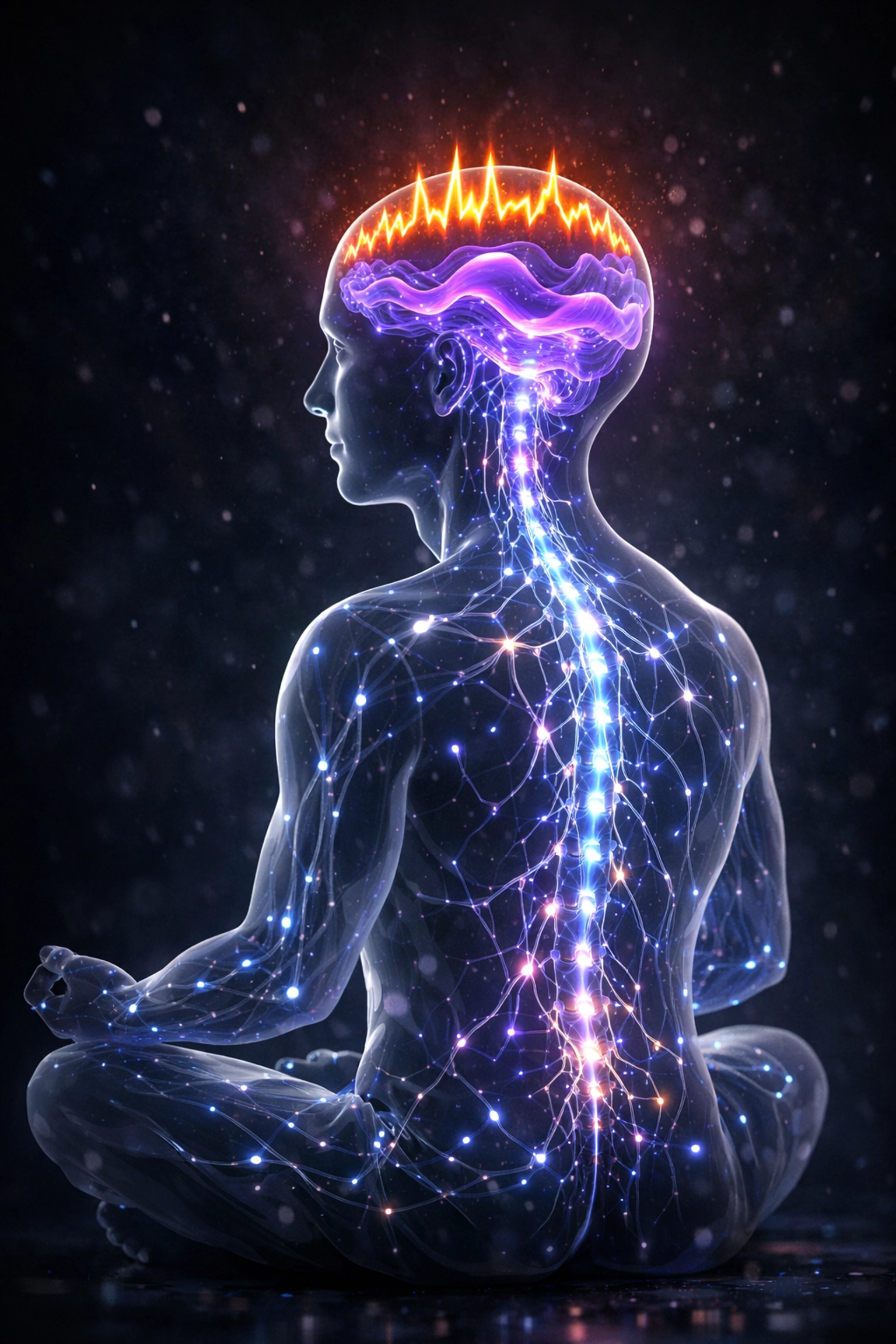
The primary goal of a professional sound bath is to transition the listener from the high-frequency Beta state (where most of us live during the workday) into the Theta state.
Theta is a fascinating neurological "borderline." It is the state we pass through just before falling asleep or just after waking up. In the Theta state, the "Default Mode Network" (DMN): the part of the brain responsible for self-referential thought and the "inner critic": begins to quiet down. When the DMN is deactivated, people report feelings of ego-dissolution, deep peace, and flashes of creative insight.
Research conducted in early 2026 suggests that sustained Theta entrainment through sound therapy can reduce cortisol (the stress hormone) by up to 25% in a single 60-minute session.
Biological Impact: Beyond the Ears
Sound isn’t just something we hear; it’s something we feel. This is due to mechanotransduction, the process by which our cells convert mechanical pressure (sound waves) into electrical signals.
1. Vagus Nerve Activation
The vagus nerve is the highway of the parasympathetic nervous system (our "rest and digest" system). It runs from the brainstem all the way down to the abdomen. Low-frequency sounds, particularly the deep resonance of a 32-inch Earth Gong, physically vibrate the chest and abdominal cavities, stimulating the vagus nerve. This triggers an immediate drop in heart rate and an increase in Heart Rate Variability (HRV): a key metric for longevity and stress resilience.
2. Nitric Oxide Release
Specific frequencies, particularly those produced by weighted tuning forks applied to the body or played near the ears, have been shown to trigger the release of nitric oxide in the bloodstream. Nitric oxide is a vasodilator, meaning it relaxes blood vessels, improves circulation, and reduces systemic inflammation.
3. Cellular "Cleaning" (Autophagy)
Emerging data in 2026 points toward the possibility that specific sound frequencies may assist in cellular waste removal. While still in the early stages of human trials, "vibroacoustic therapy" is being studied for its ability to stimulate the lymphatic system, helping the body clear out metabolic debris more efficiently.
The Anatomy of a 2026 Sound Bath: Instruments and Intent
Not all sounds are created equal. A technical sound bath uses a specific "orchestration" to guide the brain through a physiological journey.
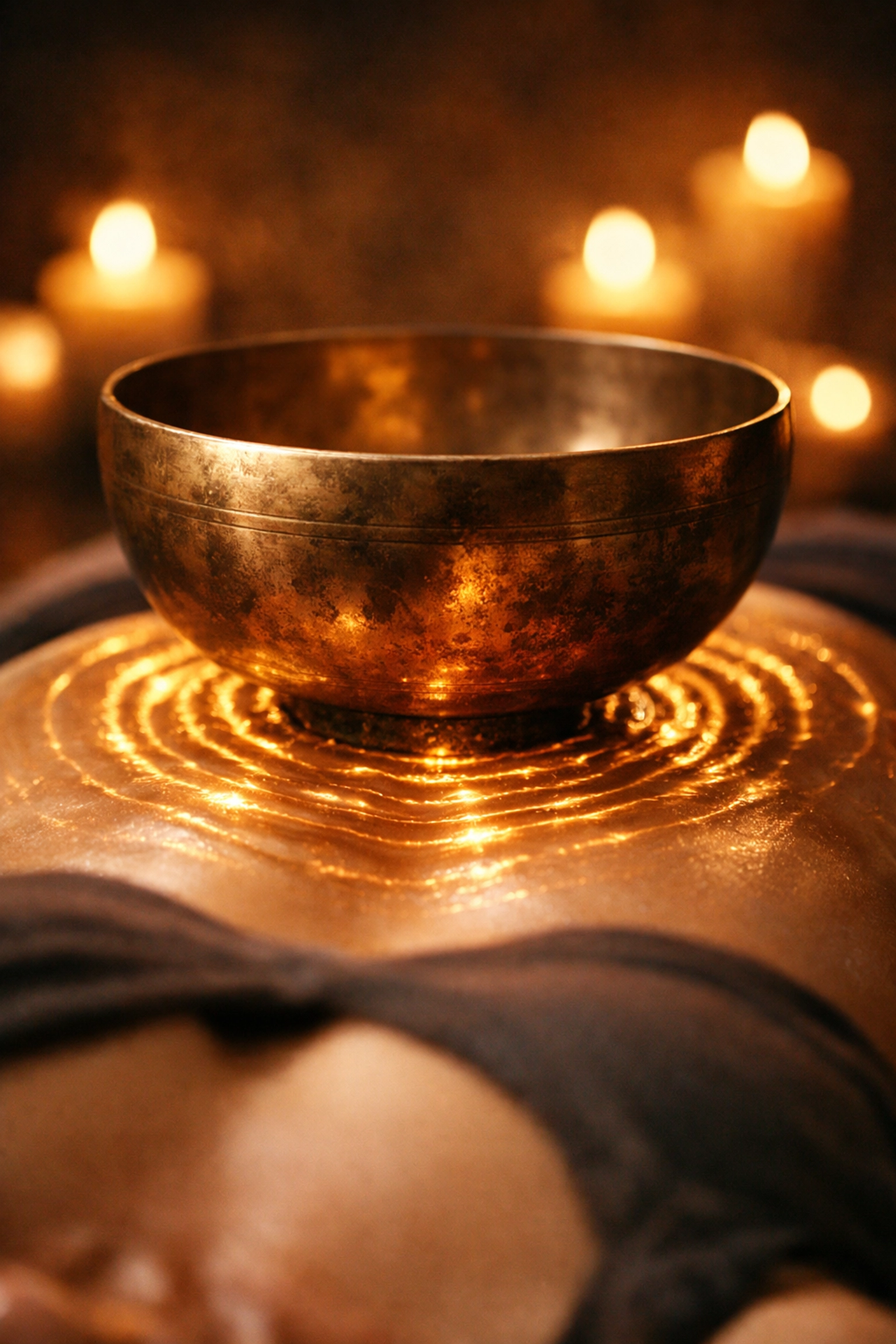
- Himalayan Metal Bowls: These produce "multiphonics," meaning they strike several notes at once. The complex overtones create "binaural beats" naturally, which are highly effective for rapid Alpha-to-Theta transitions.
- Quartz Crystal Bowls: These are tuned to specific notes (e.g., 432 Hz). They produce a pure, sine-wave-like tone that is very "clean" and easy for the brain to track.
- Gongs: Gongs produce a wide spectrum of sound called a "sound wall." This effectively "white noises" the brain, making it impossible to focus on a single thought, which forces the Default Mode Network to surrender.
- Tuning Forks: Used for precision work. In 2026, many practitioners use forks calibrated to the "Schumann Resonance" (7.83 Hz), the electromagnetic frequency of the Earth’s atmosphere, to promote grounding.
Why 2026 is the Year of Sound Medicine
The rise of AI search and the constant bombardment of digital information has led to what neuroscientists call "Cognitive Overload Syndrome." Our brains are being pushed into a permanent Beta state, leading to burnout and chronic inflammation.
Sound baths offer a "passive" way to meditate. For many high-performers, sitting in silence is difficult because the brain continues to loop through to-do lists. Sound therapy provides an external "anchor" that the brain is forced to follow, making it a highly efficient tool for people who struggle with traditional meditation.
Comparing Methods: Sound Bath vs. Standard Meditation
| Feature | Traditional Meditation | Sound Bath (Frequency Therapy) |
|---|---|---|
| Effort Level | High (Active focus required) | Low (Passive reception) |
| Time to Theta | 20–40 minutes (for experts) | 5–15 minutes |
| Physical Sensation | Internal | External (Vibration) |
| Main Driver | Breath/Thought control | Brainwave Entrainment |

How to Optimize Your Sound Experience
To get the most out of frequency therapy, you need to treat it like a technical protocol rather than just a nap.
- Hydrate: Sound travels four times faster through water than through air. Since the human body is roughly 70% water, being well-hydrated increases the efficiency of the "cellular massage" provided by the sound waves.
- Use High-Fidelity Audio: If you aren't attending in person, use open-back headphones. Avoid cheap earbuds that compress audio; compression strips away the very overtones and frequencies required for entrainment.
- Combine with Box Breathing: Using a 4-4-4-4 breath pattern during the first 5 minutes of a sound bath helps prime the nervous system for the transition from Beta to Alpha.
- Temperature Control: Your body temperature will drop as your heart rate slows. Wear socks and use a blanket to prevent your "freeze response" from kicking in and pulling you out of the Theta state.
Final Thoughts: The Future is Sonic
As we look toward the future of personalized longevity, sound is becoming a pillar of the "Neurowellness" stack. We are moving away from the idea that sound is just entertainment and toward the realization that it is a biological tool. Whether you are using it to lower your biological age, recover from a high-intensity workout, or simply quiet the noise of a hyper-connected world, the science is clear: sound is one of the fastest ways to hack your brain for better health.
About the Author
Malibongwe Gcwabaza is the CEO of blog and youtube, a leading platform dedicated to the intersection of biotechnology, longevity, and high-performance living. With a background in executive leadership and a passion for data-driven wellness, Malibongwe focuses on translating complex scientific research into actionable protocols for the modern professional. When he’s not deep-diving into the latest 2026 health trends, he is exploring the frontiers of bio-monitoring and neuro-optmization.
About the Author