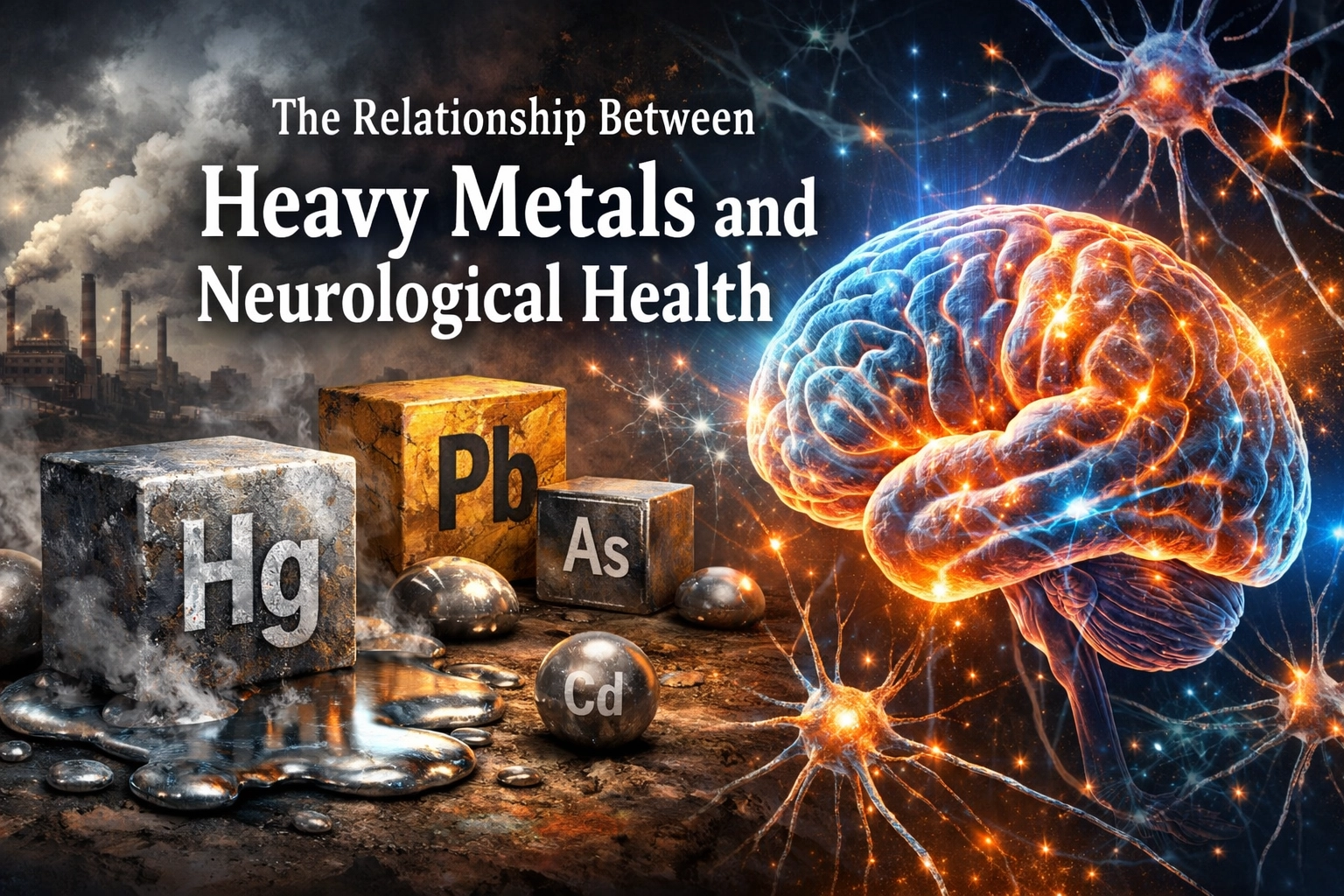
When we talk about brain health, we usually focus on sleep, puzzles, or omega-3 fatty acids. But there is a silent, microscopic factor that often goes overlooked until the damage is already done: heavy metal accumulation. We aren’t just talking about industrial workers in the 1920s; we’re talking about the low-level, chronic exposure to metals like lead, mercury, and cadmium that permeates our modern environment.
The brain is particularly vulnerable to these elements. Unlike other organs that can filter or regenerate relatively quickly, the Central Nervous System (CNS) is a high-stakes environment where heavy metals can cross protective barriers, mimic essential minerals, and trigger a cascade of oxidative stress. This guide dives into the technical mechanisms of how these metals hijack your neurology and what the latest research says about long-term risks.
The Molecular Sabotage: How Metals Enter the Brain
The brain is protected by the Blood-Brain Barrier (BBB), a highly selective semi-permeable border of endothelial cells. Under normal conditions, it does a fantastic job of keeping toxins out. However, heavy metals are masters of deception.
Many of these metals use a process called "molecular mimicry." For example, the brain needs calcium and zinc to function. Lead ($Pb^{2+}$) is chemically similar enough to calcium that the brain’s transport systems accidentally pull it right across the BBB. Once inside, these metals don't just sit there. They accumulate in specific regions, such as the locus ceruleus or the basal ganglia, and begin disrupting the delicate electrochemical balance of our neurons.
1. Oxidative Stress and Reactive Oxygen Species (ROS)
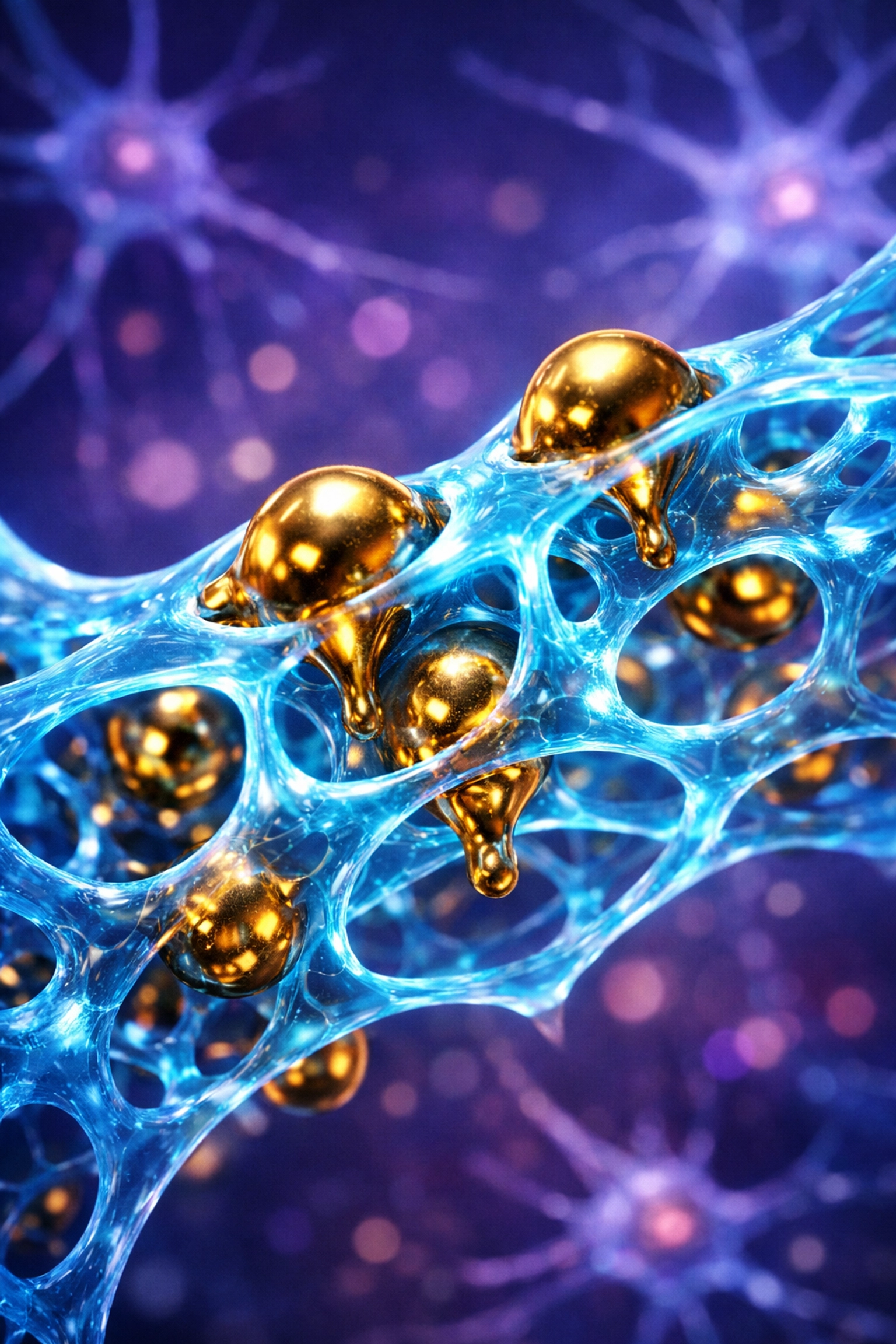
The primary way heavy metals wreck havoc is through the generation of oxidative stress. Metals like mercury and cadmium catalyze the production of Reactive Oxygen Species (ROS). Think of ROS as "biological rust." They strip electrons from stable molecules, damaging DNA, proteins, and the fatty sheaths (myelin) that protect your nerves. Because the brain consumes about 20% of the body's oxygen, it is a prime target for this "rusting" process.
2. Disruption of Neurotransmitters
Heavy metals interfere with how neurons talk to each other. They can block the release of neurotransmitters or bind to receptors, sending "false signals." Lead, in particular, is notorious for interfering with glutamate, the brain's main excitatory neurotransmitter, which is vital for learning and memory.
Profiles of the "Big Four" Neurotoxic Metals
To understand the scope of the problem, we need to look at the specific profiles of the most common neurotoxic metals. Each one has a "preferred" target in the brain and a unique method of destruction.
| Metal | Primary Brain Target | Main Neurological Impact | Common Exposure Sources |
|---|---|---|---|
| Lead (Pb) | Hippocampus & Prefrontal Cortex | Cognitive decline, IQ loss, ADHD-like symptoms | Old paint, contaminated water, soil |
| Mercury (Hg) | Cerebellum & Visual Cortex | Tremors, sensory loss, "Brain Fog" | Seafood (large fish), dental amalgams |
| Manganese (Mn) | Globus Pallidus (Basal Ganglia) | Motor control issues (Manganism), Parkinsonian gait | Industrial welding, well water, supplements |
| Cadmium (Cd) | Olfactory Bulb & Blood-Brain Barrier | Loss of smell, memory impairment, BBB leakage | Cigarette smoke, industrial runoff, leafy greens (soil dependent) |
Lead: The Developmental Thief
Lead exposure is a major concern for pediatric neurology. Even at low levels, lead interferes with synapse formation. Research shows that lead exposure in childhood is directly correlated with reduced gray matter in the prefrontal cortex: the area responsible for executive function and emotional regulation. In adults, chronic lead exposure is a fast-track to hypertension and accelerated cognitive aging.
Mercury: The Microtubule Destroyer
Mercury, specifically methylmercury, is extremely lipophilic (fat-soluble), meaning it loves the fatty tissue of the brain. It binds to thiol groups in proteins and disrupts microtubules. Microtubules are like the "railroad tracks" of the neuron; they transport nutrients and signals. When mercury breaks these tracks, the neuron effectively starves and dies.

Heavy Metals and Neurodegenerative Diseases
The "toxic metal hypothesis" suggests that environmental exposure may be a significant, modifiable risk factor for the rise in neurodegenerative diseases.
Alzheimer’s Disease and Aluminum
While the link between aluminum and Alzheimer’s has been debated for decades, recent high-resolution imaging has found significant aluminum deposits in the amyloid plaques of Alzheimer’s patients. Aluminum acts as a pro-oxidant, encouraging the "misfolding" of proteins that lead to those devastating plaques and tangles.
Parkinson’s Disease and Manganese
Manganese is an essential trace mineral, but too much is a neurotoxin. Excessive accumulation in the globus pallidus (part of the basal ganglia) causes a condition known as "Manganism." The symptoms: tremors, rigidity, and slow movement: are so similar to Parkinson’s Disease that they are often misdiagnosed. The key difference is that Manganism usually results from chronic inhalation or ingestion of high levels, often seen in industrial settings.
Microglial Activation: The Brain's "Friendly Fire"
One of the most fascinating (and scary) areas of research involves microglia. These are the brain’s resident immune cells. When they detect heavy metals, they go into a permanent "attack mode." This chronic activation leads to neuroinflammation. Instead of cleaning up debris, the microglia start attacking healthy neurons, creating a self-sustaining cycle of brain damage.
The Blood-Brain Barrier Leakage
The toxic metal hypothesis also points to the degradation of the BBB itself. Metals like cadmium and mercury can dissolve the "tight junctions" between endothelial cells. Once the BBB becomes "leaky," other toxins, viruses, and bacteria that would normally be kept out can enter the brain. This turns a localized metal problem into a systemic neurological crisis.
Detection, Prevention, and Recovery
The good news? Unlike some genetic conditions, heavy metal exposure is something we can often detect and manage if we catch it early.
How is Toxicity Measured?
Standard blood tests are great for acute exposure (like if you accidentally swallowed lead paint yesterday), but they aren't always great for measuring "body burden." Because metals like to hide in fat and bone, they often leave the bloodstream quickly.
- Hair Element Analysis: Useful for showing long-term exposure patterns over several months.
- Urine Provocation Tests: Involves using a chelating agent to "pull" metals out of storage to see what's actually in the tissues.
- Neuroimaging: Advanced MRIs can now detect manganese accumulation in the brain's basal ganglia.
Can the Damage Be Reversed?
The brain has a surprising amount of plasticity. Research indicates that if exposure is stopped early enough, peripheral nerve damage can stabilize or even improve.
- Chelation Therapy: This involves using specific molecules (like EDTA or DMSA) that bind to metals and help the body excrete them. This should only be done under strict medical supervision, as moving metals too quickly can sometimes cause more harm.
- Nutritional Countermeasures: Antioxidants like Alpha-Lipoic Acid (ALA) and Glutathione are the body's natural defense against metal-induced oxidative stress. Selenium is particularly effective at "neutralizing" mercury by forming a stable, non-toxic complex.

Summary: A Simple Approach to a Complex Problem
We live in a world where heavy metals are a reality, but they don't have to be a destiny. By understanding the relationship between these elements and our neurological health, we can take proactive steps. This means filtering your water, being mindful of seafood consumption, avoiding tobacco (a major cadmium source), and ensuring your diet is rich in the minerals (like zinc and calcium) that prevent metals from "tricking" their way into your brain.
The science is clear: protecting your neurons from heavy metals is one of the most effective ways to ensure long-term cognitive vitality.
About the Author: Malibongwe Gcwabaza
Malibongwe Gcwabaza is the CEO of blog and youtube, a platform dedicated to demystifying complex health science for the modern world. With a background in strategic leadership and a passion for data-driven wellness, Malibongwe focuses on bridging the gap between high-level medical research and actionable lifestyle changes. Under his leadership, blog and youtube has become a trusted source for deep-dive technical content that empowers readers to take control of their biological future.
About the Author