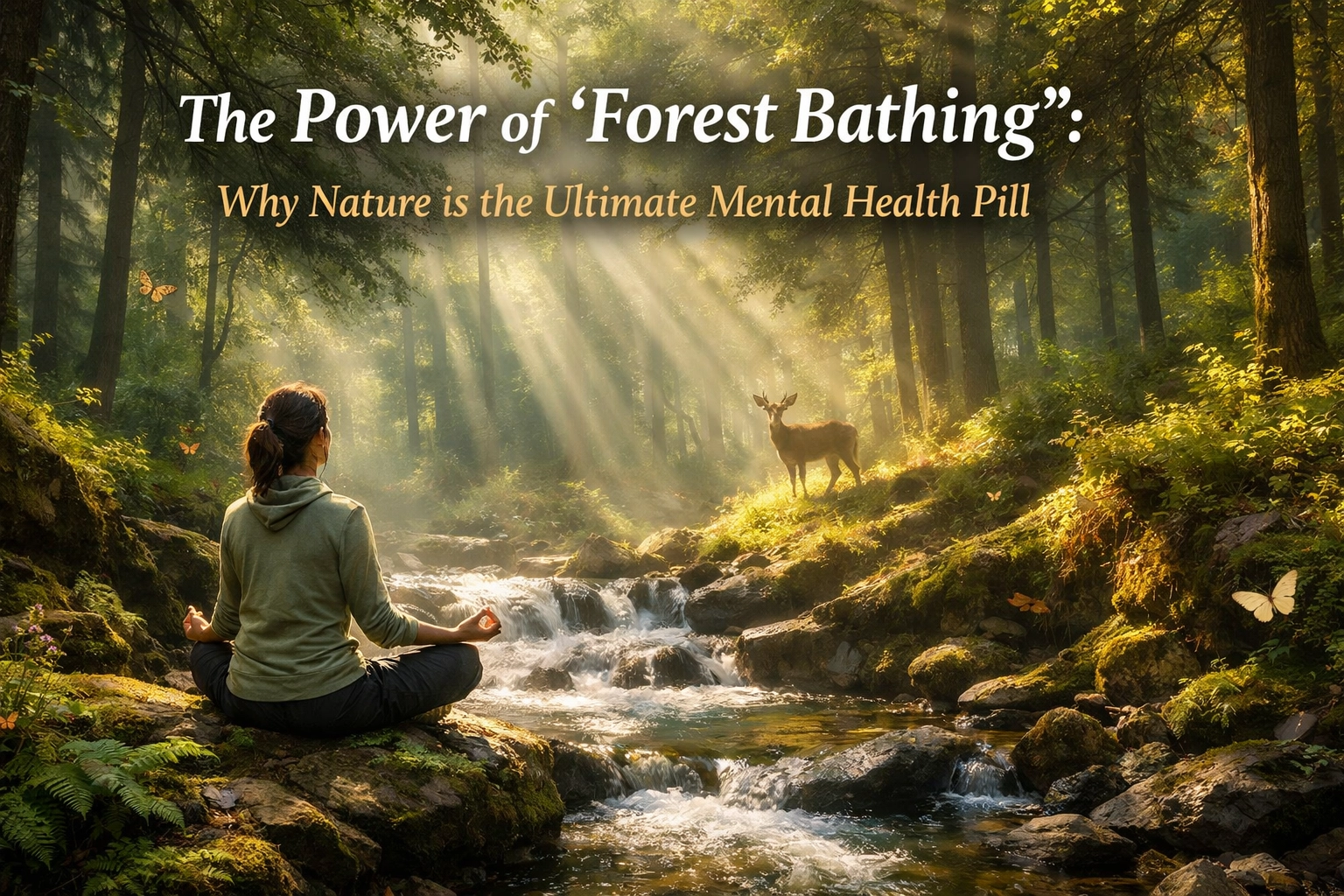
In an era defined by haptic feedback, 6G connectivity, and the relentless hum of the digital economy, our nervous systems are arguably the most overtaxed they have been in human history. By 2026, the term "digital burnout" has transitioned from a buzzword to a clinical reality for millions. While the tech world offers "calm apps" and wearable bio-trackers to manage stress, one of the most potent mental health interventions requires no battery life and costs absolutely nothing: Forest Bathing.
Known in Japan as Shinrin-yoku, forest bathing is not just "taking a walk in the woods." It is a physiological and psychological practice of immersing oneself in the atmosphere of the forest. This deep dive explores why the canopy is the ultimate pharmacy for the modern brain, backed by the latest 2026 research in environmental psychology and neurobiology.
The Science of Shinrin-yoku: Beyond the "Vibe"
For decades, the benefits of nature were dismissed as anecdotal or "soft science." That changed when researchers began quantifying the chemical communication between trees and the human immune system.
1. Phytoncides: The Aerosolized Medicine
Trees emit volatile organic compounds called phytoncides (such as alpha-pinene and limonene) to protect themselves from rotting and insects. When we breathe in forest air, we inhale these compounds.
Data shows that exposure to phytoncides significantly increases the activity of Natural Killer (NK) cells in humans. These are white blood cells that provide rapid responses to viral-infected cells and tumor formation. A landmark study updated for 2026 confirms that a single two-day forest trip can increase NK cell activity by over 50%, with the effects lingering for up to 30 days.
2. Cortisol and the Parasympathetic Shift
Our modern environments keep us in a state of "high alert" or sympathetic nervous system dominance (fight-or-flight). Forest bathing triggers a "parasympathetic shift." This is the "rest-and-digest" state where the body repairs itself.
| Metric | Urban Environment | Forest Environment | % Difference |
|---|---|---|---|
| Salivary Cortisol | 1.58 nmol/L | 1.34 nmol/L | -15.2% |
| Heart Rate | 74.2 bpm | 68.1 bpm | -8.2% |
| Heart Rate Variability (HRV) | Low (Stress) | High (Recovery) | +22% |
| Systolic Blood Pressure | 128 mmHg | 119 mmHg | -7.0% |

Attention Restoration Theory (ART)
One of the primary reasons nature heals the mind is a concept called Attention Restoration Theory. Our daily lives require "directed attention": a finite resource used for tasks like driving, responding to emails, or coding. When this resource is depleted, we become irritable, prone to errors, and mentally exhausted.
Nature provides "soft fascination." The movement of leaves, the patterns of light on the ground (fractals), and the sound of water engage our attention effortlessly. This allows the directed attention mechanism to rest and recharge. By 2026, neuroimaging has shown that the prefrontal cortex: the brain’s executive center: actually "quiets down" during forest bathing, allowing for a profound level of cognitive recovery.
The Mental Health Impact: Anxiety, Depression, and Rumination
The "Ultimate Mental Health Pill" label isn't hyperbole. For those struggling with clinical anxiety or depression, the forest acts as a non-pharmacological adjunct to therapy.
Breaking the Rumination Cycle
Rumination is the "broken record" of negative self-thought, a hallmark of depression. Research conducted using fMRI scans shows that walking in a forest environment: compared to an urban one: decreases neural activity in the subgenual prefrontal cortex. This is the specific region of the brain associated with withdrawal and negative rumination.
Serotonin and Soil
There is even a gut-brain connection at play. Mycobacterium vaccae, a healthy bacterium found in forest soil, has been found to mirror the effects of antidepressants. When we walk in the woods, we inhale or come into contact with these microbes, which stimulate serotonin production in the brain.
The 2026 Protocol: How to Properly "Forest Bath"
To gain the maximum "High-Tech" benefits from a "Low-Tech" forest, you need a structured approach. Simply scrolling through your phone while sitting on a stump won't cut it.
Step 1: The Digital Severance
Leave your phone in the car or turn it completely off. The mere presence of a smartphone, even if face down, creates a "cognitive drain" as the brain sub-consciously prepares for a notification.
Step 2: The Sensory Map
Engage the five senses through a technique called Sensory Mapping:
- Sight: Look for the "fractals": repeating patterns in ferns, branches, and leaves. These patterns reduce stress by 44%.
- Sound: Listen to the "pink noise" of the forest (wind and rustling leaves). Unlike the "white noise" of a city, pink noise aligns with human brainwave frequencies.
- Smell: Deeply inhale the damp earth and pine needle scents (the phytoncides mentioned earlier).
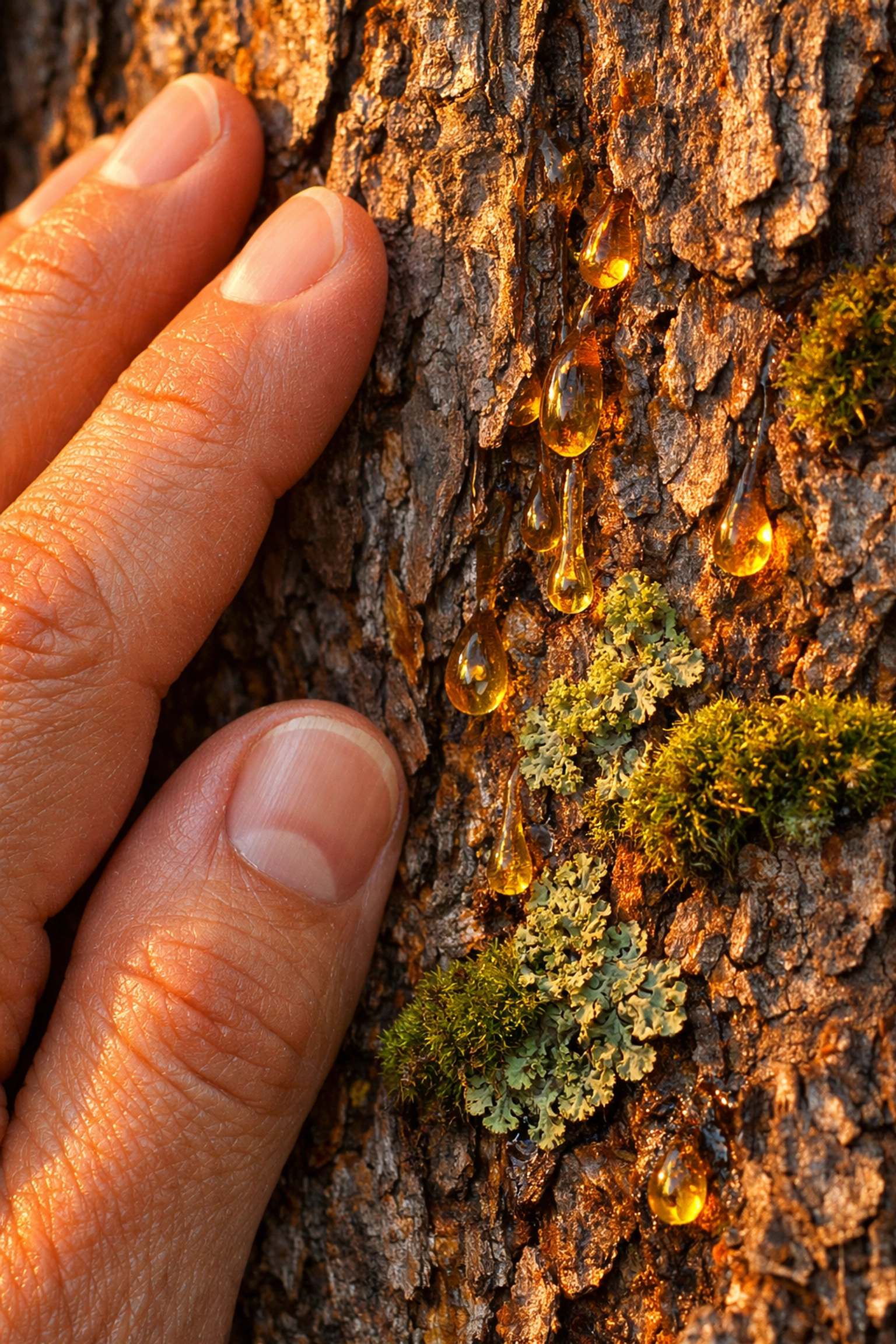
- Touch: Feel the texture of bark or dip your hands in a natural stream.
- Taste: If you are with an expert, taste safe forest botanicals (like pine needle tea).
Step 3: Pacing and Duration
Speed is the enemy of forest bathing. You should aim to cover no more than 1 mile in an hour. The goal is to be "here," not to get "there."
Recommended Dosage for 2026 Mental Health:
- The "Micro-Dose": 20 minutes in a local park (3x per week).
- The "Therapeutic Dose": 2 hours in a dense forest (1x per week).
- The "Reset Dose": 3 days in a wilderness area (1x per quarter).
Overcoming Urban Constraints: Forest Bathing for City Dwellers
Not everyone has a redwood forest in their backyard. However, the benefits are scalable.
- The Fractal Effect: Research shows that looking at high-definition images or videos of natural fractals can trigger about 20-30% of the relaxation response seen in actual nature.
- Indoor Phytoncides: Using essential oils like Hinoki cypress or Cedarwood in a diffuser can simulate the chemical environment of a forest.
- The 10% Rule: Aim to have at least 10% of your visual field occupied by greenery during work hours. This can be achieved through houseplants or a strategically placed desk near a window.
The Verdict: A Biological Necessity
In 2026, we have to stop viewing nature as a "nice-to-have" luxury or a weekend hobby. It is a biological necessity. Our DNA was forged in the wild, and our brains are still hardwired for the sounds of the forest, not the notification pings of a workstation.
By integrating forest bathing into your weekly routine, you aren't just relaxing: you are performing a "system restore" on your central nervous system. You are lowering your systemic inflammation, boosting your viral defense, and clearing the "cache" of your mental processor.

Summary Checklist for Your Next Session
- Phone Off: Total disconnection from the grid.
- Quiet Observation: Sit still for the first 15 minutes to let the forest "accept" your presence.
- Nasal Breathing: Inhale through the nose to filter and absorb phytoncides effectively.
- No Destination: Walk aimlessly; let your curiosity lead the way.
- Post-Bathing Reflection: Spend 5 minutes journaling your mood immediately after exiting the forest.
About the Author: Malibongwe Gcwabaza
CEO of blog and youtube
Malibongwe Gcwabaza is a visionary leader at the intersection of technology and human performance. With a background in health optimization and digital strategy, Malibongwe focuses on how humans can thrive in an increasingly automated world. He advocates for "High-Tech, High-Nature" living: leveraging the best of modern science while remaining grounded in ancestral wellness practices. Under his leadership, blog and youtube has become a primary resource for millions seeking to optimize their biological and mental health in the mid-2020s.
About the Author