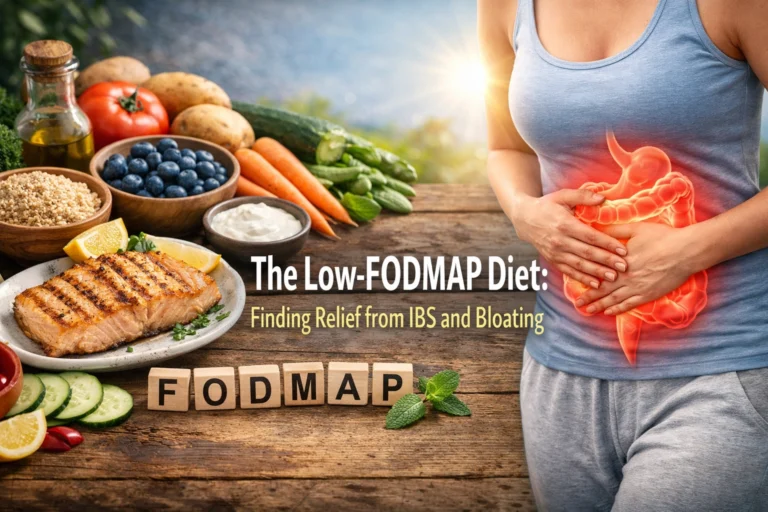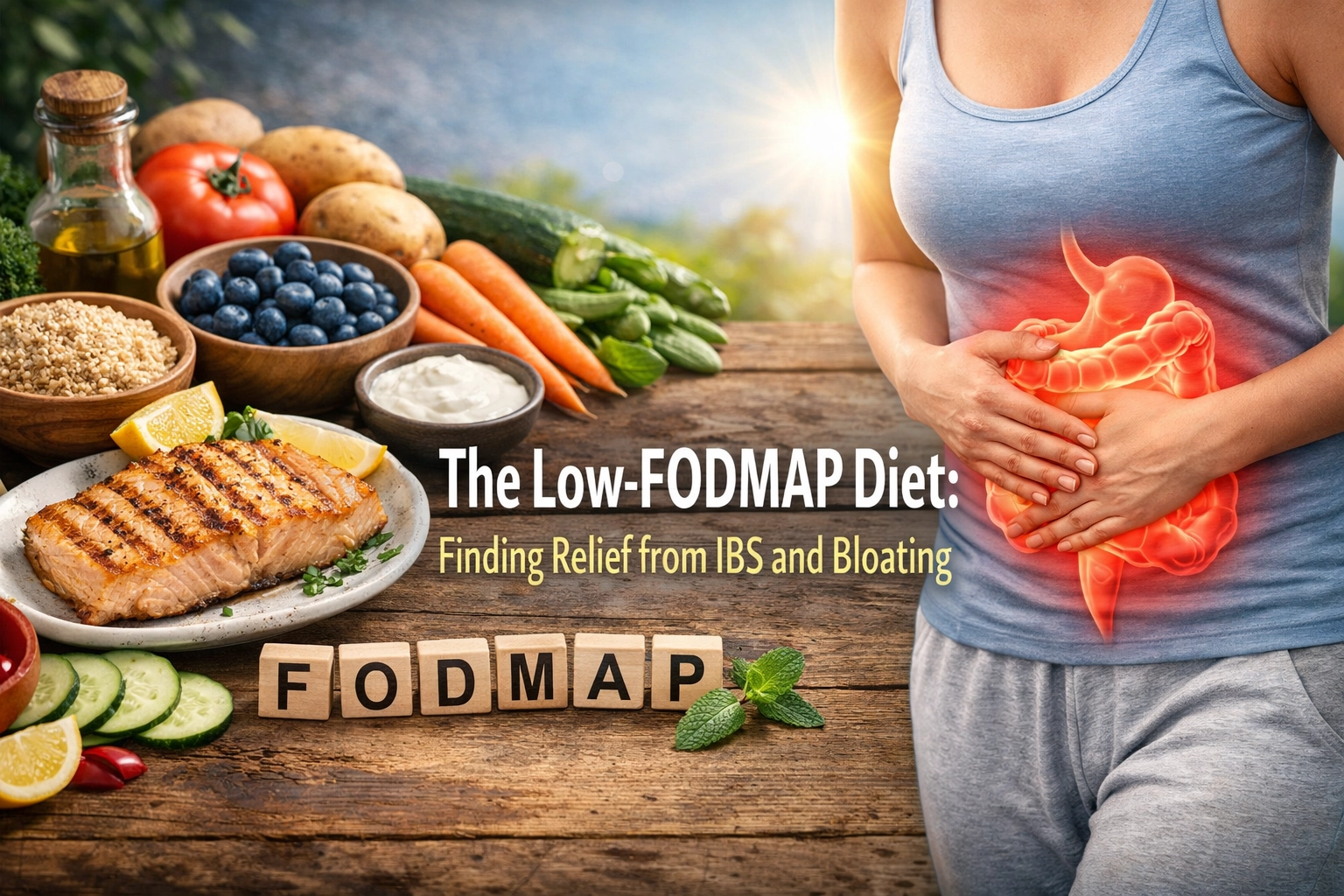
Irritable Bowel Syndrome (IBS) is no longer the "mystery illness" it was a decade ago. As of 2026, clinical research has solidified the link between specific short-chain carbohydrates and the debilitating cycle of bloating, gas, and abdominal pain. For the estimated 15% of the global population struggling with these symptoms, the Low-FODMAP diet has emerged not just as a trend, but as the primary therapeutic intervention recommended by gastroenterologists worldwide.
However, the Low-FODMAP protocol is frequently misunderstood. It is not a weight-loss diet, nor is it meant to be a permanent lifestyle. It is a sophisticated, three-phase diagnostic tool designed to identify individual triggers and restore gut harmony. This guide dives deep into the science of FODMAPs, the mechanics of the protocol, and how to navigate the complexities of gut health in 2026.
What Exactly Are FODMAPs?
FODMAP is an acronym that stands for Fermentable Oligosaccharides, Disaccharides, Monosaccharides, and Polyols. These are a group of small-chain carbohydrates and sugar alcohols that are poorly absorbed in the small intestine.
Because they aren't absorbed effectively, they continue their journey into the large intestine (the colon). Here, two specific physiological processes occur that lead to the "IBS flare":
- Osmotic Draw: These molecules are highly osmotic, meaning they pull water into the intestinal tract. This can lead to distention and altered bowel movements (diarrhea).
- Rapid Fermentation: Once they reach the colon, your gut bacteria feast on them. This fermentation process produces gases (hydrogen, methane, and carbon dioxide), leading to that "inflated balloon" feeling known as bloating.
The FODMAP Categories
| Category | Type of Carbohydrate | Common Sources |
|---|---|---|
| Oligosaccharides | Fructans & GOS | Wheat, rye, onions, garlic, legumes, cashews. |
| Disaccharides | Lactose | Milk, soft cheeses, yogurt. |
| Monosaccharides | Excess Fructose | Honey, agave, apples, high-fructose corn syrup. |
| Polyols | Sugar Alcohols | Sorbitol, mannitol, xylitol (found in stone fruits and "sugar-free" gum). |
The Three-Phase Protocol: A 2026 Framework
The biggest mistake people make is staying in the "Elimination Phase" indefinitely. In 2026, we understand more than ever that long-term restriction can negatively impact the diversity of your microbiome. The goal is to find the minimum restriction for maximum relief.
Phase 1: Elimination (2–6 Weeks)
During this phase, you swap all high-FODMAP foods for low-FODMAP alternatives. The goal is to "calm the storm" in your gut. Most patients see a 30% to 50% reduction in bloating within the first 72 hours, though it can take weeks for the nervous system of the gut (the enteric nervous system) to fully settle.
Phase 2: Reintroduction (6–8 Weeks)
This is the "Science Project" phase. You systematically reintroduce one FODMAP group at a time (e.g., testing honey for fructose or milk for lactose) while keeping the rest of your diet low-FODMAP. This allows you to pinpoint exactly which molecules trigger your symptoms and at what dosage.
Phase 3: Personalization (Lifelong)
Once you know your triggers, you move into the maintenance phase. You might find you can handle small amounts of garlic but zero wheat, or that lactose is fine but polyols are a disaster. Your diet becomes a personalized map of your own biology.
Why Bloating Happens: The Science of Gut Distention
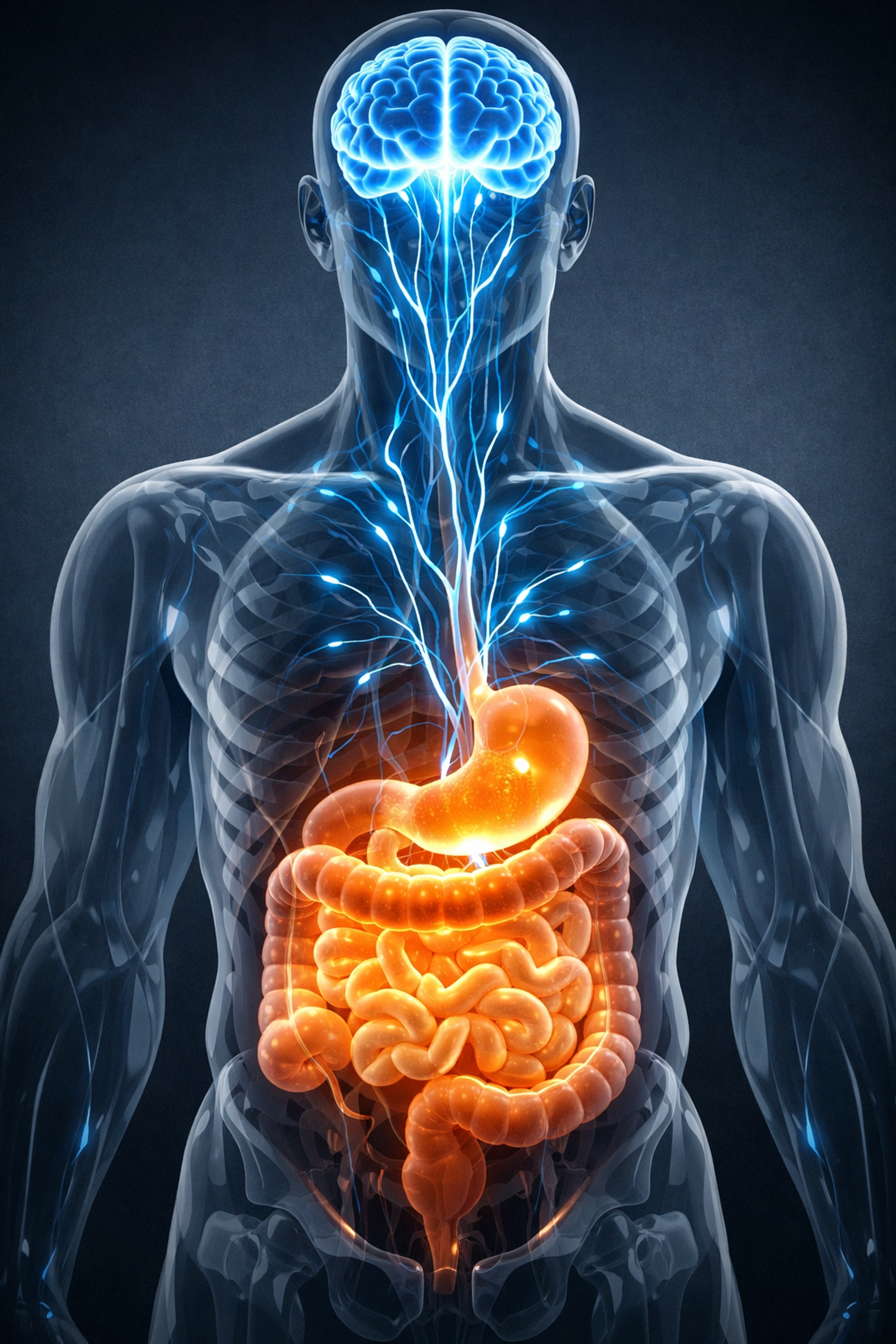
In 2026, we’ve moved beyond just blaming "gas." Recent studies using MRI imaging have shown that people with IBS don't necessarily produce more gas than healthy individuals; rather, their guts are hypersensitive to the volume. This is known as visceral hypersensitivity.
When FODMAPs draw water and gas into the intestines, the gut wall stretches. In a healthy gut, the brain ignores this. In an IBS gut, the nerves send "danger" signals to the brain, resulting in pain and the physical sensation of extreme bloating. The Low-FODMAP diet works by reducing the physical volume of the stool and gas, thereby reducing the mechanical stretch on the gut wall.
Low-FODMAP Swaps for 2026
Navigating a modern diet requires knowing where hidden FODMAPs lurk, especially in processed "health" foods.
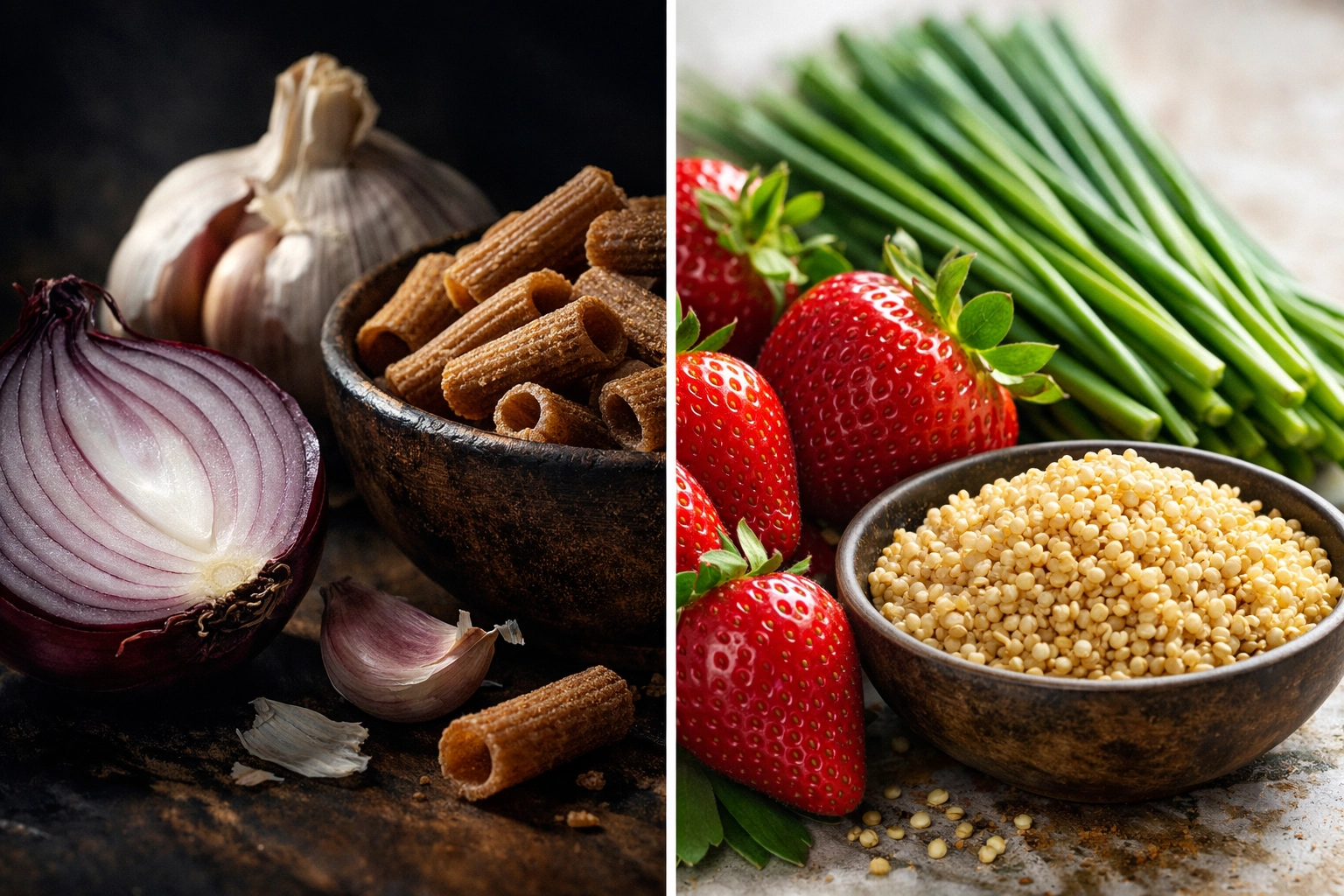
- Instead of Onion/Garlic: Use the green tops of spring onions or chives. In 2026, garlic-infused oils have become a staple because the fructans in garlic are water-soluble but not oil-soluble: meaning you get the flavor without the fermentation.
- Instead of Wheat: Opt for sourdough (the fermentation process breaks down fructans), quinoa, or gluten-free oats. Note: Gluten itself is a protein, not a FODMAP, but wheat contains both gluten and fructans.
- Instead of High-Fructose Fruits: Stick to strawberries, blueberries, kiwi, and oranges.
- Instead of Artificial Sweeteners: Avoid anything ending in "-ol" (Sorbitol, Xylitol). Use stevia or small amounts of maple syrup instead.
The Role of "FODMAP Stacking"
One of the most technical aspects of the diet is "stacking." Even if you are eating only low-FODMAP foods, if you eat too many of them in one sitting, the cumulative load of "low" amounts can add up to a "high" amount.
For example, 1/2 cup of canned lentils is considered low-FODMAP. However, if you pair that with a large serving of zucchini and several stalks of asparagus (all technically "low" in specific portions), you might cross your personal threshold. Precision is key.
2026 Innovations: AI and Breath Testing
The landscape of the Low-FODMAP diet has been transformed by technology.
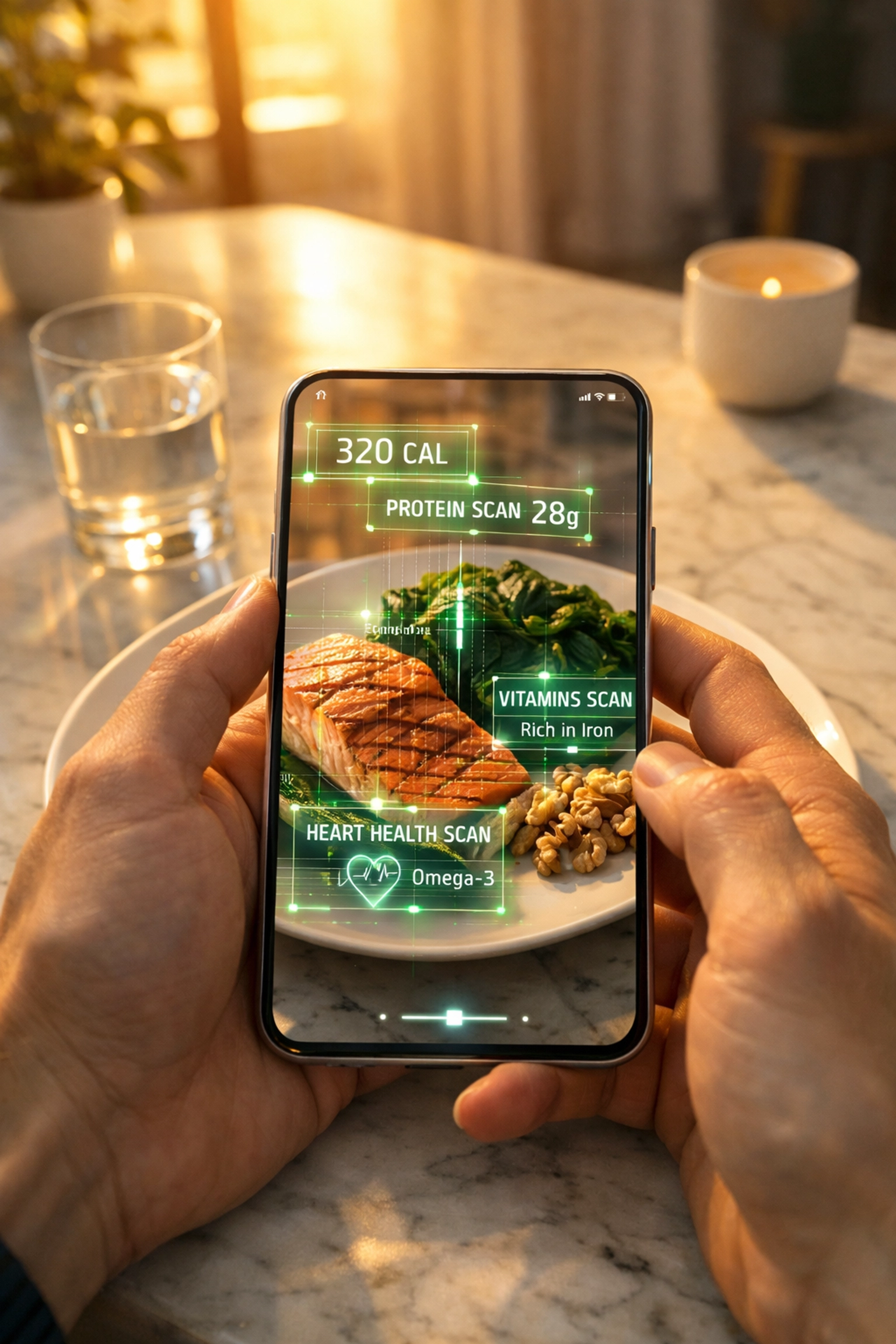
- AI Meal Scanners: Mobile apps now use computer vision to scan ingredient labels or restaurant menus, instantly flagging hidden fructans or polyols that were previously difficult to spot.
- Home Hydrogen Breath Testers: These devices allow users to measure their hydrogen production in real-time after meals. This provides immediate data on whether a specific food is being fermented too rapidly in the small intestine (a sign of SIBO or FODMAP intolerance).
- Enzyme Supplementation: We now have specific enzymes (like alpha-galactosidase for beans and lactase for dairy) that can be taken with meals to break down FODMAPs before they reach the colon, allowing for more "cheat" flexibility in the Personalization Phase.
Risks and Considerations: Protecting the Microbiome
A major concern with the Low-FODMAP diet is the reduction in prebiotics. Prebiotics are the fibers that feed your "good" bacteria, such as Bifidobacteria. Many high-FODMAP foods (like onions and asparagus) are excellent prebiotics.
Research indicates that a strict Low-FODMAP diet for more than 8 weeks can significantly alter the gut microbiome, potentially leading to reduced microbial diversity. This is why the Reintroduction Phase is non-negotiable. To mitigate this risk, it is essential to focus on low-FODMAP prebiotic sources during the elimination phase, such as:
- Unripe bananas
- Cooked and cooled potatoes (resistant starch)
- Walnuts
- Chia seeds
Conclusion: A Path to Empowerment
The Low-FODMAP diet is not a "forever" restriction; it is a powerful diagnostic tool that puts the control back in your hands. By understanding the science of fermentation and the mechanics of the three-phase protocol, you can move from a state of constant discomfort to a place of dietary freedom.
If you are struggling with persistent bloating, 2026 is the best time to take action. Between AI-driven tracking tools and a deeper scientific understanding of the gut-brain axis, relief is no longer a matter of guesswork: it's a matter of data.
Author Bio: Malibongwe Gcwabaza
Malibongwe Gcwabaza is the CEO of blog and youtube and a dedicated advocate for evidence-based wellness. With a background in health technology and a passion for simplifying complex medical research, Malibongwe focuses on bridging the gap between clinical data and everyday health practices. Under his leadership, blog and youtube has become a leading voice in the 2026 longevity and fitness movement, providing deep-dive insights into the future of human optimization. When not analyzing gut microbiome data, he can be found exploring the intersection of AI and functional fitness.
About the Author