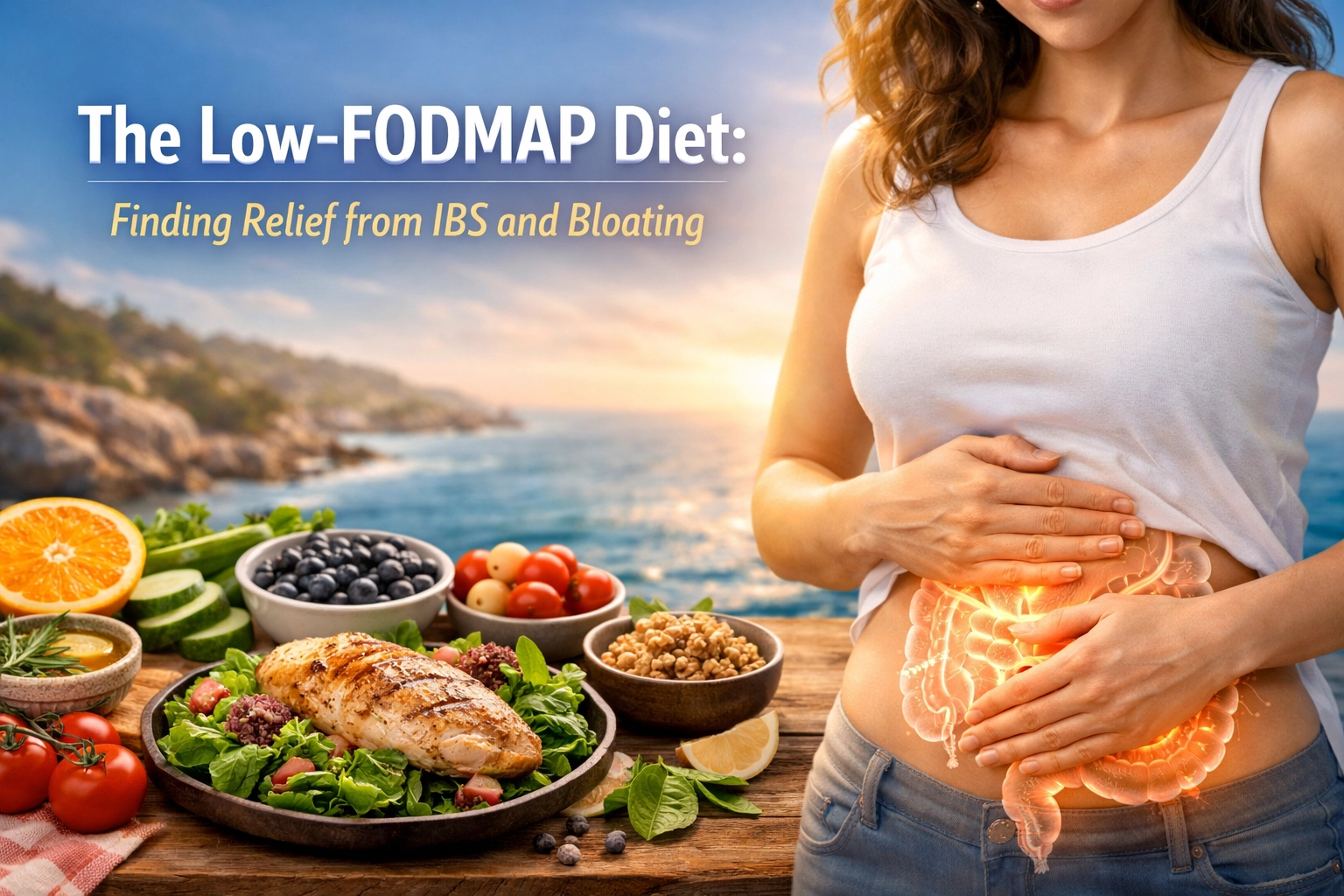
For millions of people worldwide, a "healthy" meal of avocado toast, a crisp apple, or a garlic-heavy stir-fry doesn't result in vitality. Instead, it triggers hours of agonizing bloating, unpredictable bathroom trips, and sharp abdominal pain. If this sounds familiar, you aren't just "sensitive" to food: you likely have a gut that struggles to process a specific group of short-chain carbohydrates known as FODMAPs.
The Low-FODMAP diet is not a fad or a weight-loss trend. It is a clinically validated medical protocol developed at Monash University to manage Irritable Bowel Syndrome (IBS) and Small Intestinal Bacterial Overgrowth (SIBO). This guide explores the science of why these sugars cause distress and provides a technical roadmap to reclaiming your digestive health.
What Exactly Are FODMAPs?
FODMAP is an acronym that sounds like a tech startup, but it actually describes the chemical structure of specific carbohydrates. These molecules are notorious for being poorly absorbed in the small intestine. Because they aren't absorbed, they continue their journey into the large intestine, where they become "fast food" for your gut bacteria.
Here is the technical breakdown of the acronym:
- Fermentable: The process where gut bacteria break down undigested carbohydrates, producing gas (hydrogen, methane, and carbon dioxide).
- Oligosaccharides: Includes Fructans (found in wheat, garlic, and onions) and Galacto-oligosaccharides or GOS (found in legumes and beans). Humans lack the enzymes to fully break these down.
- Disaccharides: Specifically lactose. Many adults have low levels of the enzyme lactase, making dairy a primary trigger.
- Monosaccharides: Specifically fructose (fruit sugar). When fructose intake exceeds glucose intake in a food (like in honey or high-fructose corn syrup), it is poorly absorbed.
- Polyols: Sugar alcohols like sorbitol and mannitol, found naturally in some fruits (blackberries, nectarines) and used as artificial sweeteners.
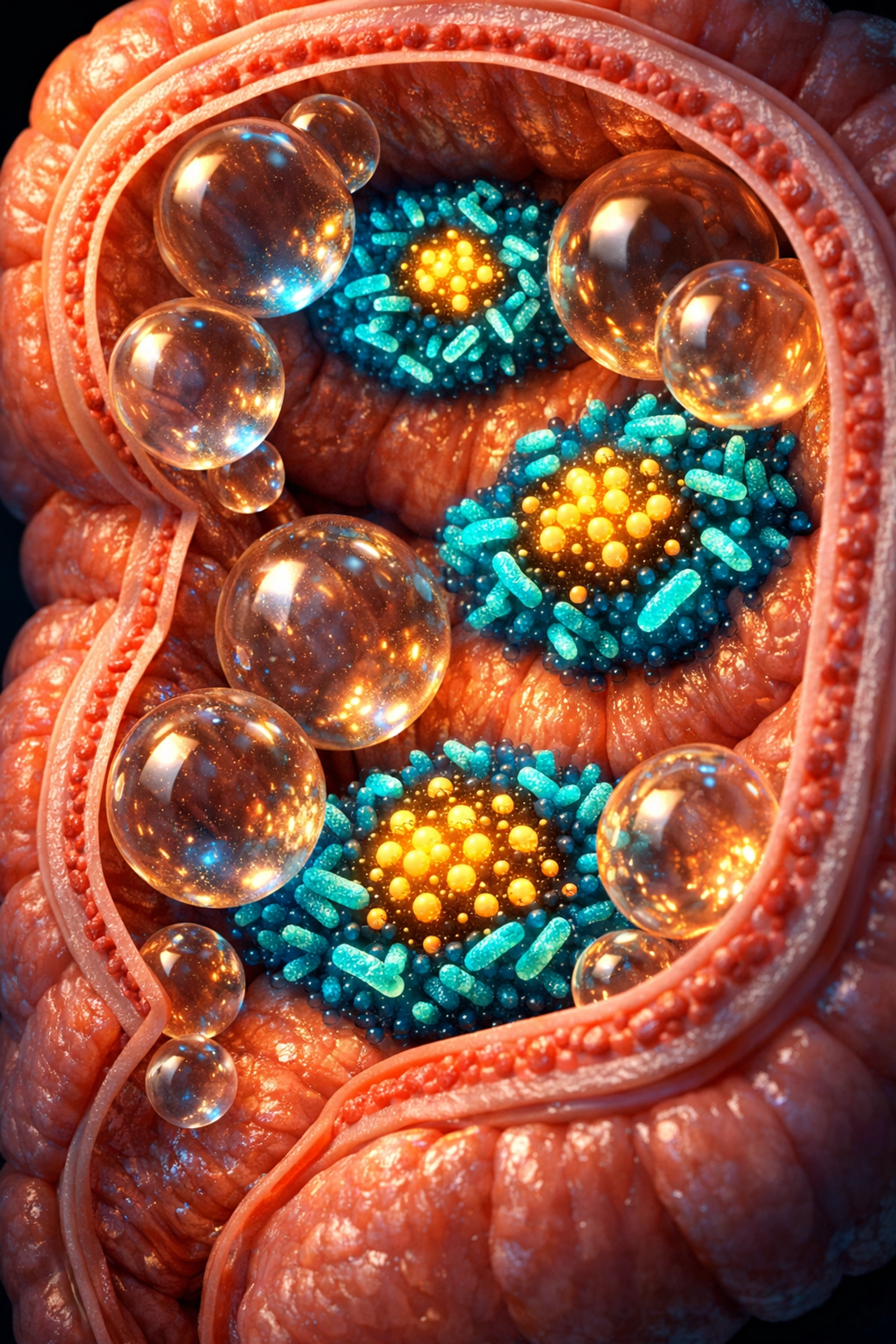
The Mechanism of Misery: Osmosis and Fermentation
To understand why a piece of garlic can make you look six months pregnant, we have to look at two biological processes: osmosis and fermentation.
1. The Osmotic Effect
FODMAPs are highly osmotic. This means they act like a sponge, pulling water from your body into the small intestine. This increase in liquid volume speeds up transit time (leading to diarrhea) and creates a "sloshing" sensation or distension.
2. Excessive Fermentation
When these undigested sugars reach the colon, your microbiome goes to work. Bacteria rapidly ferment these sugars. In a healthy gut, this is normal. In an IBS gut, the nerves lining the intestines are hypersensitive (visceral hypersensitivity). The rapid production of gas stretches the intestinal wall, which the brain interprets as intense pain, cramping, and bloating.
The Three-Phase Protocol
The Low-FODMAP diet is a diagnostic tool, not a permanent lifestyle. Staying on a strict low-FODMAP diet forever can actually damage your microbiome diversity because many high-FODMAP foods are also excellent prebiotics.
Phase 1: The Elimination Phase (2–6 Weeks)
The goal here is to reduce your "FODMAP bucket" to zero. You swap high-FODMAP foods for low-FODMAP alternatives. If your symptoms are FODMAP-related, you should see a significant reduction in bloating and pain within two to four weeks.
Phase 2: The Reintroduction Phase (6–8 Weeks)
This is the most critical step. Under the guidance of a dietitian, you systematically "challenge" your gut with specific FODMAP groups. For example, you might eat honey for three days to test your fructose tolerance, then go back to the baseline diet before testing lactose. This identifies your personal "trigger" molecules.
Phase 3: Personalization (The Long Game)
Once you know that you can handle lactose and polyols but react violently to fructans (garlic/onion), you can reintroduce everything else. You end up with a "Modified FODMAP" diet that is much less restrictive and nutritionally balanced.
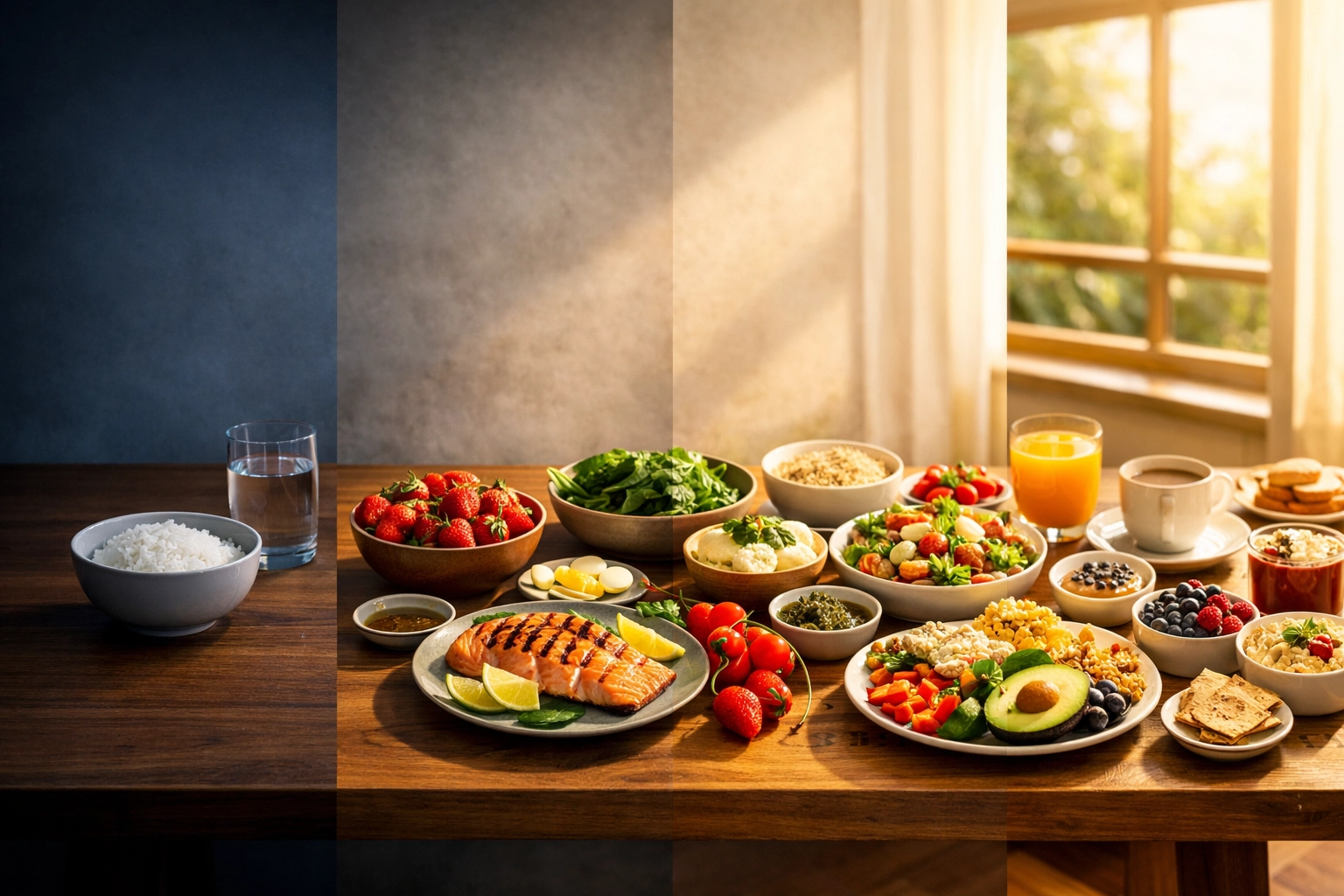
High-FODMAP vs. Low-FODMAP: A Technical Cheat Sheet
Navigating the grocery store requires a shift in perspective. It isn't about "processed vs. whole foods"; it’s about the specific carbohydrate chain.
| Category | High FODMAP (Avoid) | Low FODMAP (Safe Alternatives) |
|---|---|---|
| Vegetables | Garlic, Onion, Asparagus, Artichokes, Cauliflower | Carrots, Cucumber, Eggplant, Spinach, Potatoes |
| Fruits | Apples, Pears, Mangoes, Watermelon, Cherries | Strawberries, Blueberries, Oranges, Kiwi, Grapes |
| Grains | Wheat-based bread, Rye, Barley, Couscous | Rice, Quinoa, Oats, Corn, Gluten-free pasta |
| Dairy | Milk, Soft cheese (Ricotta), Ice cream | Lactose-free milk, Hard cheese (Cheddar, Parmesan), Almond milk |
| Proteins | Marinated meats, Silken tofu, Most beans | Beef, Chicken, Eggs, Firm tofu, Tempeh |
| Sweeteners | Honey, Agave, Sorbitol, Xylitol, HFCS | Maple syrup, Table sugar (sucrose), Stevia |
Note: Portions matter. A small amount of almonds might be low-FODMAP, but a large handful becomes high-FODMAP. This is known as "FODMAP stacking."
Data-Driven Insights: Does It Actually Work?
The efficacy of this diet is backed by rigorous clinical trials. Research published in Gastroenterology and The American Journal of Gastroenterology consistently shows:
- 75% Success Rate: Approximately three out of four people with IBS experience significant symptom relief on the protocol.
- Reduction in Visceral Hypersensitivity: By reducing the "stretching" of the gut wall, the nerves in the digestive tract become less reactive over time.
- Psychological Benefits: IBS is closely linked to the gut-brain axis. Studies show that when physical symptoms subside, patients report lower levels of anxiety and depression related to their condition.

Common Pitfalls and How to Avoid Them
The biggest mistake beginners make is assuming "Gluten-Free" means "Low-FODMAP." While gluten is a protein and FODMAPs are carbohydrates, they often coexist in wheat. However, many gluten-free products use high-FODMAP fillers like inulin (chicory root), apple fiber, or honey. Always read the labels.
Another common error is failing to address "hidden" FODMAPs. Onion and garlic powder are found in almost every savory processed food, from potato chips to chicken stock. Even "natural flavors" in teas or broths often contain these triggers.
Implementation Strategies for Success
- Use the Monash University App: This is the gold standard. It uses a traffic light system (Green, Amber, Red) to tell you exactly which foods are safe and in what quantities.
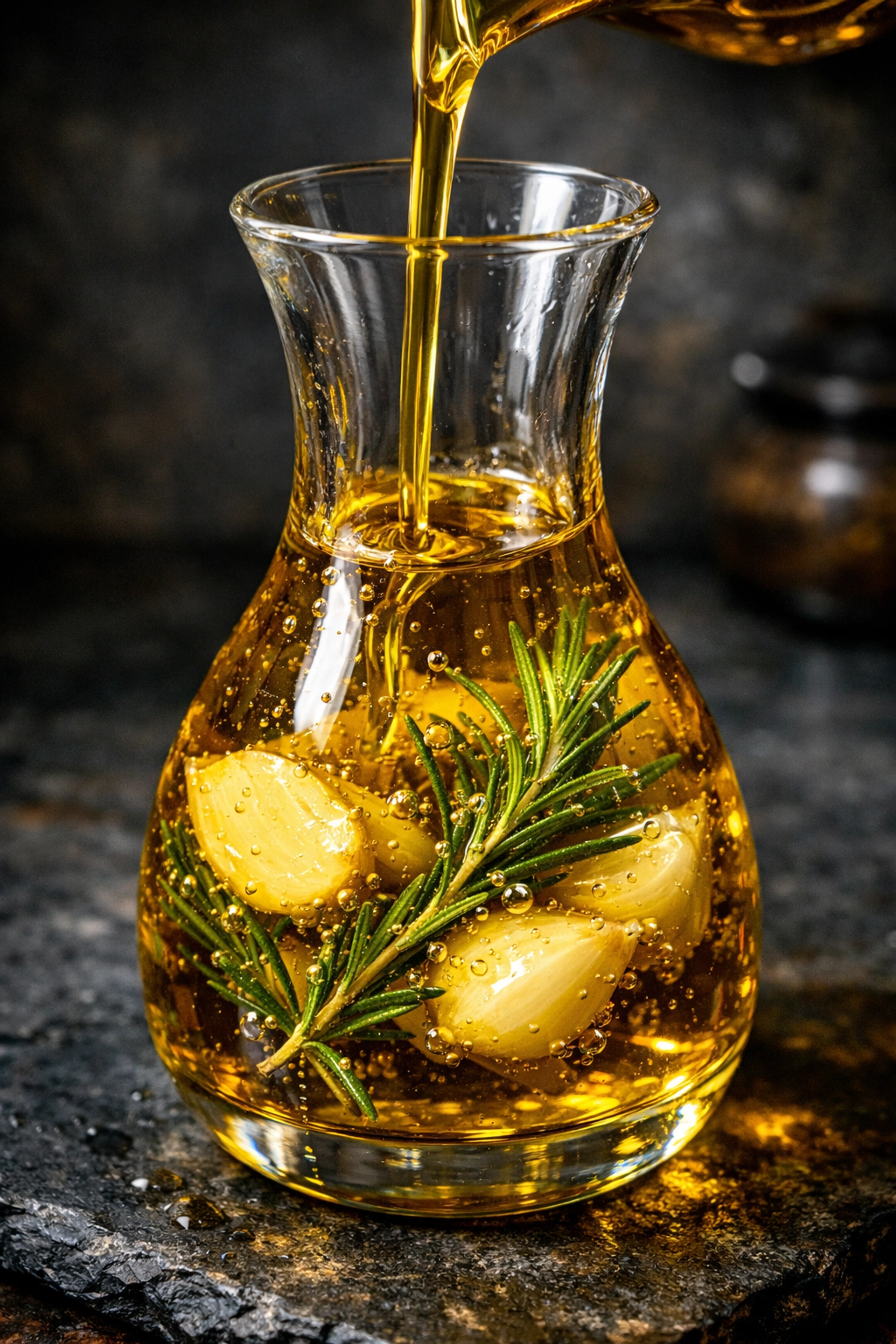
- Focus on Infused Oils: Fructans (the bad stuff in garlic and onion) are water-soluble but not oil-soluble. This means you can sauté garlic in olive oil, remove the garlic, and keep the flavor without the FODMAPs.
- Prioritize Fiber: Because many high-fiber foods are restricted, you must intentionally eat low-FODMAP fiber sources like flaxseeds, chia seeds, and oats to prevent constipation.
Final Thoughts
The Low-FODMAP diet is a journey of discovery. It requires discipline, label-reading, and patience, but for those who have lived their lives in fear of the next meal, it is a revolutionary tool. By understanding the chemistry of your food and the biology of your gut, you can move from a state of constant discomfort to one of controlled, predictable health.
About the Author: Malibongwe Gcwabaza
Malibongwe Gcwabaza is the CEO of blog and youtube and a dedicated advocate for evidence-based wellness. With a background in health communications and a passion for simplifying complex nutritional science, Malibongwe focuses on providing readers with actionable, data-driven insights to improve their quality of life. When not analyzing the latest gut-health research, he is exploring the intersection of digital media and personal growth.
About the Author