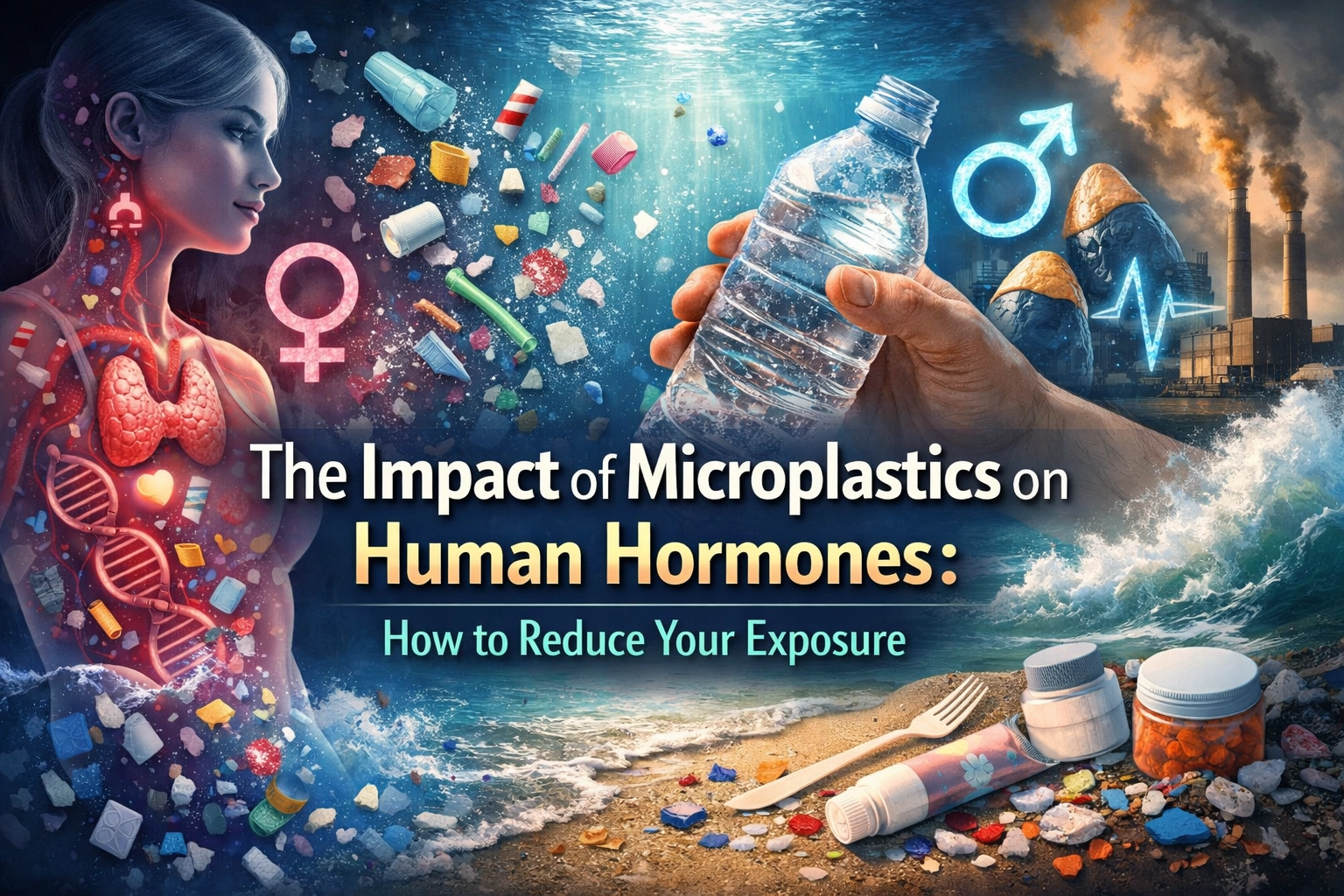
By 2026, the conversation around environmental health has shifted from "if" microplastics are inside us to "how much" damage they are doing. Recent studies have confirmed that these microscopic polymer fragments are no longer just floating in the ocean; they are circulating in our blood, embedding in our lungs, and accumulating in our reproductive organs.
For anyone focused on longevity and hormonal optimization, microplastics represent one of the most significant "invisible" hurdles. They act as potent endocrine disruptors, meaning they hijack the chemical messaging system that governs your mood, metabolism, and fertility. This guide breaks down the technical mechanisms of how plastic affects your biology and provides a data-driven protocol to minimize your exposure.
Understanding the Enemy: Microplastics vs. Nanoplastics
To solve the problem, we first need to define the scale.
- Microplastics: Plastic particles smaller than 5mm. These are often found in bottled water and household dust.
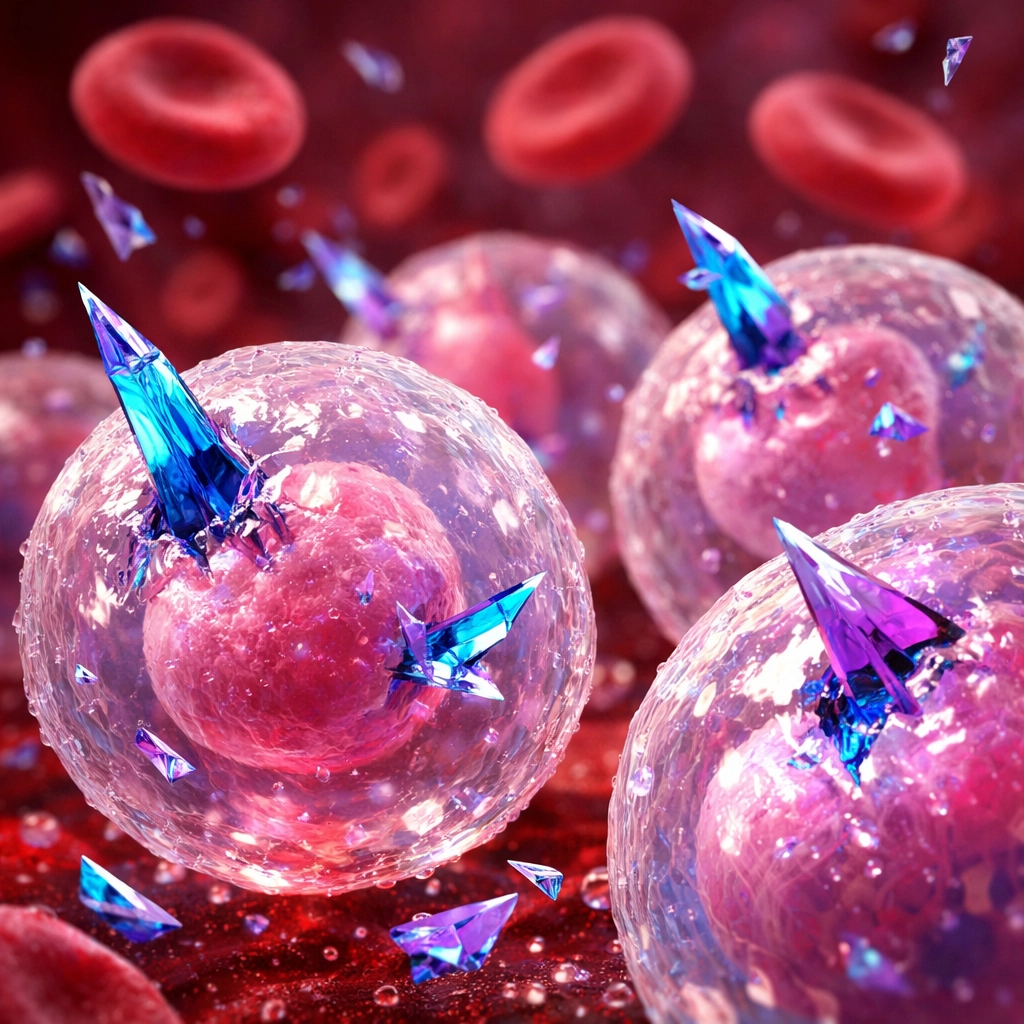
- Nanoplastics: Particles smaller than 1 micrometer. These are the most dangerous because they are small enough to cross the blood-brain barrier and penetrate individual cell membranes.
When these particles enter the body, they don't just sit there. They act as "Trojan Horses," carrying a cocktail of additives like Bisphenol A (BPA), phthalates, and heavy metals directly into your tissues.
How Microplastics Disrupt Your Endocrine System
Your endocrine system relies on lock-and-key precision. Hormones (the keys) must fit into specific receptors (the locks) to trigger biological actions. Microplastics disrupt this in three specific ways:
1. Hormone Mimicry
Many chemicals found in plastics, specifically phthalates and bisphenols, structurally resemble estrogen. When these chemicals enter the bloodstream, your body confuses them for natural hormones. They bind to estrogen receptors, sending "ghost signals" that can lead to estrogen dominance, which in men often manifests as lower testosterone and increased body fat.
2. Receptor Blocking
Conversely, some plastic particles can sit inside a receptor site without activating it, effectively "jamming the lock." This prevents your actual hormones from doing their job, leading to functional hormone deficiencies even if your blood tests show "normal" hormone levels.
3. Epigenetic Alterations
New research in 2026 suggests that chronic exposure to nanoplastics can alter gene expression. This means plastic exposure doesn't just affect you; it can potentially "flip switches" in your DNA that predispose your future children to metabolic disorders or reproductive struggles.
Impact on Specific Hormonal Pillars
The damage isn't universal; certain glands and systems are more susceptible to plastic accumulation.
Reproductive Health and Fertility
The most documented impact is on the "Gonadal Axis." In men, microplastics have been found directly in testicular tissue, correlating with a global decline in sperm quality and count. In women, these disruptors are linked to Polycystic Ovary Syndrome (PCOS), endometriosis, and early-onset menopause.
Thyroid and Metabolism
Microplastics have a strange affinity for the thyroid gland. By interfering with T3 and T4 production, these particles slow down your basal metabolic rate. This is why researchers now refer to certain plastic-associated chemicals as "obesogens": compounds that literally program your body to store fat and resist weight loss.
Adrenal Function and Cortisol
Chronic internal inflammation caused by the presence of foreign plastic particles keeps the body in a state of "low-grade" stress. This causes the adrenal glands to overproduce cortisol, leading to burnout, poor sleep, and systemic inflammation.
| Hormone System | Primary Disruption Mechanism | Common Symptoms of Exposure |
|---|---|---|
| Estrogen/Testosterone | Mimicry & Receptor Blocking | Low libido, muscle loss, mood swings |
| Thyroid (T3/T4) | Interference with Iodine uptake | Weight gain, brain fog, cold intolerance |
| Insulin | Increased insulin resistance | Sugar cravings, "hangry" episodes |
| Cortisol | Systemic inflammatory response | Chronic fatigue, "tired but wired" feeling |
Primary Sources of Exposure in 2026
You cannot hide from plastic entirely, but you can identify the "High-Yield" sources where exposure is highest.
- Bottled Water: A single liter of bottled water can contain up to 240,000 detectable plastic fragments. The friction of opening the cap alone sheds thousands of particles into the liquid.
- Synthetic Clothing: Every time you wear polyester or nylon, you inhale microfibers. During exercise, your pores open, and heat increases the absorption of these fibers and their chemical dyes.
- Household Dust: Much of the "dust" in modern homes is actually degraded plastic from carpets, sofas, and electronics.
- Takeout Containers: Heat is the catalyst for plastic leaching. Putting hot coffee in a plastic-lined paper cup or hot food in a black plastic tray is a direct injection of phthalates into your meal.
The "Low-Tox" Protocol: How to Reduce Your Load
Since your body has limited pathways to "detox" physical plastic particles, the best strategy is aggressive avoidance. Here is a technical hierarchy of interventions:
Step 1: Optimize Your Water
Stop drinking from single-use plastic bottles immediately.
- Action: Switch to a high-quality Reverse Osmosis (RO) filter for your home. RO is one of the few technologies capable of filtering out nanoplastics.
- Action: Use glass or high-grade stainless steel (unlined) for all portable hydration.
Step 2: Fix Your Kitchen
Heat and plastic are a toxic combination.
- Action: Replace all plastic Tupperware with glass or silicone containers.
- Action: Toss your non-stick pans. The "forever chemicals" (PFAS) used in non-stick coatings are closely linked to plastic-related hormonal disruption. Switch to cast iron, carbon steel, or stainless steel.
- Action: Never, under any circumstances, microwave anything in plastic.
Step 3: Conscious Wardrobe Choices
Your skin is your largest organ.
- Action: Prioritize natural fibers like organic cotton, wool, linen, and hemp.
- Action: If you must wear synthetic gym gear, wash it with a "Cora Ball" or a specialized microfiber filter (like a Guppyfriend bag) to prevent fibers from entering the water cycle: and eventually your food.
Step 4: Air Quality and Hygiene
- Action: Use a HEPA air purifier in your bedroom to capture airborne microfibers and plastic-laden dust.
- Action: Wet-dust your home. Using a damp cloth prevents microplastics from becoming airborne while cleaning.

Can We Remove Microplastics From the Body?
While we don't have a "magic pill" to extract plastic, we can support the body’s natural clearance of the chemicals associated with them.
- Sweating (Sauna Therapy): Phthalates and BPA are excreted through sweat at higher concentrations than through urine. Regular infrared sauna sessions can help lower your chemical burden.
- Blood and Plasma Donation: Controversial but scientifically fascinating: some studies suggest that donating blood or plasma can physically reduce the concentration of "forever chemicals" and microplastics in the donor's bloodstream.
- Fiber Intake: High-fiber diets (specifically lignans found in flaxseeds) help bind to excess "xenoestrogens" (fake estrogens from plastic) in the gut and escort them out of the body.
Summary Checklist for a Plastic-Free Life
If you want to protect your hormones in 2026, follow this priority list:
- Water: Reverse Osmosis at home; glass bottles on the go.
- Food: No plastic contact with hot food; no non-stick pans.
- Body: Use plastic-free personal care (look for glass packaging).
- Environment: HEPA filters and natural fiber rugs/furniture.
- Clothing: Swap polyester for cotton or wool, especially for sleepwear.
Microplastic exposure is a marathon, not a sprint. You won't eliminate it overnight, but by reducing the "background noise" of plastic in your life, you give your endocrine system the breathing room it needs to function at its peak.
About the Author: Malibongwe Gcwabaza
CEO of blog and youtube
Malibongwe Gcwabaza is a wellness visionary and the CEO of blog and youtube, a leading digital platform dedicated to cutting-edge health optimization and longevity. With a background in strategic leadership and a passion for biohacking, Malibongwe focuses on translating complex scientific data into actionable lifestyle protocols. He is a firm believer that informed choices are the foundation of modern health, and he is committed to helping his audience navigate the challenges of the 2026 wellness landscape. Under his leadership, the platform has become a trusted source for high-authority deep dives into the science of living better and longer.
About the Author