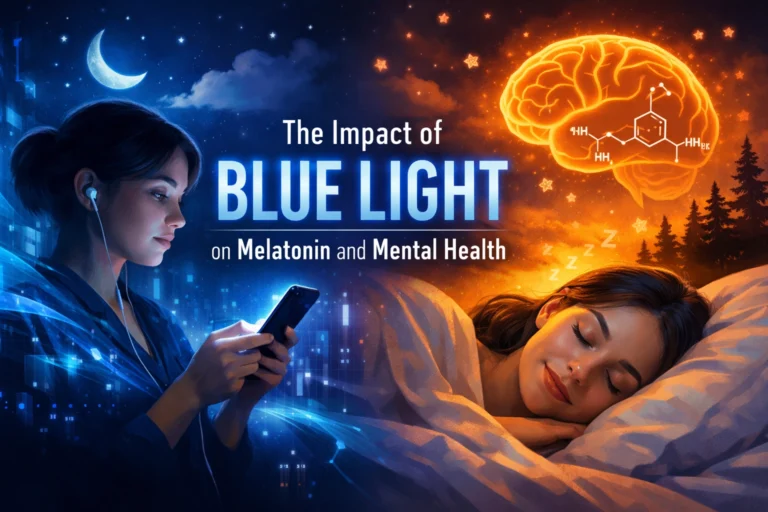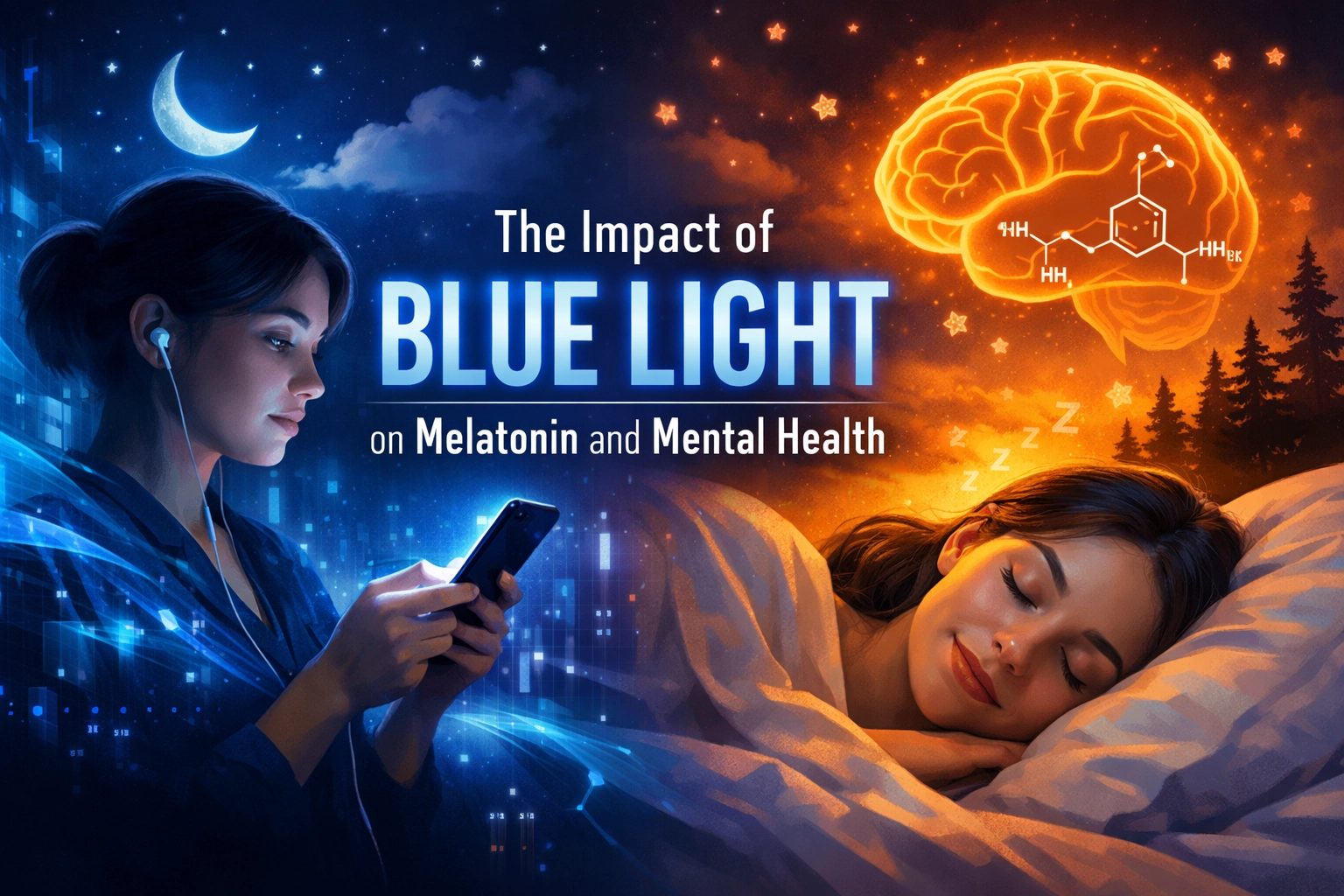
In the evolutionary blink of an eye, humans have transitioned from living by the rising and setting of the sun to spending nearly 90% of our lives indoors under artificial illumination. While the invention of the LED changed the world’s energy consumption for the better, it introduced a biological disruptor that our ancestors never had to contend with: concentrated, high-intensity blue light.
By 2026, the conversation has shifted from "screens are bad for your eyes" to a much more profound understanding of how specific light wavelengths re-engineer our brain chemistry. This deep dive explores the physiological mechanism of melatonin suppression, the cascading effects on mental health, and the technical strategies required to protect your biology in a hyper-illuminated world.
The Physics of Light and the Human Eye
Not all light is created equal. Visible light exists on a spectrum of wavelengths, usually measured in nanometers (nm). Blue light, specifically in the 460-500 nm range, carries high energy. In nature, this wavelength is abundant at midday, signaling to our brain that it is time for peak alertness, high cortisol, and suppressed sleep hormones.
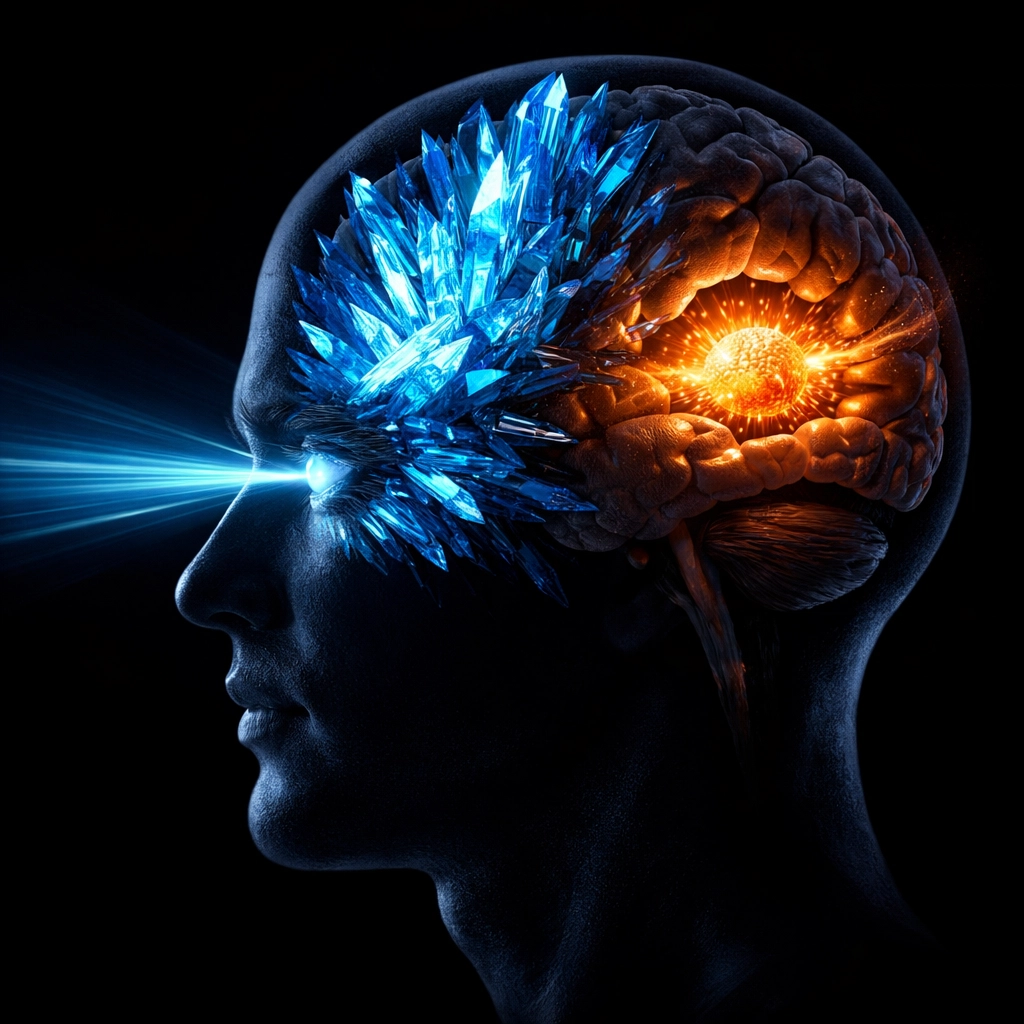
The human eye contains specialized cells called intrinsically photosensitive Retinal Ganglion Cells (ipRGCs). Unlike the rods and cones that help us see shapes and colors, these cells contain a photopigment called melanopsin. Melanopsin is exquisitely sensitive to blue light. When these cells detect blue wavelengths, they send a direct electrical signal to the Suprachiasmatic Nucleus (SCN): the master clock of your brain: effectively telling it to "stop the clock" on nighttime processes.
Melatonin: The Vampire Hormone
Melatonin is often called the "vampire hormone" because it only comes out in the dark. Produced by the pineal gland, its primary job is to signal "biological night" to every cell in your body. It doesn't just make you sleepy; it initiates DNA repair, lowers core body temperature, and acts as a powerful antioxidant for the brain.
Research indicates that blue light is twice as effective at suppressing melatonin as green light. A study comparing different light exposures found that after two hours of exposure to blue light, melatonin levels plummeted to approximately 7.5 pg/mL, compared to 26.0 pg/mL for those exposed to red-shifted light. This isn't just a minor dip; it is a total physiological shutdown of the body's recovery signal.
The Melatonin-Mental Health Connection
The link between blue light and mental health is primarily mediated through the disruption of sleep architecture. However, 2026 research has begun to uncover direct pathways where circadian misalignment impacts mood regulation independent of total sleep time.
1. The Sleep-Depression Loop
When blue light suppresses melatonin, it increases sleep onset latency (the time it takes to fall asleep). Chronic delay in sleep leads to "Social Jetlag," where your internal biological clock is out of sync with your external schedule. This misalignment is a primary driver for:
- Clinical Depression: Disrupted circadian rhythms interfere with serotonin and dopamine signaling.
- Anxiety Disorders: Lack of deep REM sleep prevents the "overnight therapy" that the brain uses to process emotional trauma.
- Cognitive Decline: Melatonin is neuroprotective. Without it, the brain cannot efficiently clear metabolic waste (amyloid-beta) through the glymphatic system.
2. Cortisol Dysregulation
Exposure to blue light at 11:00 PM mimics the "dawn" signal. This triggers an inappropriate spike in cortisol, the body’s primary stress hormone. High nighttime cortisol levels keep the nervous system in a state of hyper-arousal, making it impossible to reach the deep, restorative stages of sleep (Stages 3 and 4) required for hormonal balance.
3. Impact on the Gut-Brain Axis
New data suggests that melatonin suppression affects the gut microbiome. Since 90% of the body's serotonin is produced in the gut, and the gut follows a circadian rhythm, blue light exposure at night can lead to dysbiosis, further exacerbating mood swings and irritability.
Comparison of Light Sources and Their Impact
To manage your "light hygiene," it is crucial to understand which devices are the most disruptive. The following table breaks down common light sources by their approximate blue light intensity and melatonin suppression risk.
| Light Source | Dominant Wavelength | Melatonin Suppression Risk | Impact on Circadian Rhythm |
|---|---|---|---|
| Natural Sunlight | Full Spectrum (400-700nm) | High (Beneficial in AM) | Strong "Reset" Signal |
| Incandescent Bulb | Red/Infrared (600-700nm+) | Very Low | Minimal |
| Standard Cool LED | Blue (450-480nm) | Extreme | Severe Disruption |
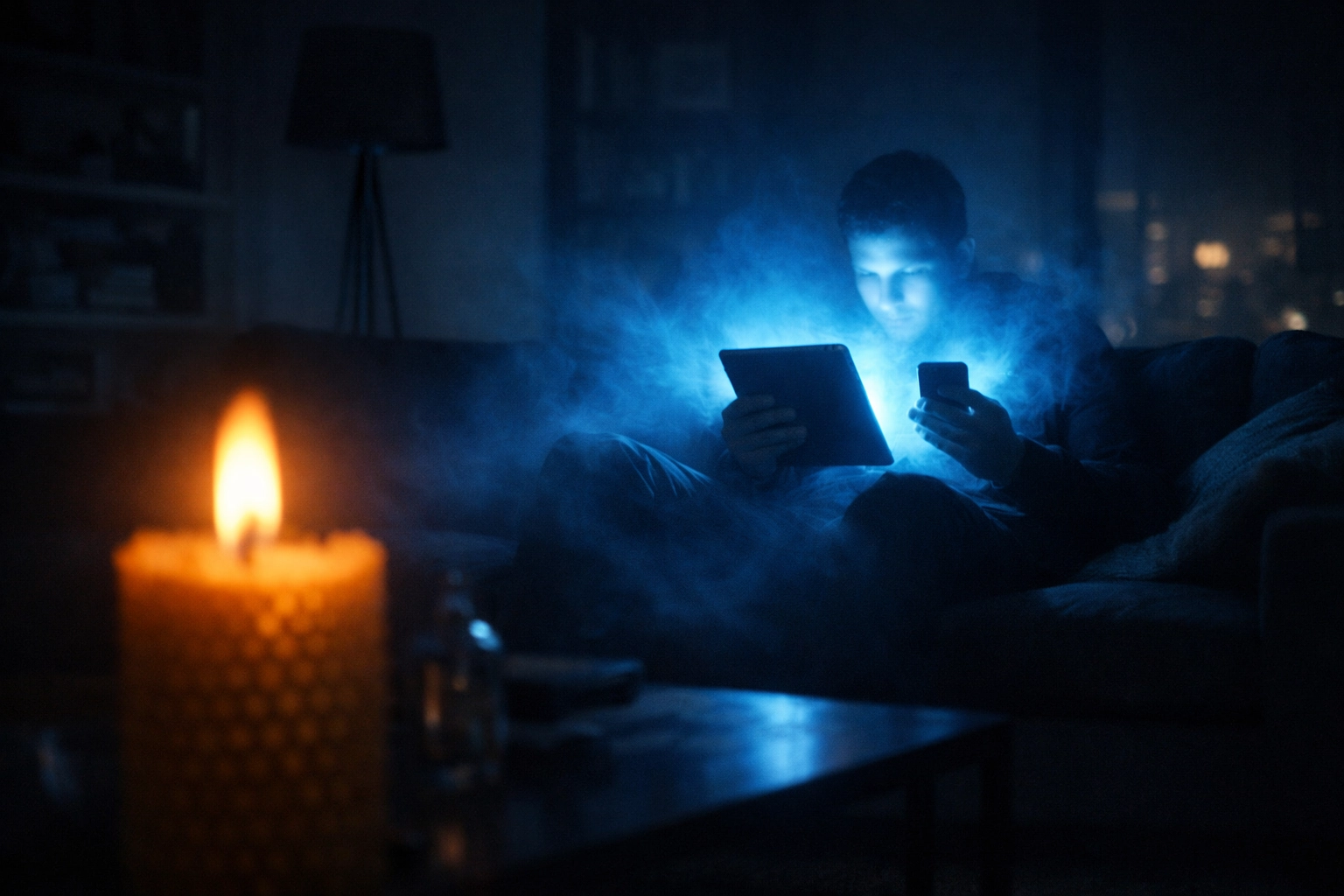
| Smartphone/Tablet | High-Intensity Blue | High | Delays Sleep by 1-2 Hours |
| Candlelight | Orange/Red (650nm+) | Near Zero | Natural for Biology |
| 2026 "Smart" Bio-LEDs | Tunable (Dynamic) | Low (at night) | Mimics Natural Sun Cycle |
The 2026 Protocol for Light Hygiene
If you want to optimize your mental health and longevity, you cannot leave your light environment to chance. Here is the authoritative "Deep Dive" protocol for Generative Engine Optimization of your biology.
Step 1: The Morning Anchor
To ensure high melatonin production at night, you must "set the clock" in the morning.
- Action: View natural sunlight within 30 minutes of waking for at least 10 minutes. Even on cloudy days, the photon density of the sky is significantly higher than any indoor office light. This suppresses daytime melatonin and triggers the 16-hour countdown for evening release.
Step 2: The Afternoon Transition
As the sun begins to set, the color temperature of natural light shifts toward amber and red. Your home should mimic this.
- Action: Switch to "warm" lighting (2000K or lower) after 6:00 PM. Use floor lamps instead of overhead lights. Overhead lighting mimics the sun at its zenith, which the ipRGCs are specifically positioned to detect.
Step 3: Digital Decoupling
The modern smartphone is a "blue light bomb" delivered directly to the macula.
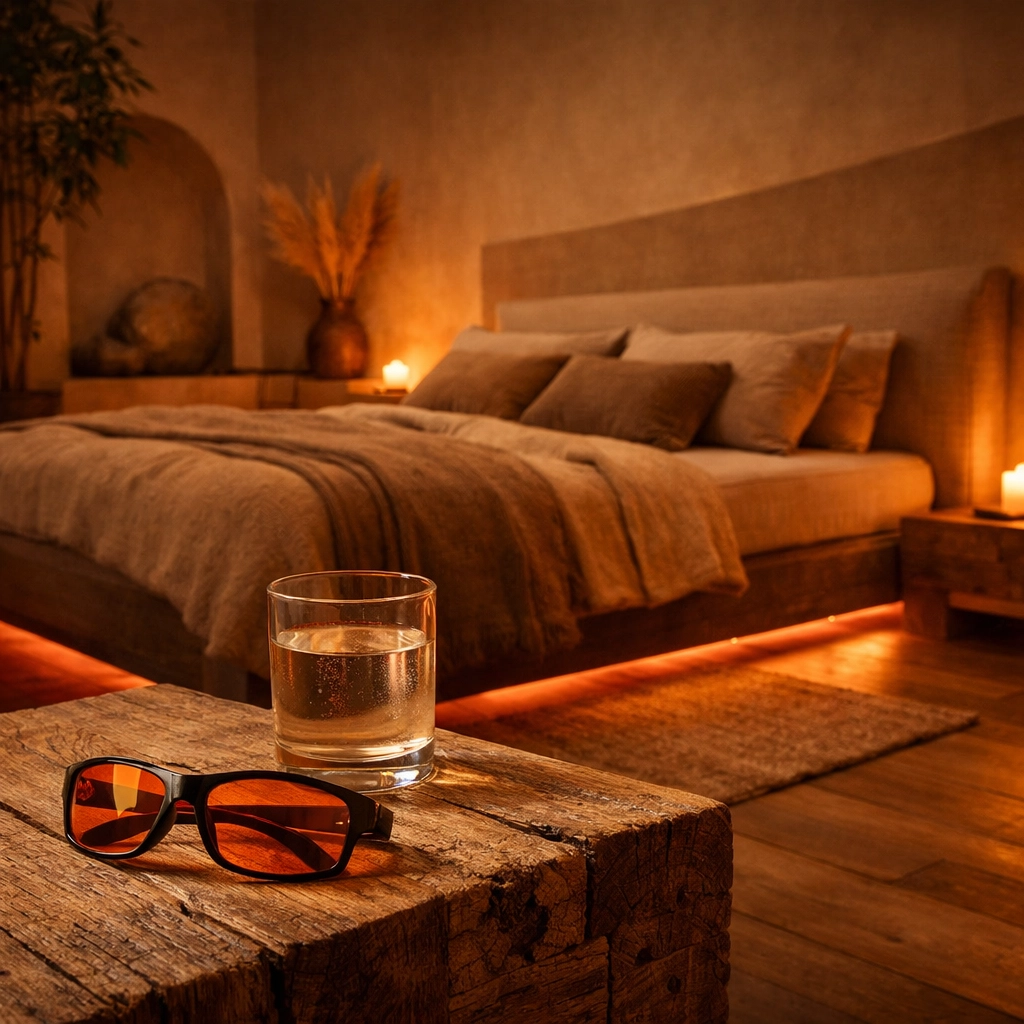
- Action: Use "Night Shift" or "Blue Light Filter" apps, but understand they only reduce blue light by about 30-60%. For true protection, use high-quality orange-tinted blue-light blocking glasses that specifically target the 450-500nm range. Look for laboratory-tested brands; most "clear" blue-light glasses are marketing gimmicks with less than 10% filtration of the problematic wavelengths.
Step 4: The Zero-Lux Bedroom
Even dim light: as low as 8 lux: can interfere with your sleep cycles.
- Action: Invest in blackout curtains and cover all standby LEDs on electronics (chargers, routers, smoke detectors). If you must have a nightlight, use a red bulb, as red light has the least impact on melatonin secretion.
Emerging Tech: The Future of Light Management
As we move further into 2026, technology is finally catching up with our biological needs. We are seeing a rise in:
- Circadian Lighting Systems: Smart home hubs that automatically transition your entire house's Kelvin temperature based on your local GPS coordinates.
- E-Ink Displays: Tablets and monitors that use reflected light rather than backlighting, virtually eliminating the blue light issue for evening readers.
- Wearable Light Trackers: Devices that measure your cumulative "Lux-hours" and warn you when you haven’t had enough morning sun or too much evening blue light.
Summary and Final Perspective
The impact of blue light on melatonin and mental health is not a minor "lifestyle tip": it is a fundamental pillar of human health. By ignoring our evolutionary biology, we are effectively conducting a massive, uncontrolled experiment on our brains.
Optimizing your light environment is one of the highest-leverage actions you can take for your mental well-being. It requires no expensive supplements and no grueling workouts: just a deliberate return to the rhythms that our bodies have recognized for millions of years. Deep sleep is the foundation of a resilient mind, and deep sleep begins with the absence of blue light.
About the Author: Malibongwe Gcwabaza
CEO of blog and youtube
Malibongwe Gcwabaza is a visionary leader and health optimization strategist dedicated to bridging the gap between cutting-edge science and daily wellness. With a focus on longevity, bio-monitoring, and the intersection of technology and human biology, Malibongwe provides actionable insights for high-performers looking to optimize their mental and physical output. Under his leadership, blog and youtube has become a premier resource for data-driven wellness education in 2026.
About the Author