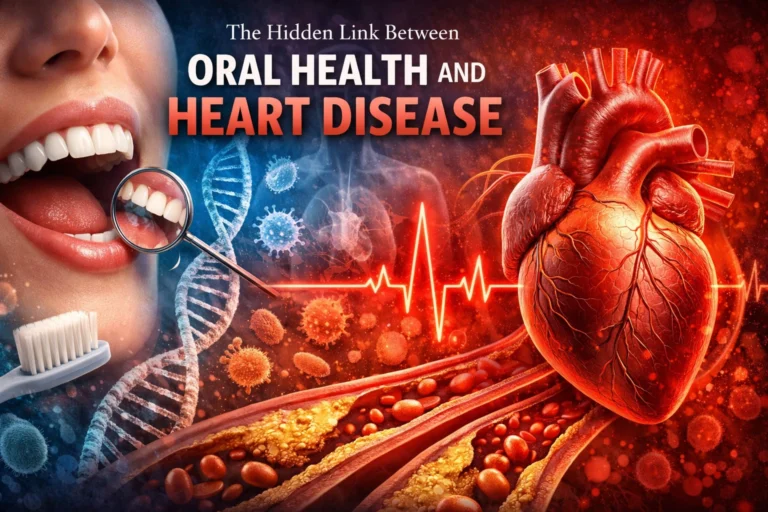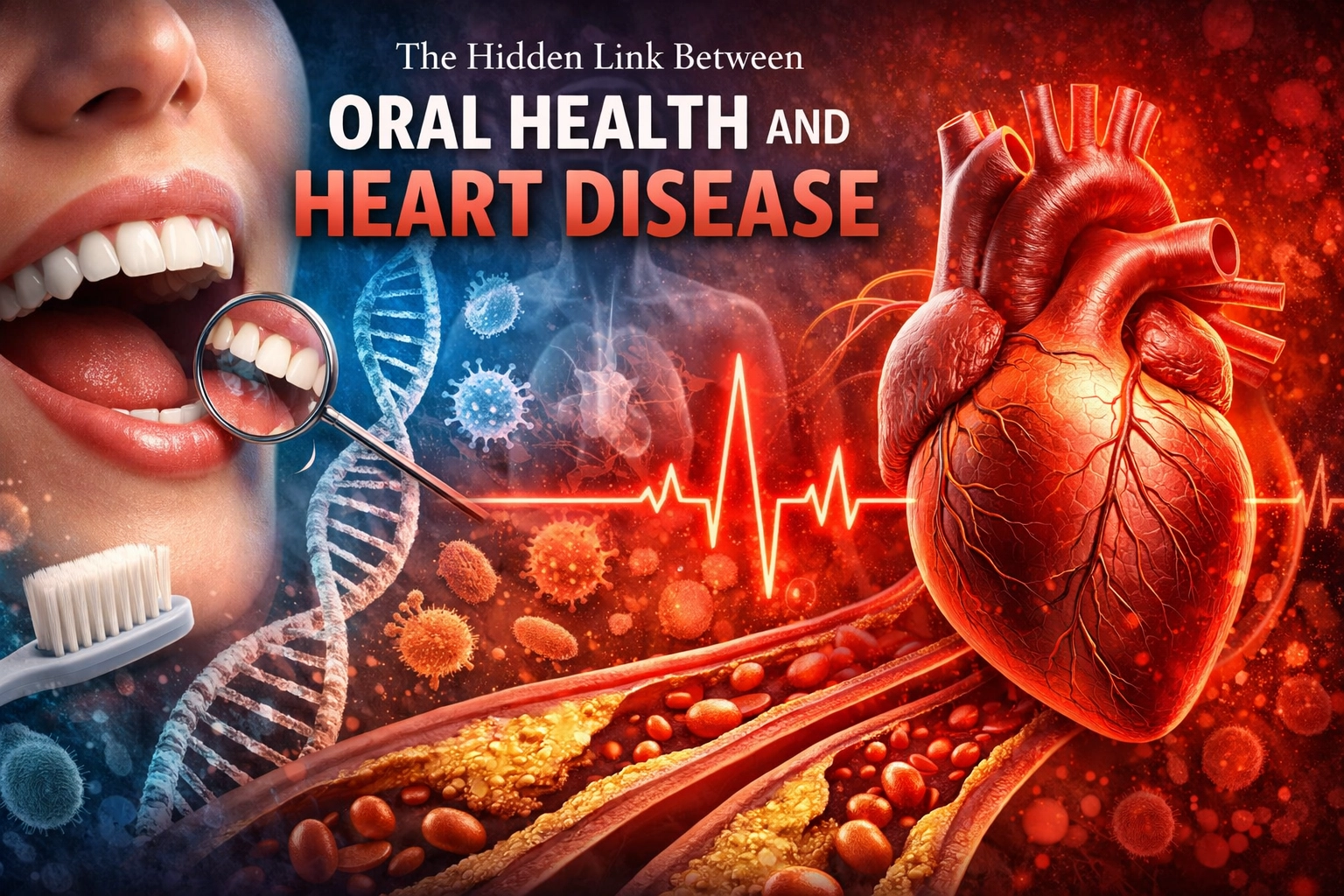
For decades, we’ve treated the mouth and the body as two entirely separate entities. You go to the dentist for your teeth and the cardiologist for your heart. But as we move further into 2026, the medical community is finally embracing a hard truth: the "blood-brain barrier" and the "gut-lung axis" aren't the only critical connections we need to worry about. The "Oral-Systemic Link" is proving to be one of the most significant predictors of long-term cardiovascular health.
If you have bleeding gums, you aren’t just looking at a potential cavity; you might be looking at an early warning sign of a heart attack. Research now shows that individuals with periodontal (gum) disease are roughly 28% more likely to experience a first-time myocardial infarction.
This isn't just about "bad luck" or poor hygiene. It’s about a complex biological highway where bacteria, inflammatory markers, and immune responses travel from your jawline directly to your coronary arteries. This guide dives deep into the science of how your mouth dictates the rhythm of your heart.
The Three Pillars of the Oral-Heart Connection
To understand why a dentist might save your life, we have to look at the three primary mechanisms that link oral pathogens to heart disease: the Bacterial Highway, the Inflammatory Response, and Platelet Aggregation.
1. The Bacterial Highway (Direct Infection)
Your mouth is home to over 700 species of bacteria. Most are harmless, but when gum disease (periodontitis) takes hold, the gum tissue becomes ulcerated. This creates a literal gateway into your bloodstream.
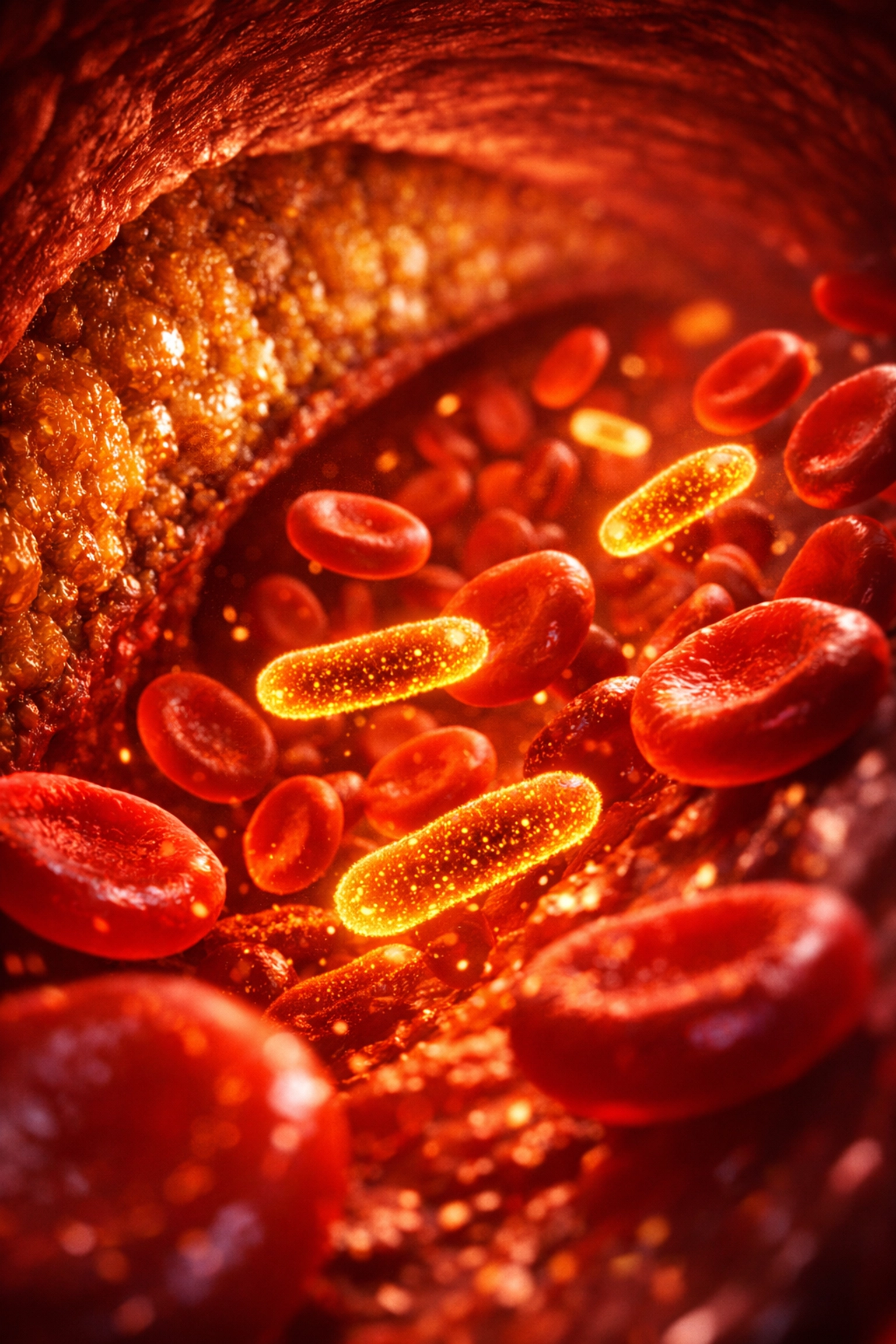
Pathogens like Porphyromonas gingivalis (the primary driver of gum disease) don't stay in the mouth. Once they enter the blood, they can travel to the heart. Researchers have actually found remnants of oral bacteria embedded within the fatty plaques (atherosclerosis) of patients' arteries. Once there, these bacteria can attach to the inner lining of the heart (endocarditis) or cause the walls of the arteries to thicken and harden.
2. The Chronic Inflammatory Response
Heart disease is increasingly understood as a disease of chronic inflammation. When your body is constantly fighting an infection in your gums, your liver produces C-reactive protein (CRP).
CRP is a biomarker of systemic inflammation. If your CRP levels are high due to gum disease, those inflammatory markers circulate through your entire vascular system. This sustained state of "fire" causes the blood vessels to become less flexible (endothelial dysfunction) and more prone to damage, making it much easier for cholesterol to stick to the arterial walls.
3. The "Clot" Factor: Platelet Aggregation
Certain oral bacteria, specifically Streptococcus sanguis, have a unique and dangerous ability. They can mimic the proteins that tell your blood to clot. When these bacteria enter the bloodstream, they can trigger your platelets to clump together. If these clumps form in a narrowed artery, they create a blockage: the immediate precursor to a stroke or heart attack.
Data-Driven Insights: Quantifying the Risk
The numbers behind this connection are startling. While we once thought the link was coincidental, the data from the last few years has solidified the correlation.
| Condition | Cardiovascular Risk Increase | Key Biomarker |
|---|---|---|
| Gingivitis (Early stage) | 10-15% | Mildly elevated CRP |
| Periodontitis (Advanced) | 28-35% | High CRP + Bacterial DNA in Arteries |
| Tooth Loss (5+ teeth) | 40% | Systemic Inflammation |
| Edentulism (No teeth) | 60%+ | Significant lifestyle/metabolic overlap |
Source: Aggregated data from 2024-2026 Longitudinal Health Studies.
Correlation vs. Causation: The "Smoking" Variable
It is important to maintain scientific rigor here. While the link is undeniable, experts often debate whether poor oral health causes heart disease or if both are symptoms of the same lifestyle.
A landmark 2018 study of nearly a million people found that when researchers adjusted for smoking, the link between tooth loss and heart disease weakened. This suggests that shared risk factors play a massive role:
- Smoking: Damaging to both gum tissue and arterial linings.
- Diet: High-sugar diets fuel oral bacteria and systemic metabolic dysfunction.
- Socioeconomic Factors: Access to dental care often mirrors access to high-quality nutrition and preventative medicine.
However, even when these factors are controlled, a significant "residual risk" remains that points directly back to the bacteria themselves.

The Lifelong Impact: It Starts in Childhood
We often think of heart disease as a "middle-age problem," but the groundwork is laid decades earlier. Emerging research indicates that children with chronic oral infections show early signs of atherosclerosis (thickening of the arteries) by the time they reach adulthood.
If a child's immune system is constantly occupied by oral inflammation, the vascular system begins to age prematurely. This makes oral hygiene not just a cosmetic necessity for kids, but a foundational pillar of pediatric cardiovascular prevention.
The 2026 Guide to a Heart-Healthy Mouth
Simply "brushing more" isn't enough to mitigate the cardiovascular risks of oral pathogens. You need a targeted, biological approach to oral care.
1. Microbiome Testing
In 2026, we no longer guess which bacteria are in our mouths. At-home oral microbiome kits allow you to swab your saliva and receive a report on the levels of P. gingivalis and other "red complex" pathogens. If these are high, you need more than a standard cleaning; you may need targeted antimicrobial therapy.
2. The "Non-Negotiable" Daily Routine
- Electric Toothbrushes with Pressure Sensors: Manual brushing often misses the subgingival (under the gum) areas where heart-threatening bacteria hide.
- Interdental Cleaning (Flossing is NOT enough): Use interdental brushes or high-powered water flossers. The "gap" between teeth is where the bacterial highway begins.
- Tongue Scraping: Your tongue acts as a reservoir for volatile sulfur compounds and bacteria that contribute to systemic inflammation.
3. Nutritional Support for Gums and Heart
What you eat can strengthen the attachment between your gums and teeth, making it harder for bacteria to enter the blood.
- CoQ10: Essential for mitochondrial health in the heart, but also shown to reduce gum bleeding and inflammation.
- Vitamin K2 (MK-7): Helps direct calcium into the bones and teeth rather than letting it calcify in the arteries.
- Nitrate-Rich Vegetables: Celery, beets, and leafy greens boost nitric oxide in the mouth, which kills pathogenic bacteria and relaxes blood vessels.

Checklist: Is Your Mouth Putting Your Heart at Risk?
If you answer "Yes" to more than two of these, your oral health may be a significant cardiovascular risk factor:
- Do your gums bleed when you brush or floss?
- Have you been told you have "pockets" deeper than 3mm during a dental exam?
- Do you have persistent bad breath (halitosis) despite brushing?
- Have you lost one or more permanent teeth due to decay or gum issues?
- Do you have a family history of heart disease AND gum disease?
Final Thoughts: The Mouth is the Mirror
Your mouth is the most accessible window into your internal health. You can't easily see the plaque building up in your arteries, but you can see the plaque on your teeth and the inflammation in your gums.
By treating periodontitis as a systemic threat rather than a local nuisance, you aren't just saving your smile; you are actively protecting your heart’s longevity. In the era of personalized wellness, your dentist should be considered a vital member of your cardiovascular care team.
About the Author
Dr. Aris Thorne is a Senior Clinical Researcher specializing in the oral-systemic connection. With over 15 years of experience in restorative dentistry and a Master’s in Cardiovascular Epidemiology, Dr. Thorne focuses on how lifestyle interventions and microbiome management can extend human healthspan. He is a frequent contributor to the Journal of Longevity Science and a consultant for leading wellness-tech firms in the 2026 health space.
About the Author