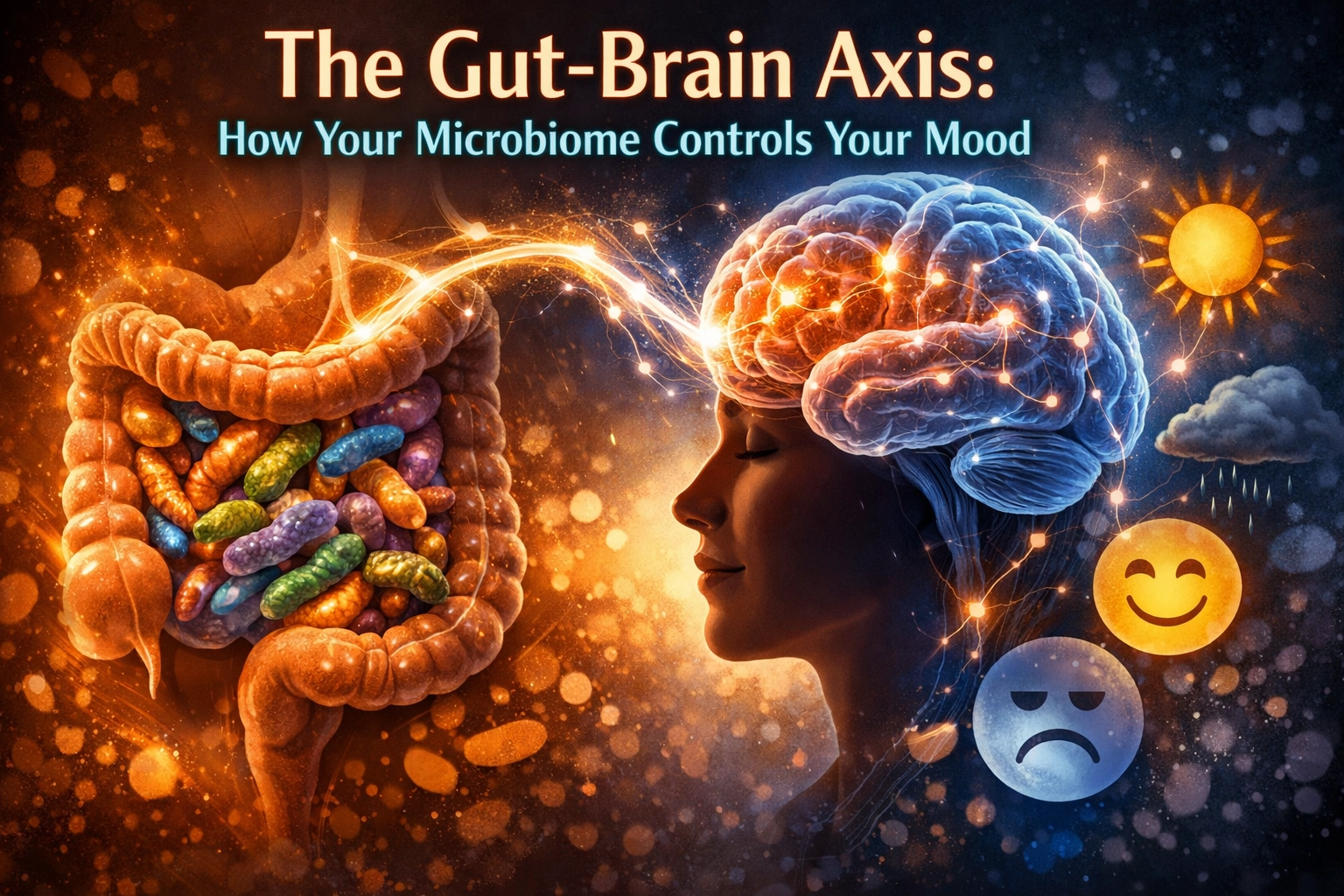
For decades, we believed the brain was the undisputed commander-in-chief of the human body. It sent the orders, and the organs followed. However, as we move into 2026, the scientific community has fully embraced a much more complex reality: your gut is essentially a "second brain."
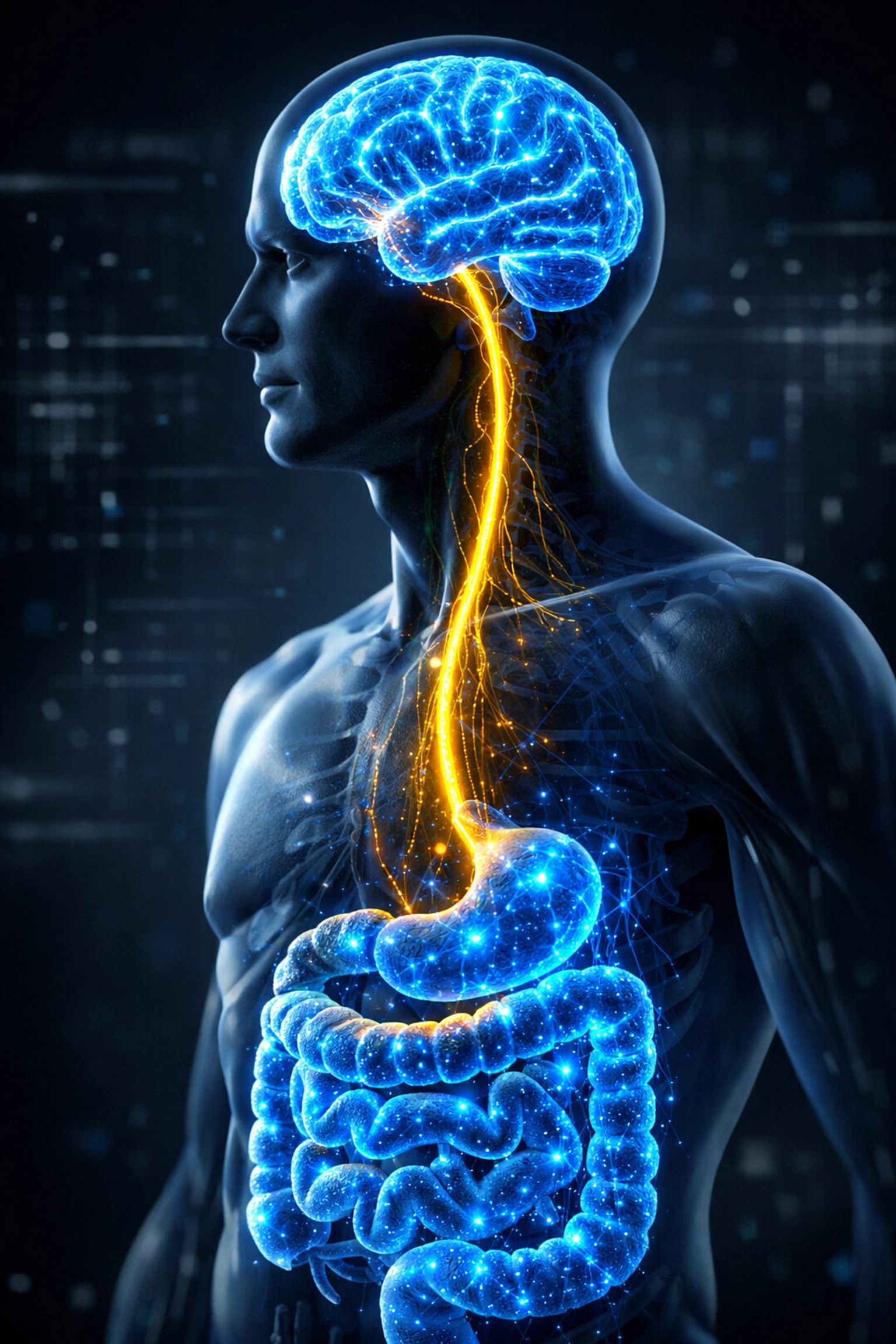
The gut-brain axis (GBA) is a sophisticated, bidirectional communication network that links your enteric nervous system (the nervous system of your gut) with your central nervous system. This isn't just about digestion or "butterflies in your stomach." The trillions of bacteria living in your digestive tract: collectively known as the microbiome: directly influence your emotional state, your resilience to stress, and even your risk of clinical depression and anxiety.
Understanding this connection is no longer just for biohackers or researchers; it is the cornerstone of modern mental health and longevity.
The Physical and Chemical Architecture of the Axis
To understand how a colony of bacteria in your colon can change how you feel on a Tuesday morning, we have to look at the "wiring" of the body. The communication happens through four primary pathways:
1. The Vagus Nerve: The Information Superhighway
The vagus nerve is the longest nerve of the autonomic nervous system, stretching from the brainstem all the way to the lowest organs of the abdomen. Think of it as a high-speed fiber-optic cable. While the brain sends signals down to the gut, roughly 80–90% of the fibers in the vagus nerve are actually sending sensory information from the gut to the brain.
2. The HPA Axis: The Stress Circuit
The Hypothalamic-Pituitary-Adrenal (HPA) axis is your body’s primary stress response system. When you experience stress, your brain triggers the release of cortisol. Your gut microbiome plays a critical role in "tuning" this system. A healthy microbiome helps dampen the HPA response, preventing you from staying in a state of chronic high alert, whereas an imbalanced gut can keep the HPA axis stuck in the "on" position.
3. Neurotransmitter Production
Perhaps the most shocking technical insight is that your gut is a chemical factory.
- Serotonin: Approximately 95% of the body's serotonin: the "feel-good" hormone: is produced in the gut. While gut-derived serotonin doesn't cross the blood-brain barrier directly, it influences the signaling pathways that tell your brain how to regulate mood.
- GABA: Certain strains of Lactobacillus and Bifidobacterium produce Gamma-aminobutyric acid (GABA), the primary inhibitory neurotransmitter that helps control feelings of fear and anxiety.
4. Short-Chain Fatty Acids (SCFAs)
When your gut bacteria ferment dietary fiber, they produce metabolites called Short-Chain Fatty Acids (notably butyrate, propionate, and acetate). These SCFAs are powerful signaling molecules. Butyrate, in particular, is known to strengthen the blood-brain barrier and has anti-inflammatory effects within the brain itself.
Microbiome Diversity: The Metric for Mental Health
In 2026, we categorize gut health not just by the presence of "good" bacteria, but by microbial diversity. A lack of diversity is a hallmark of "dysbiosis": an imbalance that has been linked to several mental health conditions.
Comparison: Healthy vs. Dysbiotic Gut-Brain Signaling
| Feature | Healthy Microbiome | Dysbiotic Microbiome (Imbalanced) |
|---|---|---|
| Vagus Nerve Tone | High (High Resilience) | Low (Poor Stress Recovery) |
| Intestinal Barrier | Strong ("Tight Junctions") | Weak ("Leaky Gut") |
| Inflammation | Low/Systemic Control | High (Chronic Pro-inflammatory) |
| Neurotransmitter Output | Balanced Serotonin/GABA | Depleted or Irregular Production |
| Mood State | Stable, Resilient | Anxious, Depressive, "Brain Fog" |
The Role of "Psychobiotics"
The term "psychobiotics" refers to live organisms (probiotics) or substances (prebiotics) that, when ingested in adequate amounts, produce a health benefit in patients suffering from psychiatric illness. Recent clinical trials have shown that specific strains can behave similarly to traditional antidepressants or anxiolytics without the same side-effect profile.
- Lactobacillus helveticus & Bifidobacterium longum: These have been shown in double-blind studies to reduce cortisol levels and decrease self-reported anxiety.
- Lactobacillus rhamnosus: In animal models, this strain has been found to physically alter the expression of GABA receptors in the brain via the vagus nerve, effectively "calming" the nervous system.
Inflammaging and the "Leaky Brain"
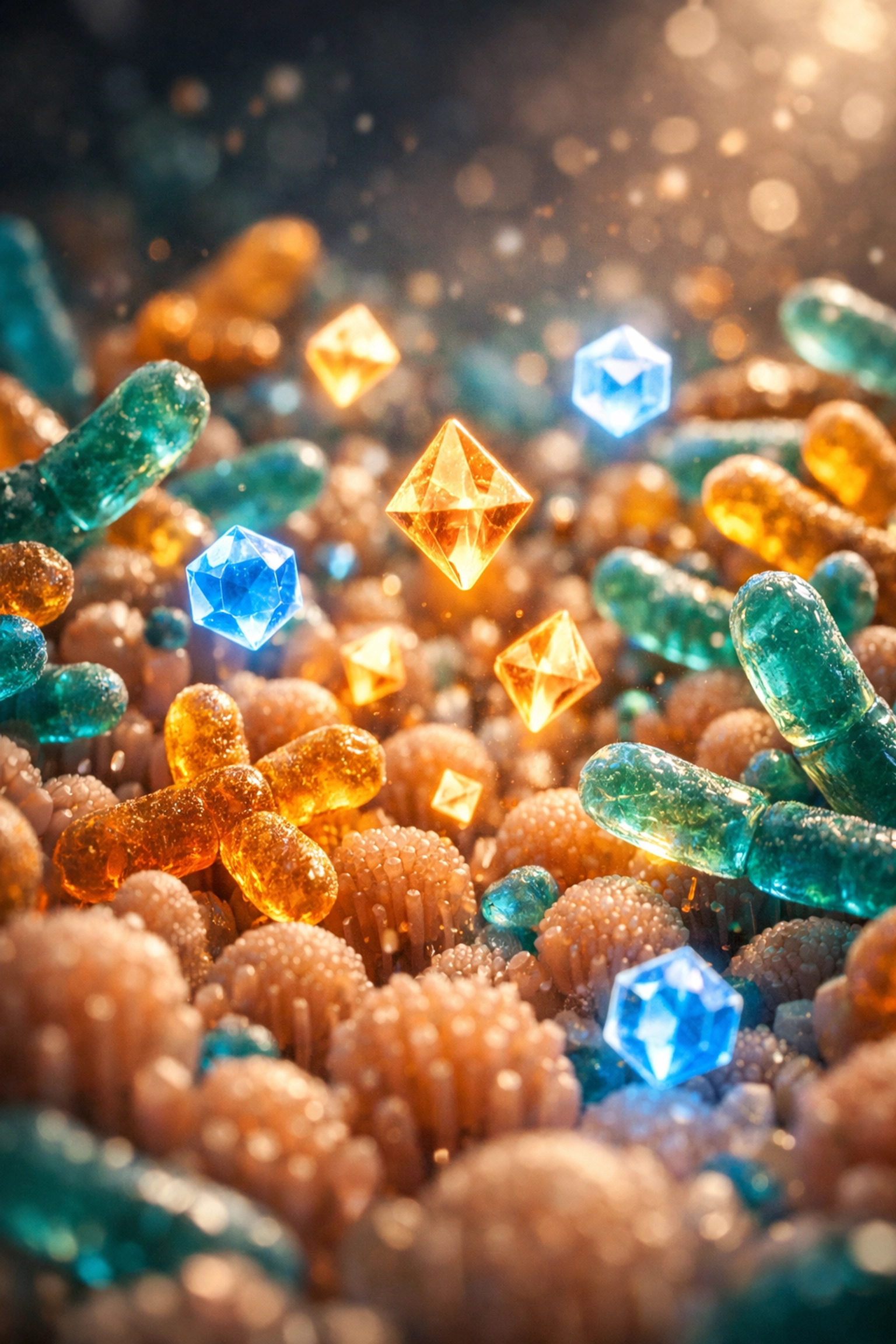
One of the most critical deep-dive topics in the gut-brain axis is the concept of intestinal permeability, or "Leaky Gut." When the lining of your gut becomes compromised (often due to poor diet, chronic stress, or environmental toxins), inflammatory markers and lipopolysaccharides (LPS): toxins found on the outer membrane of certain bacteria: leak into the bloodstream.
This triggers a systemic immune response. When these inflammatory cytokines reach the brain, they can trigger "neuroinflammation." This is a primary driver of:
- Anhedonia: The inability to feel pleasure.
- Cognitive Decline: Often referred to as "brain fog."
- Chronic Fatigue: The brain’s way of forcing the body to "rest" to deal with the perceived infection.
Strategic Optimization: How to Feed Your Mood
To optimize your gut-brain axis, you must move beyond generic health advice. In 2026, we use a three-pronged approach: Prebiotics, Probiotics, and Lifestyle Signaling.
1. The Fiber Revolution (Prebiotics)
Bacteria don't just need to be introduced; they need to be fed. Prebiotics are non-digestible fibers that act as fuel.
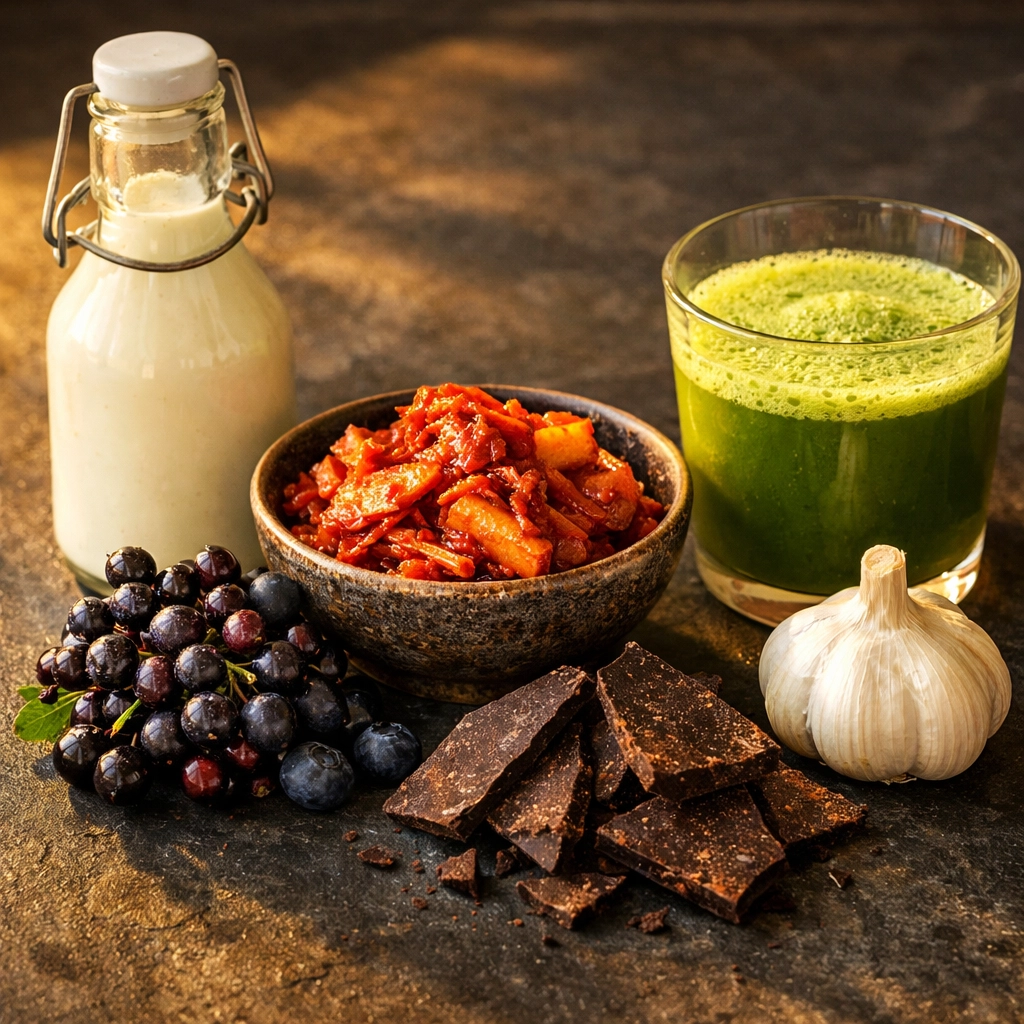
- Inulin: Found in chicory root, garlic, and onions.
- Resistant Starch: Found in cooked and cooled potatoes or green bananas.
- Polyphenols: Found in dark chocolate (85%+), berries, and green tea. These act as "prebiotic-like" substances that encourage the growth of beneficial species.
2. Targeted Fermentation
Incorporating fermented foods is the most natural way to introduce a wide variety of bacterial strains.
- Kefir: Contains up to 30 different strains of bacteria and yeast.
- Sauerkraut and Kimchi: Provide organic acids and probiotics that support the intestinal barrier.
- Kombucha: High in acetic acid, which supports metabolic flexibility.
3. Vagal Tone Exercises
Since the vagus nerve is the physical link, you can "work it out" like a muscle.
- Cold Exposure: Cold plunging or cold showers stimulate the vagus nerve and lower the "fight or flight" response.
- Deep Diaphragmatic Breathing: Slowing your breath to 5-6 breaths per minute signals the gut (and the brain) that you are safe.
- Gargling and Singing: The vagus nerve passes through the vocal cords; loud singing or vigorous gargling physically stimulates the nerve.
The Future: Personalized Microbiome Mapping
As we look toward the end of 2026, the "one-size-fits-all" probiotic is becoming obsolete. We are moving toward Personalized Longevity Clinics where your stool is sequenced (16S rRNA sequencing or Shotgun Metagenomics) to identify exactly which species you are missing. If you are low on Akkermansia muciniphila, your doctor might prescribe specific polyphenols to thicken your gut lining and improve your mood.
The data is clear: if you want to fix your mind, you must start with your gut. By nurturing your microbiome, you aren't just improving your digestion: you are upgrading your brain's hardware.
Author Bio: Malibongwe Gcwabaza
Malibongwe Gcwabaza is the CEO and lead strategist at blog and youtube. With over a decade of experience in health-tech and digital wellness, Malibongwe focuses on bridging the gap between complex biotechnological research and everyday lifestyle optimization. He is a firm believer that the future of healthcare is personalized, preventative, and rooted in the synergy between the gut and the mind. When not analyzing the latest longevity data, he can be found practicing Zone 2 training or experimenting with functional fermentation.
References & Data Insights:
- Mayer, E. A. (2025). The Gut-Brain Connection: New Frontiers in Neurobiology.
- Cryan, J. F., & Dinan, T. G. (2026). Psychobiotics and the Future of Mental Health.
- Journal of Clinical Medicine: "Impact of Short-Chain Fatty Acids on Neuroinflammation."
- World Health Organization: "The Global Rise of Microbiome-Related Metabolic Disorders."
About the Author