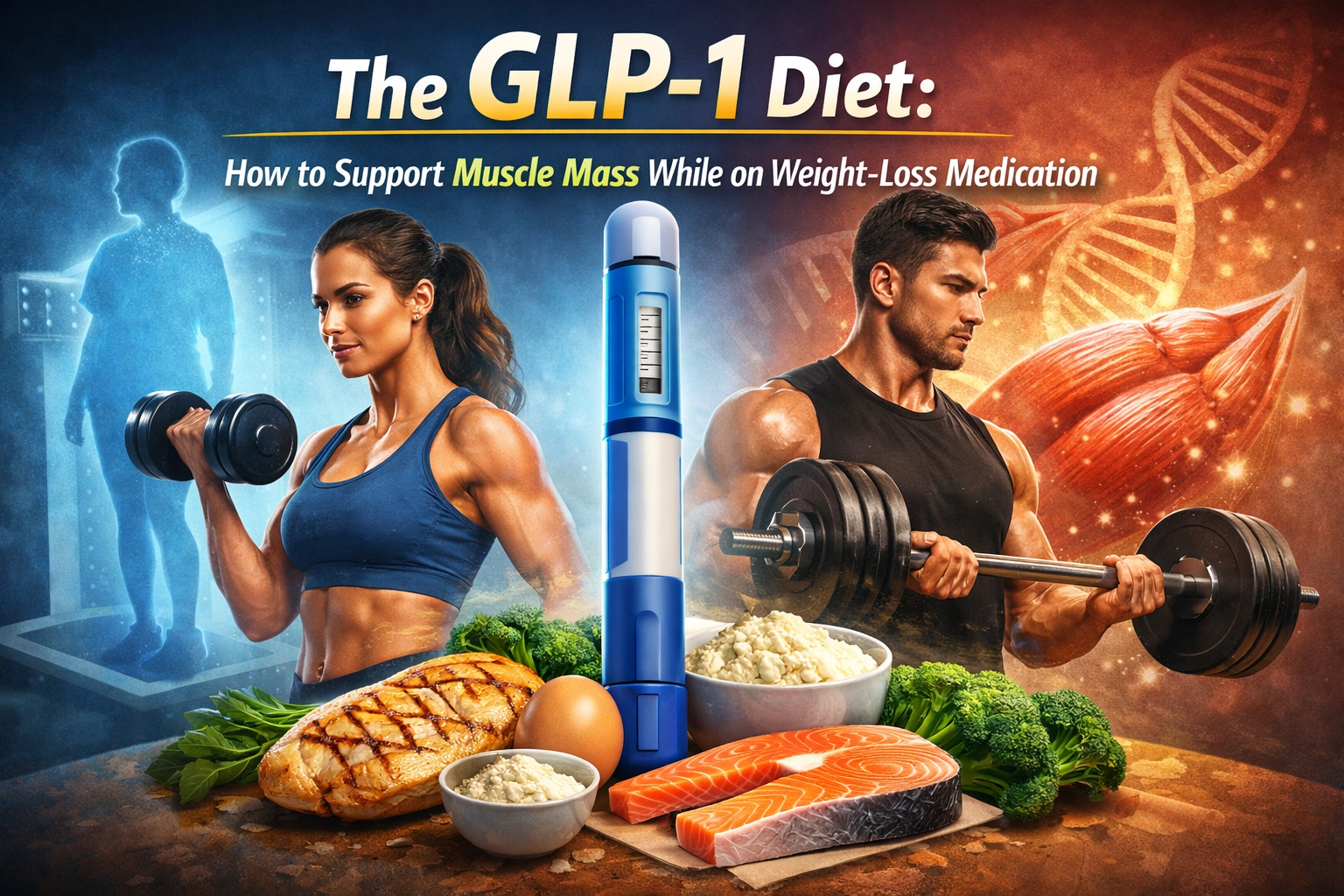
The rise of GLP-1 receptor agonists: like Semaglutide and Tirzepatide: has fundamentally changed the landscape of metabolic health. However, as we move into 2026, a significant clinical challenge has emerged: the preservation of lean muscle mass. While these "miracle drugs" are incredibly effective at shedding fat, early data suggests that without a specific nutritional and physical intervention, up to 40% of the weight lost can come from muscle tissue rather than adipose (fat) tissue.
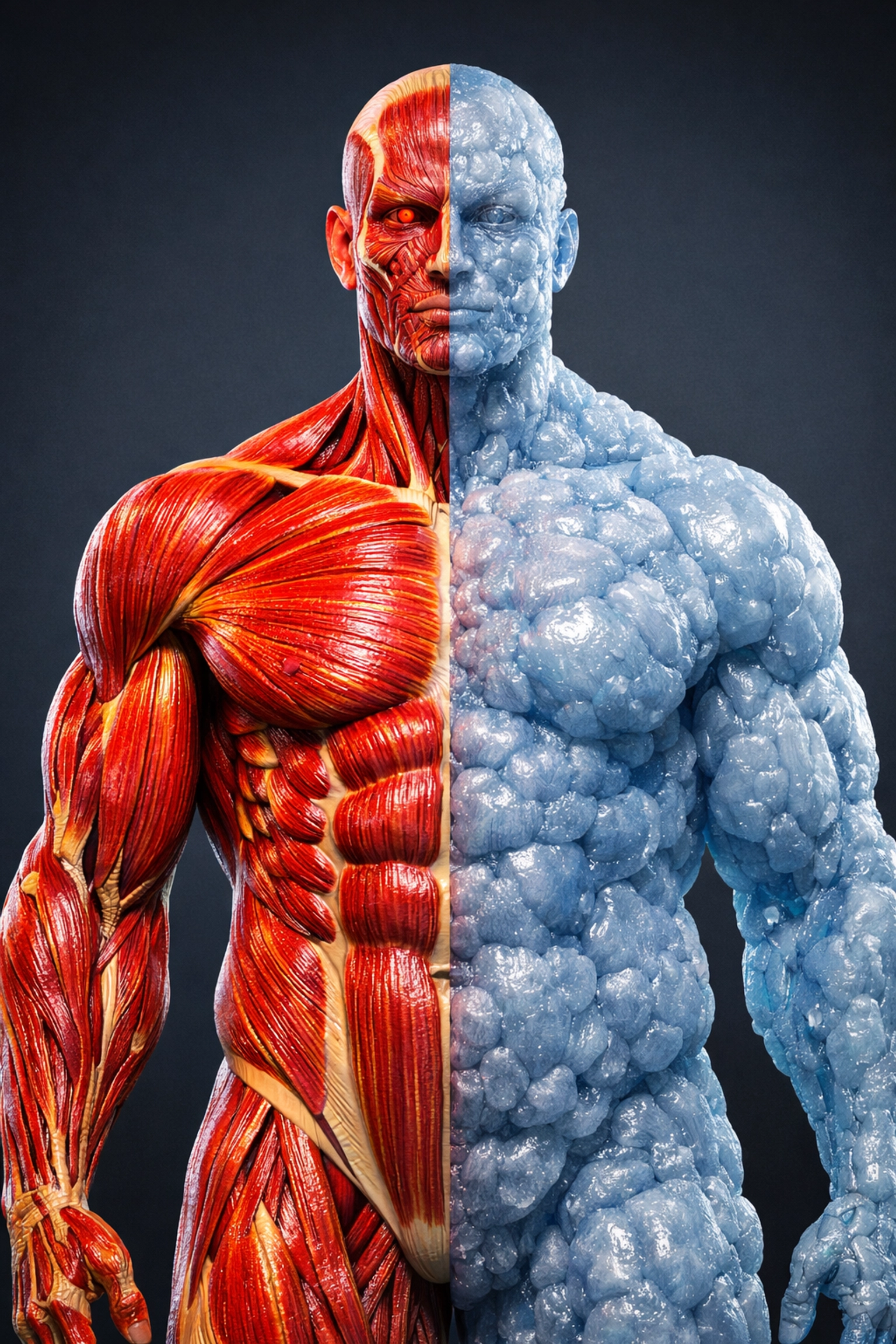
This is more than an aesthetic concern. Muscle is your "longevity currency." It is the primary site for glucose disposal, the engine of your basal metabolic rate, and your physical insurance policy against frailty as you age. Losing muscle while losing weight: a condition often called "sarcopenic obesity" during rapid weight loss: can leave you with a slower metabolism than when you started, making weight maintenance nearly impossible once the medication is tapered.
This guide outlines the "GLP-1 Diet" protocol: a data-driven approach to nutrition and lifestyle designed to maximize fat loss while aggressively protecting your muscle.
The Physiology of Muscle Loss on GLP-1s
To protect muscle, we must understand why it disappears. GLP-1 medications work by slowing gastric emptying and signaling satiety to the brain. This leads to a massive spontaneous reduction in caloric intake. When the body is in a significant energy deficit, it looks for fuel. If protein intake is low and stimulus (exercise) is absent, the body breaks down muscle tissue via a process called gluconeogenesis to provide the brain with the glucose it needs.
Furthermore, GLP-1s can lead to "appetite apathy," where patients simply forget to eat or find high-protein foods (like steak or chicken) unappealing due to changes in taste or nausea. This creates a perfect storm for muscle wasting.
The Protein-Sparing Framework
The cornerstone of the GLP-1 Diet is a high-protein, protein-sparing approach. In a caloric deficit, your protein requirements actually increase compared to when you are eating at maintenance.
1. Calculating Your Target
Generic "RDA" guidelines (0.8g per kg of body weight) are insufficient for anyone on weight-loss medication. In 2026, the clinical consensus for GLP-1 patients is a range of 1.2 to 2.0 grams of protein per kilogram of ideal body weight.
The Simplified Formula:
Aim for 1 gram of protein per pound of target body weight. If your goal weight is 150 lbs, your daily protein floor is 150 grams.
2. Protein Distribution and Leucine Threshold
It is not enough to hit your total daily number at dinner. To trigger Muscle Protein Synthesis (MPS), you need to hit the "Leucine Threshold": approximately 2.5 to 3 grams of the amino acid leucine per meal. This usually equates to 30–40 grams of high-quality protein per sitting.
| Protein Source | Amount for ~30g Protein | Leucine Content (Approx) |
|---|---|---|
| Chicken Breast | 100g | 2.6g |
| Whey Protein Isolate | 1 Scoop (35g) | 3.0g |
| Greek Yogurt (0%) | 250g | 2.5g |
| Tempeh | 160g | 2.4g |
| Egg Whites | 8 Large | 2.8g |
Resistance Training: The Essential Signal
Nutrition provides the bricks, but resistance training provides the blueprint. Without a mechanical signal telling the body that muscle is "necessary for survival," the body will prioritize shedding it to save energy.
For GLP-1 users, the goal of training shifts from "burning calories" to "preserving tissue."
- Frequency: Minimum of 3 days per week of dedicated resistance training.
- Intensity: Focus on compound movements (squats, deadlifts, presses, rows) that recruit multiple muscle groups.
- Volume: 2–3 sets per exercise, taken within 1–2 reps of failure.
Because GLP-1s can reduce overall energy levels, "Micro-Workouts" or "Exercise Snacking" are highly effective. Breaking a 45-minute session into three 15-minute bouts throughout the day can help manage the fatigue often associated with these medications.

Managing the "GLP-1 Side Effect" Barrier
The biggest hurdle to muscle preservation is the side effects: nausea, acid reflux, and extreme satiety. If you can’t eat, you can’t protect your muscle.
Strategies for High Satiety
- Liquid Nutrition: When solid food feels impossible, high-quality whey or collagen-plus-tryptophan shakes are essential.
- Front-Load Protein: Always eat your protein source first. If you get full halfway through the meal, make sure the fiber and starches are what get left behind, not the protein.
- Digestive Enzymes: Because GLP-1s slow digestion, some users find that supplemental digestive enzymes help reduce the "heavy" feeling in the stomach, allowing for more consistent protein intake.
The Role of Micronutrients and Hydration
Rapid weight loss places a burden on the gallbladder and kidneys. Furthermore, GLP-1 medications can alter electrolyte balance.
- Hydration: Aim for 3 liters of water daily. Since GLP-1s reduce the "thirst" signal, you must hydrate on a schedule, not by intuition.
- Electrolytes: Supplement with Sodium, Potassium, and Magnesium. This prevents the "Ozempic flu": the fatigue and headaches often caused by glycogen depletion and water loss.
- Creatine Monohydrate: This is the most researched supplement in history. In 2026, we view it as a longevity essential, not just for bodybuilders. 5g daily helps maintain cellular hydration and supports muscle force production even in a deficit.
Metabolic Flexibility and Carbohydrate Management
While protein is the priority, "Zero Carb" is rarely the answer. You need a baseline of glucose or ketones to fuel the brain and spare protein.
A Metabolic Flexibility approach involves:
- Low-Glycemic Carbs: Berries, leafy greens, and cruciferous vegetables provide fiber (essential for preventing GLP-1 induced constipation) without spiking insulin excessively.
- Peri-Workout Carbs: If you are performing high-intensity resistance training, consuming 20–30g of fast-acting carbohydrates 30 minutes prior can improve performance and further protect muscle glycogen.
Monitoring Progress: Beyond the Scale
The standard bathroom scale is your worst enemy on a GLP-1 journey. If the scale drops 5 lbs, but 3 of those lbs are muscle, your health has technically regressed.
In 2026, we recommend the following monitoring tools:
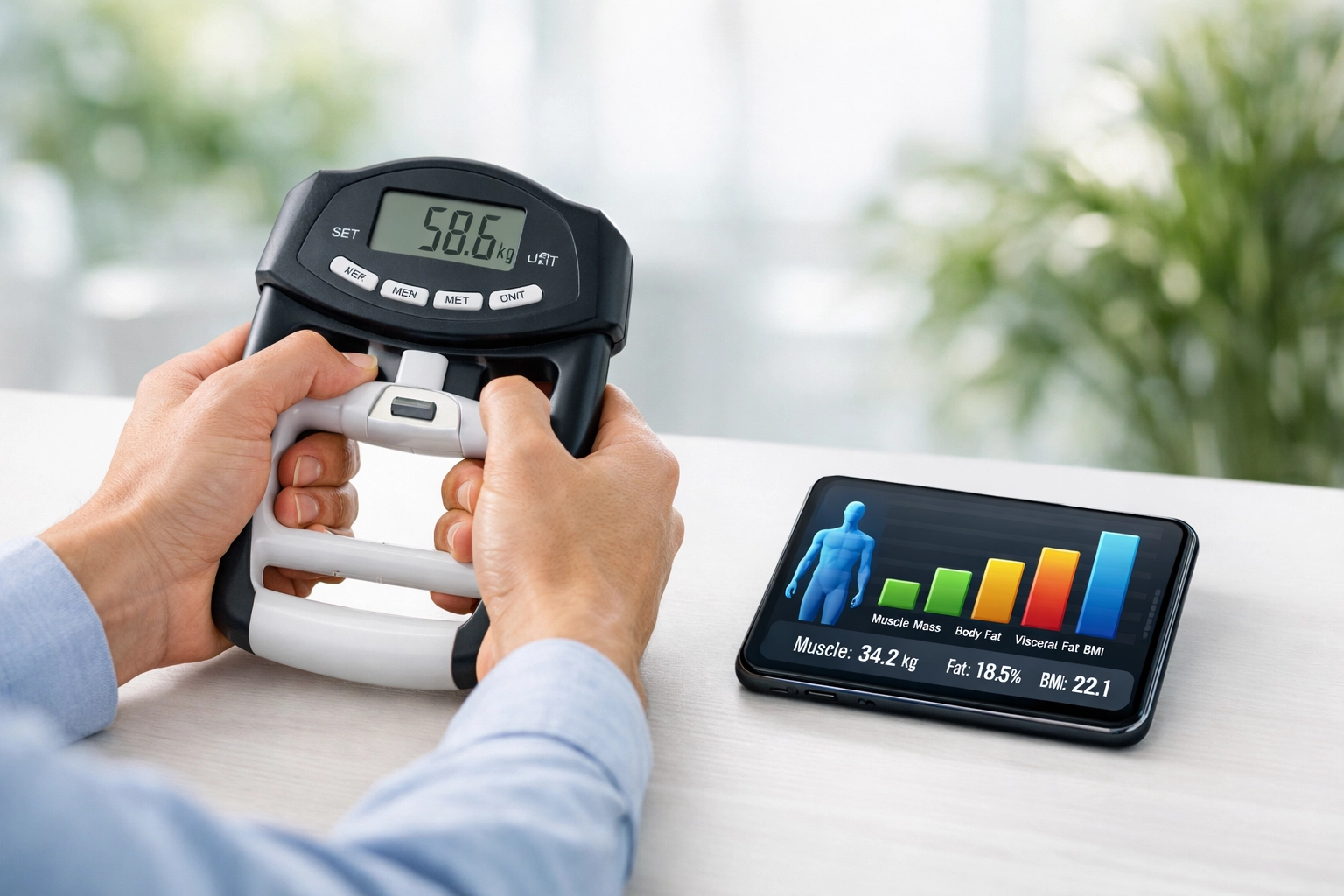
- DEXA Scan: The gold standard for measuring visceral fat vs. lean mass. Perform one every 3 months.
- Bioelectrical Impedance (BIA): Smart scales (like Withings or InBody) are less accurate than DEXA but great for tracking trends in muscle mass.
- Grip Strength: A simple dynamometer test. If your grip strength is declining, you are likely losing muscle and need to increase protein or resistance intensity.
Sample "Muscle-Sparing" Day on GLP-1
- Upon Waking: 500ml water with electrolytes + 5g Creatine.
- Breakfast: 1 cup Greek yogurt with 1 scoop Whey protein stirred in (Total: 45g protein).
- Lunch: 4 oz Grilled Salmon over a large bed of arugula and cucumber (Total: 25g protein).
- Afternoon Snack: 2 Hard-boiled eggs or a handful of lupini beans (Total: 12-15g protein).
- Dinner: 5 oz Lean ground turkey or tofu stir-fry with broccoli (Total: 30-35g protein).
- Pre-Bed (Optional): Casein protein shake or collagen peptides to support overnight tissue repair.
Summary
Weight-loss medications are powerful tools, but they are not a "free lunch." The "GLP-1 Diet" requires a shift in mindset: you are no longer eating to lose weight: the medication is handling that. You are now eating to build and protect muscle. By hitting your protein targets, prioritizing heavy lifting, and monitoring your body composition, you can ensure that the "new you" is not just smaller, but stronger and more metabolically resilient.
Author Bio: Malibongwe Gcwabaza
Malibongwe Gcwabaza is the CEO of blog and youtube and a leading voice in the 2026 longevity and bio-monitoring space. With a focus on the intersection of pharmacology and functional fitness, Malibongwe advocates for a "Data-First" approach to health. When not analyzing the latest GLP-1 clinical trials, he can be found practicing what he preaches in the weight room or exploring the latest in neuro-wellness. His mission is to simplify complex medical science into actionable protocols for the modern high-performer.
About the Author