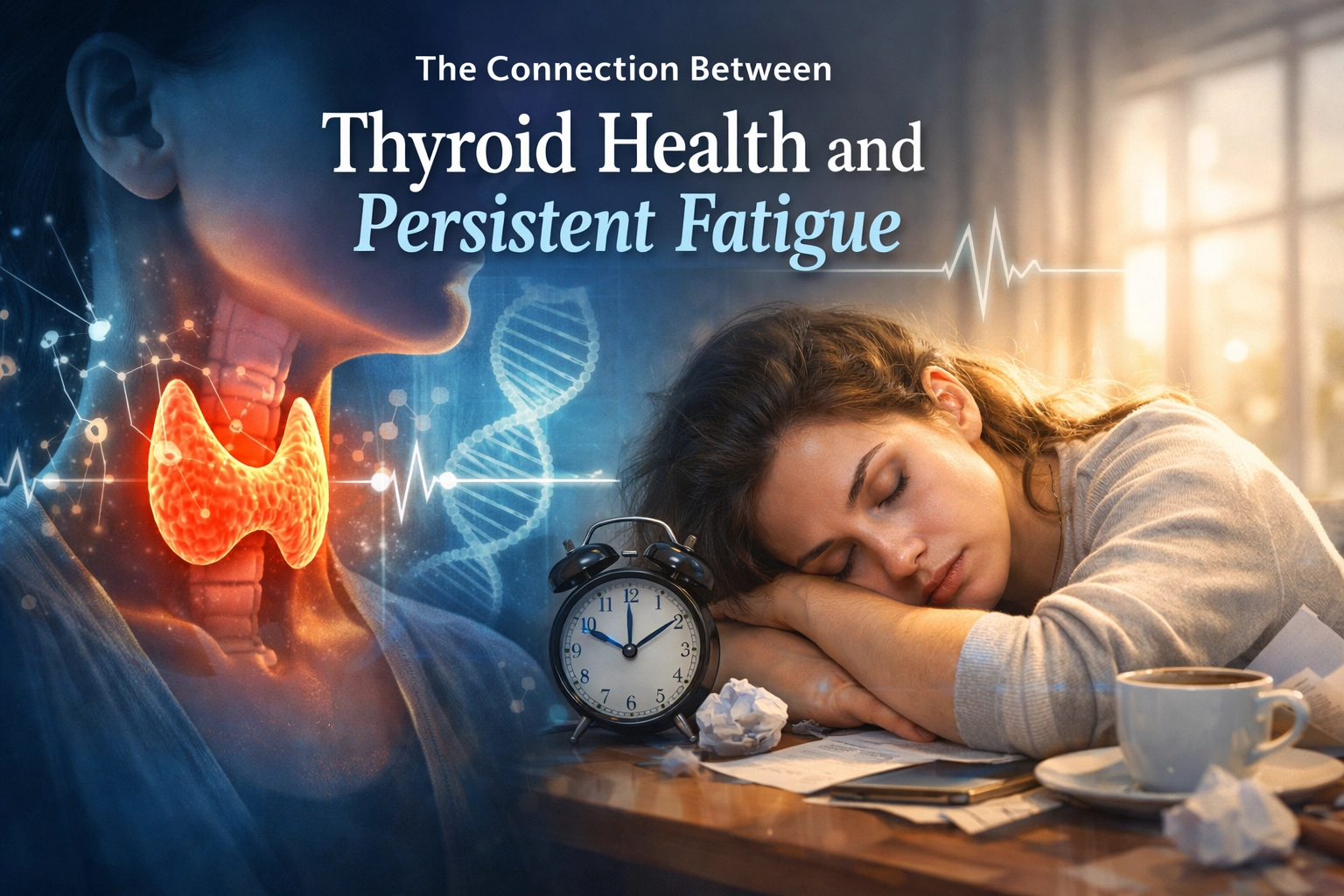
In 2026, we are more "connected" than ever, yet record numbers of people report feeling physically and mentally unplugged. While the "hustle culture" of the early 2020s has largely been replaced by a focus on longevity and bio-hacking, one culprit remains the leading cause of unexplained exhaustion: the thyroid gland.
If you’ve ever felt like your "battery" simply won't hold a charge: despite sleeping eight hours, drinking enough water, and hitting your macros: you aren't just lazy. You might be dealing with a metabolic mismatch. The thyroid is essentially the master controller of your body's internal combustion engine. When it falters, every system from your brain to your biceps slows down.
The Thyroid: Your Body’s Master Thermostat
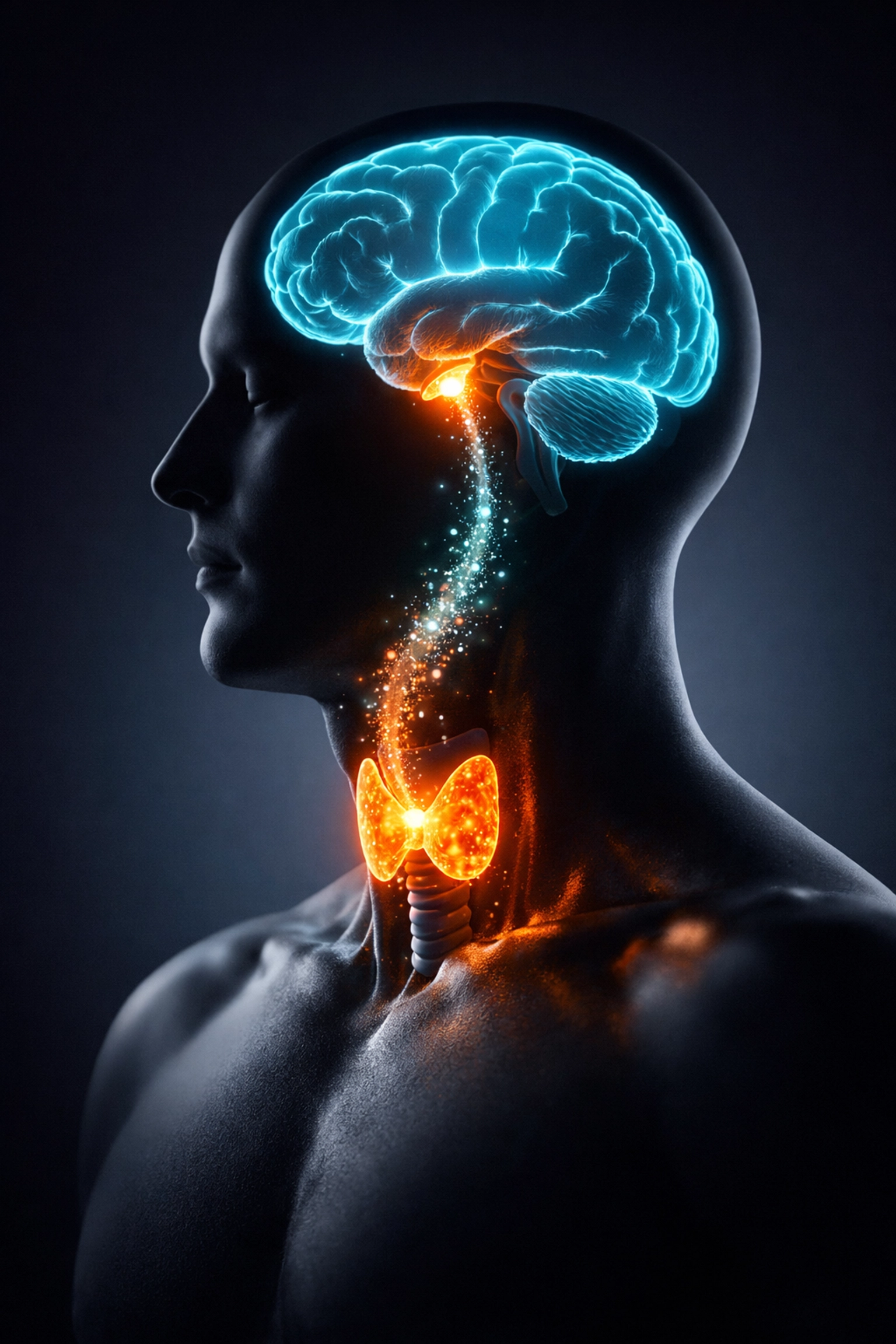
To understand fatigue, you must first understand the HPT (Hypothalamic-Pituitary-Thyroid) axis. Think of your thyroid as a furnace and your brain as the thermostat.
- The Brain (Hypothalamus/Pituitary): Senses the "temperature" of your metabolism. If energy is low, it releases Thyroid Stimulating Hormone (TSH).
- The Gland (Thyroid): Receives the TSH signal and produces hormones: primarily T4 (thyroxine) and a small amount of T3 (triiodothyronine).
- The Conversion: T4 is the "storage" hormone. Your liver and peripheral tissues must convert it into T3, which is the "active" hormone that enters your cells to spark energy production.
Fatigue happens when this chain breaks. You might have enough T4, but if your body can't convert it to T3, your cells stay in "power-save mode."
Why Thyroid Fatigue is "Different"
Generic tiredness usually goes away with a nap or a weekend off. Thyroid-related fatigue is a systemic, cellular exhaustion. It is often described as "heavy-limb" fatigue: the feeling that you are walking through waist-deep water or that your muscles are made of lead.
According to 2026 clinical data, over 70% of individuals diagnosed with hypothyroidism cite fatigue as their most debilitating symptom, even after starting standard medication. This suggests that simply "normalizing" lab numbers isn't always enough to restore vitality.
The Two Faces of Thyroid Exhaustion
It seems counterintuitive, but both an underactive and overactive thyroid lead to the same destination: burnout.
| Feature | Hypothyroidism (Underactive) | Hyperthyroidism (Overactive) |
|---|---|---|
| Metabolic State | Too slow; "Engine stalling" | Too fast; "Redlining" |
| Fatigue Type | Constant lethargy, brain fog | Wired but tired; muscle weakness |
| Sleep Impact | Excessive sleepiness (10+ hours) | Insomnia and night sweats |
| Mental State | Depression and apathy | Anxiety and racing heart |
| Recovery | Poor post-workout recovery | Rapid muscle wasting |
The "Subclinical" Trap: Why Your Doctor Says You’re Fine (But You Aren’t)
One of the biggest frustrations in modern wellness is the "normal" lab range. Most standard blood tests only look at TSH. In 2026, functional medicine experts argue that the "standard" range for TSH (often 0.5 to 4.5 mIU/L) is far too wide.
Many people sitting at a TSH of 3.8 are symptomatic: experiencing hair thinning, cold intolerance, and persistent fatigue: but are told they are "clinically normal." This is Subclinical Hypothyroidism. To get the full picture, you need a Deep Dive Thyroid Panel:
- Free T3 & Free T4: Measures the hormones actually available to your cells.
- Reverse T3 (rT3): The "brake pedal." If this is high, your body is actively blocking T3 from working, often due to high stress or chronic dieting.
- Thyroid Antibodies (TPO & TgAb): Tests for Hashimoto’s, an autoimmune condition where the body attacks the thyroid. This is the cause of 90% of hypothyroidism cases in the West.

The Role of Cellular Energy (Mitochondria)
The thyroid doesn't work in a vacuum. Thyroid hormones (specifically T3) directly signal your mitochondria: the power plants of your cells: to produce ATP (Adenosine Triphosphate).
When T3 levels are low, mitochondrial biogenesis (the creation of new mitochondria) slows down. This creates a secondary layer of fatigue. You aren't just tired because your hormones are low; you're tired because your cells have fewer "engines" to produce power. This is why supporting mitochondrial health through Zone 2 training and CoQ10 supplementation is often a necessary adjunct to thyroid treatment.
2026 Nutrition Protocol for Thyroid Support
If you want to optimize your thyroid for maximum energy, you need to provide the raw materials for hormone production and conversion.
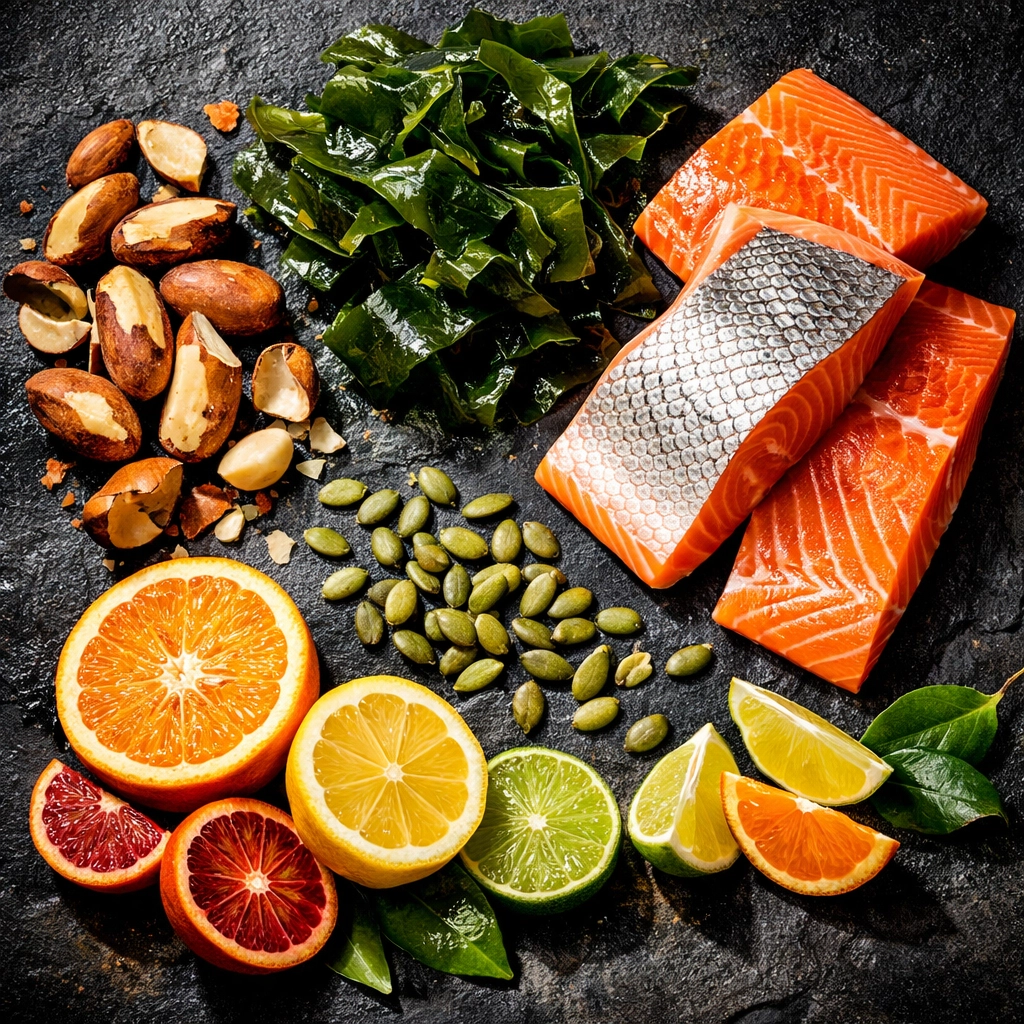
- Selenium (The Converter): Essential for the enzyme that converts T4 into the active T3. Just two Brazil nuts a day can meet your requirement.
- Iodine (The Building Block): T4 and T3 are literally named after the number of iodine atoms they contain. However, be cautious: too much iodine can trigger an autoimmune flare in Hashimoto's patients.
- Zinc: Needed for the pituitary gland to "sense" hormone levels and for the body to utilize T3.
- Iron (Ferritin): Low iron is a hidden cause of thyroid dysfunction. If your ferritin is below 60-70 ng/mL, your thyroid hormones cannot effectively get into your cells.
The "Thyroid-Gut" Connection
About 20% of T4 to T3 conversion happens in the gut. If you have "leaky gut" or dysbiosis (an imbalance of gut bacteria), your energy will suffer regardless of how much thyroid medication you take. Prioritizing fermented foods and fiber isn't just for digestion; it's a direct energy strategy.
Lifestyle Bio-Hacks for Thyroid Vitality
Beyond medication and supplements, how you live determines how your thyroid performs.
1. Light Hygiene & Circadian Rhythm
Your thyroid is highly sensitive to your internal clock. Exposure to bright sunlight within 30 minutes of waking triggers the release of TSH in a healthy rhythmic pattern. Conversely, blue light exposure at night elevates cortisol, which suppresses the conversion of T4 to T3.
2. Temperature Stress (Hormesis)
In 2026, we use "Thermic Stress" to train the thyroid. Short sessions in a sauna followed by cold plunging can improve metabolic flexibility. Cold exposure, in particular, stimulates "Brown Fat," which is highly metabolically active and works in tandem with thyroid hormones to generate heat and energy.
3. Stress Management (The Cortisol Connection)
High cortisol is the enemy of the thyroid. When you are chronically stressed, the body enters "survival mode" and converts T4 into Reverse T3 (rT3). Think of rT3 as a "fake key" that fits into the cell's lock but won't turn. It blocks the active T3 from doing its job, leaving you exhausted despite having "normal" hormone levels.
Checklist: Is Your Fatigue Thyroid-Related?
If you check more than three of these boxes, it's time to request a full panel, not just a TSH test:
- I wake up feeling unrefreshed even after 8+ hours of sleep.
- My outer eyebrows are thinning.
- My hands and feet are always cold, even in warm rooms.
- I have "brain fog" that makes it hard to focus on complex tasks.
- I am gaining weight (or unable to lose it) despite no change in diet.
- My skin is chronically dry, and my hair feels brittle.
- I experience muscle aches and joint pain without intense exercise.

The Path Forward
Persistent fatigue is not a character flaw; it is a biological signal. In the landscape of 2026 wellness, we no longer accept "just getting older" as an excuse for low energy. By understanding the intricate dance between your brain, your thyroid gland, and your cellular mitochondria, you can move from surviving to thriving.
The connection between thyroid health and fatigue is absolute. If you don't address the "master controller," no amount of caffeine or willpower will bridge the energy gap. Take the data to your doctor, advocate for a full panel, and start feeding your furnace.
About the Author: Malibongwe Gcwabaza
CEO of blog and youtube
Malibongwe Gcwabaza is a wellness strategist and the visionary leader behind blog and youtube. With over a decade of experience in digital health media, Malibongwe focuses on bridging the gap between complex clinical research and actionable lifestyle changes. He is a staunch advocate for "The Centenarian Decathlon" approach to fitness: training today for the mobility and vitality we want at age 100. When he isn't analyzing metabolic data, he’s likely experimenting with the latest in wearable bio-monitoring tech.
About the Author