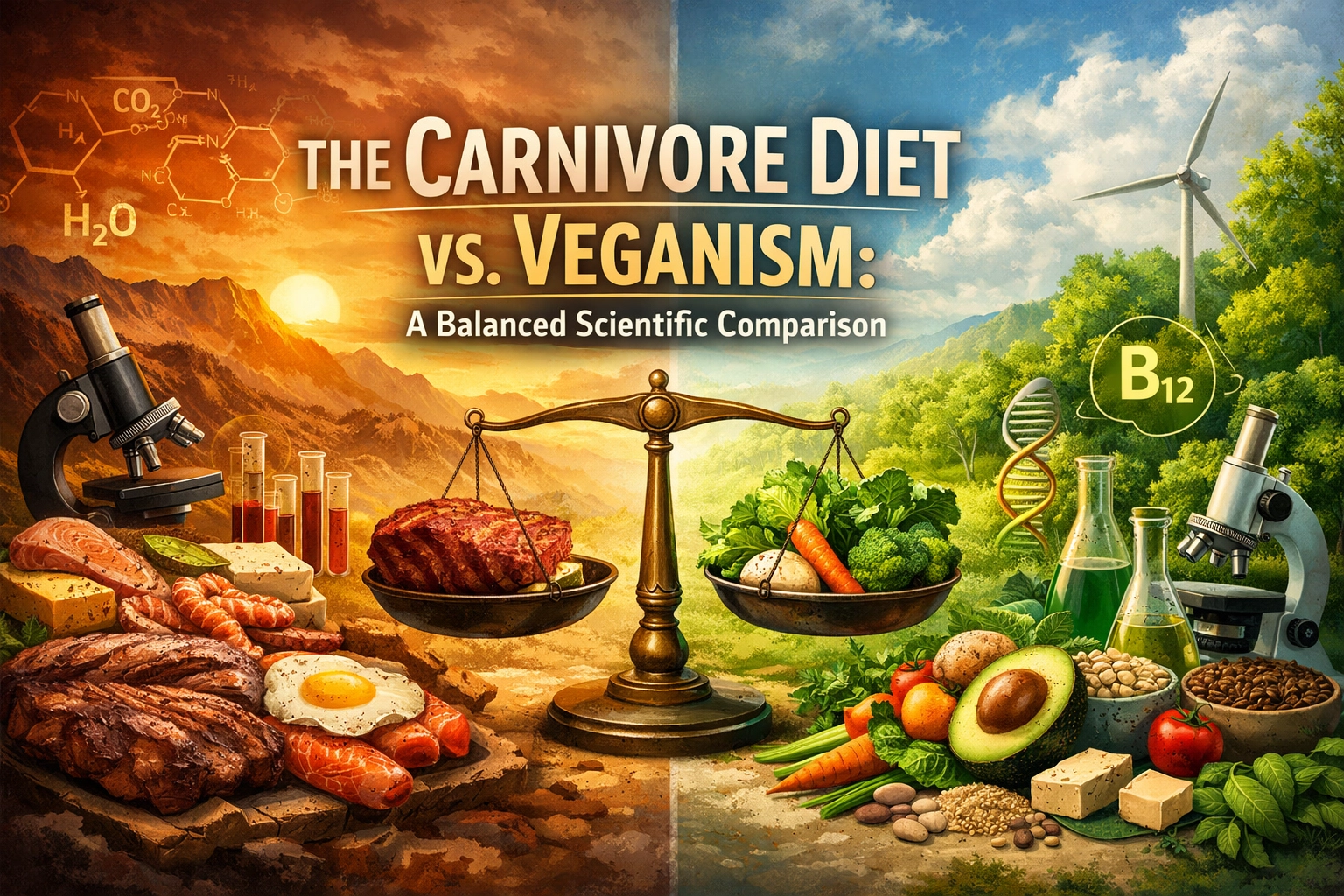
In the health landscape of 2026, we have moved past simple calorie counting and into the era of biological optimization. Two of the most polarizing strategies for reaching peak human performance sit at opposite ends of the spectrum: The Carnivore Diet and Veganism.
One side advocates for a return to our ancestral roots as apex predators, consuming exclusively animal products. The other argues for a future of compassionate, plant-based nutrition designed to protect both the heart and the planet. But when we strip away the ideology and the social media "clout," what does the underlying physiology actually tell us?
This deep dive examines the mechanisms, the nutrient densities, and the long-term health implications of both extremes.
1. The Carnivore Perspective: Bioavailability and Nutrient Density
The Carnivore Diet is essentially the ultimate elimination diet. By removing all plant matter, proponents argue they are removing "anti-nutrients" like lectins, oxalates, and phytic acid that can interfere with mineral absorption and irritate the gut lining.
The Power of Animal-Sourced Nutrients
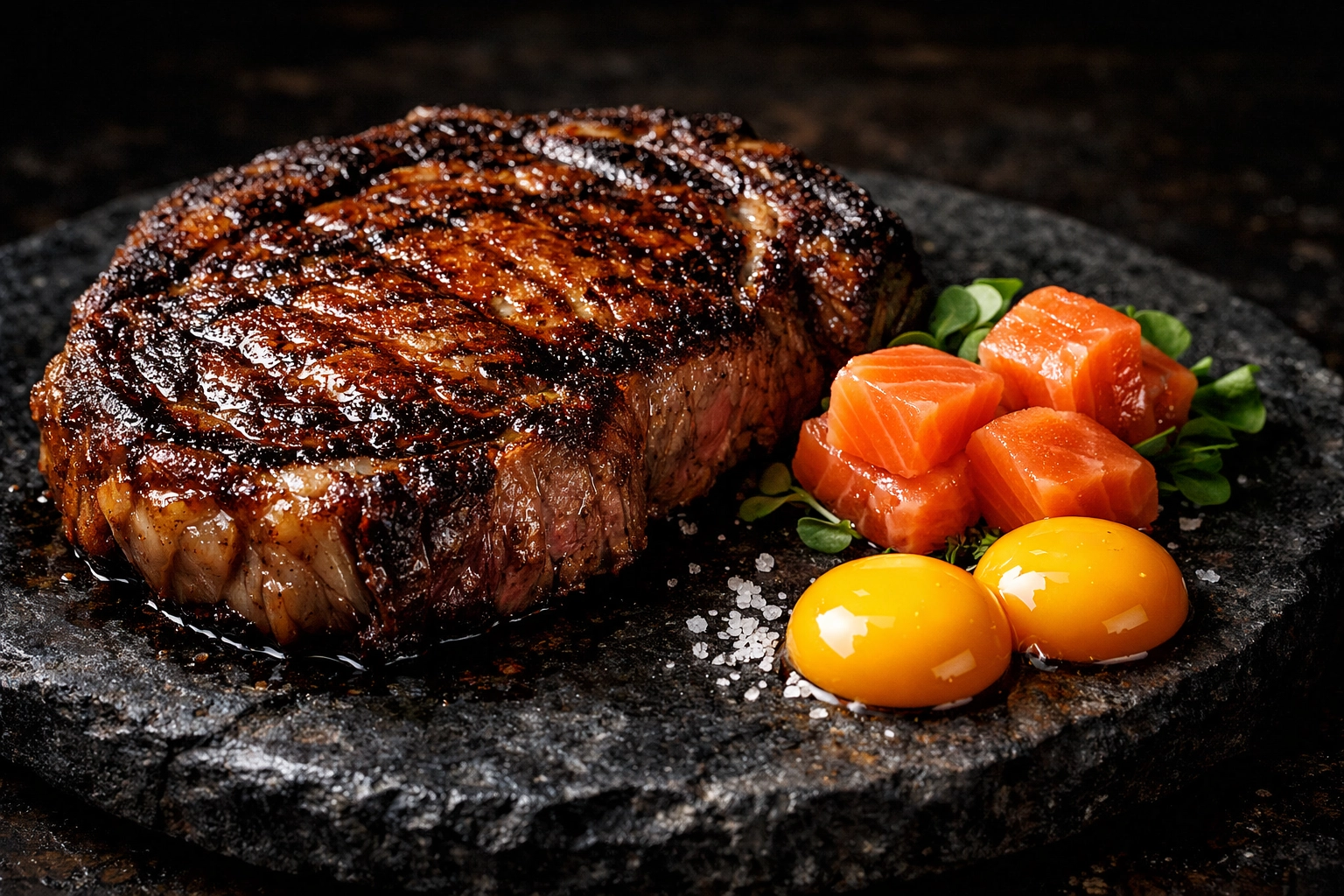
Animal products are arguably the most bioavailable sources of nutrition on the planet. When you consume a ribeye steak or a piece of liver, you aren't just getting protein; you’re getting a suite of nutrients in their most "ready-to-use" forms:
- Heme Iron: Absorbed much more efficiently than the non-heme iron found in spinach or lentils.
- Vitamin B12: Essential for nerve function and DNA synthesis, virtually non-existent in the plant kingdom without fortification.
- Creatine and Carnosine: Critical for brain health and muscle buffering, found exclusively in meat.
- Fat-Soluble Vitamins (A, D3, K2): Animal fats provide these in a matrix that ensures maximum absorption.
The Muscle Protein Synthesis (MPS) Edge
From a fitness perspective, the Carnivore diet provides an abundance of Leucine, the primary amino acid responsible for triggering Muscle Protein Synthesis. Because animal protein contains a complete amino acid profile in high concentrations, it is often easier for athletes on a carnivore protocol to maintain lean mass while in a caloric deficit.
2. The Vegan Perspective: Fiber, Phytonutrients, and Longevity
On the flip side, a well-planned vegan diet leverages the immense power of the plant kingdom. While carnivores focus on what they remove, vegans focus on the unique compounds found nowhere else but in plants.
The Microbiome and Fiber
The human gut microbiome thrives on diversity. Soluble and insoluble fibers act as prebiotics, feeding the beneficial bacteria in your colon. These bacteria produce Short-Chain Fatty Acids (SCFAs) like butyrate, which are linked to reduced systemic inflammation and improved colon health.
Hormesis and Polyphenols
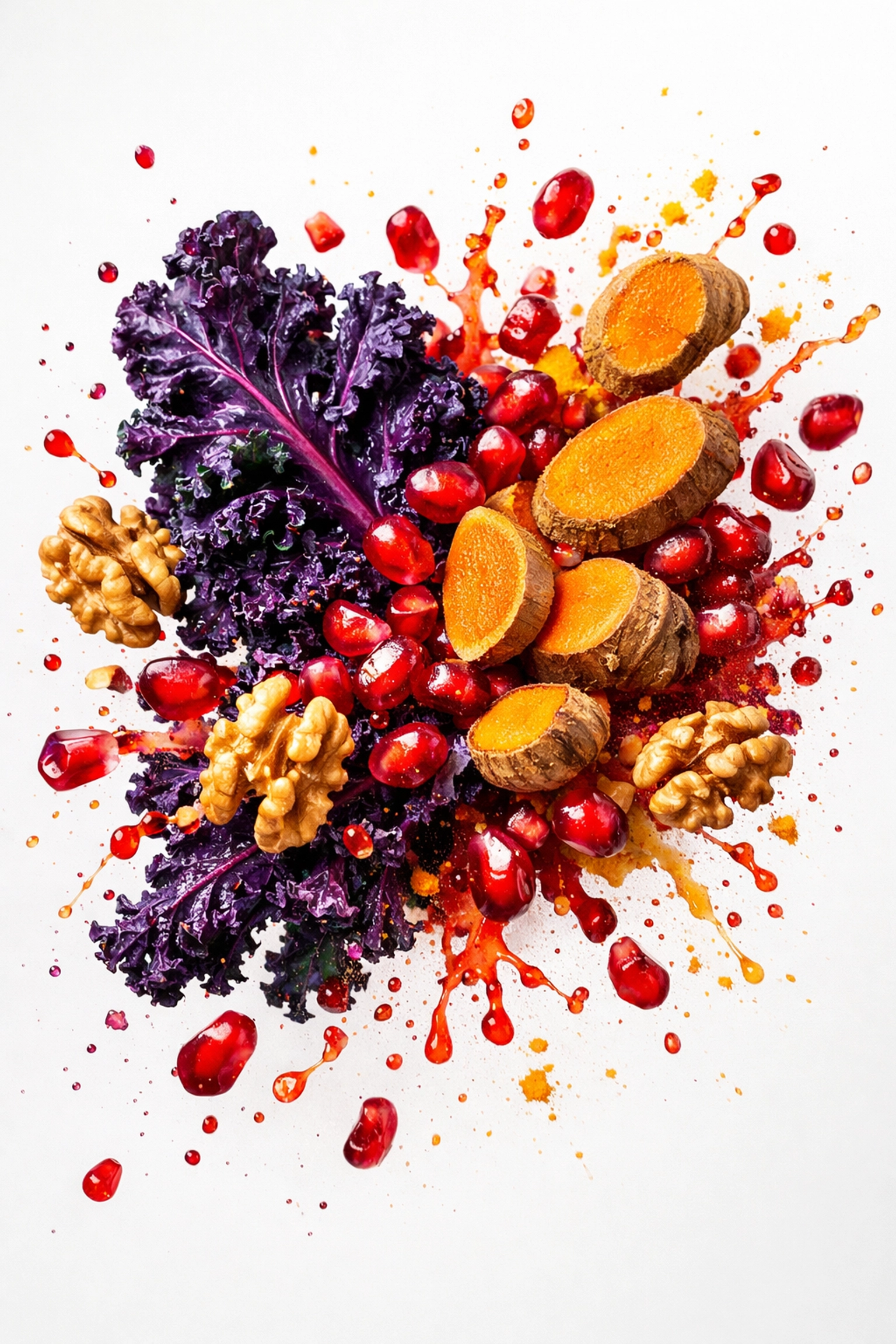
Plants produce secondary metabolites: polyphenols, flavonoids, and carotenoids: as a defense mechanism against stressors like UV light or pests. When humans consume these, it triggers a mild stress response in our own cells (hormesis), which upregulates our internal antioxidant production. This is a key mechanism for DNA repair and slowing the aging process.
3. Comparing the Nutritional Profiles (2026 Data)
To understand the trade-offs, we need to look at the "Shortfall Nutrients" for each diet. Neither is naturally "perfect" in a modern context without careful planning.
| Nutrient | Carnivore Diet Status | Vegan Diet Status |
|---|---|---|
| Vitamin C | Risk of deficiency (unless consuming organ meats/fresh roe) | Usually abundant |
| Vitamin B12 | Abundant | High risk of deficiency (requires supplementation) |
| Fiber | Zero (may lead to microbiome shifts) | Abundant (supports gut diversity) |
| Omega-3 (EPA/DHA) | High (if eating fatty fish/pastured eggs) | Low (ALA conversion is inefficient; requires algae oil) |
| Saturated Fat | High (potentially impacts ApoB levels) | Very Low (generally heart-protective) |
| Magnesium | Moderate | High (found in nuts, seeds, and leafy greens) |
4. The Metabolic Impact: Insulin vs. mTOR
The two diets interact with our metabolic "master switches" in very different ways.
Carnivore and Insulin Sensitivity
By consuming near-zero carbohydrates, carnivore dieters maintain very low and stable fasting insulin levels. This can be a powerful tool for reversing Type 2 Diabetes or PCOS. However, the high intake of protein can still trigger a significant insulin response (gluconeogenesis), though it rarely causes the "spike and crash" associated with refined sugars.
Veganism and mTOR
The Mammalian Target of Rapamycin (mTOR) is a pathway that promotes growth and protein synthesis. While great for building muscle, chronically elevated mTOR is linked to accelerated aging. Vegan diets, being naturally lower in certain essential amino acids like methionine, tend to keep mTOR levels lower, which some researchers believe is why plant-based populations often show markers of increased longevity.
5. The "Anti-Nutrient" Debate: Fact or Fiction?
A core pillar of the Carnivore movement is the danger of plant toxins. While it is true that compounds like oxalates (found in spinach) can contribute to kidney stones in susceptible individuals, and lectins can cause GI distress for some, the "2026 consensus" suggests that for the majority of the population, these compounds act as beneficial stressors.
However, for individuals with severe autoimmune conditions or "leaky gut," the temporary removal of these plant defense chemicals via a Carnivore protocol has shown remarkable anecdotal success in clinical settings.
6. Environmental and Ethical Considerations
We cannot discuss these diets without mentioning the footprint they leave behind.
- Veganism: Generally has a lower carbon and water footprint per calorie. It is the most direct way to consume energy from the sun.
- Regenerative Carnivore: Proponents argue that well-managed, ruminant-based agriculture (grass-fed cattle) can actually sequester carbon into the soil, potentially making it "carbon-negative."
The debate in 2026 has shifted from "meat vs. plants" to "industrial vs. regenerative." An industrial vegan diet based on monocrop soy can be more damaging to local ecosystems than a local, regenerative meat-based diet.
7. The 2026 Verdict: Which is Better?
The "Best" diet is the one that aligns with your specific biological needs, your ethical stance, and your long-term adherence.
- Choose Carnivore (or Animal-Based) if: You struggle with severe autoimmune issues, have chronic bloating/S digestives issues, or need an ultra-simple protocol to manage blood sugar and hunger.
- Choose Veganism if: Your primary goal is cardiovascular health (lowering LDL/ApoB), you have a family history of colon cancer, or you prioritize animal ethics and a lower environmental footprint.
The Common Ground
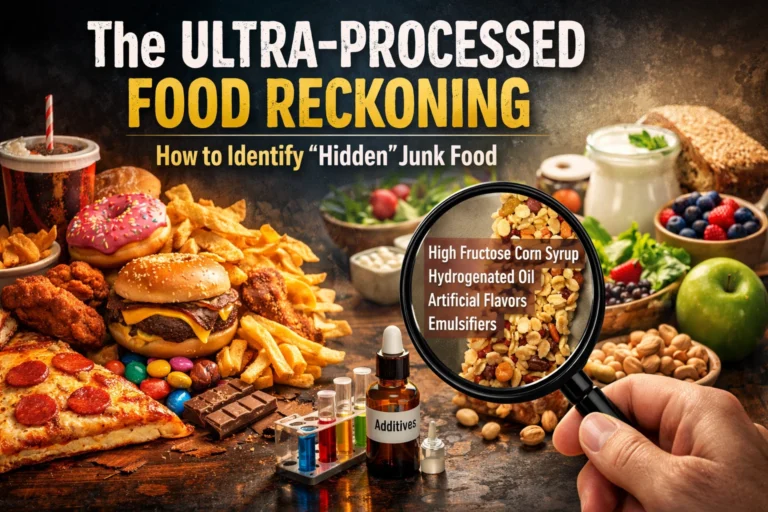
Despite their differences, both successful carnivores and successful vegans agree on one thing: The elimination of Ultra-Processed Foods (UPFs). Both diets remove seed oils, refined flours, and high-fructose corn syrup. This "removal of the junk" is likely responsible for 80% of the health benefits seen in both camps.
Conclusion: Bio-Individuality Rules
Whether you are fueling with ribeye or chickpeas, the key to success is monitoring your blood markers. In 2026, we have the tools (CGMs, ApoB testing, Microbiome sequencing) to stop guessing. If your markers for inflammation are down, your energy is up, and your sleep is deep, you’ve found your winning formula.

About the Author
Malibongwe Gcwabaza
Malibongwe is the CEO of blog and youtube and a dedicated advocate for evidence-based wellness. With a background in organizational leadership and a passion for human optimization, he focuses on translating complex nutritional science into actionable strategies for high performers. When he’s not analyzing the latest longevity research, Malibongwe can be found experimenting with functional movement and exploring the intersection of technology and health.
About the Author