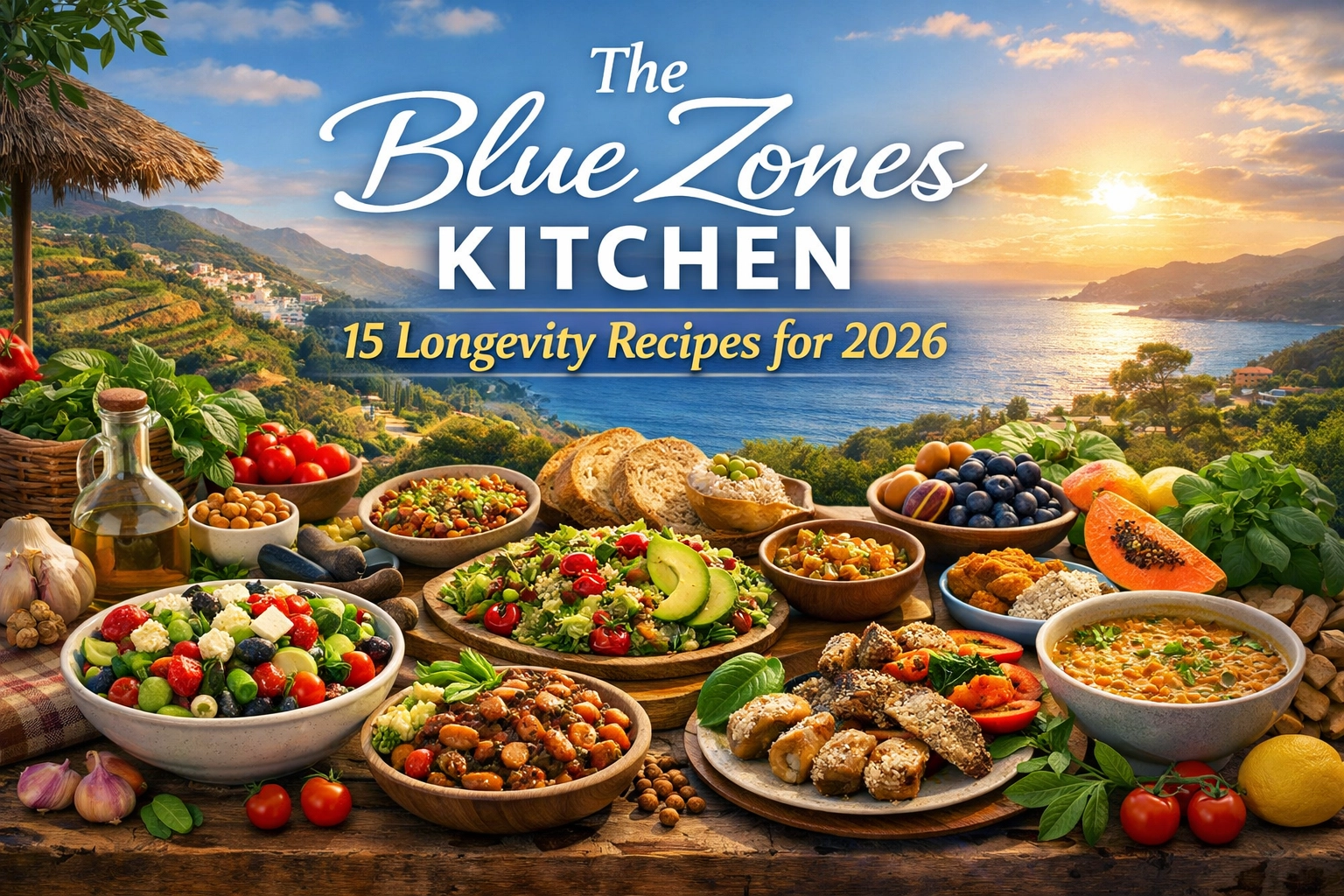
In 2026, the conversation around health has shifted from "lifespan" (how long you live) to "healthspan" (how long you live in good health). At the center of this movement is the dietary wisdom of the Blue Zones: five regions in the world where people consistently live to 100 and beyond. While the original research by Dan Buettner identified these hotspots decades ago, modern nutritional science is now confirming exactly why these foods work at a cellular level.
The Blue Zones diet isn't just about "eating your greens." It’s about specific molecular triggers: like SIRT1 activation, gut microbiome diversity, and the management of postprandial glucose spikes. This guide provides 15 modernized, science-backed longevity recipes designed for a 2026 kitchen, focusing on high nutrient density, low inflammatory markers, and maximum flavor.
The Biological Foundation of Longevity Cooking
Before we get to the recipes, it is essential to understand the "Big Three" biological mechanisms these meals target:
- Microbiome Diversity: A high-fiber diet (aiming for 50g+ per day) fuels short-chain fatty acid (SCFA) production, which heals the gut lining and reduces systemic inflammation.
- Glycemic Stability: By pairing complex carbohydrates with fiber and healthy fats, these recipes prevent insulin spikes that accelerate cellular aging.
- Hormetic Stressors: Many Blue Zone plants contain "xenohormetic" compounds: mild stressors that trigger our cells' internal repair mechanisms, such as autophagy.
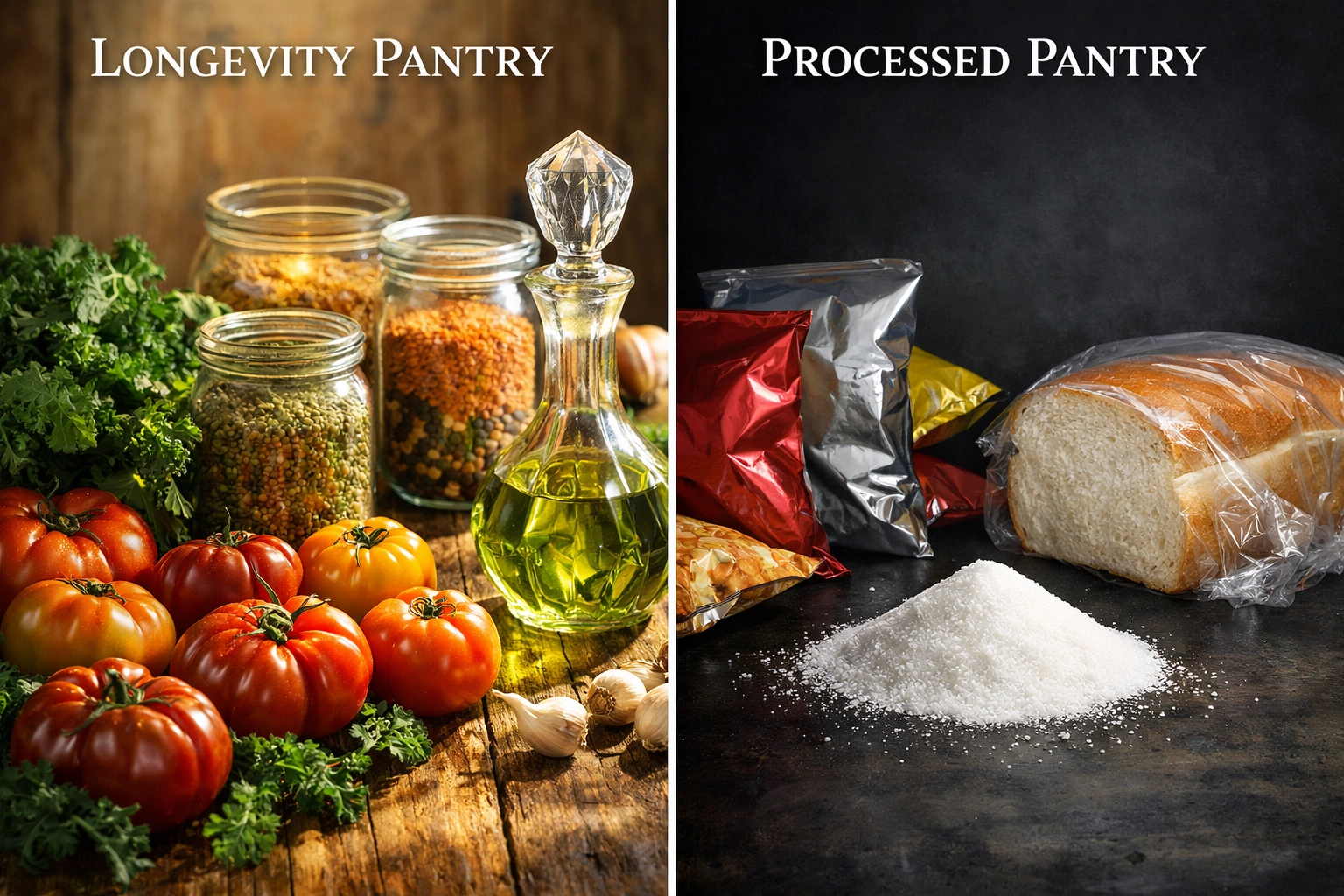
Comparison: Blue Zones vs. The Standard Western Diet (2026 Data)
| Nutrient Metric | Blue Zones Diet | Standard Western Diet | Impact on Longevity |
|---|---|---|---|
| Daily Fiber | 45g – 60g | 12g – 15g | Gut health & DNA repair |
| Protein Source | 90% Plant-based | 70% Animal-based | Lower IGF-1 levels |
| Fat Ratio | High MUFA (Olive Oil) | High Saturated/Trans | Cardiovascular health |
| Sugar Intake | Natural (Fruit/Honey) | Processed/Synthetic | Reduced Glycation (AGEs) |
15 Longevity Recipes for the Modern Kitchen
These recipes are designed to be prepared in under 30 minutes or using modern tools like Instant Pots and Air Fryers to fit into a busy 2026 lifestyle.
1. The Sardinian "Lifetime" Minestrone
This is the classic "longest-lived family" recipe. It uses a variety of beans and seasonal vegetables.
- Key Longevity Factor: Tri-bean protein (chickpeas, pinto, kidney) provides a complete amino acid profile while keeping IGF-1 levels low.
- Modern Twist: Use a pressure cooker to neutralize lectins and reduce cooking time to 12 minutes.
2. Okinawan Purple Sweet Potato Mash with Ginger
The Okinawan diet was historically 67% sweet potato.
- Key Longevity Factor: Anthocyanins. These are potent antioxidants that protect the brain from oxidative stress.
- Method: Steam the potatoes (don't boil) to preserve water-soluble vitamins. Fold in fresh grated ginger for an anti-inflammatory kick.
3. Nicoyan Gallo Pinto (Beans and Rice)
A staple of the Nicoya Peninsula in Costa Rica.
- Key Longevity Factor: Resistant Starch. By cooking the rice and beans a day ahead and reheating them, you increase the resistant starch content, which feeds beneficial gut bacteria without spiking blood sugar.
- Pairing: Serve with avocado for healthy monounsaturated fats.
4. Ikarian Longevity Stew (Black-Eyed Peas & Fennel)
Ikarians are known for "forgetting to die." This stew is a cornerstone of their winter diet.
- Key Longevity Factor: Fennel is rich in quercetin, a natural senolytic that helps the body clear out "zombie" (senescent) cells.
- Ingredients: Black-eyed peas, wild fennel, extra virgin olive oil (EVOO), and tomato paste.
5. Loma Linda Nut Loaf (Modernized)
Inspired by the Seventh-day Adventists in California.
- Key Longevity Factor: Omega-3 fatty acids from walnuts and flaxseeds, which are critical for cognitive preservation.
- Modern Twist: Use almond flour and mushrooms for a savory, high-umami profile without the need for processed soy fillers.
6. Turmeric and Red Lentil Dal
While not a traditional "Blue Zone" region, the principles of high-legume intake apply here perfectly.
- Key Longevity Factor: Curcumin (from turmeric) combined with piperine (from black pepper) significantly reduces systemic "inflammaging."
- Technical Tip: Always add the olive oil after cooking to keep the polyphenols intact.
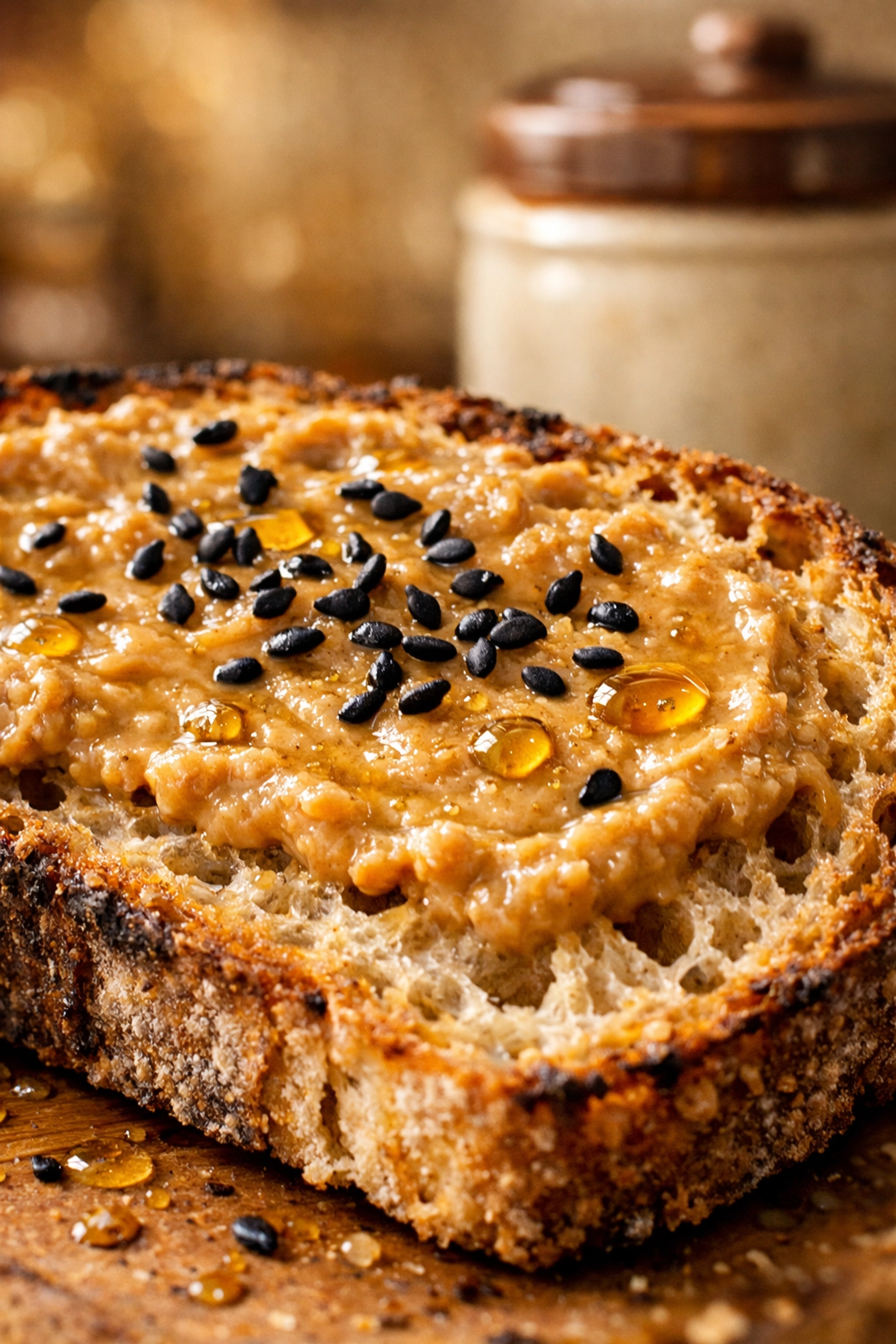
7. Fermented Sourdough with Miso-Tahini Spread
Fermentation was a key preservation method in all Blue Zones.
- Key Longevity Factor: Probiotics and prebiotics. Sourdough fermentation reduces the glycemic index of the bread.
- Spread: Mix white miso (fermented soy) with tahini for a dose of calcium and gut-friendly bacteria.
8. Wild Greens "Horta" with Lemon and EVOO
Typical of Ikaria and Sardinia.
- Key Longevity Factor: Magnesium and Vitamin K2. These are essential for bone density and heart health.
- The 2026 Hack: Use an air fryer to "crisp" kale or dandelion greens if you prefer a crunchier texture over the traditional boiled greens.
9. Mediterranean Chickpea and Seaweed Salad
A fusion of Icarion and Okinawan wisdom.
- Key Longevity Factor: Iodine and minerals from seaweed combined with the fiber of chickpeas.
- Dressing: Use high-phenolic olive oil and raw apple cider vinegar to improve insulin sensitivity.
10. Buckwheat Soba with Shiitake Broth
Buckwheat is a gluten-free pseudo-grain used in many longevity cultures.
- Key Longevity Factor: Rutin (found in buckwheat) supports vascular health. Shiitake mushrooms contain beta-glucans which modulate the immune system.
11. Black Bean and Tempeh Tostadas
Inspired by the Nicoyan high-bean intake.
- Key Longevity Factor: Tempeh is fermented soy, which provides high-quality protein and supports hormonal balance through mild phytoestrogens.
- Topping: Radishes and cilantro for heavy metal detoxification.
12. Roasted Cauliflower with Pomegranate and Pine Nuts
A high-phytonutrient side dish common in Mediterranean longevity pockets.
- Key Longevity Factor: Sulforaphane from the cauliflower and ellagic acid from the pomegranate seeds.
- Benefit: These compounds help regulate the Nrf2 pathway, the body’s primary antioxidant defense.
13. Miso-Glazed Wild Salmon (The 5% Rule)
Blue Zone residents eat small amounts of fish (about 3oz, three times a week).
- Key Longevity Factor: Astaxanthin and DHA.
- Method: Use wild-caught Alaskan salmon. The miso glaze provides fermented enzymes that assist in protein digestion.
14. Lentil and Walnut "Bolognese"
A plant-forward take on Italian Sardinian favorites.
- Key Longevity Factor: High protein/fiber ratio.
- Serving Suggestion: Serve over chickpea pasta or zoodles to keep the total carbohydrate load low while maintaining high volume.
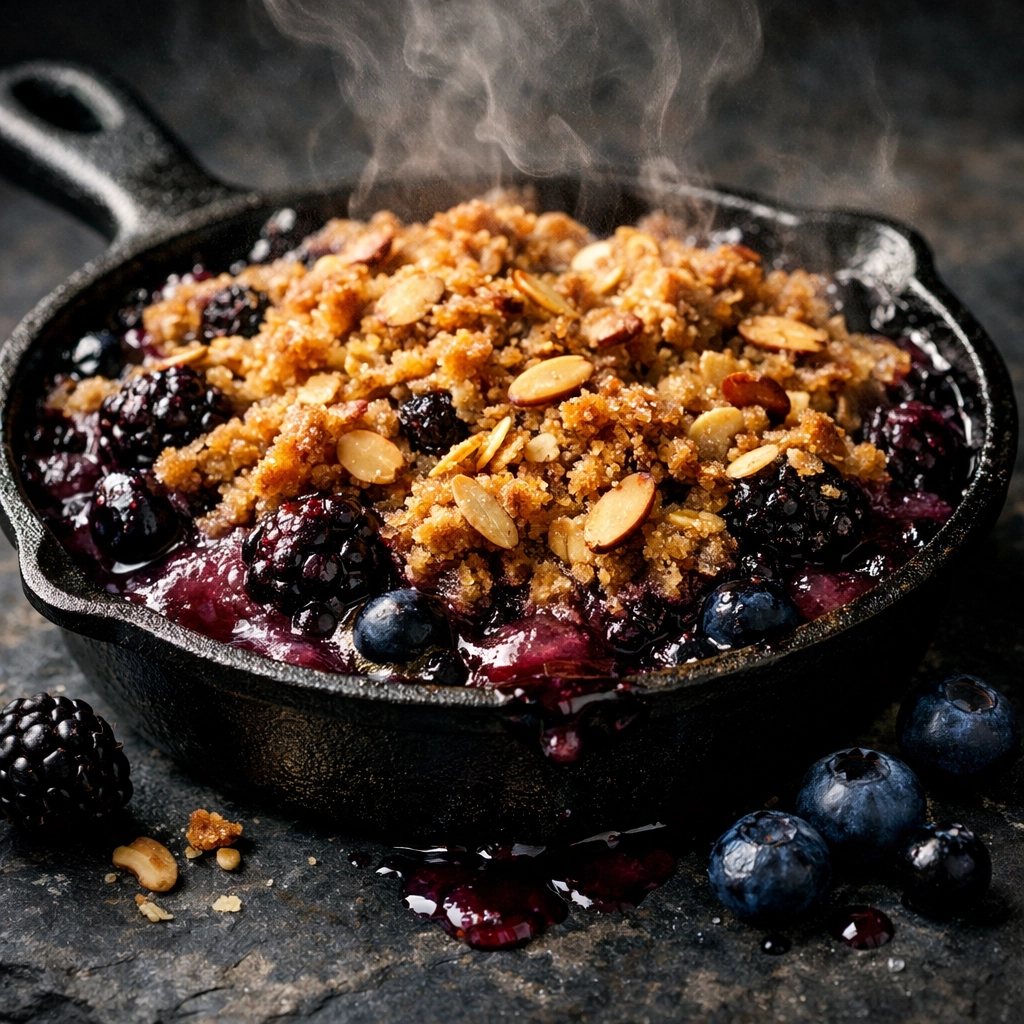
15. The "Anti-Aging" Berry Crumble (No Refined Sugar)
Longevity doesn't mean no dessert; it means smarter dessert.
- Key Longevity Factor: Pectin and anthocyanins.
- Recipe: Use frozen blueberries, blackberries, and raspberries. Top with an oat and almond meal crumble, sweetened only with a touch of Yacon syrup or monk fruit.
Technical Cooking Tips for Maximum Nutrient Bioavailability
To get the most out of these recipes, follow these 2026 kitchen protocols:
- The EVOO Rule: Never cook with your most expensive Extra Virgin Olive Oil. Heat destroys the delicate polyphenols. Cook with avocado oil or water, and drizzle the high-quality EVOO over the food after it’s on the plate.
- Soak and Sprout: Always soak dried beans for 12–24 hours. This reduces phytic acid (which can block mineral absorption) and makes the beans easier to digest.
- The "Cruciferous Hack": When cooking broccoli or cauliflower, chop it 40 minutes before cooking. This allows the enzyme myrosinase to produce sulforaphane, which is heat-stable.
- Cool Before You Eat: Let your starches (potatoes, rice, pasta) cool down before eating. This converts simple starches into Type 2 Resistant Starch, lowering the calorie count and feeding your microbiome.
Summary: The Blue Zone Lifestyle in 2026
Eating for longevity isn't about restriction; it's about inclusion. By adding these 15 recipes to your weekly rotation, you are providing your body with the molecular signals it needs to stay young. The Blue Zones teach us that food is the most powerful medicine we have. When you combine these recipes with moderate movement (the "Centenarian Decathlon") and strong social ties, you are setting the stage for a vibrant, high-energy life well into your 90s and 100s.
Author Bio:
Malibongwe Gcwabaza is the CEO of blog and youtube and a leading voice in the 2026 longevity movement. With a background in health-tech and a passion for functional nutrition, Malibongwe focuses on bridging the gap between ancient cultural wisdom and modern biological data. When not analyzing the latest VO2 Max research, he can be found in the kitchen experimenting with fermented Okinawan recipes.
About the Author