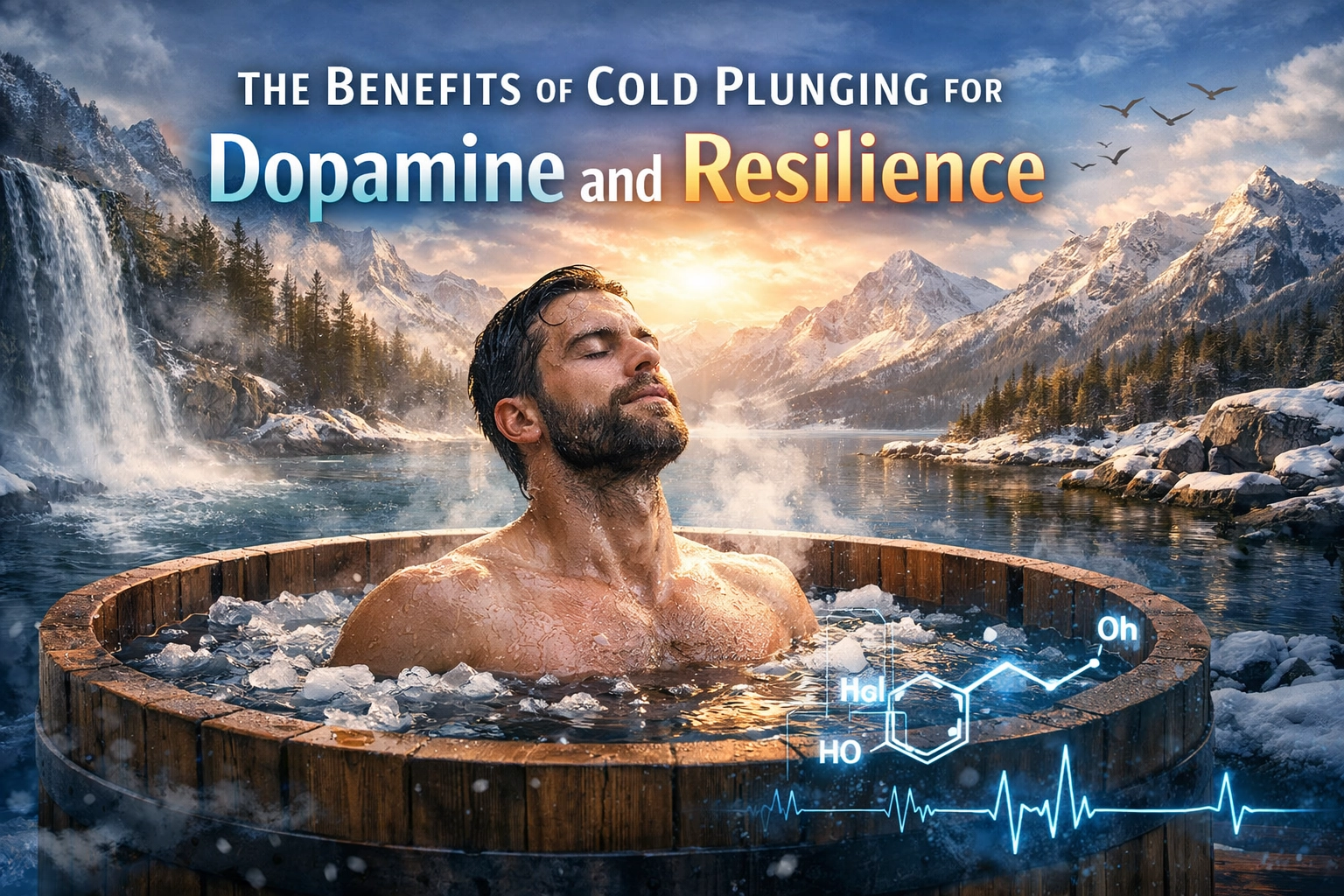
In the wellness landscape of 2026, we’ve moved past the novelty of "ice baths" as a social media stunt. We are now firmly in the era of deliberate cold exposure (DCE) as a foundational pillar of neurobiological optimization. While the initial shock of 50°F (10°C) water feels like a survival threat, the systemic response it triggers is one of the most potent ways to reconfigure your brain's chemistry and your body's stress threshold.
This guide moves beyond the surface-level "it feels good when it stops" and looks at the high-level physiology of why cold plunging is a non-negotiable tool for high-performers, athletes, and anyone looking to fortify their mental health.
The Neurochemical Symphony: More Than Just a Chill
When you submerge your body in cold water, you aren't just getting cold; you are initiating a massive, systemic release of neurotransmitters. The most notable of these is dopamine.
The 250% Dopamine Spike
Unlike the dopamine spikes we get from social media, sugar, or even certain stimulants, the dopamine release from cold plunging is unique in its duration and stability. Research has shown that a significant cold water immersion can increase plasma dopamine concentrations by up to 250%.
What makes this different from a "dopamine hit" (which usually results in a crash below baseline) is that cold-induced dopamine rises steadily and remains elevated for several hours. This creates a sustained state of focus, elevated mood, and "calm energy" that doesn't require a physiological debt to be paid later in the day.
Noradrenaline and Acute Focus
Simultaneous with the dopamine rise is a massive surge in noradrenaline (up to 530%). Noradrenaline is the chemical responsible for vigilance and focus. This is why the "brain fog" many people experience in the morning is obliterated within seconds of a cold plunge. You aren't just waking up; you are chemically forcing your brain into a state of high-level cognitive readiness.

Building "Top-Down Control": The Science of Resilience
The term "resilience" is often used as a buzzword, but in the context of cold plunging, it has a specific neurological definition: Top-Down Control.
When you stand at the edge of a cold tub, your limbic system (the emotional, "lizard" brain) is screaming at you to run away. By choosing to step in and: crucially: staying in while controlling your breath, you are using your prefrontal cortex to override your survival instinct.
Training the Vagus Nerve
This practice strengthens the vagus nerve, the primary component of the parasympathetic nervous system. Over time, you increase your Heart Rate Variability (HRV), which is a key metric for recovery and stress tolerance. By exposing yourself to a controlled, "hormetic" stressor like the cold, you are essentially training your nervous system to stay calm under pressure. When a work deadline hits or a personal conflict arises, your brain utilizes the same neural pathways developed in the cold tub to remain objective and composed.
Designing Your 2026 Cold Protocol
To maximize the benefits for dopamine and resilience without overtaxing your thyroid or adrenal system, your protocol should be data-driven.
| Goal | Temperature Range | Duration | Frequency |
|---|---|---|---|
| Metabolic Boost | 50°F – 55°F | 2-5 Minutes | 3x per week |
| Dopamine / Mood | 55°F – 60°F | 1-3 Minutes | Daily (Morning) |
| Recovery / Inflammation | 45°F – 50°F | 1-2 Minutes | Post-Training (except hypertrophy) |
| Resilience Training | "Uncomfortably Cold" | Until Breath is Controlled | Varied |
The "Sobering" Reality of Temperature
You don't need to sit in a tub of ice cubes to see results. The goal is to reach a temperature that evokes the "I really want to get out" response. For most people, this is between 50°F and 59°F. If you go too cold, too fast, you risk a "cold shock response" that can lead to hyperventilation or cardiac stress.
The Parasympathetic Rebound: The Secret to Deep Calm
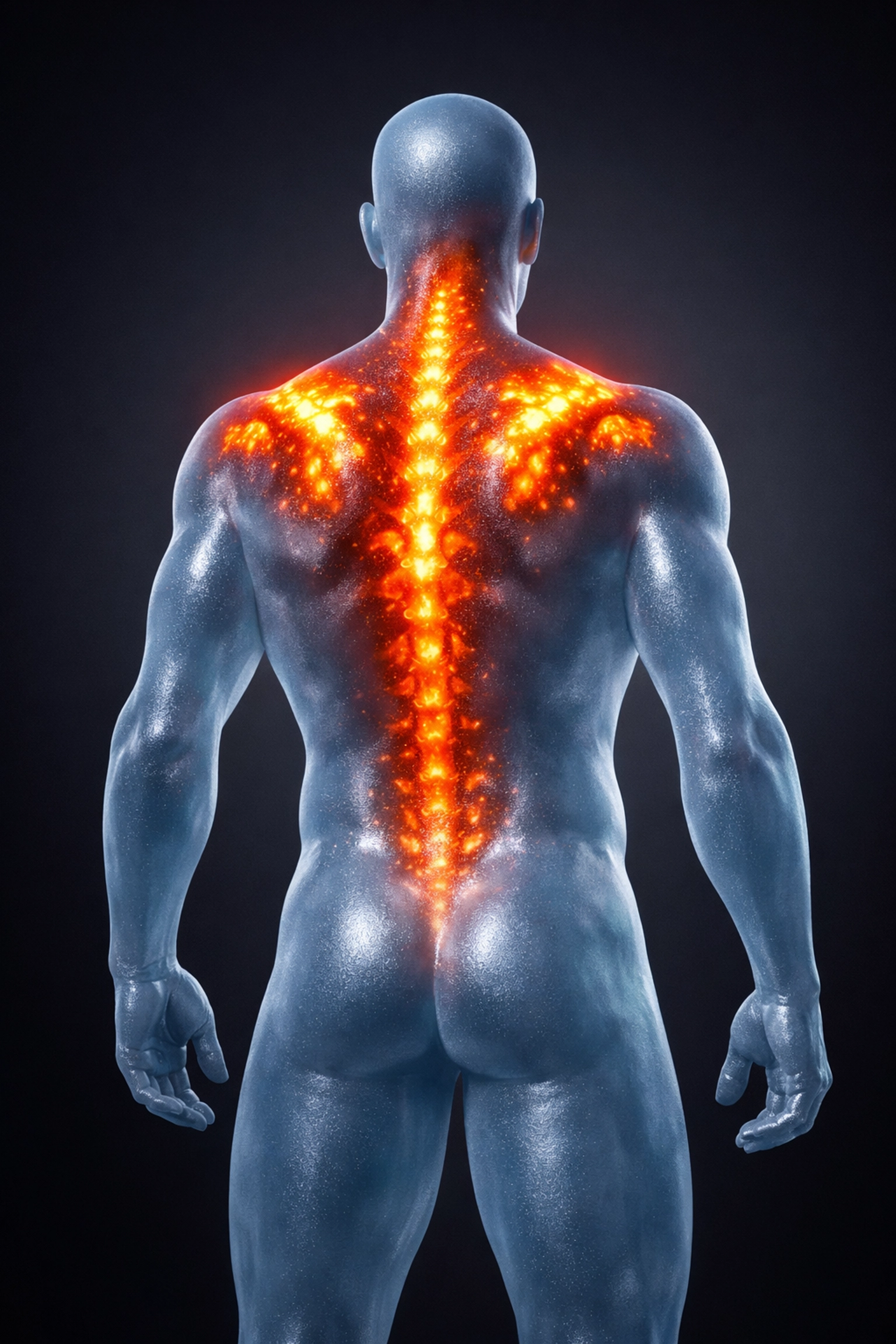
One of the most overlooked benefits of cold plunging is what happens after you get out. As your body begins to warm back up (thermogenesis), you experience a "parasympathetic rebound." The initial sympathetic (fight or flight) surge gives way to a deep, heavy state of relaxation.
This is why many practitioners find that a morning cold plunge leads to a significantly more productive and less anxious afternoon. You have already faced the hardest part of your day, and your body rewards you with a baseline of calm that lasts for hours.
A Note on Hypertrophy (Muscle Growth)
If your primary goal is building muscle mass (hypertrophy), be careful with the timing. Cold plunging immediately after a heavy lifting session can blunt the inflammatory response needed for muscle protein synthesis. It is recommended to wait at least 4–6 hours after resistance training before plunging, or better yet, do it on your off-days or first thing in the morning.
Advanced Techniques for 2026: The "Sobering" Finish
To truly optimize for resilience, adopt the Sobering Finish technique. When you exit the cold water, do not reach for a towel immediately. Allow your body to warm itself up naturally through shivering (non-shivering thermogenesis). This forces the activation of "brown fat" (BAT), which is highly metabolic and helps regulate glucose and insulin sensitivity.
Safety and Contraindications
While cold plunging is a powerhouse tool, it isn't for everyone. The sudden cold causes a massive increase in blood pressure and heart rate.
- Consult a physician if you have a history of cardiovascular disease or hypertension.
- Never plunge alone in open water (lakes or oceans) due to the risk of the "gasp reflex" and drowning.
- Avoid the "Cold-Hot-Cold" cycle if you are specifically looking for the metabolic benefits; let the body do the work of warming up.
Conclusion: The Ultimate Tool for Modern Times
In an age of hyper-stimulation and chronic low-grade stress, the cold plunge offers a "reset button" for the human nervous system. It is a biological cheat code for increasing your baseline dopamine levels and a psychological training ground for building grit. By embracing the discomfort of the cold, you aren't just hardening your body: you are sharpening your mind to handle whatever the modern world throws your way.
Author Bio: Malibongwe Gcwabaza
Malibongwe Gcwabaza is the CEO and lead strategist at blog and youtube, a media company dedicated to deconstructing high-performance wellness and longevity. With a background in data-driven health optimization and a passion for bio-monitoring, Malibongwe focuses on translating complex physiological research into actionable protocols for the modern professional. When he’s not analyzing the latest in senolytics or metabolic health, you can find him in a 50-degree cold tub, practicing exactly what he preaches.
About the Author