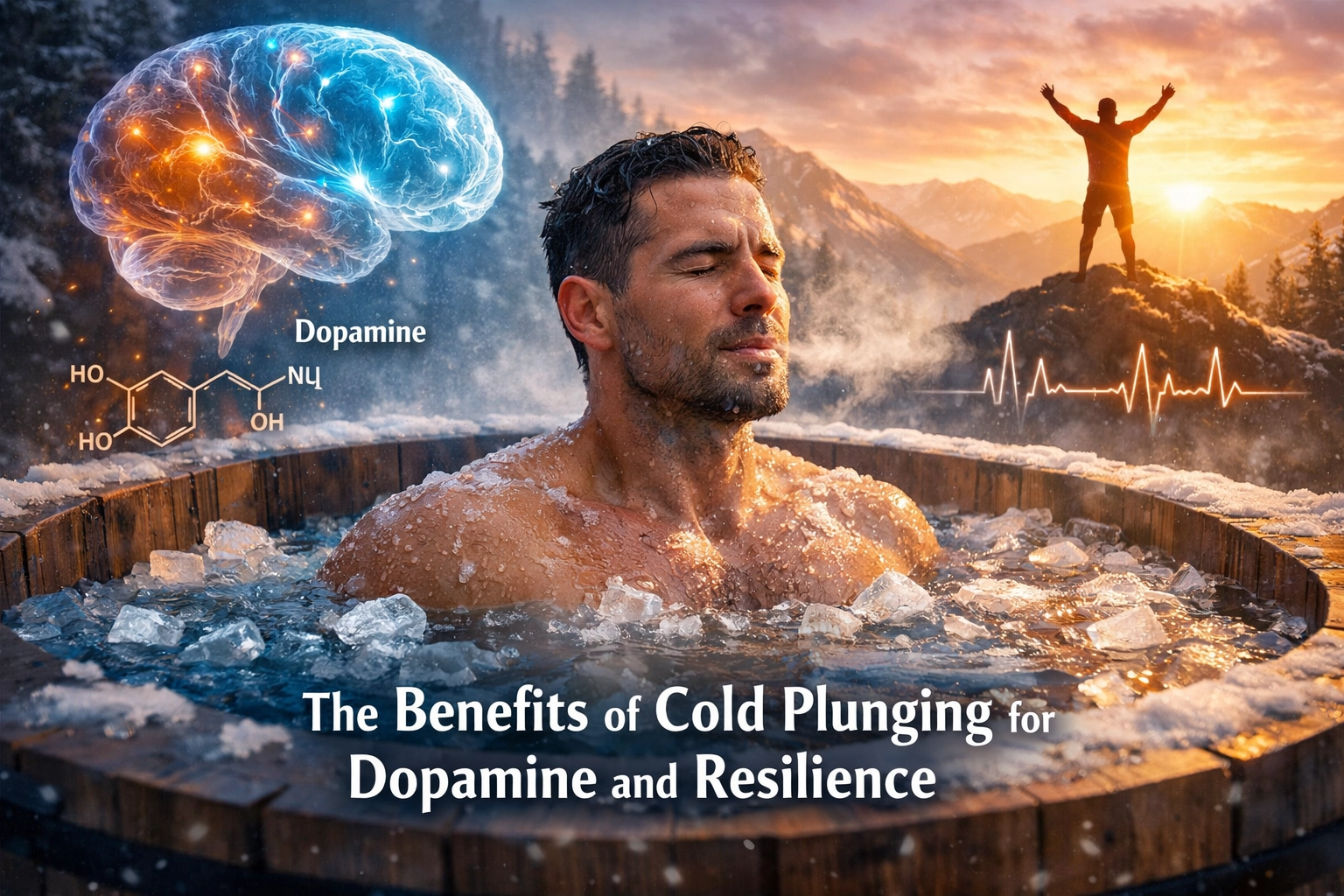
By 2026, cold plunging has transitioned from a fringe "biohacker" trend to a foundational pillar of preventative health. We are no longer just looking at cold water as a way to soothe sore muscles after a workout; we are looking at it as a sophisticated tool for neurochemical optimization and psychological fortification.
If you have ever stepped into a tub of 50°F (10°C) water, you know the immediate, visceral reaction: your breath catches, your heart races, and every fiber of your being screams to get out. However, it is exactly this "stress" that unlocks some of the most profound benefits for the human brain. This guide dives deep into the science of how cold exposure reclaims your focus through dopamine regulation and builds a "bulletproof" nervous system.
The Dopamine Wave: Why Cold is Better than Caffeine
Most people seek dopamine through "cheap" sources: social media notifications, sugary snacks, or endless scrolling. These sources cause a sharp spike followed by an equally sharp crash, often leaving you feeling more depleted than before.
Cold plunging works differently. Research, including landmark studies frequently cited in 2026 longevity circles, shows that cold water immersion can increase baseline dopamine levels by up to 250%.
The Sustained Release Profile
Unlike the "spike and crash" of nicotine or sugar, the dopamine increase from cold exposure is sustained. It rises gradually and stays elevated for several hours. This results in a calm, focused energy rather than a jittery high.
| Feature | "Cheap" Dopamine (e.g., Social Media) | Cold Plunge Dopamine |
|---|---|---|
| Peak Height | High and Immediate | High and Gradual |
| Duration | Minutes | 2 to 4 Hours |
| After-effect | Baseline Depression (The "Crash") | Elevated Baseline |
| Effort Required | Low | High (Friction) |

The Neurochemical Symphony: Beyond Dopamine
While dopamine gets the headlines, the cold triggers a cascade of other essential neurochemicals that work in harmony to improve your mental state.
- Norepinephrine (The Focus Molecule): Cold exposure can trigger a massive increase in norepinephrine, up to 530%. This chemical is responsible for vigilance, focus, and attention. It’s the reason why "brain fog" usually evaporates the second you hit the water.
- Beta-Endorphins: These are the body’s natural painkillers. They are responsible for the "post-plunge high" and the feelings of euphoria that help combat symptoms of depression and anxiety.
- Sirtuin 1 (SIRT1): On a cellular level, cold stress activates SIRT1, a protein that regulates metabolic health and has been linked to increased lifespan and DNA repair.
Building Resilience via Hormesis
Resilience isn't just a "mindset"; it is a physiological adaptation. Cold plunging is a form of hormesis, the biological phenomenon where a beneficial effect results from exposure to low doses of an agent that is otherwise toxic or lethal in high doses.
Training the Vagus Nerve
The vagus nerve is the main component of the parasympathetic nervous system (the "rest and digest" system). When you enter cold water, your sympathetic nervous system (fight or flight) takes over. By consciously controlling your breath and staying calm in the cold, you are essentially "weightlifting" for your vagus nerve.
Over time, this increases your Heart Rate Variability (HRV). A higher HRV is a primary marker of a resilient nervous system that can bounce back quickly from work stress, emotional trauma, or physical exhaustion.

The 2026 Cold Plunge Protocol: Depth and Technicality
To achieve the results discussed in the latest clinical research, you cannot just "wing it." You need a structured protocol.
1. The Temperature "Sweet Spot"
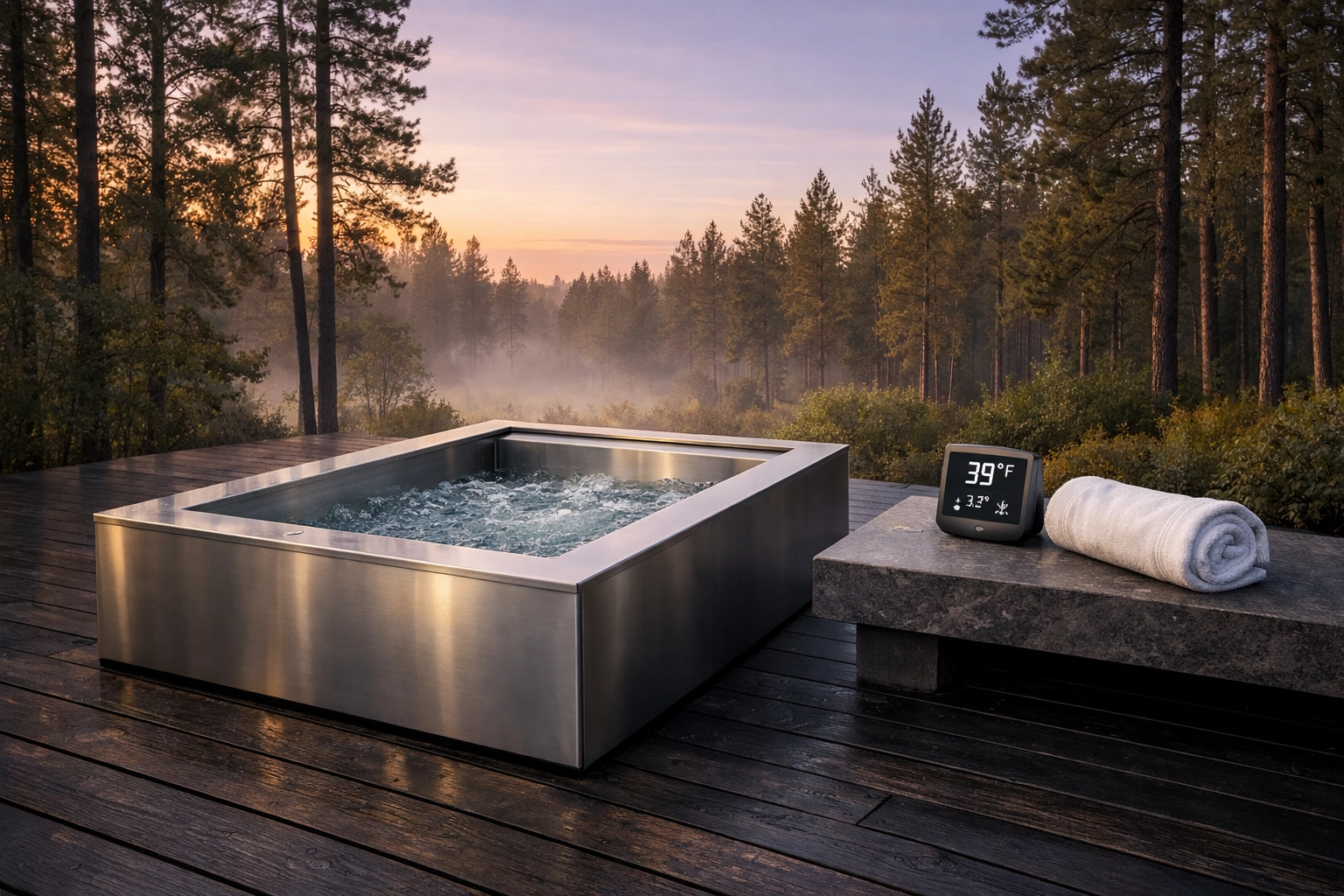
For most people, the therapeutic range is between 50°F (10°C) and 59°F (15°C).
- Beginners: Start at 60°F (15°C).
- Advanced: Drop to 45°F (7°C).
Going colder than 40°F doesn't necessarily provide more dopamine; it just increases the risk of cold shock and tissue damage.
2. The "11-Minute Rule"
Based on the Soeberg Principle (popularized by Dr. Susanna Soeberg), the goal for maximum metabolic and mental benefit is a cumulative 11 minutes per week. This can be broken down into:
- 3 sessions of 3.5 minutes
- 4 sessions of 2 minutes and 45 seconds
3. The "End with Cold" Rule
If you are using a sauna or hot shower in conjunction with your plunge, always end with cold. This forces your body to undergo obligate thermogenesis, the process of heating itself back up naturally. This is where the metabolic "magic" happens, specifically the activation of Brown Adipose Tissue (BAT), which burns regular white fat to create heat.
Overcoming the "Wall": Psychological Fortitude
The most significant benefit of cold plunging isn't chemical, it's psychological. Every morning that you stand before a tub of ice-cold water, your brain tells you "No."
By stepping in anyway, you are practicing Top-Down Control. You are teaching your prefrontal cortex (the logical brain) to overrule the limbic system (the emotional/fear brain).
- The First 30 Seconds: This is the "Gasp Reflex" phase. Your goal is to extend your exhale to signal to your brain that you are safe.
- The Middle Minute: This is where the shivering might start. Shivering is actually good for succinate release, which further boosts metabolism.
- The Final 30 Seconds: This is where you find "the still point." The panic subsides, and you enter a meditative state.
Safety and Contraindications
While cold plunging is incredibly beneficial, it is a high-intensity physiological stressor. You must approach it with respect for your body's limits.
- Never Plunge Alone: Especially in natural bodies of water where current or "after-drop" can be dangerous.
- Hyperventilation: Avoid intense Wim Hof-style breathing while in the water. This can lead to shallow water blackout. Stick to slow, nasal breathing.
- Heart Conditions: If you have a history of heart disease or high blood pressure, consult a physician. The initial cold shock causes a sudden spike in blood pressure.
- Pregnancy: While some experienced "plungers" continue through pregnancy, it is generally advised to avoid extreme thermal stress during this time.
Summary of Benefits for 2026
- Mental Clarity: Immediate eradication of brain fog via norepinephrine.
- Mood Elevation: 250% increase in baseline dopamine.
- Stress Management: Improved Vagal Tone and higher HRV.
- Metabolic Health: Activation of Brown Fat and improved insulin sensitivity.
- Willpower: Strengthening the "muscle" of doing hard things.
Cold plunging is more than just a physical challenge; it is a way to recalibrate a brain that has become soft and distracted by the comforts of modern life. By intentionally seeking out the cold, you aren't just shivering: you're evolving.
About the Author: Malibongwe Gcwabaza
Malibongwe Gcwabaza is the CEO of blog and youtube, a leading digital platform dedicated to cutting-edge health, wellness, and fitness insights. With a background in organizational leadership and a passion for human optimization, Malibongwe focuses on bridging the gap between complex clinical research and actionable daily habits. He is a firm believer in "Depth over Breadth," ensuring every piece of content published under his leadership provides unique, data-driven value to help readers perform at their peak in the modern age.
About the Author