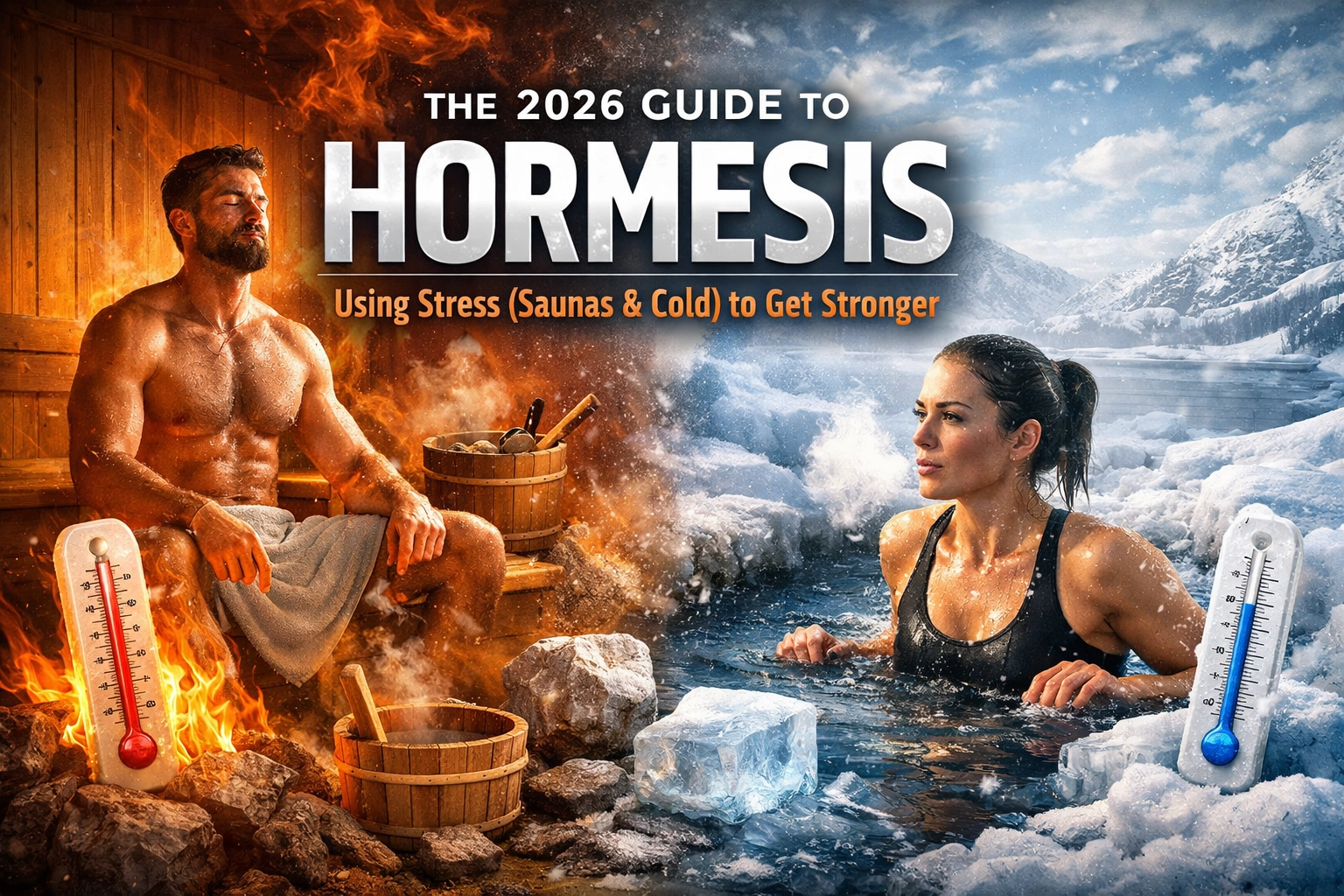
In the wellness landscape of 2026, the obsession with "comfort" has officially reached its expiration date. For decades, the prevailing wisdom suggested that a healthy life was one free of stress, temperature fluctuations, and physical strain. We now know that the opposite is true. To build a body that lasts 100 years, you must systematically break it down: just a little bit: every single day.
This biological phenomenon is called hormesis. It is the process by which a controlled, acute stressor triggers a cellular response that leaves the organism stronger than it was before. Whether it’s the searing heat of a Finnish sauna or the bone-chilling depths of an ice bath, we are using these "environmental insults" to hack our internal repair systems.
This guide explores the high-level science of hormesis, the data-backed protocols for heat and cold, and how to integrate these stressors into your 2026 longevity routine without crossing the line into chronic exhaustion.
The Biological Foundation: The Biphasic Dose-Response
Hormesis operates on a U-shaped or inverted U-shaped curve. In toxicology, the "dose makes the poison." In hormetic medicine, the "dose makes the medicine."
When you expose your body to a stressor, you activate the Nrf2 pathway: the master regulator of the body’s antioxidant response. This isn’t about the stressor itself providing a benefit; it’s about the body’s overcompensation to that stressor.
The Molecular Mechanism of Adaptation
- Autophagy: Short-term stress signals the body to identify and "eat" damaged proteins and dysfunctional mitochondria (mitophagy).
- Genetic Expression: Hormetic stress "turns on" longevity genes like SIRT1 and FOXO3, which are associated with DNA repair and cellular lifespan.
- Mitochondrial Biogenesis: Challenging the cells forces them to create more mitochondria to handle the increased energy demand, effectively upgrading your internal power plant.

Heat Hormesis: The Science of Heat-Shock Proteins (HSPs)
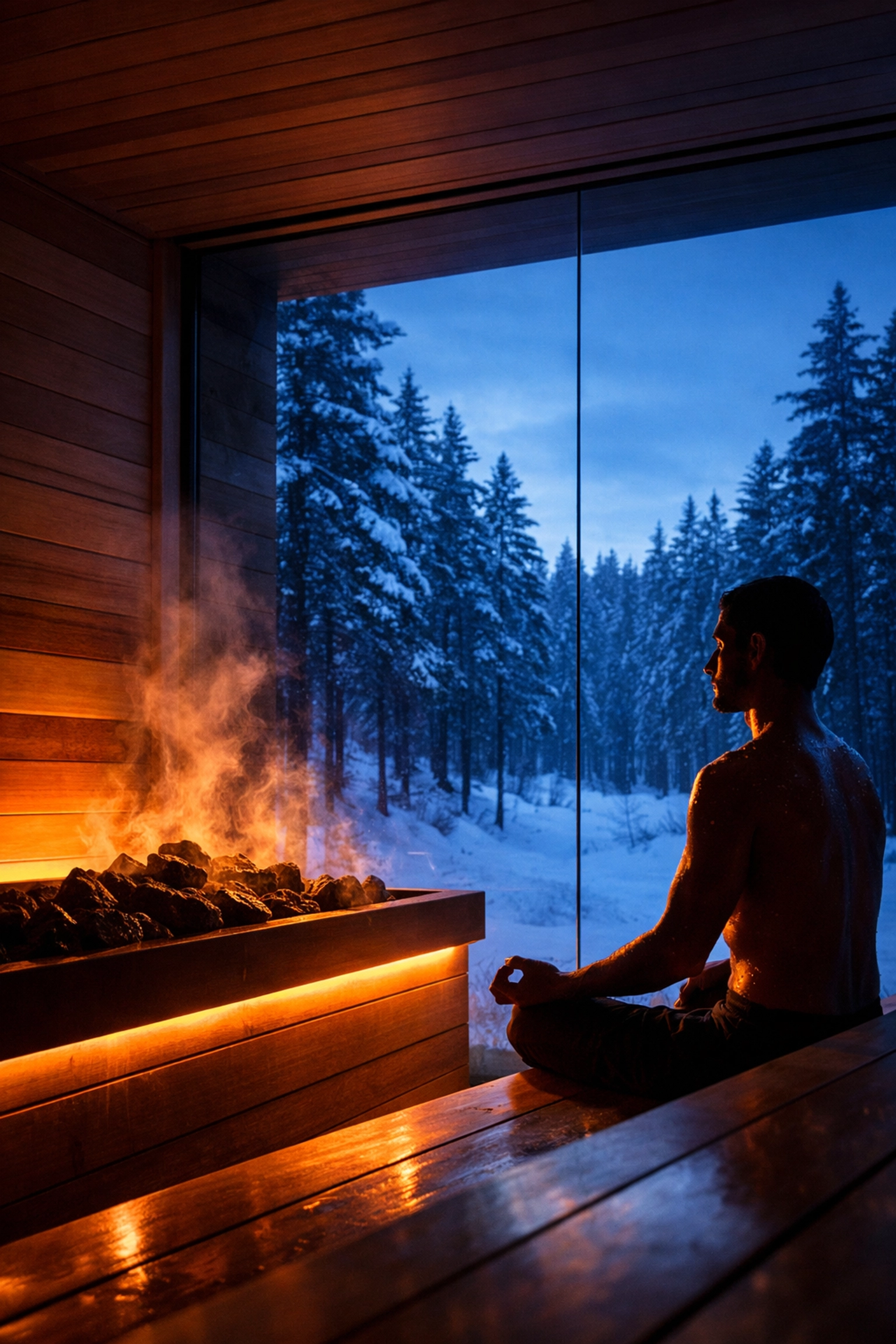
Sauna use is no longer just a luxury at the spa; in 2026, it is considered a non-negotiable cardiovascular and neurological intervention. When your core temperature rises by roughly 1.5–2°C, your body begins synthesizing Heat-Shock Proteins (HSPs).
These proteins act as "molecular chaperones." Their job is to ensure that other proteins in your cells stay folded correctly. Misfolded proteins are the hallmark of neurodegenerative diseases like Alzheimer’s and Parkinson’s. By regularizing sauna use, you are essentially "steam-cleaning" your cellular structure.
Key Benefits of Heat Stress
- Cardiovascular Health: Regular sauna use (4–7 times per week) has been shown to reduce the risk of sudden cardiac death by up to 63% and all-cause mortality by 40%.
- Growth Hormone Spike: Intense heat exposure can induce a massive temporary spike in Human Growth Hormone (HGH), aiding in muscle recovery and fat loss.
- Brain-Derived Neurotrophic Factor (BDNF): Heat increases BDNF, which acts like "Miracle-Gro" for your brain, supporting the growth of new neurons.
The 2026 Heat Protocol
| Variable | Beginner | Advanced |
|---|---|---|
| Temperature | 70°C (158°F) | 80-90°C (176-194°F) |
| Duration | 10–15 minutes | 20–30 minutes |
| Frequency | 2x per week | 4–7x per week |
| Type | Infrared or Dry Sauna | Traditional Dry Finnish Sauna |
Cold Hormesis: Cold-Shock Proteins and Brown Fat
While heat is about protein folding and cardiovascular health, cold exposure is about metabolic efficiency and neurotransmitter regulation. When you submerge yourself in cold water, your body undergoes an immediate "sympathetic shock."
The primary driver here is Norepinephrine. Cold exposure can increase norepinephrine levels by 200–300%, which stays elevated for hours. This is why cold plunging is one of the most effective tools for treating clinical depression and brain fog in 2026.
The Cold Pathways
- Brown Adipose Tissue (BAT) Activation: Unlike white fat (which stores energy), brown fat burns energy to create heat. Cold exposure "recruits" more brown fat, increasing your resting metabolic rate.
- Cold-Shock Proteins (RBM3): Research has shown that the protein RBM3 is triggered by cold and helps regenerate synapses in the brain, offering a potent shield against cognitive decline.
- Reduced Inflammation: Cold causes systemic vasoconstriction, which helps flush metabolic waste and reduce inflammatory markers like C-Reactive Protein (CRP).
The 2026 Cold Protocol
- Temperature: 10°C (50°F) is the "sweet spot" for most.
- Dose: Aim for 11 minutes of total cold exposure per week, spread across 3–4 sessions.
- Method: The "Soberane" method involves entering the water calmly and focusing on a long, slow exhale to down-regulate the nervous system while under stress.
Beyond Temperature: Other Forms of Hormesis
While saunas and ice baths get the most social media attention, hormesis includes any "timed discomfort."
- Hypoxia (Breathwork): Controlled breath-holding (like the Wim Hof Method) creates a temporary state of low oxygen. This triggers the production of Erythropoietin (EPO) and increases red blood cell count, improving endurance.
- Intermittent Fasting: Nutrient deprivation is a metabolic stressor. It forces the body to switch from glucose burning to ketone burning, improving insulin sensitivity.
- High-Intensity Interval Training (HIIT): Pushing your heart rate to 90%+ of its maximum for 60 seconds is a classic hormetic stressor that improves mitochondrial density.
Integrating Hormesis into a Busy Schedule
The biggest mistake people make in 2026 is "stacking" too many stressors. If you are fasted, sleep-deprived, and stressed at work, a 20-minute ice bath might actually be detrimental. This is where Heart Rate Variability (HRV) monitoring becomes crucial.
The "Traffic Light" System for Hormetic Dosing
- Green Day (High HRV): Your nervous system is recovered. This is the day for a 90°C sauna followed by a 3-minute cold plunge.
- Yellow Day (Moderate HRV): Choose one. Either a light sauna session or a quick 30-second cold shower.
- Red Day (Low HRV): Skip the hormetic stress. Focus on "Parasympathetic" activities like walking, restorative yoga, or extra sleep.

Safety and Contraindications
Hormesis is powerful, but it isn't for everyone at all times.
- Cardiac Issues: Extreme heat and cold place a significant strain on the heart. Always consult a physician if you have a history of hypertension or arrhythmia.
- Pregnancy: High core temperatures are generally discouraged during pregnancy.
- The "After-Drop": After a cold plunge, your core temperature continues to drop. Never jump into a hot shower immediately after a deep cold plunge, as this can cause peripheral vasodilation and fainting.
Summary: The Resilience Revolution
By the end of 2026, we expect "Resilience Training" to be a standard part of primary healthcare. We are moving away from a model of avoiding discomfort to a model of utilizing it. By strategically using saunas and cold exposure, you aren't just "burning calories" or "relaxing": you are sending a signal to your DNA that the environment is challenging, and it needs to upgrade your biological hardware to survive.
Start small. Five minutes in a warm sauna or thirty seconds of a cold shower is enough to begin the process. The goal isn't to suffer; it's to adapt.
About the Author
Malibongwe Gcwabaza is the CEO and lead strategist at blog and youtube. With over a decade of experience in health-tech and performance optimization, Malibongwe focuses on bridging the gap between clinical research and actionable lifestyle design. He is a firm believer that the future of human longevity lies in our ability to reconnect with the natural stressors our ancestors evolved to thrive in. When he isn't analyzing the latest health data, he can be found in his backyard sauna or testing new bio-monitoring wearables.
About the Author