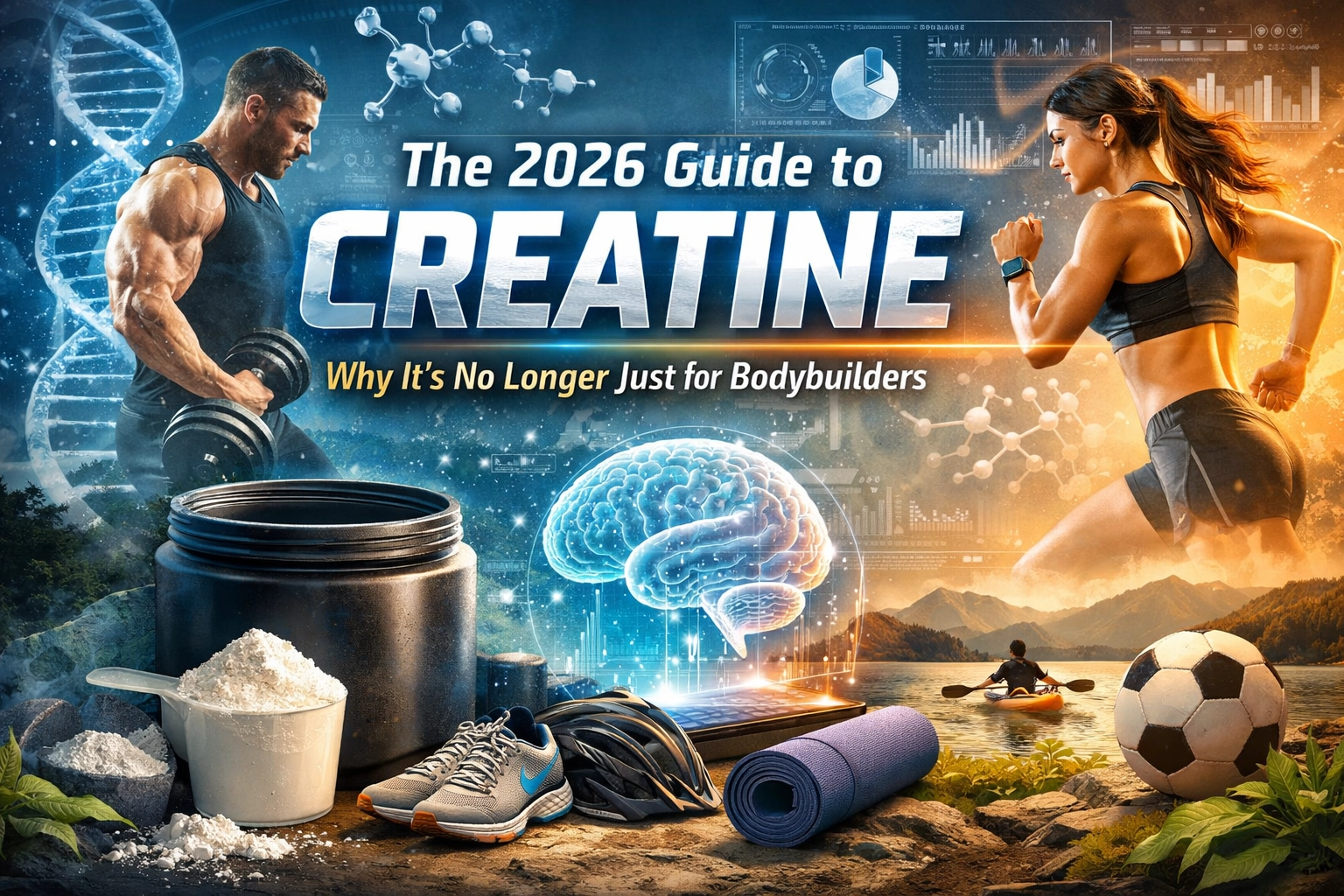
For decades, creatine was trapped in a cultural silo. It was the "meathead" supplement, something you’d only find in the gym bags of aspiring bodybuilders or powerlifters. If you weren't trying to bench press a small car, the general consensus was that you didn't need it.
Welcome to 2026. The narrative has shifted.
Thanks to a massive surge in longevity research and a deeper understanding of cellular bioenergetics, creatine monohydrate has transitioned from a niche sports supplement to a foundational tool for human health. Today, it’s being hailed as a "longevity essential," recognized for its roles in neuroprotection, metabolic health, and even slowing the progression of sarcopenia.
If you are still viewing creatine solely through the lens of bicep peaks, you are missing out on one of the most effective, safest, and most affordable tools for whole-body optimization. This is the ultimate guide to why everyone, from corporate executives to post-menopausal women, should be paying attention to this molecule.
The Technical Reality: How Creatine Actually Works
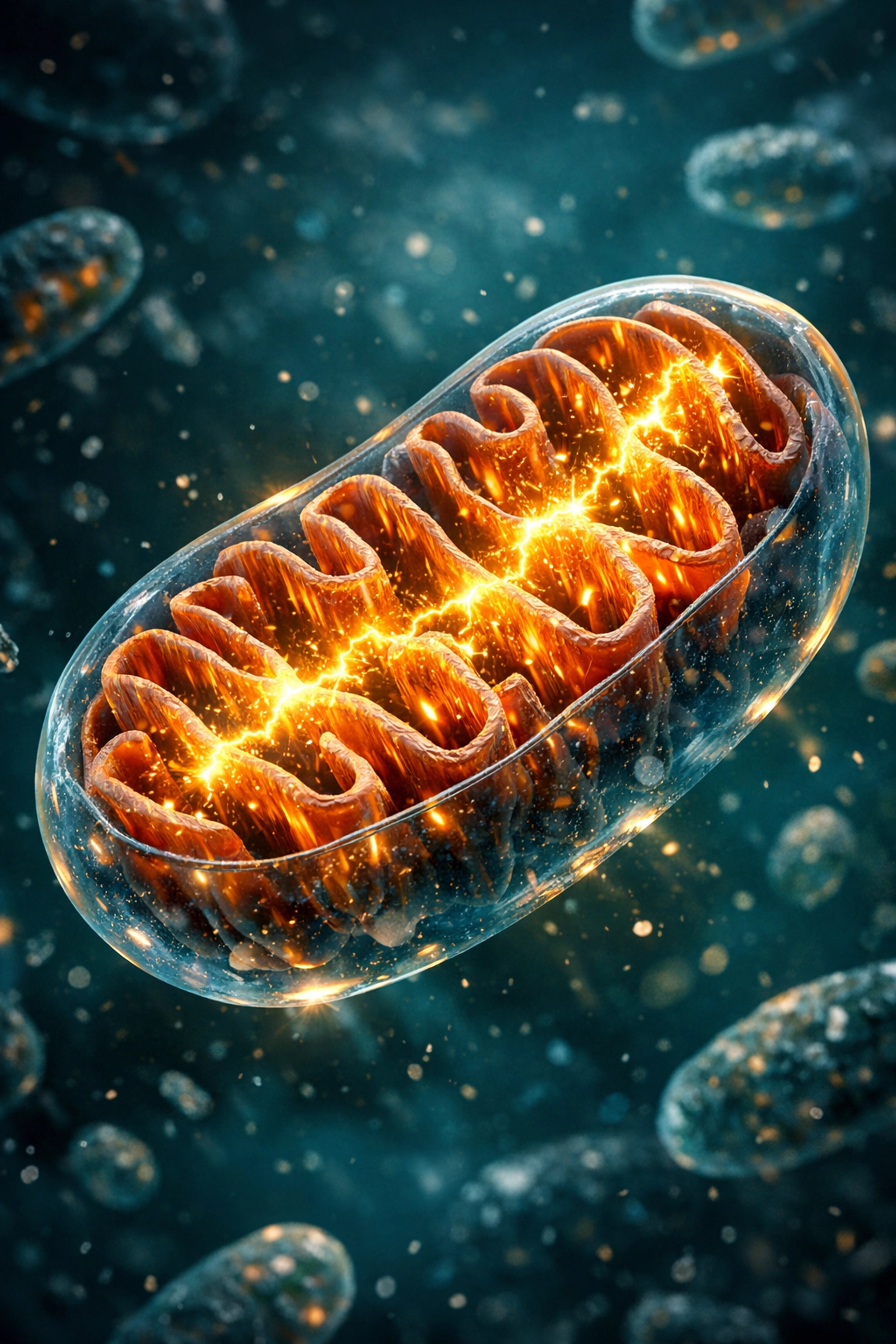
To understand why creatine is so versatile, we have to look at the cellular level. Every cell in your body runs on a currency called Adenosine Triphosphate (ATP). When your body needs energy, to blink, to think, or to sprint, it "breaks" a phosphate bond from ATP, turning it into Adenosine Diphosphate (ADP).
The problem? Your cells only store enough ATP for a few seconds of high-intensity activity. To keep going, your body needs to "recharge" ADP back into ATP immediately.
This is where creatine comes in. It is stored in your muscles and brain as phosphocreatine. When ATP runs low, phosphocreatine donated its phosphate group to ADP, instantly regenerating it into usable energy.
The Phosphocreatine System at a Glance
| Feature | Description |
|---|---|
| Primary Location | 95% in skeletal muscle, 5% in the brain and testes. |
| Primary Role | Rapid ATP regeneration during high-energy demand. |
| Dietary Sources | Red meat, herring, and poultry (though difficult to get therapeutic doses). |
| Cellular Impact | Increases cellular hydration and supports mitochondrial efficiency. |
Beyond the Gym: The Nootropic and Cognitive Frontier
The most exciting research in 2026 isn't happening in the weight room; it's happening in neurology labs. Your brain is a metabolic hog, consuming roughly 20% of your body's total energy despite only weighing about 2% of your body mass.
Because the brain requires constant, rapid ATP turnover, creatine supplementation acts like an "uninterruptible power supply" (UPS) for your neurons.
1. Combating Brain Fog and Sleep Deprivation
New data shows that creatine supplementation can significantly improve cognitive performance during periods of acute stress or sleep deprivation. When you are sleep-deprived, your brain's ATP levels dip. Supplementing with creatine helps maintain executive function, memory, and reaction time even when you’ve only had four hours of sleep.
2. Neuroprotection and Concussion Recovery
In 2026, many professional contact sports leagues have begun recommending creatine as a prophylactic measure. Why? Because a brain saturated with creatine has better "bioenergetic resilience" against traumatic brain injuries (TBIs). It helps reduce the metabolic crisis that occurs immediately after a concussion, potentially speeding up recovery times.
3. Depression and Mental Health
Emerging clinical trials suggest that creatine may enhance the efficacy of certain antidepressants. By improving the energy metabolism of the prefrontal cortex, it helps support mood regulation and emotional resilience.

Creatine for Longevity: Protecting Your "Longevity Currency"
As we age, we face two major physiological threats: Sarcopenia (muscle loss) and Dynapenia (loss of muscle power). After the age of 30, we lose between 3% and 8% of our muscle mass per decade. Muscle isn't just for looking good; it is your metabolic sink. It regulates glucose, supports bone density, and predicts your lifespan.
The Anti-Sarcopenia Protocol
Creatine isn't just for building new muscle; it’s remarkably effective at preserving the muscle you have. It works by:
- Upregulating Myogenin: A key factor in muscle repair.
- Reducing Myostatin: A protein that inhibits muscle growth.
- Hydrating Cells: Increasing cellular volume, which acts as an anabolic signal for the cell.
For older adults, this means better balance, fewer falls, and maintained independence. In 2026, leading longevity clinics now prescribe creatine to patients over 50 as a standard part of "The Centenarian Decathlon" training.
Breaking the Gender Gap: Creatine for Women
One of the biggest hurdles in supplement history was the myth that creatine makes women "bulky" or "bloated." In reality, women may actually benefit more from creatine than men due to hormonal fluctuations.
Hormonal Health and the Menstrual Cycle
Research indicates that creatine levels in women fluctuate with the menstrual cycle, specifically dipping during the luteal phase. Supplementation can help mitigate the physical and mental fatigue often associated with these shifts.
Bone Mineral Density
Post-menopausal women are at a high risk for osteoporosis. Studies have shown that combining creatine with resistance training leads to greater increases in bone mineral density compared to exercise alone. It seems to stimulate osteoblast activity, the cells responsible for building bone.

The 2026 Supplementation Protocol: How to Optimize
The days of complicated "loading phases" involving 20 grams of powder a day are largely over, unless you are an athlete needing immediate results. For the average person looking for healthspan benefits, simplicity is king.
1. Choose the Right Form
While "Creatine HCL" and "Buffered Creatine" are marketed heavily, Creatine Monohydrate remains the gold standard. It has a 99% absorption rate and is backed by over 1,000 peer-reviewed studies. In 2026, the focus has shifted to Creapure or third-party tested micronized powders to ensure no heavy metal contamination.
2. Dosing for Longevity
- Standard Dose: 3 to 5 grams per day.
- Cognitive Dose: Some studies suggest up to 10 grams per day may be more effective for brain health, particularly for vegetarians or vegans who don't get creatine from meat.
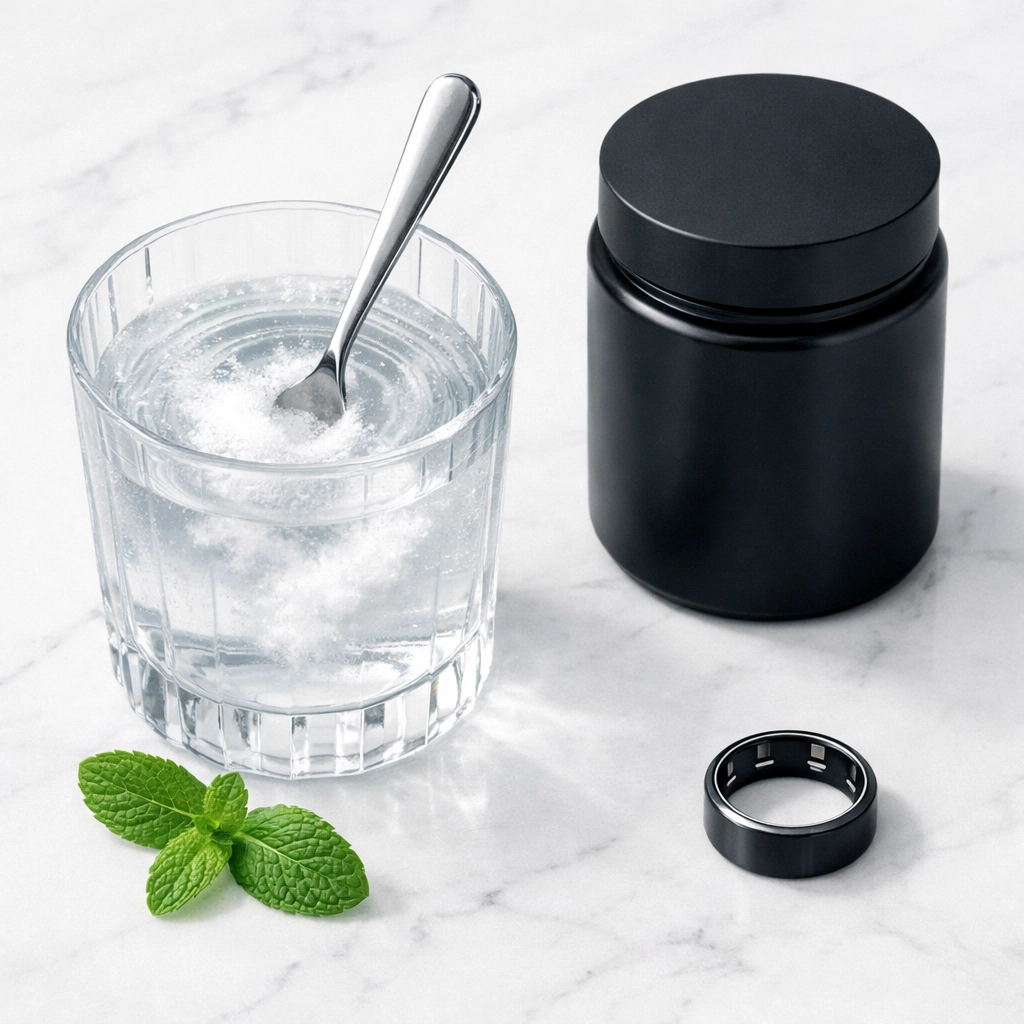
- Timing: It doesn't matter. Creatine works via saturation, not acute timing. Take it whenever you will be most consistent.
3. The "Non-Responder" Myth
Roughly 20% of people are "non-responders" because their natural levels are already high (usually from a high-red-meat diet). However, even non-responders for muscle growth often see the cognitive benefits of supplementation.
Addressing the Myths (2026 Edition)
- "Does it hurt the kidneys?" No. In healthy individuals, thousands of studies have shown no adverse effects on renal function. The myth persists because creatine raises creatinine levels in blood tests, a marker usually used to measure kidney stress. However, in this case, it’s just a byproduct of the supplement, not a sign of damage.
- "Will I lose my hair?" The 2009 study that linked creatine to DHT (a hormone associated with hair loss) has never been successfully replicated. In 2026, the scientific community considers this link to be anecdotal and unsupported by robust data.
- "Is it a steroid?" No. Creatine is a tripeptide made of three amino acids (arginine, glycine, and methionine). It is a naturally occurring compound found in your own body and in the food you eat.
Summary: The New Baseline
In the landscape of 2026 wellness, creatine has moved from the "optional" list to the "essential" list. It is a cost-effective, safe, and powerful tool that supports the two most important drivers of a long, healthy life: a resilient brain and a functional body.
Whether you are a 25-year-old athlete, a 45-year-old parent, or a 70-year-old retiree, the evidence is clear: creatine is for you.
About the Author
Malibongwe Gcwabaza is the CEO of blog and youtube and a dedicated advocate for evidence-based longevity. With a background in health technology and a passion for simplifying complex biological data, Malibongwe focuses on bridging the gap between clinical research and daily lifestyle habits. His mission is to empower individuals to take control of their "biological age" through actionable, data-driven insights.
Disclaimer: This article is for informational purposes only and does not constitute medical advice. Always consult with a healthcare professional before starting a new supplement regimen, especially if you have pre-existing kidney conditions.
About the Author