The days of stuffing keywords like "green juice benefits" into a 500-word post and watching it climb to page one are officially dead. As we move through 2026, the SEO landscape for wellness creators has undergone a massive transformation. We aren't just optimizing for Google anymore; we’re optimizing for AI agents, Search Generative Experiences (SGE), and a highly skeptical audience that can smell generic AI content from a mile away.
If you want your wellness blog to thrive this year, you need to stop thinking about individual keywords and start thinking about topical ecosystems. Here is the definitive roadmap for ranking your wellness brand in 2026.
The Death of Keywords: Moving to Semantic Clustering
In 2026, search engines are no longer looking for exact word matches. They are looking for Topical Authority. This is achieved through semantic clustering: creating a web of interconnected content that proves you are an expert on a specific subject.
Instead of trying to rank one massive post for "Anxiety," you need to build a cluster. A cluster consists of a "Pillar Page" (a high-level overview) and several "Cluster Pages" (deep dives into specific sub-topics).
Example of a Wellness Cluster: Gut Health
- Pillar Page: The Ultimate Guide to Gut Health in 2026.
- Cluster Page 1: The link between the microbiome and skin health.
- Cluster Page 2: Prebiotics vs. Probiotics: What does the latest research say?
- Cluster Page 3: How stress impacts digestion: A physiological breakdown.
- Cluster Page 4: Top 10 fermented foods for natural gut healing.
By linking all these cluster pages back to your pillar, you signal to AI-driven search algorithms that your site is a comprehensive resource. This semantic relevance is what earns you "AI Citations" in search summaries.

Optimizing for AI Overviews and SGE
Most searches now begin with an AI-generated summary at the top of the results page. To get your wellness blog featured as a source in these summaries, you need to change how you structure your writing.
1. Quotable Answer Modules
AI agents look for concise, factual "modules" they can easily scrape. At the beginning of your sections, include a 2-3 sentence summary that answers a specific question (e.g., "What is the best time to take magnesium?").
2. Structured Data (Schema Markup)
Technical SEO in 2026 relies heavily on Schema. For wellness blogs, you should be using:
- Article Schema: For your standard posts.
- HowTo Schema: For wellness routines or recipes.
- FAQ Schema: To capture "People Also Ask" boxes and AI-generated Q&As.
- MedicalWebPage Schema: If you are providing health-related advice, this helps establish your E-E-A-T (Experience, Expertise, Authoritativeness, and Trustworthiness).
3. The "Unshittification" of Content
Google’s 2026 algorithms are hyper-focused on "Helpful Content." This means avoiding the generic, repetitive fluff that characterized early AI-generated blogs. Your content needs to provide unique value. If your post on "How to Meditate" looks exactly like every other post on the internet, it will be buried. Add personal anecdotes, original data, or unique case studies to stand out.
Content Velocity: Why Consistency is the New King
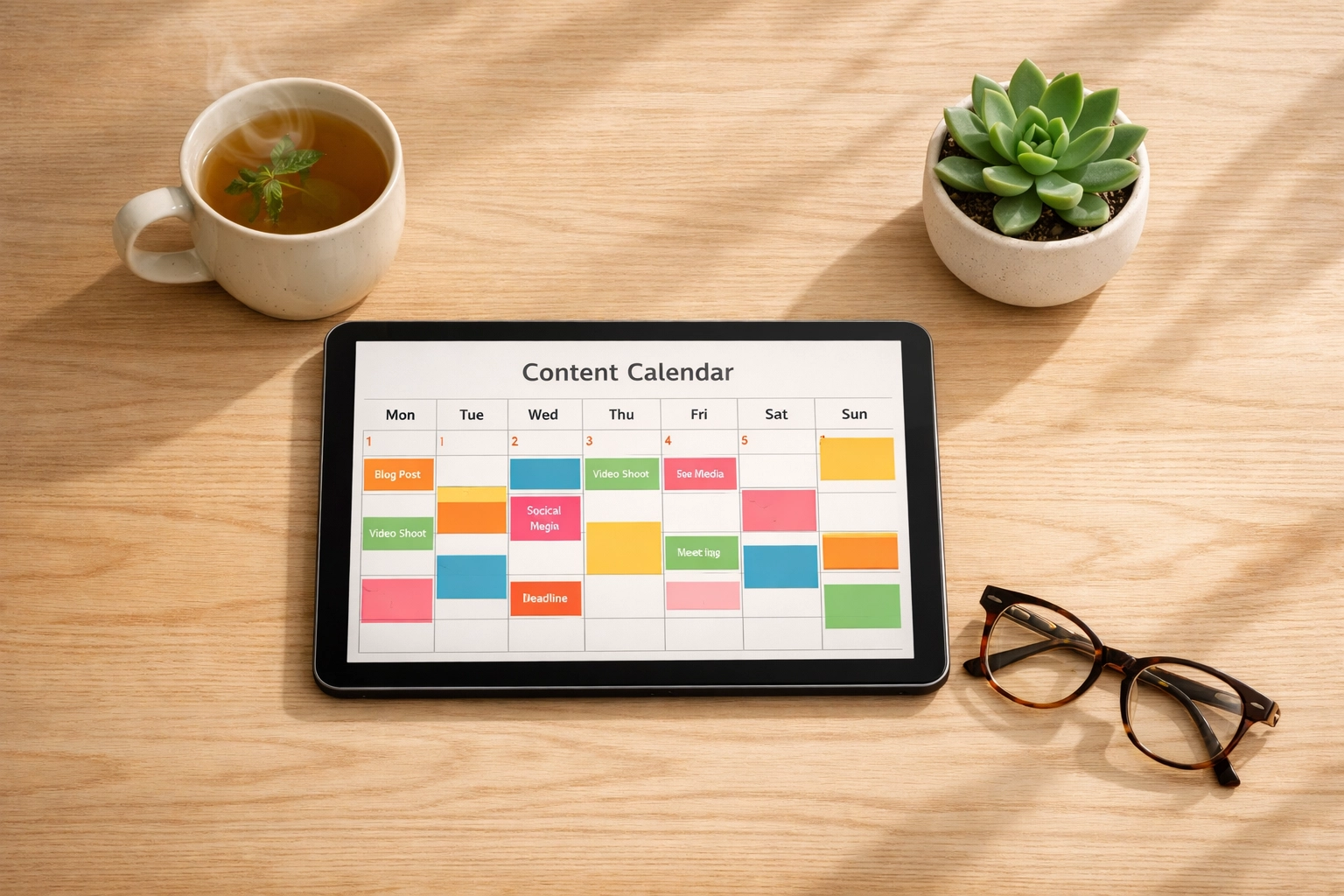
The frequency at which you publish: your content velocity: is a major ranking factor in 2026. Search engines prioritize sites that are consistently active and "fresh."
Based on current data, the most successful wellness blogs follow this publishing cadence:
| Content Type | Frequency | Purpose |
|---|---|---|
| Standard Blog Posts | 2x per week | Targeting long-tail keywords and niche questions. |
| Pillar Pages | 1x per month | Building broad topical authority. |
| Content Updates | 2x per month | Refreshing old posts with new 2026 data. |
Consistency signals to search crawlers that your site is a living, breathing resource. If you go dark for three weeks, your rankings will likely slip in favor of a competitor who is publishing regularly.
Integrating Short-Form Video for SEO
Video is no longer just for social media; it is a critical component of on-page SEO. In 2026, short-form serialized video content earns roughly 49% higher engagement than static text-only posts.
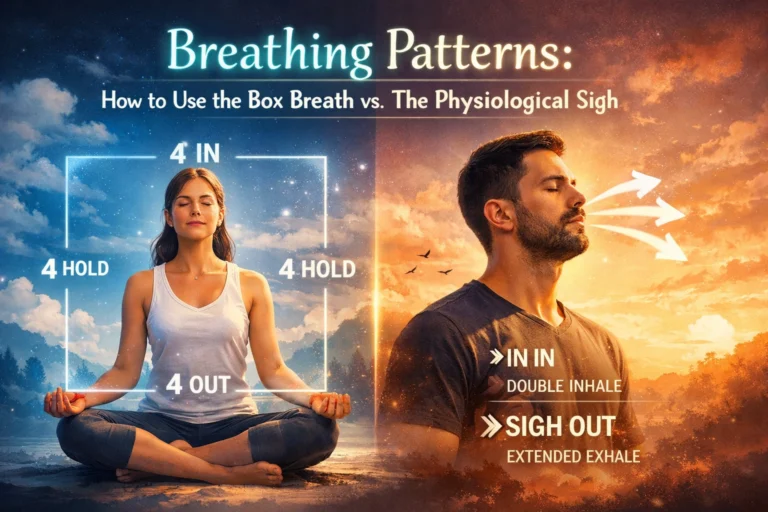
When you embed a 60-second video explaining a wellness concept (like "How to do Box Breathing") into your blog post, two things happen:
- Dwell Time Increases: Users stay on your page longer to watch the video, signaling to Google that your content is valuable.
- Video Search Visibility: Your video can appear in the "Video" tab of search results and in Google’s Discover feed, driving extra traffic to your blog.
Keep these videos "low-fi" and authentic. The trend in 2026 is moving away from over-produced, "perfect" content and toward raw, expert-led demonstrations.
Mapping Content to User Intent
To rank, you must understand why someone is searching. In the wellness niche, search intent usually falls into four buckets:
- Informational Intent: "What are the symptoms of burnout?"
- Content Strategy: Long-form guides, infographics, and deep dives.
- Commercial Intent: "Best organic protein powders 2026."
- Content Strategy: Comparison reviews, "Best of" lists, and pros/cons tables.
- Local Intent: "Holistic nutritionist in Johannesburg."
- Content Strategy: Local landing pages and optimized Google Business Profiles.
- Authority/Brand Intent: "HealthyNest yoga routines."
- Content Strategy: Pillar pages that showcase your unique methodology.
By categorizing your keyword list into these four buckets, you can ensure you aren't just driving traffic, but driving the right traffic that actually converts into subscribers or customers.

The Technical Pillars: Speed and Mobile-First
Even the best wellness advice won't rank if your site takes five seconds to load. In 2026, "Core Web Vitals" are the baseline for entry.
- LCP (Largest Contentful Paint): Your main content must load in under 1.2 seconds.
- INP (Interaction to Next Paint): This replaced FID (First Input Delay) and measures how quickly your site responds when a user clicks a button or link.
- Accessibility: Ensure your blog is readable for everyone. This includes high-contrast fonts, alt-text for all images, and a layout that doesn't break on foldable mobile devices.
Since over 80% of wellness content is consumed on mobile devices (often while people are at the gym, in the grocery store, or in bed), a mobile-first design is non-negotiable.
E-E-A-T: The Human Element
Finally, let’s talk about trust. In an era where AI can churn out millions of words a minute, human expertise is the ultimate premium. To boost your E-E-A-T:
- Author Bios: Every post should have a clear author bio. Mention your credentials, years of experience, and links to your social profiles.
- Fact-Checking: Cite your sources. Link to peer-reviewed studies (Pubmed, etc.) or reputable news outlets.
- First-Hand Experience: Use "I" statements. Talk about your own wellness journey, your clients' success stories, and your personal failures. This "Experience" factor is something AI cannot replicate and is heavily weighted by 2026 algorithms.
Summary Checklist for 2026 Wellness SEO:
- Build Clusters: Stop writing random posts; build topical silos.
- Optimize for AI: Use quotable modules and schema markup.
- Boost Velocity: Stick to a 2x per week publishing schedule.
- Embed Video: Use short, authentic clips to increase dwell time.
- Focus on Intent: Match your content type to the user’s goal.
- Verify E-E-A-T: Prove you are a human expert with a unique perspective.
SEO in 2026 isn't about gaming the system; it’s about becoming the most helpful, authoritative, and human resource in your niche. If you focus on providing genuine value to your readers, the rankings will follow.
Author: Malibongwe Gcwabaza
CEO of blog and youtube. Malibongwe is a digital strategist focused on the intersection of AI, content creation, and sustainable business growth. With over a decade of experience in the digital space, he helps wellness brands navigate the evolving landscape of modern search.
About the Author