In 2026, the definition of a "page one" ranking has fundamentally shifted. For wellness blogs, appearing in the traditional ten blue links is no longer the primary goal. Instead, the focus has moved toward securing AI Citations: the footnotes and source links provided by AI search engines like Google’s AI Overviews, Perplexity, and SearchGPT.
If your wellness content isn't being synthesized into these AI answers, you are losing out on the highest-intent traffic in the industry. This guide breaks down the technical and strategic shifts required to dominate wellness search visibility in 2026, moving beyond basic keywords into the realm of topical authority and LLM (Large Language Model) optimization.
The Shift from Search Engines to Answer Engines
Search engines have evolved into "Answer Engines." When a user asks, "What is the best 7-day anti-inflammatory meal plan for beginners?", they no longer want to click through five different blogs to find a recipe list. They want the answer directly in the search interface.
To stay relevant, wellness blogs must transition from being "sites that have information" to "trusted sources that AI models want to cite." This requires a shift in how we structure data. AI models prioritize content that displays high Information Gain: a metric that rewards content for providing new, unique insights rather than regurgitating what is already on the web.
Why AI Citations are the New Gold Standard
AI Citations offer a higher click-through rate (CTR) from qualified leads because the AI has already "vetted" your content for the user. When a fitness tracking app is cited as the "most accurate for HRV monitoring," the user clicking that link is significantly closer to a conversion than someone just browsing a generic listicle.
1. Mastering EEAT: The "Experience" Factor in Wellness
Google’s 2026 algorithm updates have doubled down on the "E" for Experience in EEAT (Experience, Expertise, Authoritativeness, and Trustworthiness). In the wellness niche, where advice can impact physical health (Your Money or Your Life – YMYL), AI models are programmed to ignore faceless, AI-generated health advice.
How to Demonstrate Experience:
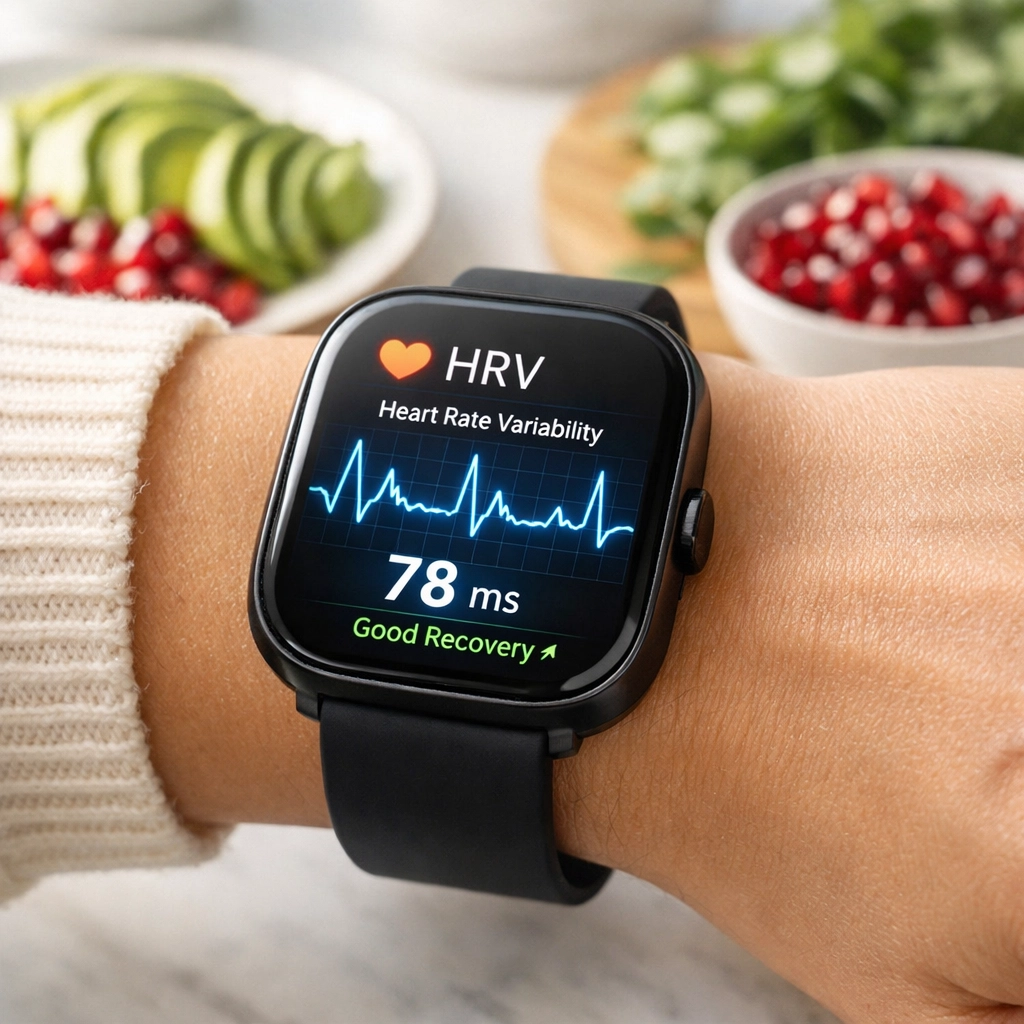
- First-Person Data: Instead of writing "Running is good for heart health," write "In our 30-day testing of the latest Garmin and Apple fitness tracking apps, we found that heart rate variability (HRV) was the most consistent predictor of recovery."
- Original Imagery and Video: Use original photos of healthy meal planning or workout routines. Metadata in original images signals to search engines that the content is based on real-world activity.
- Evidence-Based Citations: Every health claim must be backed by a link to a peer-reviewed study or a recognized medical authority.
[Internal Link Placeholder: Check out our deep dive on Building Trust with Evidence-Based Content]
2. Semantic Keyword Clustering for Topical Dominance
Gone are the days of targeting a single keyword like "healthy snacks." In 2026, search visibility is built through Semantic Clustering. This involves creating a web of related content that proves to an AI model that you have exhausted a specific topic.
Example: The "Healthy Meal Planning" Cluster
To own the topic of "Healthy Meal Planning," you shouldn't just write one guide. You need a pillar page supported by micro-topic clusters:
| Pillar Topic | Supporting Cluster Articles | Target AI Query |
|---|---|---|
| The Ultimate Guide to Meal Planning | Budget-friendly meal prep for families | "How can I meal prep for 4 for under $100?" |
| High-protein plant-based recipes | "Best vegan protein sources for muscle gain." | |
| Meal planning for insulin sensitivity | "What should I eat to stabilize blood sugar?" | |
| Tools: Digital vs. Paper planners | "Best apps for tracking macros and meals." |
By covering every angle of meal planning, you signal to AI models that your site is the definitive authority, making you the primary candidate for an AI Citation.
3. Optimizing for LLMs: The Technical Architecture
To be cited by an AI, your content must be "digestible" for a Large Language Model. This involves specific technical formatting that goes beyond traditional SEO.
Structured Data and Schema Markup
Use Schema.org markup extensively. For wellness blogs, this means:
- Recipe Schema: Including prep time, nutritional facts, and "suitable for diet" tags (e.g., Keto, Paleo).
- HowTo Schema: Perfect for workout routines or mindfulness exercises.
- Review Schema: Essential for fitness tracking apps or supplement reviews.
The "Answer-First" Content Structure
AI models often scrape the first 200–300 words of a section to generate an answer. Use the Inverted Pyramid style of writing:
- Direct Answer: Start with a clear, 2-3 sentence summary of the answer.
- Supporting Data: Provide a table or bulleted list of facts.
- Deep Dive: Expand on the "why" and "how" for the human reader.

4. The Rise of Branded Search in Wellness
In 2026, "unbranded" search volume is becoming more competitive and harder to track. The most successful wellness blogs are focusing on Branded Search. This happens when a user searches for "{Brand Name} + {Topic}" (e.g., "HealthyNest intermittent fasting guide").
When people search for your brand specifically, it tells AI models that you are a trusted entity. This creates a "flywheel effect": more branded searches lead to more AI citations, which lead back to more branded searches.
Strategies to Increase Branded Search:
- Consistent Multi-Platform Presence: Use YouTube and social media to establish a "voice" that people remember.
- Unique Frameworks: Don't just talk about "fitness"; create a named method, like the "HealthyNest 5-10-15 Circuit." When people search for that specific term, you own 100% of the visibility.
5. Content Velocity and Freshness Signals
The wellness industry moves fast. A study published last week can render a blog post from 2024 obsolete. AI models prioritize "Freshness" to ensure they aren't giving outdated health advice.
The 2026 Content Schedule for Maximum Visibility:
- Bi-Weekly Updates: Review your top 10 performing posts every two weeks to update stats, links, or advice.
- Weekly New Content: Aim for at least two high-quality, long-form (1,500+ words) posts per week.
- Monthly Pillar Audits: Ensure your internal linking structure is still pointing toward your most important "money pages."
[Internal Link Placeholder: Our Guide to Content Audits for Wellness Bloggers]
6. Measuring Success: Beyond the Rank
In the age of AI, "Position 1" is a vanity metric. Instead, look at:
- Citations/Mentions: How many times is your brand mentioned in AI-generated summaries?
- Engagement Rate: Are people staying on the page to read your unique "Experience" sections?
- Assisted Conversions: Use Google Analytics 4 (GA4) to see if an AI Overview click eventually led to a newsletter signup or a product purchase.

Conclusion: The Future is Human-Centric
While the tools for SEO in 2026 are highly technical, the goal is surprisingly human. AI models are trained to find the most helpful, experienced, and trustworthy content written by real people for real people. By focusing on deep-dive guides, unique data from fitness tracking, and comprehensive meal planning clusters, your wellness blog won't just survive the AI revolution: it will lead it.
Stop writing for bots and start writing for the "Answer Engines" by proving you are the most reliable human expert in the room.
About the Author: Malibongwe Gcwabaza
Malibongwe Gcwabaza is the CEO of blog and youtube, a premier digital media company specializing in wellness and lifestyle content. With over a decade of experience in digital strategy, Malibongwe focuses on the intersection of emerging AI technologies and content marketing. He is passionate about helping wellness brands build sustainable, authority-driven digital footprints that stand the test of algorithmic changes. Under his leadership, HealthyNest has grown into a leading voice in the health and fitness space, reaching millions of readers worldwide.
About the Author