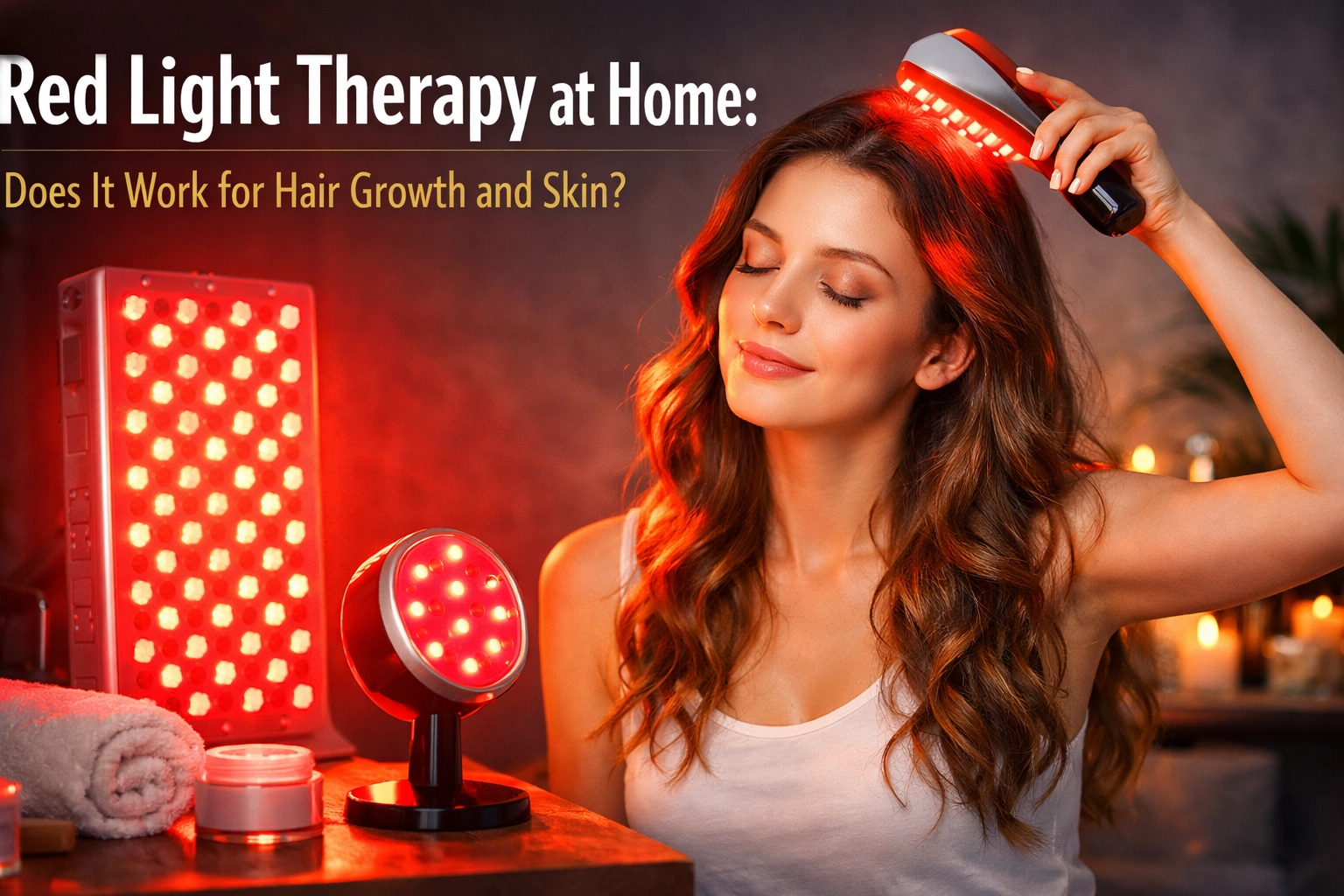
Red Light Therapy (RLT) has officially moved from the fringe of "biohacking" into the mainstream of 2026 wellness. It’s no longer just that weird red glow coming from your neighbor’s window at 6:00 AM; it’s a clinically backed tool used by elite athletes, dermatologists, and longevity seekers. But as the market floods with cheap LED masks and $50 "miracle" wands, the question remains: does the at-home version actually deliver the same results as a $200-per-session clinical treatment?
Specifically, when it comes to the two most common use cases, regrowing hair and reversing skin aging, the science is nuanced. It isn’t magic; it’s cellular biology. This guide dives into the mechanics of photobiomodulation (PBM), the data behind hair and skin efficacy, and how to spot a device that actually works versus a glorified Christmas light.
The Biological Engine: How Photons Power Your Cells
To understand if RLT works, you have to look at the mitochondria. Red light (typically in the 630–670 nm range) and Near-Infrared light (810–850 nm) work through a process called photobiomodulation.
When these specific wavelengths of light hit your tissue, they are absorbed by a photoreceptor in your cells called cytochrome c oxidase. This kickstarts a few critical reactions:
- Increased ATP Production: Your cells produce more Adenosine Triphosphate (ATP), which is essentially the "currency" of cellular energy.
- Nitric Oxide Release: This dilates blood vessels, improving circulation and nutrient delivery to the area being treated.
- Hormetic Stress: Like a workout for your cells, RLT creates a mild, beneficial stress that triggers repair mechanisms and antioxidant defenses.

Targeted Growth: Red Light for Thinning Hair
For anyone dealing with androgenetic alopecia (pattern hair loss) or general thinning, RLT is one of the few non-invasive treatments with significant clinical backing. By 2026, several large-scale trials have confirmed that RLT is as effective as 5% Minoxidil for many users, without the messy scalp application or side effects.
How It Influences the Hair Cycle
Hair grows in cycles: Anagen (growth), Catagen (transition), and Telogen (resting). Hair loss occurs when the follicles shrink and the Anagen phase gets shorter. Red light therapy, specifically at the 650 nm wavelength, forces follicles back into the Anagen phase.
The Evidence:
- Density and Thickness: A pivotal 24-week study concluded that at-home RLT helmets increased hair density by an average of 35% in participants with hereditary hair loss.
- Synergy: Data shows that combining RLT with microneedling or topical treatments produces a "1+1=3" effect, significantly outpacing any single treatment alone.
What to Expect (The Realistic Timeline)
You won’t wake up with a mane after one session. Hair growth is a slow biological process.
- Weeks 1–4: Reduced inflammation and potentially less "shedding."
- Weeks 8–12: Existing hair feels thicker due to improved follicle health.
- Months 4–6: Visible new growth and filled-in patches.
The Skin Deep Dive: Collagen, Elastin, and Beyond
In the realm of skincare, RLT is primarily used for its "anti-aging" properties. Unlike chemical peels or laser resurfacing that damage the skin to trigger repair, RLT is a "cold" therapy that builds the skin from the inside out.
Benefits for Aging and Acne
- Collagen Synthesis: RLT stimulates fibroblasts, the cells responsible for producing collagen and elastin. This leads to a measurable reduction in fine lines and "crepey" skin texture.
- Inflammation Control: It’s a powerhouse for rosacea and general redness. By downregulating inflammatory cytokines, it calms the skin's surface.
- Acne Treatment: While Red Light helps with healing, Blue Light (415 nm) is typically needed to kill P. acnes bacteria. Most high-end 2026 devices now offer a combination mode.
Comparative Effectiveness: At-Home vs. Clinical
| Feature | At-Home Device (High Quality) | Clinical Session |
|---|---|---|
| Wavelength Precision | High (if reputable) | Very High |
| Irradiance (Power) | Moderate (50–100 mW/cm²) | High (200+ mW/cm²) |
| Convenience | Daily use in pajamas | Monthly appointments |
| Cost | $300 – $1,000 (One-time) | $150 – $300 (Per session) |
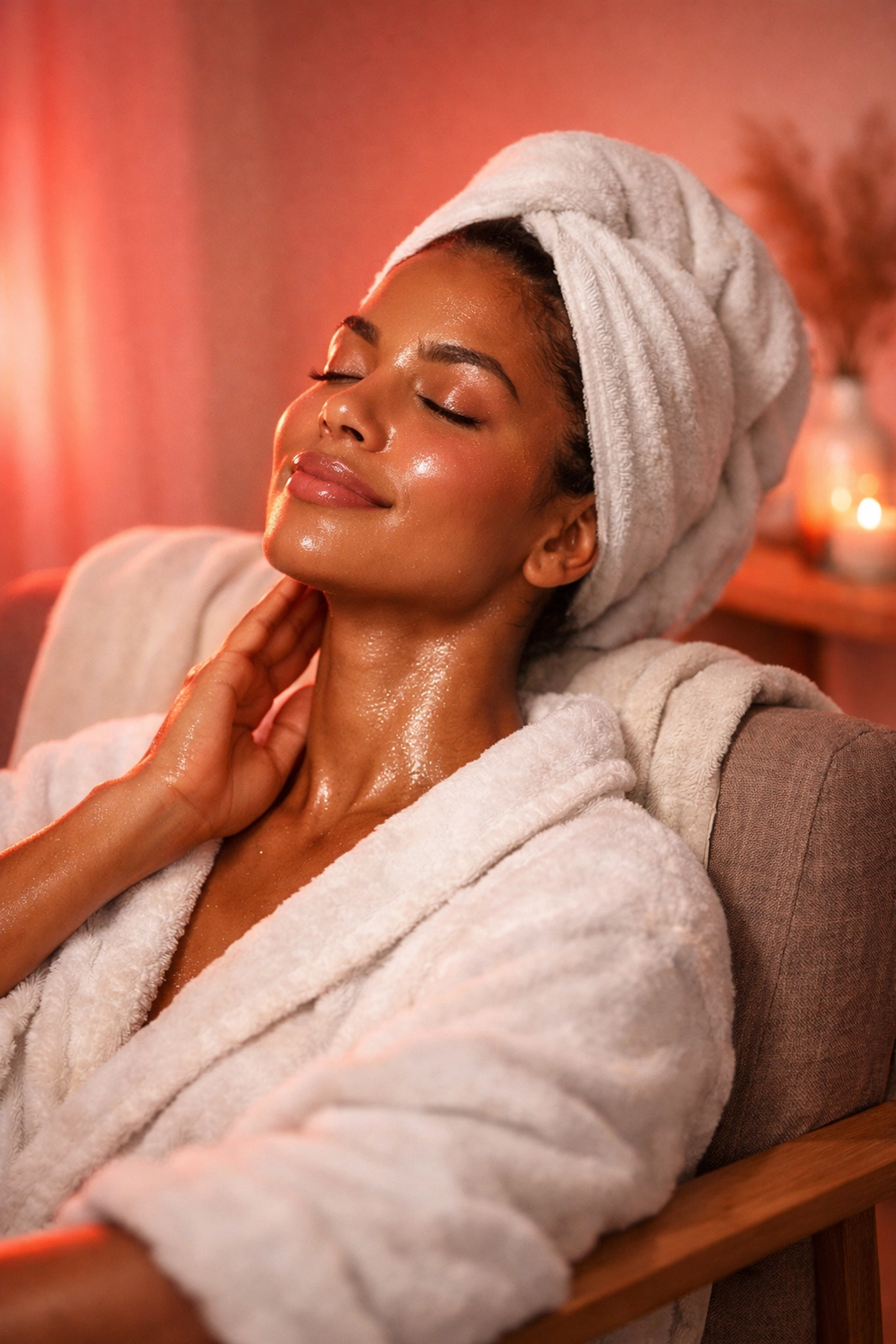
The "Irradiance" Factor: Why Most Cheap Devices Fail
The biggest reason people claim "red light therapy didn't work for me" is that they bought an underpowered device. In RLT, irradiance, the power density of the light reaching your skin, is everything.
If a device is too weak, the photons never reach the deeper layers of the dermis or the hair bulb. Many cheap masks sold on social media have an irradiance of less than 10 mW/cm², which is essentially a red tinted glow. For clinical-grade results at home, you want a device that delivers at least 50 mW/cm² at the recommended treatment distance.
Buying Guide: What to Look For in 2026
If you’re ready to invest in your longevity and appearance, don't get distracted by "smart" apps or fancy colors. Look at the technical specs:
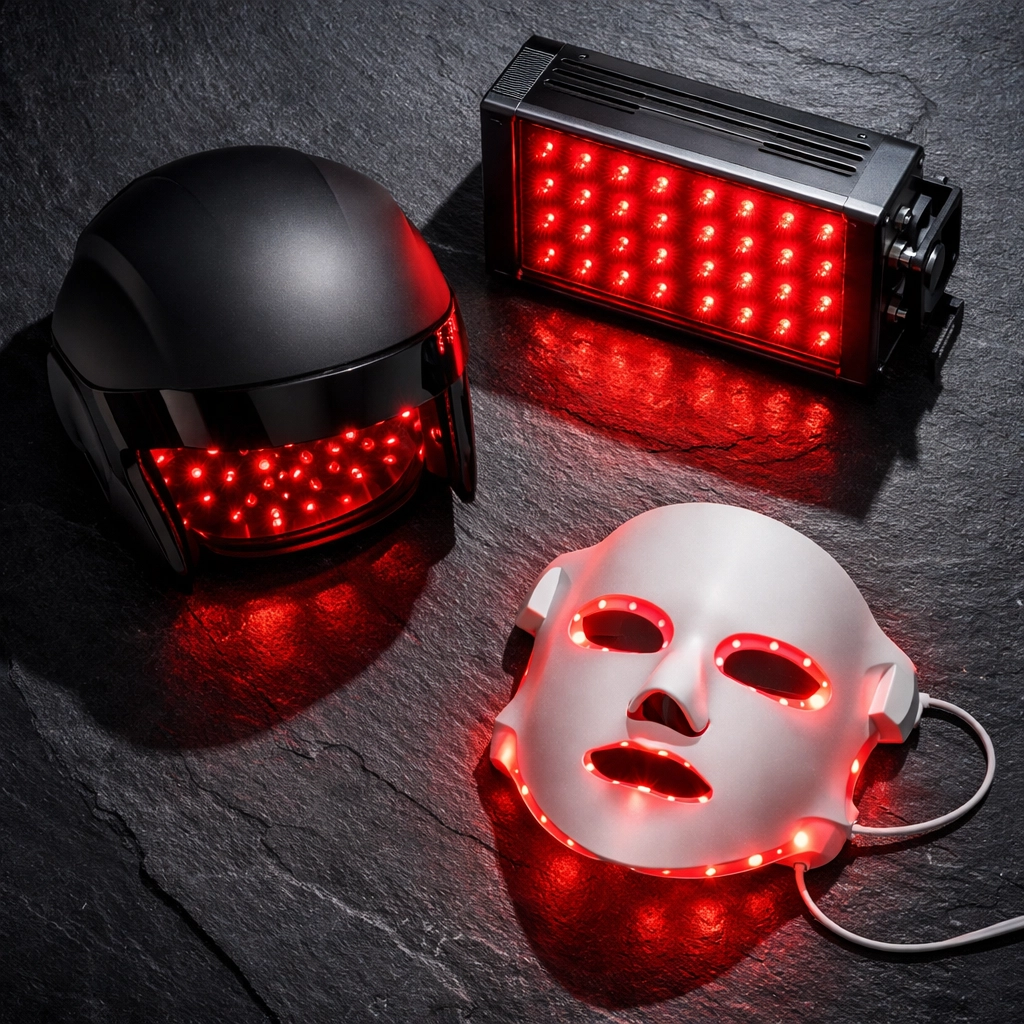
- Wavelengths: Ensure it offers 660 nm (Red) and 850 nm (Near-Infrared). NIR is crucial for skin because it penetrates deeper than visible red light.
- Flicker Rate: Low-quality LEDs flicker at a frequency that can cause headaches or eye strain. Look for "Flicker-Free" certification.
- EMF Output: Since you are putting these devices close to your brain (helmets) or face (masks), ensure they are shielded for zero or low EMF.
- Device Type:
- Panels: Best for systemic benefits and large skin areas.
- Helmets: Essential for hair, as they provide consistent, hands-free scalp coverage.
- Masks: Great for convenience, but ensure they sit flush against the skin to maximize light absorption.
The 12-Week Protocol for Maximum Results
Consistency is the "secret sauce" of RLT. Because the effect is cumulative, skipping weeks will reset your progress.
For Hair Growth:
- Frequency: 3 to 4 times per week.
- Duration: 15–20 minutes.
- Pro Tip: Use on a clean, dry scalp. Oils and hair products can reflect the light, reducing penetration.
For Skin Rejuvenation:
- Frequency: 5 times per week (daily is fine).
- Duration: 10 minutes.
- Pro Tip: Cleanse your face first. Some antioxidants (like Green Tea extract) can actually be "supercharged" by red light, but heavy sunscreens or makeup will block the photons.
Safety, Side Effects, and Caveats
RLT is incredibly safe, but it isn't for everyone.
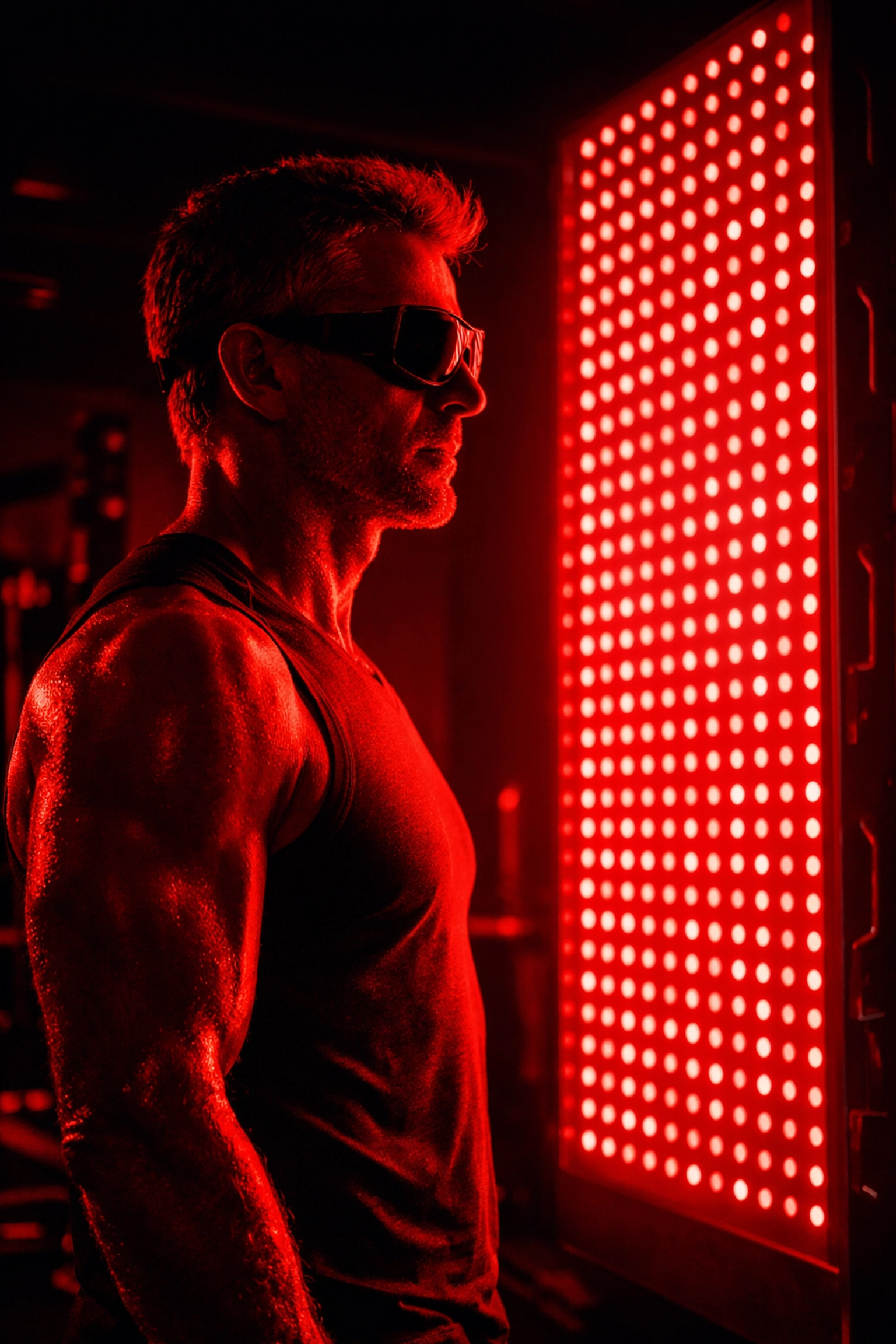
- Eye Protection: While red light is generally safe, Near-Infrared light is invisible and can be intense. Always use the provided goggles, especially with high-powered panels.
- Photosensitizing Medications: If you are on Accutane, certain antibiotics (like Tetracycline), or lithium, consult a doctor first, as these can make your skin hyper-reactive to light.
- Hyper-Pigmentation: In rare cases, NIR can worsen Melasma in certain skin types due to the slight heat generated. If you have Melasma, stick to pure Red Light (660 nm) without the NIR setting.
Final Verdict: Is It Worth It?
In 2026, the verdict is a resounding yes: with a caveat. Red Light Therapy works for hair growth and skin health, but it requires a high-quality device and the discipline to use it almost daily. It is a marathon, not a sprint. If you are looking for a "one-and-done" fix, stick to fillers or hair transplants. But if you want a foundation of cellular health that pays dividends in how you look and age over the next decade, RLT is the most powerful tool in the home-wellness arsenal.
About the Author: Malibongwe Gcwabaza
Malibongwe Gcwabaza is the CEO of blog and youtube and a dedicated advocate for functional fitness and longevity science. With over a decade of experience in the wellness industry, Malibongwe focuses on translating complex biotechnological advancements into actionable lifestyle protocols. His mission is to empower individuals to take control of their biological age through data-driven habits and cutting-edge at-home technology. When not researching the latest in mitochondrial health, he can be found testing new recovery protocols in his home biohacking lab.
About the Author