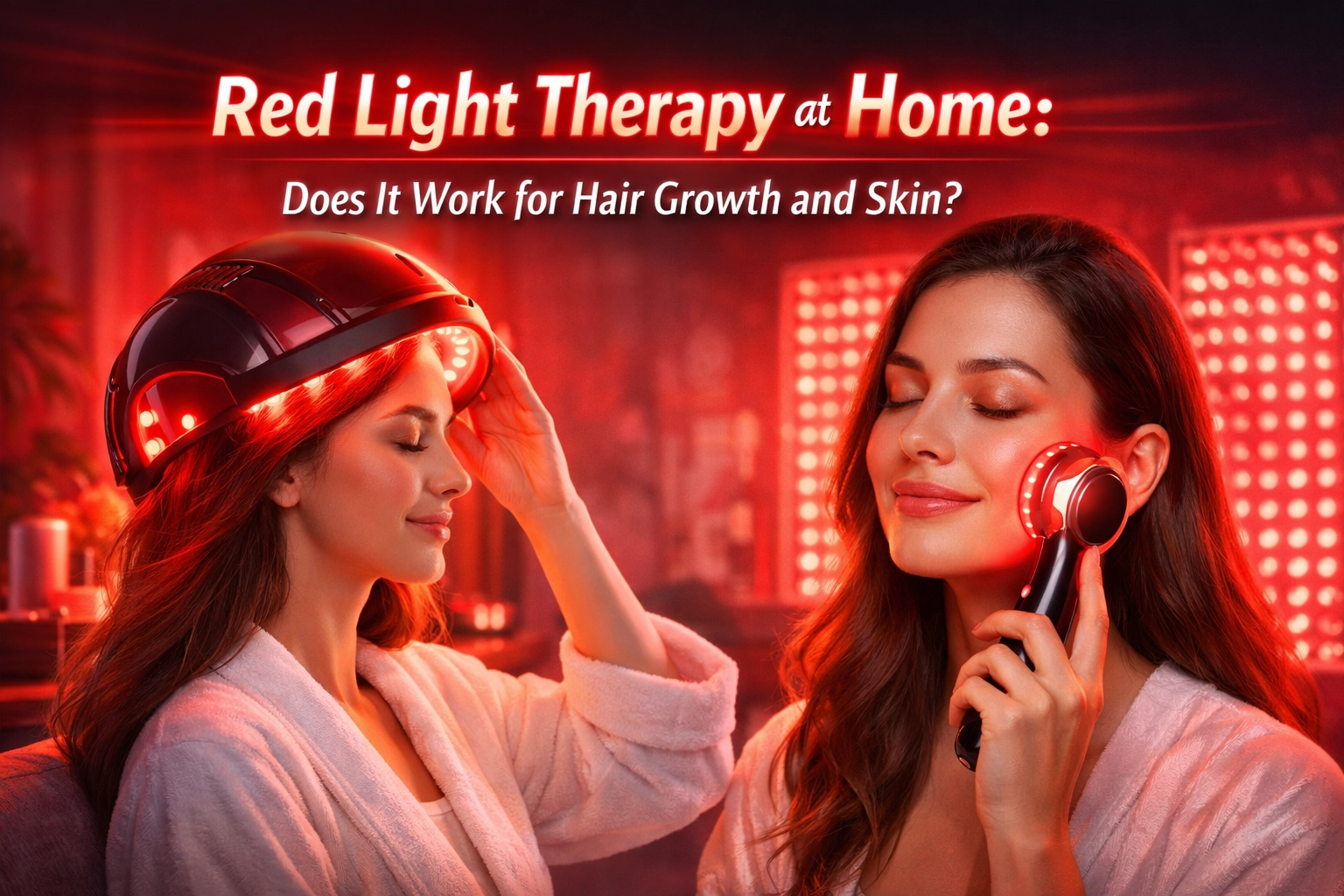
Red Light Therapy (RLT) has transitioned from a niche clinical treatment to a staple in the biohacker’s toolkit. While the glow of red LEDs might look like sci-fi, the underlying science: known as photobiomodulation (PBM): is grounded in decades of peer-reviewed research, including foundational work by NASA.
Whether you are looking to reverse androgenetic alopecia or reduce the depth of fine lines, understanding the technical nuances of how light interacts with human tissue is the difference between seeing results and wasting money on overpriced hardware. This guide breaks down the biological mechanisms, clinical data, and technical specifications you need to know for effective at-home treatment.
The Mechanism: How Photobiomodulation Works
At its core, Red Light Therapy is a form of metabolic support. Unlike sunlight, which contains damaging UV rays, or lasers used for hair removal that rely on thermal damage, RLT uses low-level wavelengths that do not heat the tissue.
The primary target of RLT is the mitochondria, specifically a protein called cytochrome c oxidase (CCO). When red and near-infrared (NIR) light photons hit the CCO, they help displace nitric oxide, which often inhibits cellular respiration. This allows the mitochondria to use oxygen more effectively and increase the production of Adenosine Triphosphate (ATP): the "energy currency" of the cell.
Key Biological Effects:
- ATP Production: Enhanced energy allows cells to perform repair and replication functions more efficiently.
- Reactive Oxygen Species (ROS) Signaling: Low levels of ROS are produced, which act as signaling molecules to trigger cellular protective mechanisms.
- Increased Blood Flow: RLT stimulates the release of nitric oxide into the bloodstream, causing vasodilation and improving nutrient delivery to the skin and hair follicles.

Red Light Therapy for Hair Growth: The Data
For those experiencing thinning hair, the goal of any therapy is to keep the hair in the anagen (growth) phase for as long as possible. RLT, often referred to in hair loss circles as Low-Level Laser Therapy (LLLT), is one of the few FDA-cleared non-drug treatments for androgenetic alopecia.
The 650nm "Sweet Spot"
Clinical research consistently points to the 650 nanometer (nm) wavelength as the most effective for scalp penetration. At this depth, the light reaches the base of the hair follicle (the dermal papilla).
A meta-analysis of multiple double-blind, randomized controlled trials found that participants using 650nm LLLT devices for 15–30 minutes every other day showed a significant increase in hair density. Specifically:
- Increased Diameter: Individual hair shafts became thicker.
- Follicle Activation: Dormant follicles were nudged back into the anagen phase.
- Inflammation Reduction: By lowering perifollicular inflammation, RLT prevents the "strangling" of follicles common in male and female pattern baldness.
RLT vs. Minoxidil
Interestingly, studies have shown that LLLT can be just as effective as 5% Minoxidil (Rogaine). However, the best results are typically found in combination therapy. Using RLT to increase blood flow can actually improve the absorption and efficacy of topical treatments like Minoxidil or Finasteride.
Red Light Therapy for Skin: Collagen and Repair
While hair growth relies heavily on the 650nm range, skin rejuvenation benefits from a combination of Red light (630nm–660nm) and Near-Infrared light (830nm–850nm).
Anti-Aging and Collagen Synthesis
Collagen is the structural protein that keeps skin firm. As we age, our fibroblast cells (the ones responsible for collagen production) slow down. RLT stimulates these fibroblasts.
- Winkle Reduction: By increasing collagen and elastin production, RLT reduces the depth of fine lines.
- Texture and Tone: Data suggests a marked improvement in skin roughness and "glow" after 8 to 12 weeks of consistent use.
Acne and Inflammation
While Blue light (415nm) is better at killing acne-causing bacteria, Red light is essential for treating the aftermath. It reduces the redness associated with inflammatory acne and speeds up the healing process of post-inflammatory hyperpigmentation (PIH).
Technical Specs: What to Look for in a Home Device
The market is flooded with cheap LED masks and wands. To see clinical-grade results, you must evaluate three technical pillars: Wavelength, Irradiance, and EMF shielding.
1. Wavelength Precision
Ensure the device specifies its peak wavelengths. You want:
- 660nm (Red): For skin surface, collagen, and hair.
- 850nm (Near-Infrared): For deeper tissue, muscle recovery, and joint pain. (Note: NIR is invisible to the human eye).
2. Irradiance (Power Density)
This is the most critical and most lied-about stat. Irradiance is measured in milliwatts per square centimeter (mW/cm²).
- For hair and skin, you generally want an irradiance of at least 30mW/cm² to 50mW/cm² at the treatment distance (usually 6 inches).
- If the irradiance is too low, you won't reach the "power threshold" required to trigger photobiomodulation.
3. Coverage and LEDs
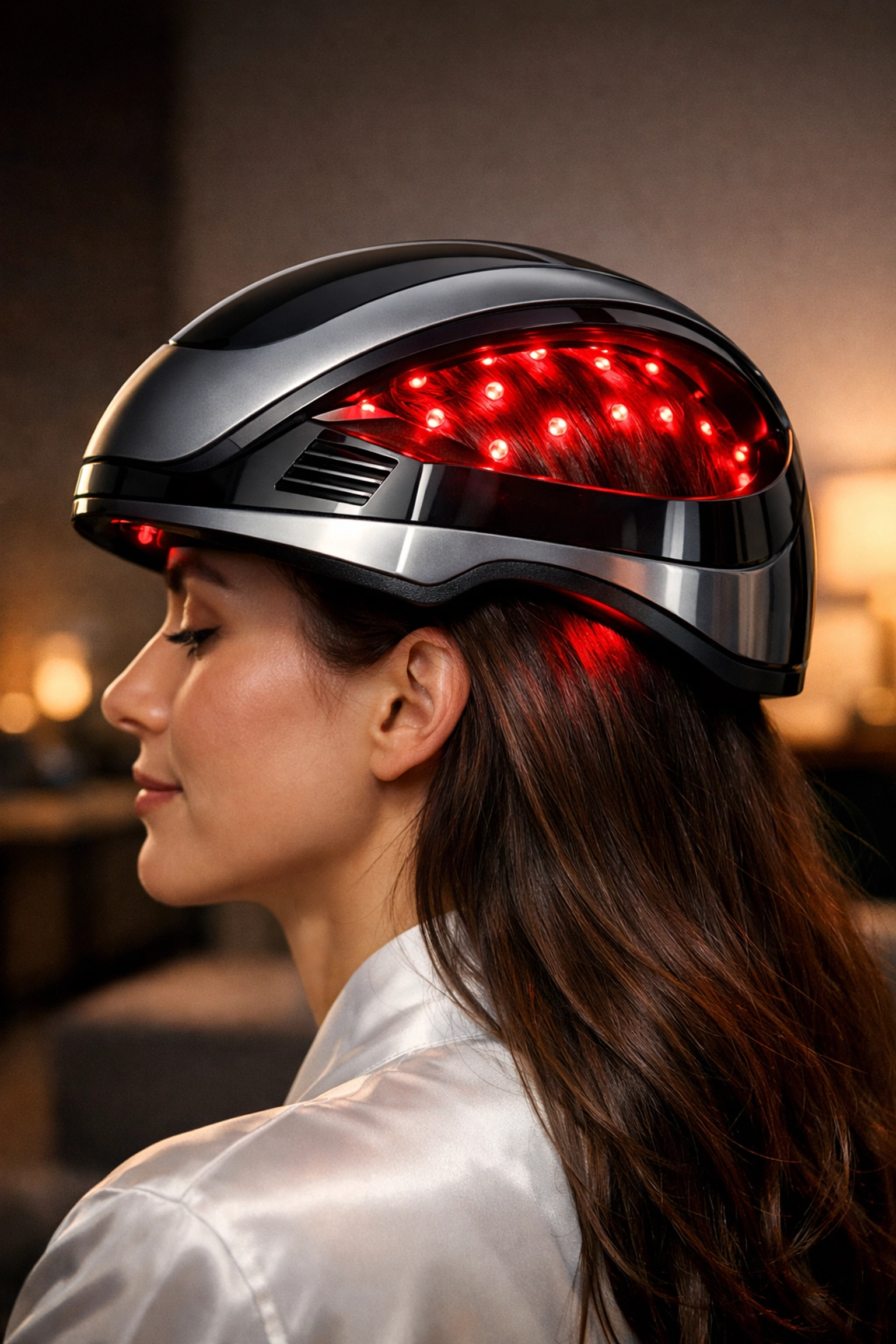
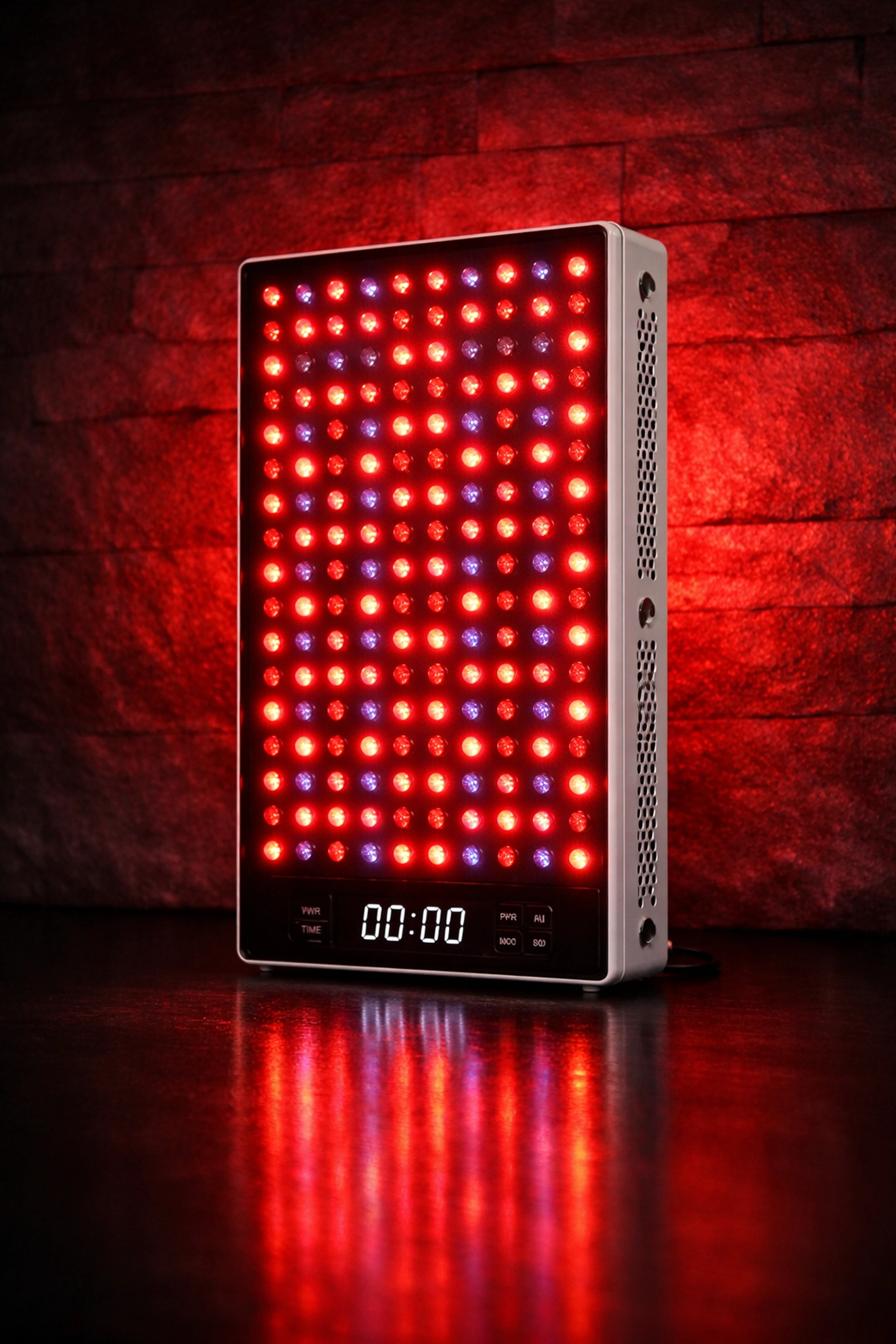
For hair, a helmet or cap is superior to a comb. Why? Consistency. A helmet ensures every follicle receives the same dose of light simultaneously without manual effort. For the face, a panel is often better than a flexible mask because panels typically offer higher irradiance and better heat management.
| Feature | Hair Growth Goal | Skin Rejuvenation Goal |
|---|---|---|
| Primary Wavelength | 650nm – 660nm | 630nm & 830nm |
| Device Format | Laser Cap / Helmet | LED Panel / Mask |
| Frequency | 3-4 times per week | 5-7 times per week |
| Time to Results | 4 – 6 months | 4 – 12 weeks |
| Key Metric | Hair Density / Thickness | Collagen Density / Redness |
Setting Up Your At-Home Protocol
To get the most out of your device, you need to follow the "Goldilocks Rule": not too little light, but not too much. This is known as the Arndt-Schulz Law: there is an optimal window of light energy that stimulates repair; exceed it, and you can actually inhibit cellular function.
For Hair:
- Clean Scalp: Use the device on a clean, dry scalp. Oils and hair products can reflect the light.
- Timing: 15–20 minutes per session.
- Consistency: Every other day. Hair growth is a slow biological process; do not expect changes in the first 30 days.
For Skin:
- Bare Skin: Remove all makeup and sunscreens, especially those with zinc or titanium dioxide, as they block light penetration.
- Distance: If using a panel, stay roughly 6–12 inches away.
- Post-Treatment: Apply your serums after the session. RLT can increase skin permeability, making your Vitamin C or Hyaluronic acid more effective.
Safety and Side Effects
Red light therapy is non-invasive and generally considered safe for all skin types. Unlike UV light, it does not cause DNA damage or skin cancer.
Precautions:
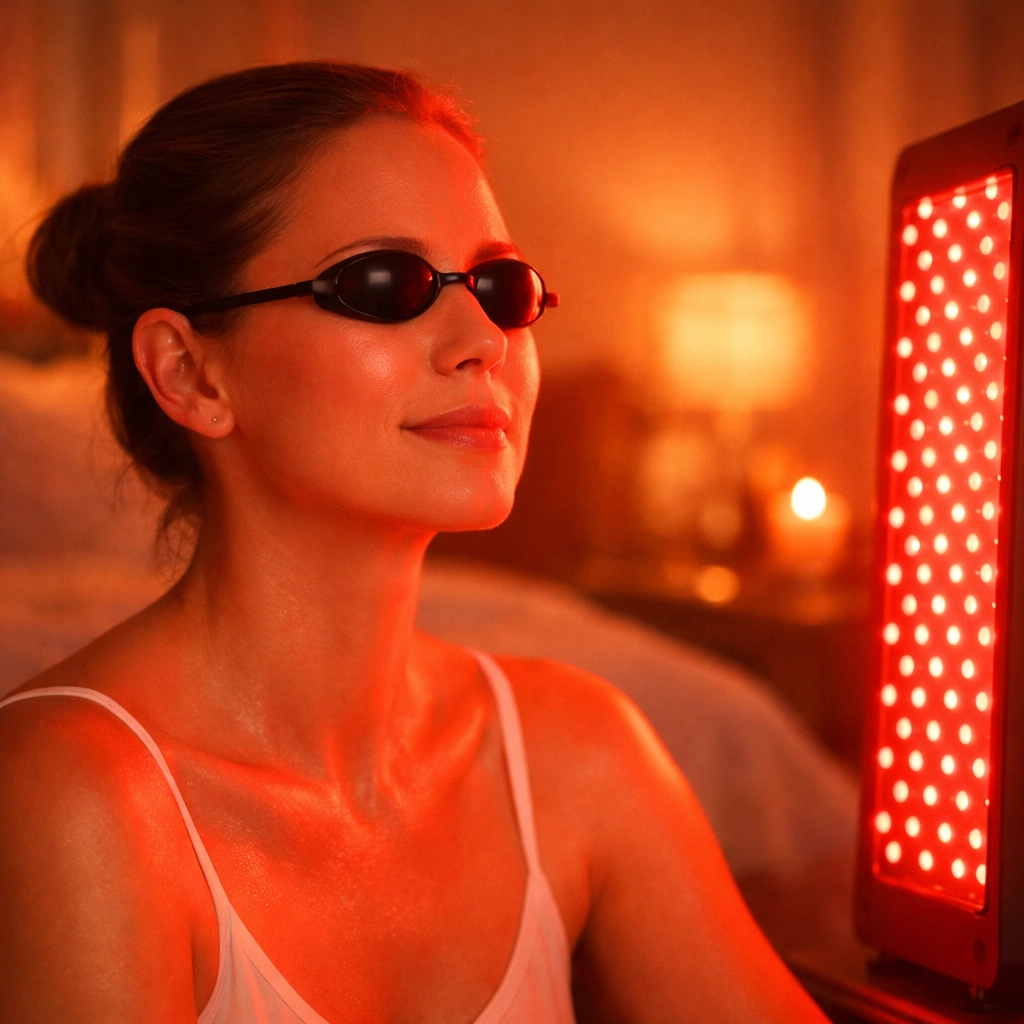
- Eye Safety: While red light isn't inherently damaging to the eyes like a high-powered laser, the brightness can cause strain. Always use the provided blackout goggles, especially when using NIR.
- Photosensitizing Medications: If you are on medications like Tetracycline or certain acne treatments (Accutane), consult a doctor, as these can make your skin hyper-sensitive to light.
- Hyperpigmentation (Melasma): Some individuals with Melasma find that the heat generated by some panels (even if non-thermal) can trigger pigment flares. If you have Melasma, use a high-quality LED device that stays cool.
The Verdict: Does It Really Work?
Yes, but with caveats. Red Light Therapy is not a "one-and-done" miracle.
- For Hair: It works best for early-to-moderate thinning. It cannot revive a follicle that has been dead for years (completely bald, shiny scalp).
- For Skin: It is excellent for long-term maintenance and slowing the aging process, but it won't replace the dramatic lifting effects of a surgical facelift.
The key is managing expectations. Think of RLT like going to the gym for your cells: you wouldn't expect six-pack abs after one workout. But with 4–6 months of consistent "cellular exercise," the data shows that the results are both measurable and significant.
About the Author: Malibongwe Gcwabaza
Malibongwe Gcwabaza is the CEO of blog and youtube, a digital media company dedicated to demystifying complex health and technology trends. With a background in executive leadership and a passion for data-driven wellness, Malibongwe focuses on bringing professional-grade insights to the everyday consumer. Under his guidance, the company has become a trusted source for simple, actionable advice in the rapidly evolving world of biohacking and digital health.
About the Author