For a long time, "gut health" was synonymous with eating a cup of sugary yogurt once a day. If you were feeling adventurous, maybe you’d take a generic probiotic capsule from the drugstore. But as we move through 2026, the science of the microbiome has shifted from "germ theory" to "metabolic signaling." We no longer just view the gut as a tube for digestion; it’s a sophisticated bioreactor that dictates our immune response, mental clarity, and even our metabolic rate.
To truly optimize your biology, you need to understand the three-way relationship between prebiotics, probiotics, and the newest star of the show: postbiotics. This guide breaks down the technical nuances of each, why the "live bacteria" craze is only half the story, and how to structure your protocol for maximum longevity.
The Microbiome Hierarchy: A Functional Overview
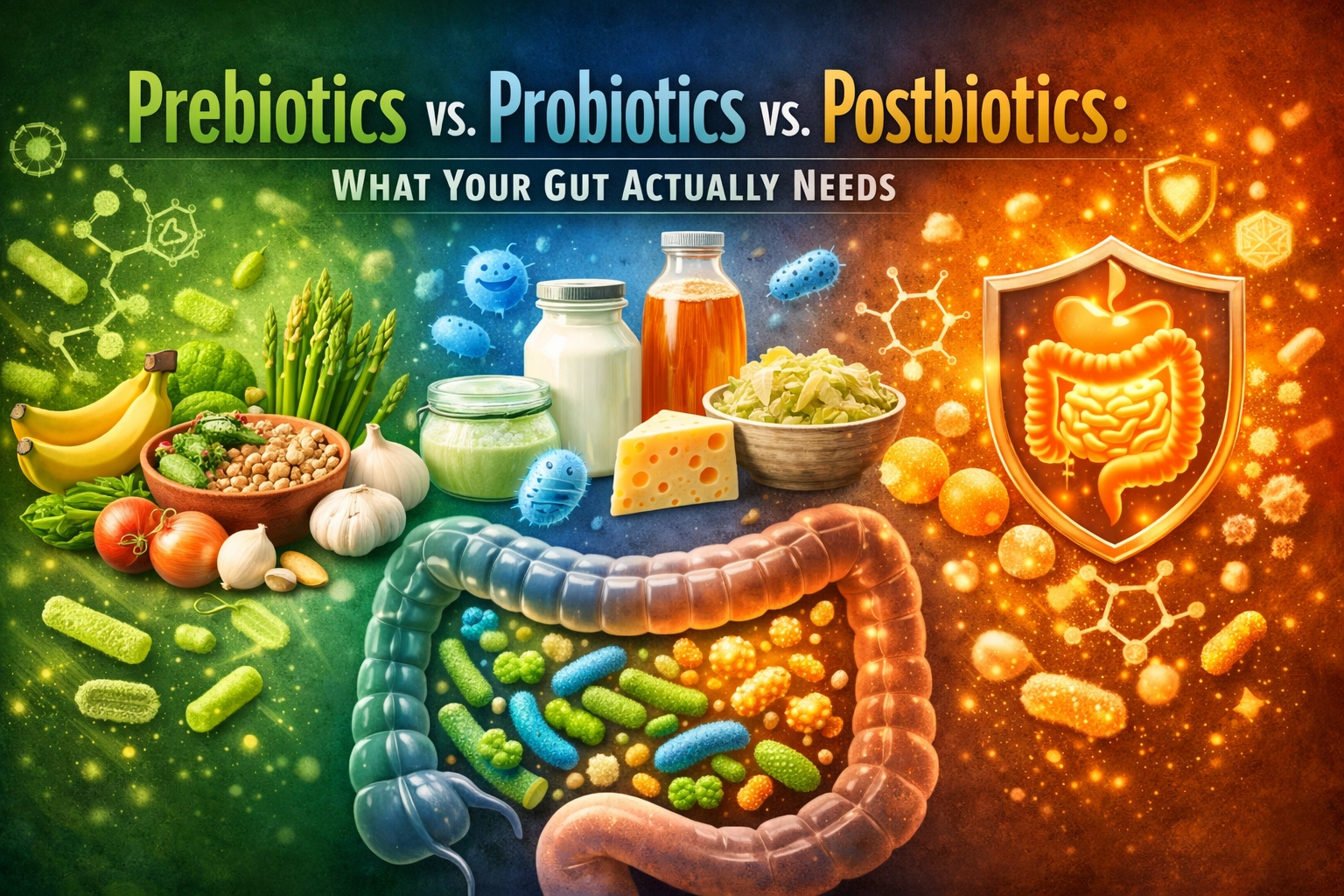
Think of your gut as a high-performance garden.
- Probiotics are the seeds (the actual living organisms).
- Prebiotics are the fertilizer (the fuel that helps them grow).
- Postbiotics are the harvest (the beneficial compounds produced by the seeds after they eat the fertilizer).
While marketers focus on selling you more "seeds," the latest research suggests that the "harvest" (postbiotics) is actually what your cells crave. If your internal environment isn't right, you can throw seeds at it all day and nothing will grow.
Comparison Table: The "P-3" Framework
| Feature | Prebiotics | Probiotics | Postbiotics |
|---|---|---|---|
| Status | Non-living fiber/carbs | Live microorganisms | Non-living metabolites |
| Function | Feed beneficial bacteria | Colonize and compete | Direct cellular signaling |
| Stability | Highly stable (heat/acid) | Fragile (needs fridge/survives acid poorly) | Ultra-stable |
| Primary Goal | Selective fermentation | Microbial diversity | Systemic health (anti-inflammatory) |
| 2026 Status | Precision fiber blends | Targeted "Next-Gen" strains | The "Active Ingredient" frontier |
1. Prebiotics: The Precision Fuel
Prebiotics are specialized plant fibers that humans cannot digest. Instead, they pass through the small intestine and land in the colon, where your beneficial bacteria ferment them.
However, not all fiber is "prebiotic." To qualify, a substance must selectively stimulate the growth of beneficial microbes, not the harmful ones. In 2026, we’ve moved beyond generic psyllium husk toward Precision Prebiotics.
Key Types of Prebiotics
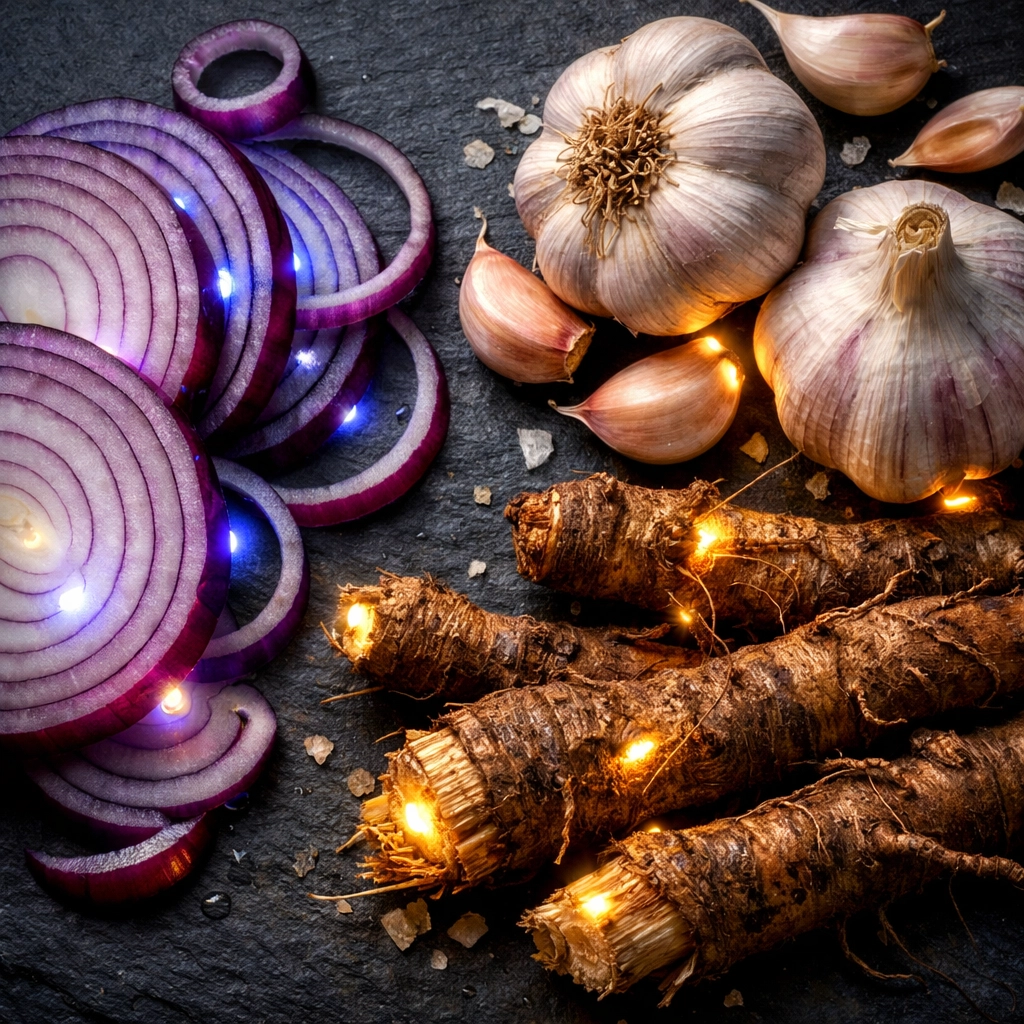
- Fructooligosaccharides (FOS) & Galactooligosaccharides (GOS): Found in onions, garlic, and chicory root. These are the "heavy hitters" for boosting Bifidobacteria.
- Inulin: A long-chain carbohydrate that helps with calcium absorption and blood sugar regulation.
- Resistant Starch: Found in cooked and cooled potatoes or green bananas. This is the primary fuel for producing butyrate, a critical postbiotic.
- Polyphenols: Compounds in dark chocolate, green tea, and pomegranate. While not "fibers," they act as prebiotics by modulating the microbial environment.
2. Probiotics: The Living Workforce
Probiotics are the live "good" bacteria. The 2026 approach to probiotics is no longer about "more is better." We’ve realized that a 100-billion CFU (Colony Forming Unit) supplement is useless if it’s a strain your body doesn't need.
The Rise of "Next-Gen" Strains
We are moving away from the standard Lactobacillus and Bifidobacterium (though they remain important) and toward specific functional microbes:
- Akkermansia muciniphila: Known as the "keystone" strain for metabolic health. It strengthens the gut lining and is linked to lower body fat percentages.
- Christensenellaceae: Associated with longevity and a lean phenotype.
- Bacillus Coagulans: Spore-forming probiotics that are naturally "armored," allowing them to survive stomach acid without fancy enteric coatings.
The Antibiotic Conflict: A landmark 2024-2025 shift in clinical practice has highlighted that taking high-dose probiotics immediately after antibiotics can actually delay the return of your native microbiome. The current recommendation is to focus on prebiotics and postbiotics during the recovery phase to allow your unique indigenous strains to bounce back.
3. Postbiotics: The New Frontier of Cellular Repair
This is where the real magic happens. Postbiotics are the waste products of probiotic fermentation. For decades, we thought these were just "trash," but we now know they are the primary messengers that talk to your immune system and brain.
Why Postbiotics are Changing the Game
The biggest problem with probiotics is that they are fragile. They die in the heat, they die in stomach acid, and they often fail to "stick" to the gut wall. Postbiotics bypass this entire struggle. Because they are non-living, they are 100% stable. You don't need to keep them alive; you just need to get them into your system.
Critical Postbiotics to Watch
- Short-Chain Fatty Acids (SCFAs): The most famous is Butyrate. Butyrate is the primary fuel source for the cells lining your colon. It prevents "leaky gut," reduces systemic inflammation, and may even cross the blood-brain barrier to improve neuroplasticity.
- Urolithin A: Produced when gut bacteria process polyphenols from pomegranates. It is a potent activator of mitophagy (the cleaning out of old, tired mitochondria).
- Lipopolysaccharides (LPS) Fragments: In small, controlled amounts, these cell wall fragments "train" your immune system to stay vigilant without overreacting.
The "Synbiotic" Strategy: How to Build Your Protocol
In 2026, the gold standard is the Synbiotic: a supplement or meal that combines a prebiotic with a specific probiotic that likes to eat it.
Step 1: Diversify the Fuel (Prebiotics)
Don't just stick to one fiber. Aim for "30 Plants a Week." This isn't just a hippie slogan; it’s a data-backed requirement for microbial diversity. Every plant: from coffee beans to purple carrots: contains different prebiotic fibers and polyphenols.
Step 2: Targeted Probiotics
If you have a specific goal, choose a specific strain:
- For Anxiety/Mood: Look for "Psychobiotics" like Lactobacillus helveticus.
- For Athletic Recovery: Look for Veillonella, which helps metabolize lactate.
- For Metabolic Health: Focus on Akkermansia.
Step 3: Direct Supplementation of Postbiotics
If you have severe digestive issues (like IBD or extreme bloating), live probiotics can sometimes cause "die-off" reactions or SIBO flare-ups. In these cases, skipping straight to Tributyrin (a bioavailable form of butyrate) can provide the healing benefits of the bacteria without the risk of overgrowth.
The Role of Tech: Microbiome Sequencing and CGMs
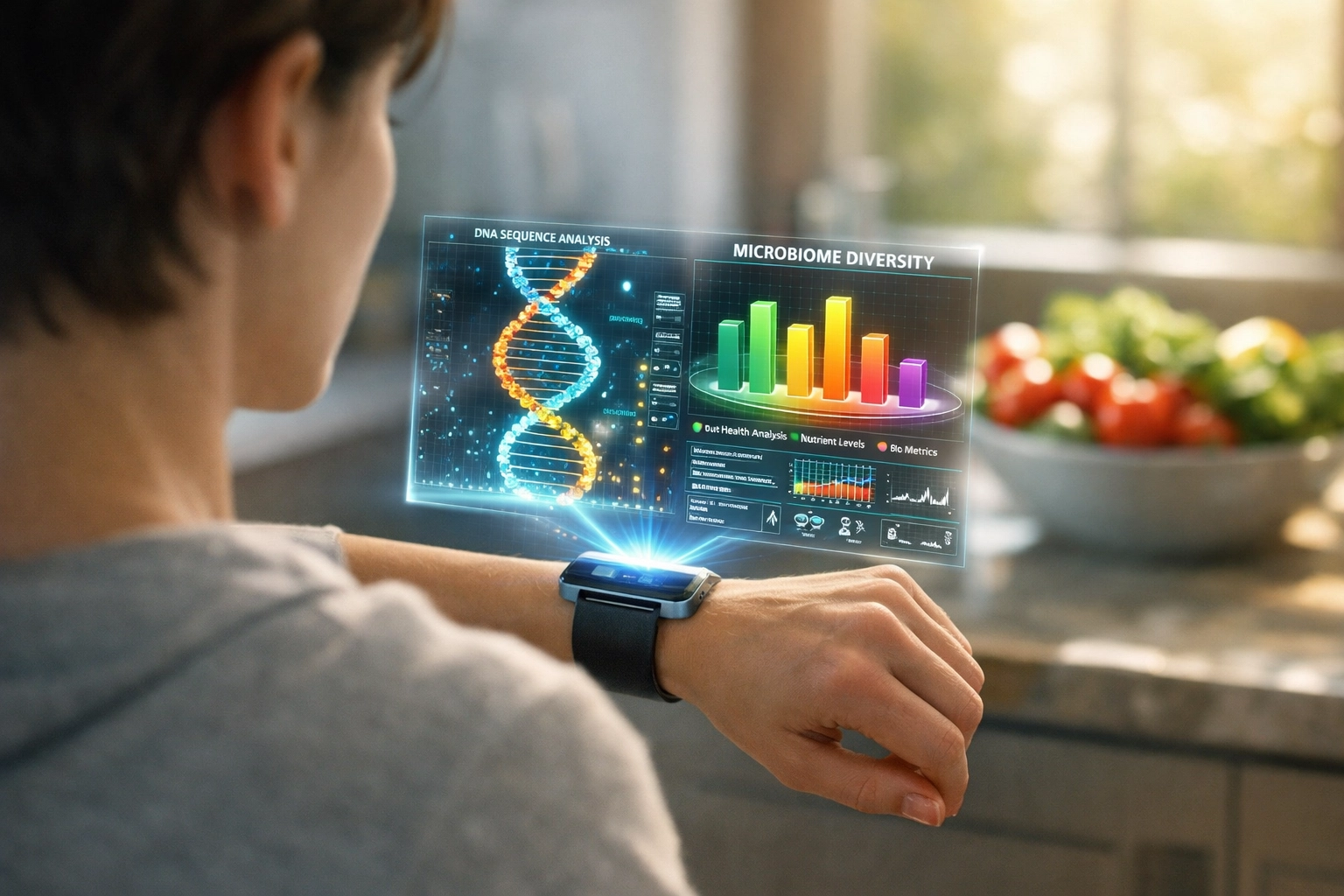
We can't talk about gut health in 2026 without mentioning data. Continuous Glucose Monitors (CGMs) have revealed that a "healthy" prebiotic like inulin might cause a massive glucose spike in one person but remain flat in another, depending entirely on their microbial makeup.
AI-Driven Gut Audits are now the baseline. By sequencing your stool, AI can identify which "postbiotic factories" are missing in your gut and prescribe the exact fiber (prebiotic) required to wake them up. If you aren't testing, you are just guessing.
Summary Checklist for 2026 Gut Health
- Prioritize Butyrate: Eat resistant starch (cooled rice/potatoes) to fuel your natural SCFA production.
- Stop the CFU Arms Race: Focus on strain specificity over massive bacterial counts.
- Embrace Fermented Foods: Kimchi, sauerkraut, and kefir provide "transient" probiotics and a rich array of postbiotics in their natural state.
- Watch the "Anti-Nutrients": If your gut lining is compromised, be careful with high-lectin foods until your postbiotic levels (specifically butyrate) are restored.
- The "Post" Advantage: If you travel frequently, switch to postbiotic supplements; they won't die in your suitcase.
Final Thought
Your gut is a living, breathing ecosystem that responds to every bite, every hour of sleep, and every stressful email. Stop treating it like a simple container for calories and start treating it like the sophisticated metabolic pharmacy it is. Feed the bugs, seed the right strains, and: most importantly: reap the postbiotic harvest.
Author Bio: Malibongwe Gcwabaza
CEO & Longevity Strategist
Malibongwe Gcwabaza is the founder and CEO of blog and youtube, a media company dedicated to deconstructing the latest in human performance and health technology. With a background in metabolic health and a passion for data-driven wellness, Malibongwe focuses on bridging the gap between clinical research and actionable daily habits. His work emphasizes "The Centenarian Decathlon": training today for a high-quality life at 100. When he's not deep-diving into microbiome sequencing, he's likely experimenting with Zone 2 training or optimizing his circadian rhythm in the sunny landscapes of South Africa.
About the Author