The "Fourth Trimester" is a term coined to describe the 12-week period immediately following childbirth. While society often focuses on the baby's development during this time, the physiological and psychological transformation of the mother is just as radical. For fitness enthusiasts and athletes, the urge to "bounce back" is high, but the biological reality of postpartum recovery requires a highly technical, phased approach.
This guide breaks down the science of postpartum recovery, offering a roadmap for safely navigating movement, core restoration, and structural integrity during these critical 90 days.
The Biological Reality: What’s Actually Happening?
Before picking up a dumbbell or hitting the pavement, it is vital to understand the internal environment of your body. Postpartum is not a state of "unfitness"; it is a state of injury recovery combined with a massive hormonal shift.
1. Hormonal Recalibration
During pregnancy, your body produces high levels of Relaxin, a hormone that increases the laxity of ligaments to allow the pelvis to expand. This hormone doesn't vanish the moment the placenta is delivered. It can remain in the system for up to five months (and even longer if you are breastfeeding). This means your joints: especially your hips, knees, and ankles: are still hyper-mobile and prone to injury.
2. Uterine Involution
The uterus must shrink from the size of a watermelon back to the size of a pear. This process, called involution, takes about six weeks. During this time, your internal organs, which were displaced to make room for the fetus, are shifting back into their original anatomical positions. High-impact movement during this shifting phase can lead to internal discomfort or even contribute to pelvic organ prolapse.
3. Diastasis Recti (DR)
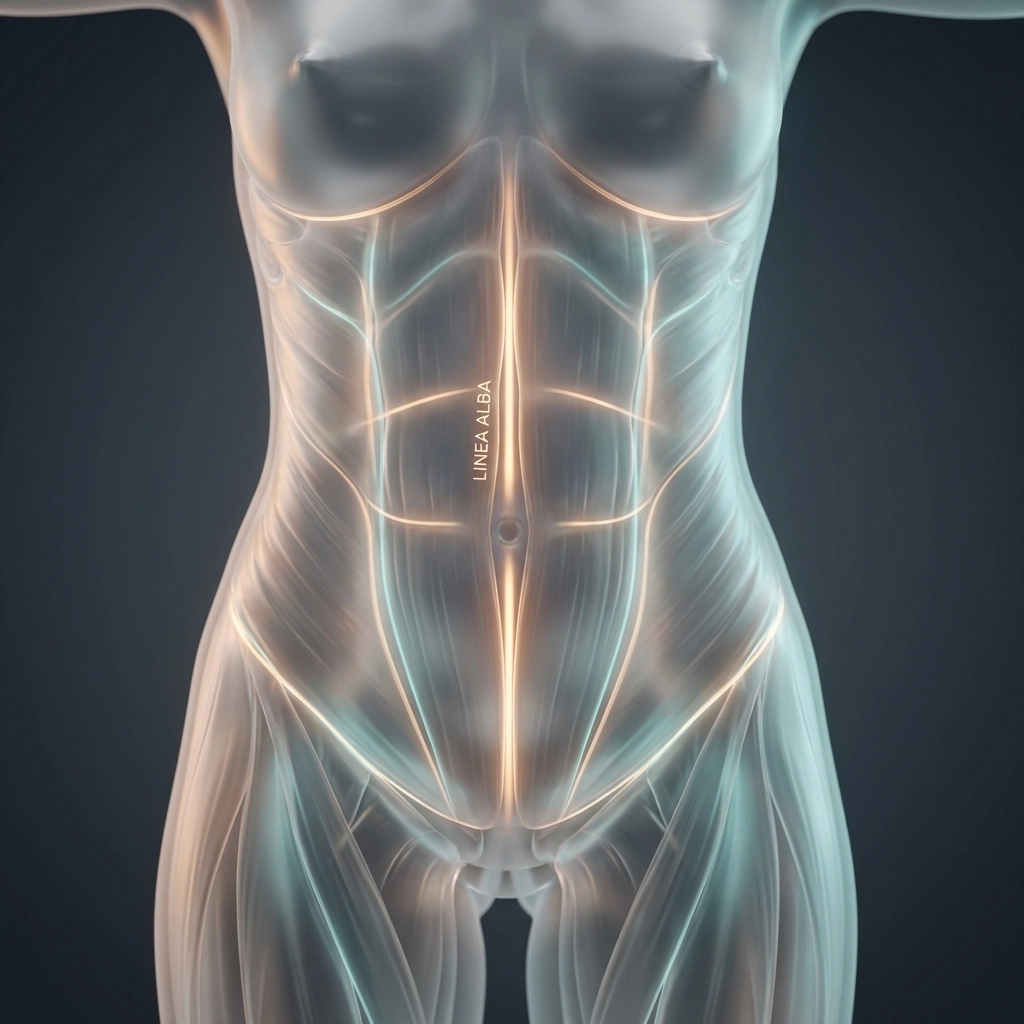
Approximately 60% of women experience Diastasis Recti: a separation of the rectus abdominis muscles as the linea alba (connective tissue) stretches. Recovery isn't just about "closing the gap"; it’s about restoring the functional tension of that connective tissue to support your spine and internal organs.
The Recovery Timeline: A Phased Approach
We categorize postpartum fitness into three distinct phases. Rushing through these phases significantly increases the risk of long-term issues like stress urinary incontinence (SUI) or chronic lower back pain.
Phase 1: Weeks 0–2 (The Acute Healing Phase)
Goal: Rest, circulation, and pelvic floor connection.
During the first 14 days, your body is managing significant inflammatory responses. The priority is tissue repair.
- Key Movements: Diaphragmatic breathing and gentle pelvic floor activations (not just Kegels, but "finding" the muscle).
- Activity: Walking around the house. Avoid stairs where possible to reduce pressure on the pelvic floor.
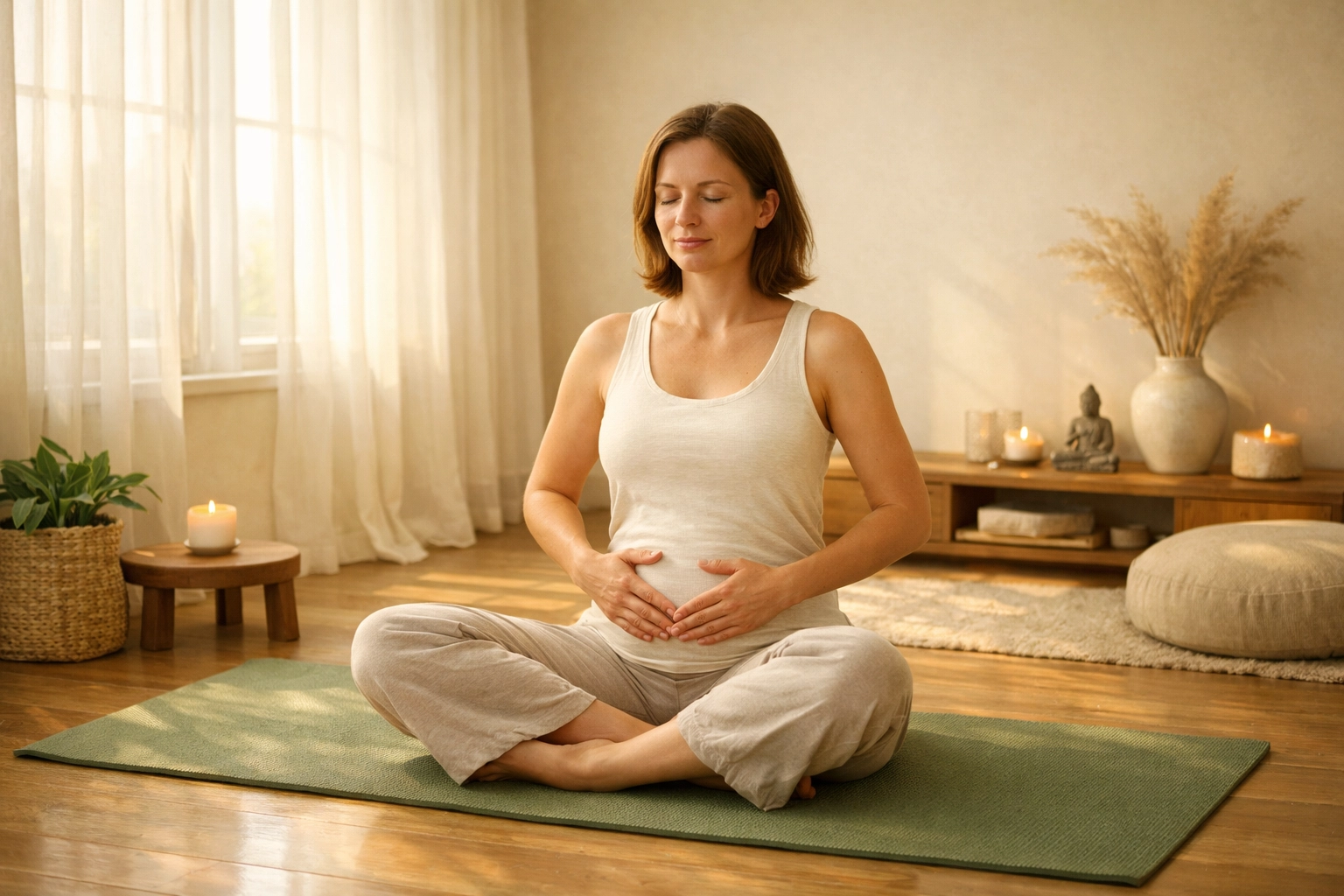
- Technical Focus: The "Core Breath." Inhale to expand the ribs; exhale to gently lift the pelvic floor and draw the navel in.
Phase 2: Weeks 3–6 (The Mobility Phase)
Goal: Restoring range of motion and postural alignment.
Once the initial bleeding (lochia) slows down, you can begin moving more intentionally.
- Key Movements: Cat-Cow, bird-dog (modified), and side-lying hip abductions.
- Activity: Daily walks, starting at 10 minutes and increasing by 5 minutes every few days if there is no increased bleeding.
- Technical Focus: Neutral Pelvis. Pregnancy often causes an anterior pelvic tilt. You must retrain your brain to find a neutral spine to avoid lumbar strain.
Phase 3: Weeks 7–12 (The Functional Strength Phase)
Goal: Loading the body with resistance.
After your 6-week clearance from a healthcare provider, you can begin bodyweight and light resistance training.
- Key Movements: Glute bridges, modified planks (on knees), and bodyweight squats.
- Activity: Introduction of light resistance bands or light dumbbells (2-5 lbs).
- Technical Focus: Intra-abdominal pressure management. If you see "doming" or "coning" along your midline during an exercise, the load is too high for your current core integrity.
Comparison of Birth Recovery Pathways
| Feature | Vaginal Delivery | C-Section Delivery |
|---|---|---|
| Primary Injury Site | Pelvic Floor / Perineum | Abdominal Wall (7 layers of tissue) |
| Initial Exercise Focus | Pelvic Floor Relaxation & Lift | Scar Tissue Mobilization & Deep Core |
| Walking Initiation | Usually within 24 hours | Within 24-48 hours (shorter distances) |
| Lifting Restriction | Generally anything heavier than baby | Strictly nothing heavier than baby for 6 weeks |
| Impact Readiness | 12+ weeks (pending pelvic floor health) | 16+ weeks (pending fascial healing) |
The Pelvic Floor: The Foundation of Movement
Postpartum fitness is often marketed as "getting your abs back," but the true foundation is the pelvic floor. Think of your core as a canister: the diaphragm is the lid, the abdominals are the sides, and the pelvic floor is the base. If the base is weak or hypertonic (too tight), the entire system fails.
Signs of Pelvic Floor Dysfunction
If you experience any of the following during or after exercise, you must scale back and consult a Pelvic Health Physical Therapist:
- Leaking: Any amount of urine leakage is common but not normal.
- Heaviness: A feeling of pressure or "falling out" in the vaginal area (a primary sign of prolapse).
- Pain: Sharp pain in the pubic symphysis or sacroiliac (SI) joints.
- Doming: A ridge forming down the center of your stomach during movement.
The Technicality of C-Section Recovery
A Cesarean section is major abdominal surgery. The surgeon cuts through the skin, fat, fascia, and separates the rectus abdominis before incising the uterus.
Scar Tissue Mobilization:
Once the incision is fully closed (usually around week 6-8), scar tissue mobilization is essential. Adhesions can form between the skin and the underlying fascia, leading to a "pulling" sensation or restricted hip mobility. Gently massaging the area around the scar (after professional clearance) improves blood flow and tissue elasticity, which is a prerequisite for returning to heavy lifting or high-intensity interval training (HIIT).
Data-Driven Insights: Why We Wait
Research published in the British Journal of Sports Medicine suggests that the "6-week checkup" is an outdated milestone for returning to high-impact sports like running. The study indicates that the pelvic floor can take 4 to 6 months to regain full structural strength.
Returning to running too early increases the risk of pelvic organ prolapse by 30% in women who have pre-existing pelvic floor weakness. The technical recommendation for high-impact activity is now closer to 12 weeks postpartum, provided the athlete can pass a "load test" (e.g., 10 single-leg hops without pain or leaking).
Essential Exercises for the Fourth Trimester
1. The Supine Pelvic Tilt
- Why: Re-establishes the connection between the brain and the deep transversus abdominis.
- How: Lie on your back, knees bent. Exhale and gently flatten your lower back against the floor by engaging your lower abs. Hold for 3 seconds.
2. Side-Lying Clamshells
- Why: Strengthens the gluteus medius, which stabilizes the pelvis: critical for those with lingering Relaxin in their joints.
- How: Lie on your side, knees stacked and bent. Keep feet together and lift the top knee. Do not let your hips roll backward.
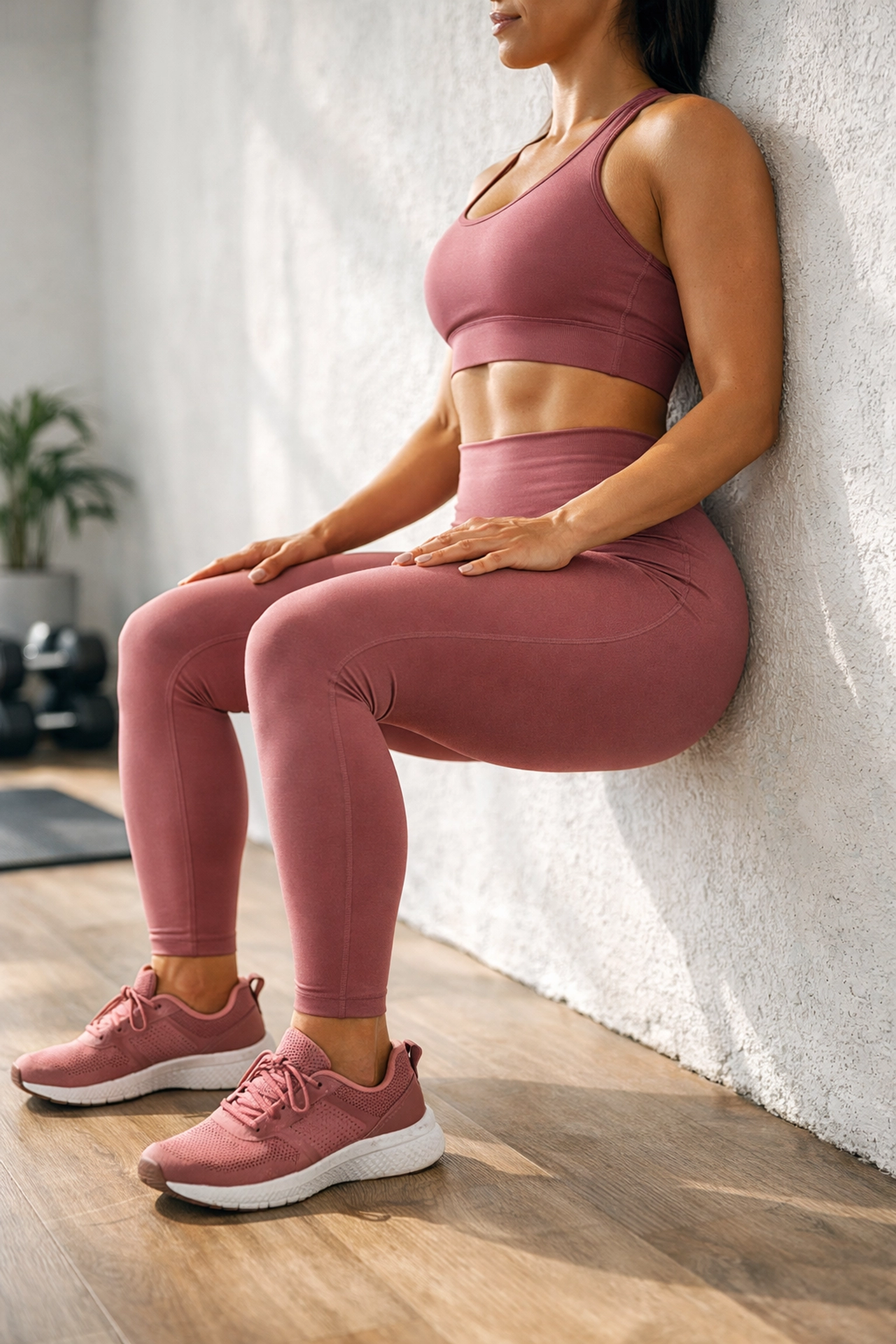
3. Wall Sits
- Why: Builds lower body endurance without the high intra-abdominal pressure of a full weighted squat.
- How: Lean against a wall and drop into a squat. Focus on breathing: never hold your breath (Valsalva maneuver) during the fourth trimester as it puts extreme downward pressure on the healing pelvic floor.
Final Thoughts for the "Fourth Trimester" Athlete
Recovery is not a linear path. Some days you will feel like you can conquer a mountain; other days, the sheer exhaustion of sleep deprivation will make a walk to the mailbox feel like an Olympic event.
The goal of the fourth trimester is to build a "functional floor." By respecting the biological timelines of tissue healing and hormonal shifts, you aren't just recovering: you are pre-habilitating your body for a lifetime of movement. Listen to the data your body provides (pain, leaking, pressure) over the data on your fitness watch.
About the Author
Malibongwe Gcwabaza is the CEO of blog and youtube. With a background in health communications and a passion for data-driven wellness, Malibongwe focuses on bridging the gap between complex medical research and actionable lifestyle advice. His leadership at blog and youtube is centered on providing high-authority, evidence-based content that empowers readers to take control of their physical and mental performance.
About the Author