Perimenopause is often described as a "second puberty," but for many women, that comparison falls short. While puberty is a transition toward reproductive capability, perimenopause is the complex, often chaotic recalibration of the endocrine system as it moves toward the cessation of menstruation.
Technically, perimenopause is the symptomatic phase leading up to menopause. It can last anywhere from two to ten years. During this time, the ovaries don’t just "turn off"; they fluctuate wildly, causing dramatic spikes and drops in estrogen and progesterone. These hormonal oscillations affect almost every system in the body, from the brain’s neurotransmitters to the lubrication of your joints.
If you’ve visited a doctor and were told your blood tests are "normal" despite feeling like your body is staged a coup, you aren't alone. Standard blood tests (like FSH levels) are often unreliable during this phase because hormone levels change by the hour. Understanding the full spectrum of the "34 symptoms" is the first step in reclaiming your health.
The Biological Mechanism: Why Symptoms Occur
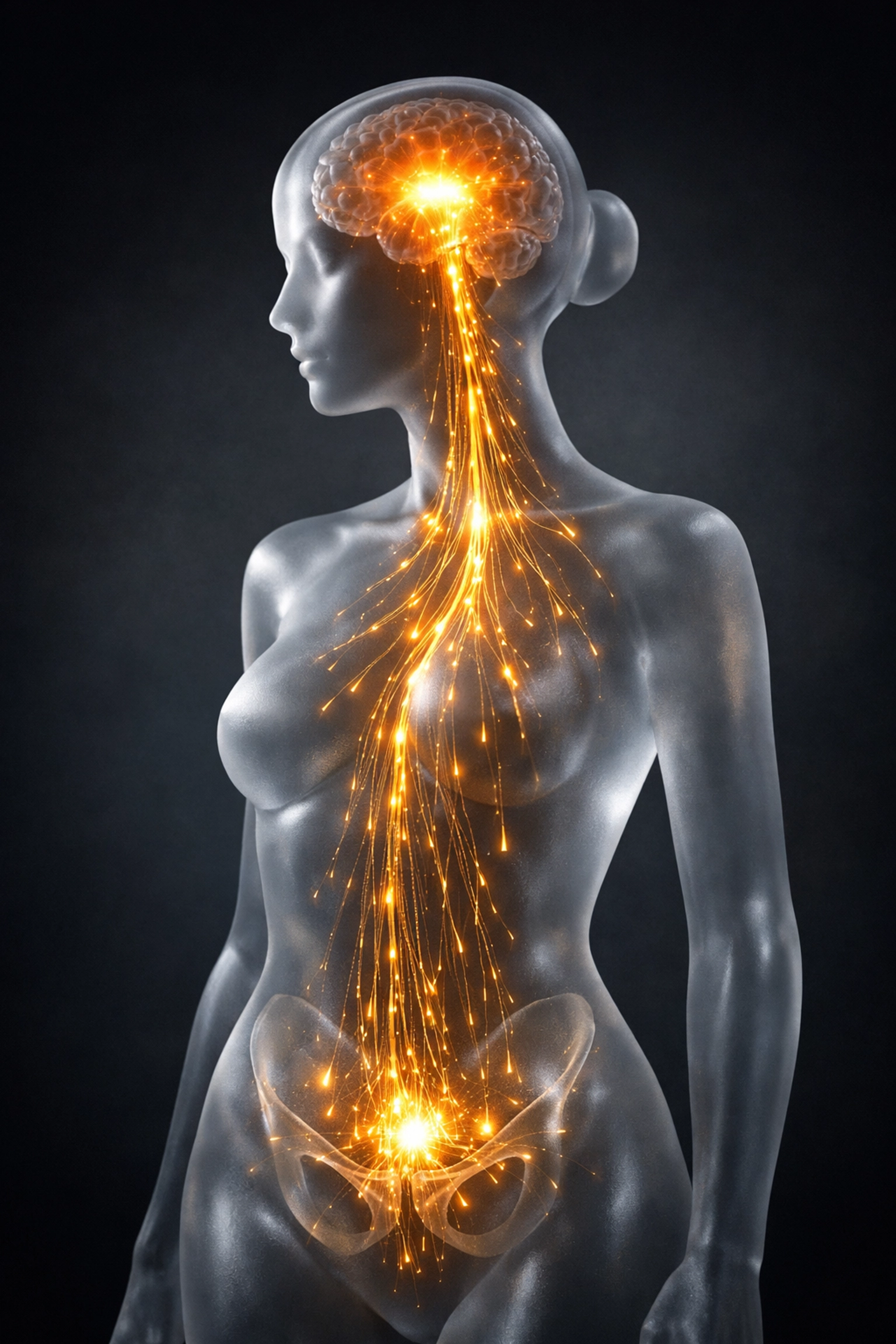
Estrogen is a master regulator. It has receptors in the brain, heart, bones, and skin. When estrogen levels become erratic, the Hypothalamic-Pituitary-Ovarian (HPO) axis: the communication line between your brain and your ovaries: becomes dysregulated. This is why perimenopause isn't just a "period problem"; it's a systemic neurological and metabolic shift.
The Comprehensive List: The 34 Symptoms Categorized
To make sense of the chaos, we have categorized these symptoms into the primary physiological systems they impact.
1. Vasomotor and Sleep Disturbances
These are the "classic" symptoms, but they are often more intense than the media portrays.
- Hot Flashes: Sudden waves of heat, often starting in the face or chest.
- Night Sweats: Severe hot flashes at night that can drench sleepwear and bedding.
- Insomnia: Difficulty falling or staying asleep, often linked to cortisol spikes in the middle of the night.
- Fatigue: A deep, cellular exhaustion that isn't cured by a good night's rest.
2. Cognitive and Neurological Shifts (The "Sneaky" Symptoms)
Perhaps the most distressing symptoms are those that affect the brain. Estrogen is neuroprotective; as it fluctuates, the brain's energy metabolism can drop.
5. Brain Fog: Difficulty concentrating or feeling "spaced out."
6. Memory Lapses: Forgetting names, words, or why you walked into a room.
7. Dizziness/Vertigo: Feeling lightheaded or unsteady.
8. Panic Attacks: Sudden, intense episodes of fear that can occur without a specific trigger.
9. Anxiety: A new or increased sense of dread or "on-edge" feeling.
10. Mood Swings: Rapid shifts between irritability, sadness, and anger.
11. Difficulty Concentrating: A noticeable decline in executive function.
3. Physical and Musculoskeletal Changes
Research indicates that approximately 50% of perimenopausal women experience joint and muscle issues. Estrogen helps regulate inflammation and collagen production.
12. Joint Pain: Aching in the knees, hips, and fingers (often mistaken for osteoarthritis).
13. Muscle Tension: Persistent tightness, particularly in the neck and shoulders.
14. Breast Tenderness: Similar to pregnancy-related soreness.
15. Headaches and Migraines: Often "hormonal migraines" that peak just before a period.
16. Electric Shock Sensations: A feeling like a rubber band snapping under the skin.
17. Tingling Extremities (Paresthesia): A "pins and needles" sensation in hands or feet.

4. Dermatological and Sensory Alterations
These are the symptoms "no one tells you about" because they seem unrelated to hormones.
18. Itchy Skin: Specifically "formication," which feels like insects crawling on the skin.
19. Dry Skin: A rapid loss of skin elasticity and moisture.
20. Thinning Hair: Hair loss on the scalp or unwanted growth on the face.
21. Brittle Nails: Nails that break, chip, or ridge easily.
22. Burning Mouth Syndrome: A metallic taste or a burning sensation on the tongue and roof of the mouth.
23. Changes in Taste: Foods you once loved may suddenly taste different.
24. Tinnitus: A persistent ringing or buzzing in the ears.
25. Changes in Body Odor: Often described as a "sharper" or more pungent scent.
5. Metabolic and Digestive Issues
As estrogen drops, the body becomes more insulin resistant, leading to changes in how we store fat.
26. Weight Gain: Specifically "visceral fat" around the midsection.
27. Bloating: Increased gas and water retention.
28. Digestive Changes: New sensitivities to foods or changes in bowel habits.
6. Genitourinary and Sexual Health
The tissues of the bladder and vagina are highly sensitive to estrogen.
29. Vaginal Dryness: Thinning of the vaginal walls (atrophy), making intercourse painful.
30. Decreased Libido: A significant drop in sexual desire.
31. Urinary Urgency: Feeling the need to pee more frequently.
32. Increased UTIs: A change in the vaginal microbiome leads to more frequent infections.
33. Irregular Periods: Periods that are closer together, further apart, heavier, or lighter.
34. Heart Palpitations: The feeling of the heart skipping a beat or racing.
Data-Driven Insights: You Aren't Just "Stressed"
It is common for women in their 40s to be misdiagnosed with clinical depression or generalized anxiety disorder when they are actually in perimenopause. Data shows that 40% of women experience significant mood shifts during this time.
Furthermore, sleep disturbances affect more than half of the perimenopausal population. This creates a vicious cycle: lack of sleep worsens brain fog, which increases anxiety, which then spikes cortisol, leading to more weight gain and night sweats.

Strategies for Management
If you recognize yourself in these 34 symptoms, the next step is clinical advocacy. Here is how to approach management:
Hormone Replacement Therapy (HRT)
Modern HRT (specifically bioidentical progesterone and transdermal estradiol) is the gold standard for many. It doesn't just stop hot flashes; it protects bone density and cardiovascular health. Recent large-scale reviews have clarified that for most women under 60, the benefits of HRT far outweigh the risks.
Nutritional Interventions
- Protein Intake: Aim for 1.2g to 1.5g of protein per kilogram of body weight to combat muscle loss (sarcopenia).
- Magnesium Glycinate: This can help with both muscle tension and sleep quality.
- Fiber: Critical for "metabolizing" excess estrogen out of the body.
Resistance Training
Cardio is great, but lifting weights is non-negotiable in perimenopause. It improves insulin sensitivity and stimulates osteoblast activity (bone building), which slows down as estrogen wanes.
Summary Table: Identifying Your Symptoms
| Category | Primary Symptom | Biological Trigger |
|---|---|---|
| Neurological | Brain Fog / Anxiety | Estrogen fluctuation in the hippocampus |
| Physical | Joint Pain | Reduced collagen and increased inflammation |
| Sensory | Tinnitus / Burning Mouth | Nerve sensitivity changes |
| Vasomotor | Hot Flashes | Hypothalamus (thermostat) dysregulation |
| Metabolic | Midsection Weight Gain | Increased insulin resistance |
Conclusion
Perimenopause is a significant biological transition, but it does not have to be a period of suffering. By identifying these 34 symptoms early, you can seek targeted treatments: whether through HRT, lifestyle adjustments, or nutritional support. The goal is not just to "survive" the transition, but to enter the post-menopausal phase of life with your health and vitality intact.
About the Author: Malibongwe Gcwabaza
Malibongwe Gcwabaza is the CEO of blog and youtube, a digital health platform dedicated to distilling complex medical research into actionable insights for the general public. With a background in executive leadership and a passion for health literacy, Malibongwe focuses on bridging the gap between clinical data and everyday wellness. Under his leadership, the platform has become a trusted resource for millions seeking to navigate hormonal health, longevity, and evidence-based lifestyle changes.
About the Author