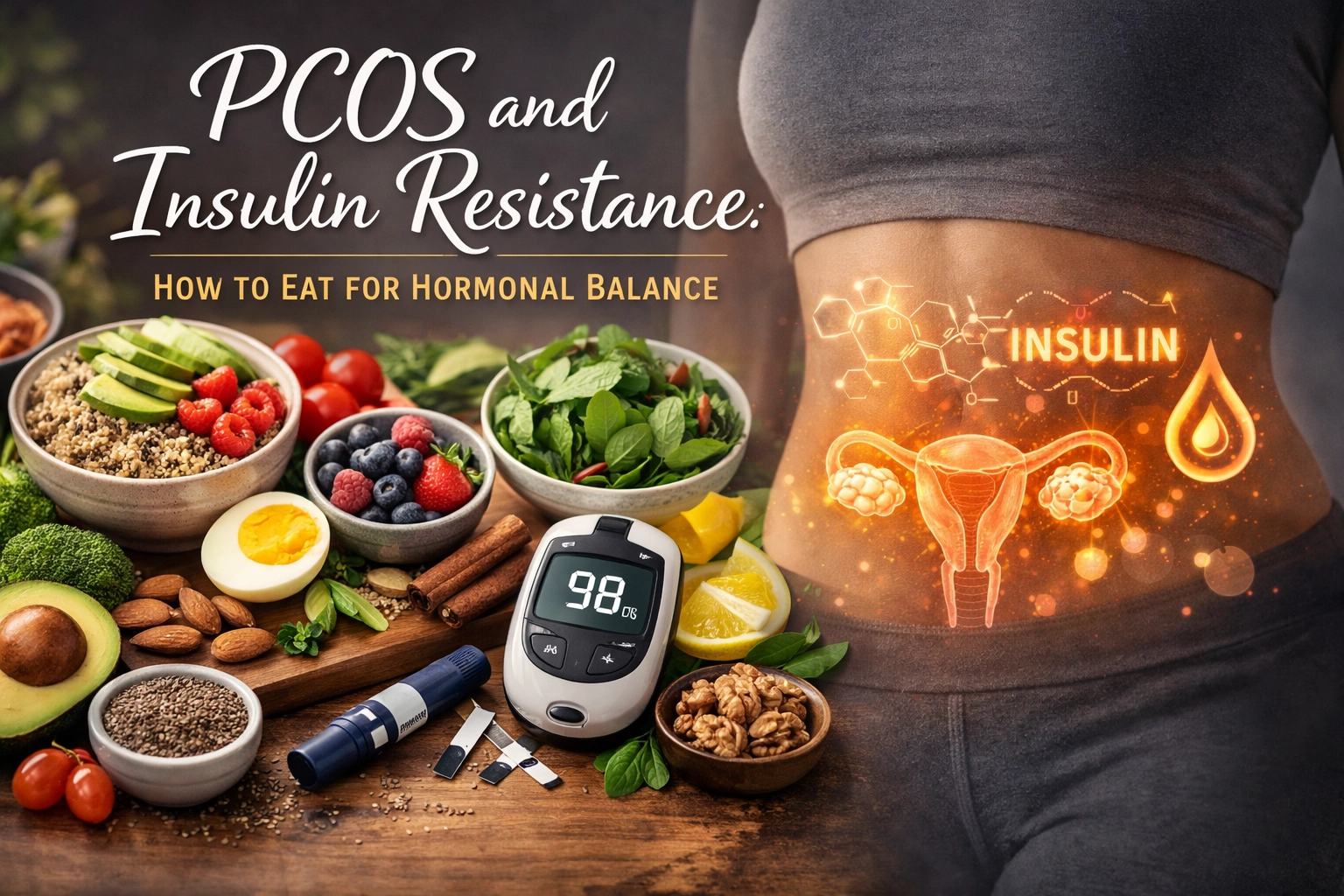
Polycystic Ovary Syndrome (PCOS) is often framed as a reproductive issue, but at its core, for the vast majority of women, it is a metabolic disorder. If you’ve been diagnosed with PCOS, you’ve likely heard the term "insulin resistance" tossed around by your doctor. It isn’t just a side effect; it is the primary engine driving the hormonal imbalances that lead to irregular cycles, weight gain, acne, and hirsutism.
The data is striking: roughly 75% of lean women and up to 95% of women with obesity who have PCOS also struggle with insulin resistance. This means your body’s cells are "numb" to the signals of insulin, forcing your pancreas to pump out more of the hormone to keep blood sugar stable. That excess insulin then acts on your ovaries, triggering them to produce excess testosterone.
Breaking this cycle requires more than just "eating less." It requires a technical, targeted approach to nutrition that restores insulin sensitivity.
The Science: Why Insulin Resistance Hijacks Your Hormones
To understand how to eat for PCOS, you have to understand the mechanism of insulin resistance. When you eat carbohydrates, they are broken down into glucose (sugar). Insulin acts like a key, unlocking your cells so glucose can enter and be used for energy.
In PCOS, that lock is jammed. This often happens because of "intramyocellular lipids": small particles of fat that build up inside muscle cells and interfere with the insulin signaling pathway. Because the glucose can't get into the cells, it stays in the bloodstream. The body senses this and produces even more insulin.
This "hyperinsulinemia" (high blood insulin) is the enemy. It does two things:
- Stimulates Androgens: It tells the theca cells in your ovaries to produce more testosterone.
- Lowers SHBG: It suppresses Sex Hormone Binding Globulin, a protein that usually mops up excess testosterone in your blood.
The result? A flood of "free" testosterone that stops ovulation in its tracks and causes physical PCOS symptoms.

Evidence-Based Dietary Patterns for PCOS
Research has moved past the simple "low carb" advice. Multiple dietary frameworks have shown clinical success in improving insulin markers for PCOS patients.
1. The DASH Diet
While originally designed for hypertension, the Dietary Approaches to Stop Hypertension (DASH) diet has shown superior results in some studies compared to standard low-carbohydrate diets for PCOS. It emphasizes fruits, vegetables, whole grains, and low-fat dairy while limiting saturated fats and sugar.
2. The Mediterranean Diet
This is the gold standard for long-term metabolic health. By focusing on monounsaturated fats (like olive oil), fatty fish, and high-fiber legumes, the Mediterranean diet reduces systemic inflammation: a common "silent" symptom of PCOS that worsens insulin resistance.
3. Low-Glycemic Index (GI) Diet
A low-GI diet focuses on the quality of carbohydrates rather than just the quantity. Foods with a low GI score release glucose slowly into the bloodstream, preventing the sharp insulin spikes that trigger androgen production.
4. Plant-Based and High-Fiber Approaches
Interestingly, plant-based diets have been shown to reduce dietary Advanced Glycation End products (AGEs) by up to 73%. AGEs are compounds that promote inflammation and insulin resistance. High fiber intake (aiming for 40 grams per day) is also critical, as fiber slows down sugar absorption and helps clear excess hormones through the digestive tract.
| Diet Type | Key Focus | Primary Benefit for PCOS |
|---|---|---|
| DASH | Low sodium, high minerals | Significant reduction in insulin resistance markers |
| Mediterranean | Healthy fats, antioxidants | Improved gut health and reduced inflammation |
| Low-GI | Slow-release carbs | Stabilized blood sugar and lower androgen levels |
| Plant-Based | Fiber, phytonutrients | Massive reduction in AGEs and improved weight management |
The "PCOS Power Foods" List
If you want to move the needle on your labs, focus on these specific food groups that directly target insulin sensitivity and hormone clearance.
Legumes and Pulses
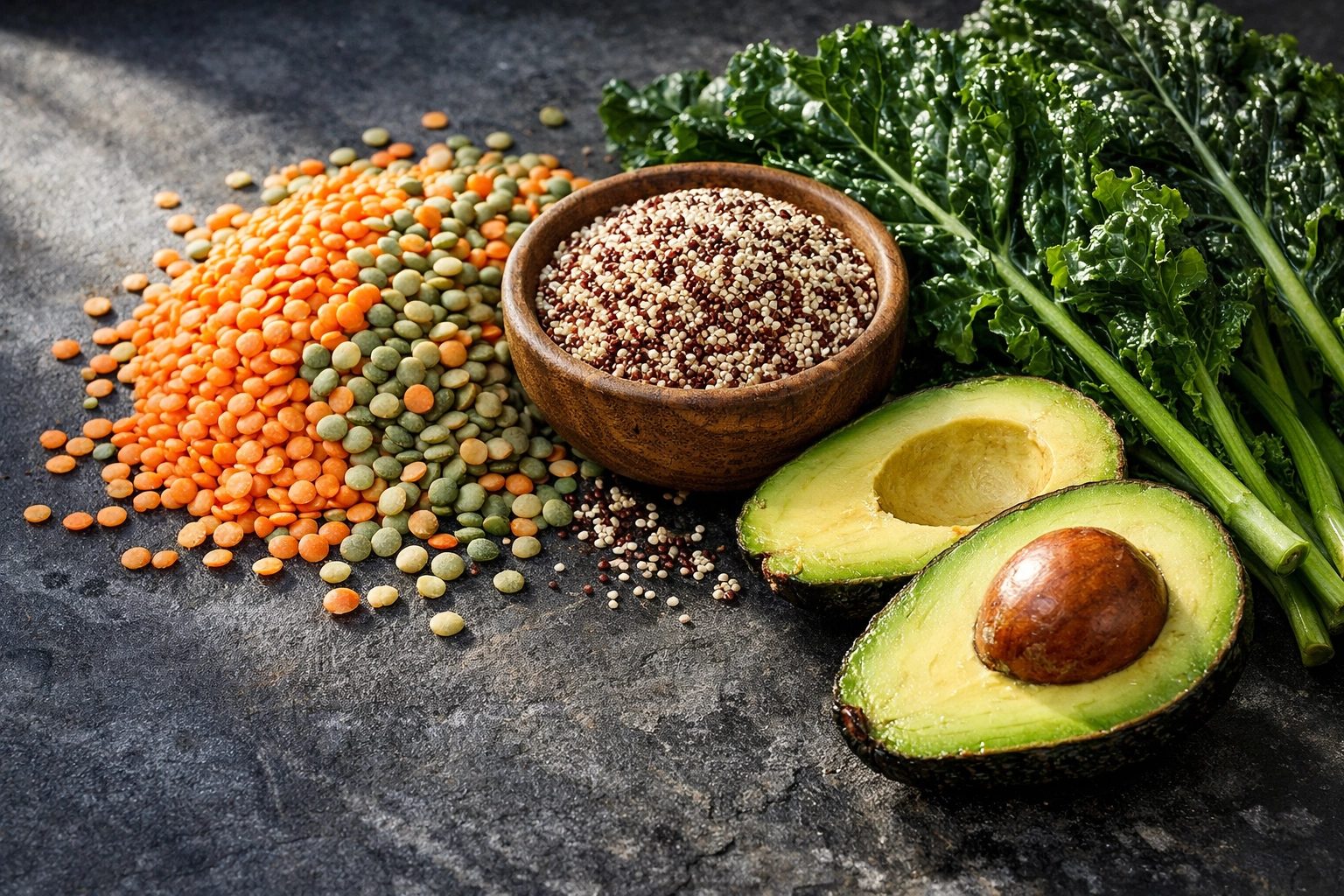
Beans, lentils, and chickpeas are the ultimate PCOS "superfoods." They provide a unique combination of high fiber and plant-based protein. Replacing meat with legumes just a few times a week can significantly improve insulin action.
Whole Grains (The Non-Refined Kind)
Forget white bread and white rice. You need the fiber-rich versions:
- Oatmeal and Steel-Cut Oats: Contain beta-glucan, which improves glucose response.
- Quinoa and Buckwheat: High-protein grains that don't cause major insulin spikes.
- Barley: Excellent for keeping you full and managing the "second-meal effect" (where one meal helps regulate blood sugar for the next).
Non-Starchy Vegetables
You should aim for half your plate to be covered in these. Spinach, kale, broccoli, and green beans provide the micronutrients (like magnesium and chromium) necessary for the insulin receptor to work correctly.
The Inositol Connection
Inositol is a "pseudo-vitamin" found naturally in whole grains, legumes, and nuts. Clinical research shows that inositol: specifically the 40:1 ratio of Myo-inositol to D-chiro-inositol: can be as effective as Metformin for improving insulin sensitivity and restoring regular ovulation, but often with fewer side effects.
Foods to Limit (The "Why" Matters)
It isn't about restriction for the sake of weight loss; it's about avoiding compounds that "jam the lock" of your insulin receptors.
- Saturated and Trans Fats: Found in fried foods, fatty meats, and some dairy. These fats are the primary contributors to the fat buildup inside cells that blocks insulin.
- Refined Carbohydrates: White flour and sugary cereals cause an immediate, massive spike in insulin. For a woman with PCOS, this is like pouring gasoline on a hormonal fire.
- Processed Sugars: High-fructose corn syrup is particularly problematic as it is processed in the liver and can contribute to non-alcoholic fatty liver disease, which is highly prevalent in the PCOS population.
Practical Implementation: How to Build a PCOS Plate
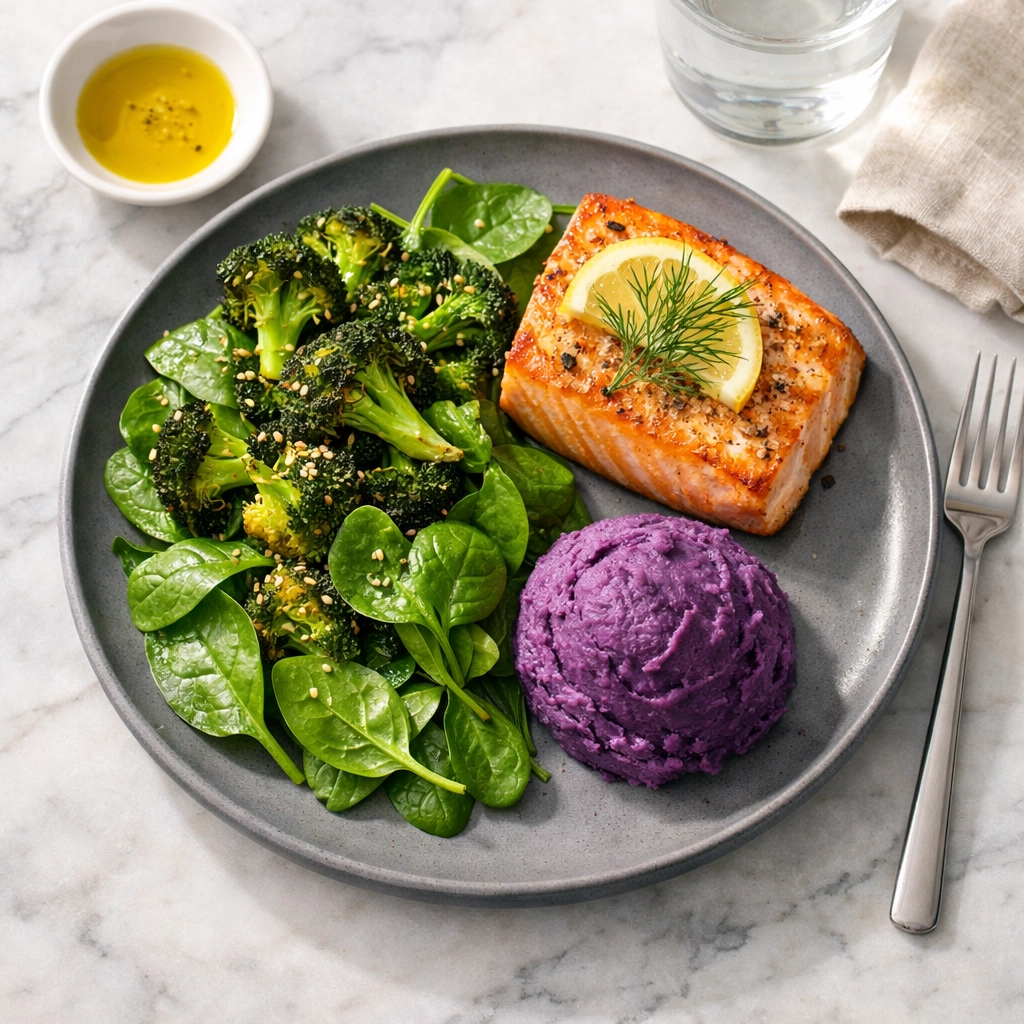
Transitioning to a hormone-balancing diet doesn't have to be overwhelming. Follow this simple framework for your main meals:
- Start with Fiber: Fill 50% of your plate with non-starchy vegetables.
- Add Lean Protein: Aim for 25%. Prioritize plant proteins like beans or tofu, or lean animal proteins like fish or poultry.
- Choose Slow Carbs: The remaining 25% should be a low-GI starch like sweet potato, quinoa, or berries.
- Incorporate Healthy Fats: Add a small serving of avocado, nuts, or seeds to further slow down digestion.
The Role of Weight Loss and Lean PCOS
A common misconception is that you must be overweight to have insulin resistance. However, lean women with PCOS often have "intrinsic" insulin resistance. While a 5% reduction in body weight can significantly improve symptoms for those with a higher BMI, lean patients must focus heavily on the quality of their intake and muscle-building exercise to improve glucose disposal.
Dietary changes produce results that are often comparable to medication, and the benefits actually increase the longer you stick with the pattern. Unlike a "crash diet," this is about metabolic rehabilitation.
Summary Checklist for Hormonal Balance
- Target Fiber: Aim for 40g of fiber daily from whole food sources.
- Go Low-GI: Swap white grains for ancient grains or legumes.
- Reduce Saturated Fat: Focus on plant-based fats and omega-3s.
- Boost Inositol: Eat more beans, cantaloupe, and walnuts.
- Stay Consistent: Metabolic changes take 3–6 months to reflect in your hormonal profile.
Author Bio: Malibongwe Gcwabaza
Malibongwe Gcwabaza is the CEO of blog and youtube, a digital platform dedicated to demystifying complex health and wellness data. With a background in executive leadership and a passion for data-driven wellness, Malibongwe focuses on providing high-authority, science-backed content that empowers individuals to take control of their metabolic health. By bridging the gap between clinical research and daily lifestyle choices, he helps readers navigate the complexities of hormonal balance with clarity and confidence.
About the Author