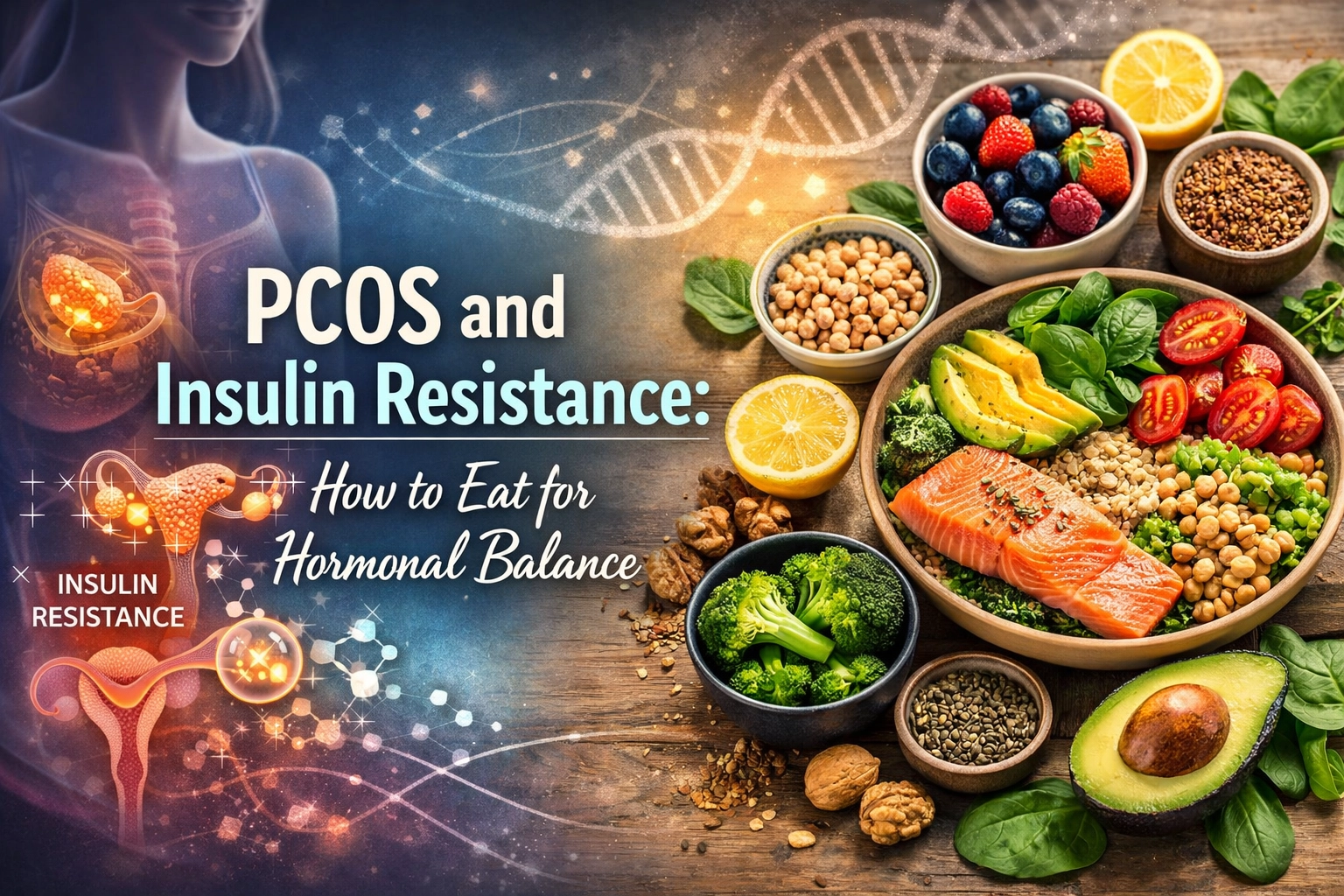
Polycystic Ovary Syndrome (PCOS) is often discussed as a reproductive disorder, but at its core, for about 70-80% of those diagnosed, it is a profound metabolic challenge. The "hidden driver" behind the irregular cycles, cystic ovaries, hirsutism, and adult acne is almost always insulin resistance.
In 2026, we’ve moved past the era of telling women to "just lose weight." We now understand the intricate molecular crosstalk between insulin and the ovaries. If you want to manage PCOS, you have to manage insulin. This guide dives deep into the science of how to eat to sensitize your cells, lower your androgens, and reclaim your hormonal health.
The Hyperinsulinemia-Androgen Loop: Why Insulin Matters
To eat for PCOS, you first need to understand the biology. Insulin is a storage hormone, but it also acts as a "co-gonadotropin." When your cells become resistant to insulin (meaning they don't respond efficiently to the hormone's signal to take up glucose), your pancreas pumps out more insulin to compensate.
This state of high insulin: hyperinsulinemia: does two damaging things:
- Stimulates the Theca Cells: High insulin levels directly signal the ovaries to produce more androgens (like testosterone).
- Suppresses SHBG: It tells your liver to stop making Sex Hormone-Binding Globulin. SHBG is the "sponge" that soaks up excess testosterone. Less SHBG means more free, active testosterone circulating in your blood, causing hair loss, acne, and skipped periods.
Decoding the PCOS Phenotypes
Not every woman with PCOS has the same metabolic baseline. Research indicates that the strategy for a "Lean PCOS" individual might differ significantly from someone with classic, insulin-resistant PCOS.
| PCOS Phenotype | Primary Driver | Best Dietary Focus |
|---|---|---|
| Classic (Type A/B) | High Insulin & High Androgens | Low Glycemic Load, DASH Diet, High Fiber |
| Lean PCOS | Intrinsic Insulin Resistance / Stress | Anti-inflammatory, Mitochondrial Health, Moderate Carbs |
| Adrenal-Driven | High DHEA-S (Stress Response) | Nervous System Support, Regular Meal Timing |
| Post-Pill PCOS | Rebound Androgens | Liver Support, Zinc, Gut Health |
The "Big Four" Dietary Protocols for 2026
Meta-analyses of randomized controlled trials have narrowed down which dietary patterns actually move the needle on fasting glucose and insulin sensitivity in PCOS patients.
1. The DASH Diet (The Gold Standard)
Originally designed for hypertension, the DASH (Dietary Approaches to Stop Hypertension) diet has emerged as a top performer for PCOS. It emphasizes fruits, vegetables, whole grains, lean protein, and low-fat dairy while minimizing saturated fat and sodium. In clinical trials, women with PCOS on the DASH diet showed significant reductions in insulin resistance and abdominal fat compared to standard weight-loss diets.
2. The Mediterranean Approach
This is the ultimate anti-inflammatory protocol. By focusing on monounsaturated fats (extra virgin olive oil, avocados) and Omega-3s (fatty fish), you dampen the chronic low-grade inflammation that often accompanies PCOS. Inflammation makes insulin resistance worse, so this diet creates a "virtuous cycle."
3. Low Glycemic Index (Low-GI)
This isn't necessarily a "low carb" diet, but a "slow carb" diet. By choosing carbohydrates that digest slowly (think chickpeas over white rice), you prevent the massive insulin spikes that trigger androgen production. This is often the most sustainable long-term approach.
4. Therapeutic Ketogenic Diet
While controversial, a short-term (12-week) ketogenic protocol can "reset" metabolic flexibility for those with severe insulin resistance. However, long-term keto can sometimes increase cortisol, which may interfere with ovulation, so it should be used as a targeted tool rather than a forever lifestyle.
The "PCOS Plate" Framework
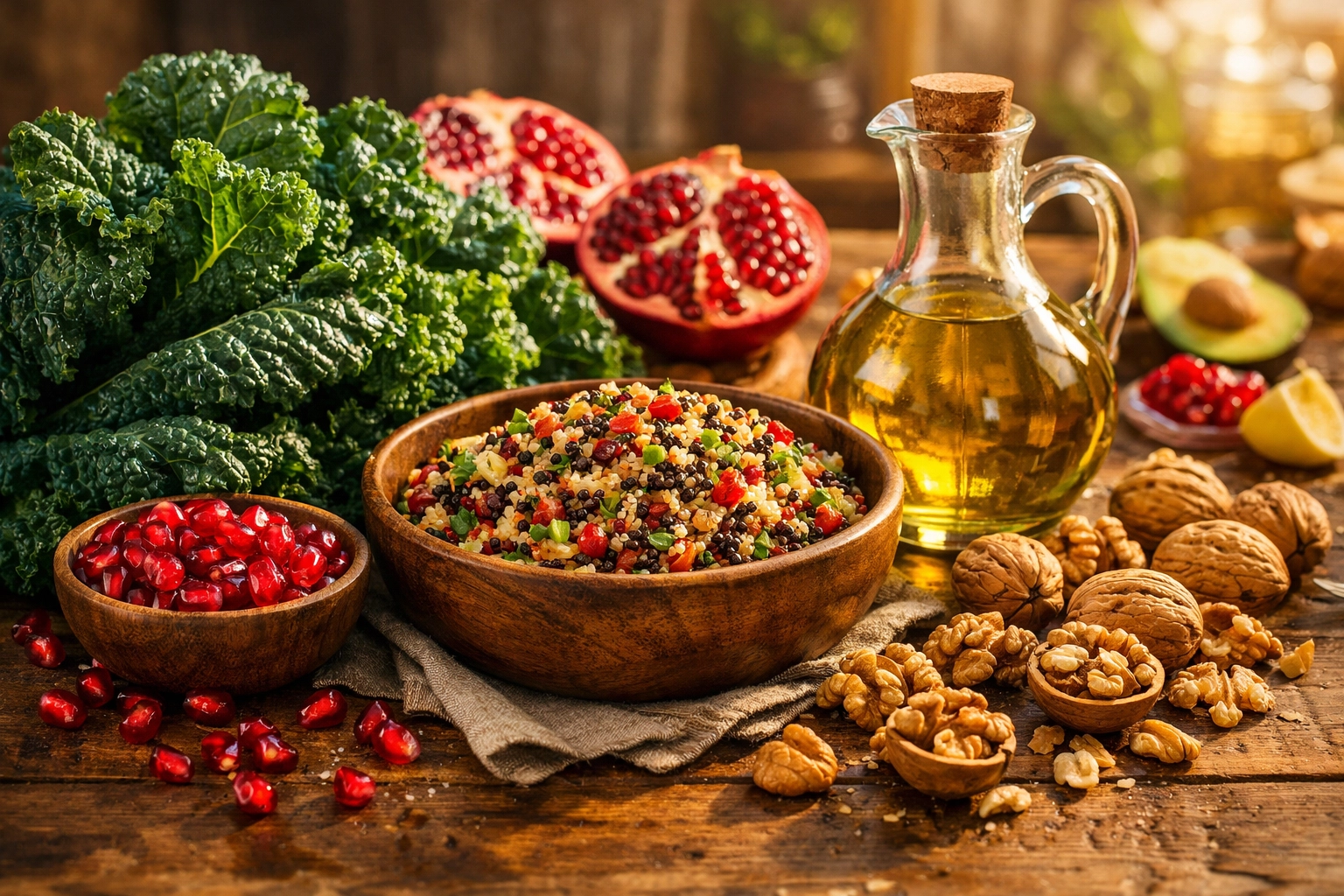
Forget calorie counting for a moment. Instead, focus on the composition of your plate. Every meal is an opportunity to send a safety signal to your endocrine system.
Step 1: Prioritize Protein-First
Protein is the most thermogenic macronutrient and has a minimal impact on insulin compared to carbs. Aim for 25-30g of protein per meal. This stimulates the release of GLP-1 (a natural satiety hormone) and prevents blood sugar crashes.
Step 2: The Fiber Floor
Fiber is non-negotiable. It slows down the absorption of glucose and binds to excess hormones in the gut to help excrete them.
- Target: 30–35g per day.
- Top Sources: Chia seeds, flaxseeds, lentils, raspberries, and cruciferous vegetables.
Step 3: Healthy Fats for Hormone Synthesis
Your hormones are literally made from cholesterol and fats. If you go "low fat," your body may struggle to produce the progesterone needed to balance out estrogen. Focus on MUFAs (Monounsaturated Fatty Acids) which have been shown to improve insulin sensitivity.
Critical Micronutrients for Insulin Sensitization
Sometimes, food alone isn't enough because PCOS can cause "leaky" nutrient status. Here are the data-driven heavy hitters:
- Inositol (Myo & D-Chiro): Often called the "PCOS supplement," inositol acts as a second messenger for insulin. A 40:1 ratio is clinically proven to improve ovulation and insulin sensitivity.
- Magnesium Bisglycinate: Most women with insulin resistance are deficient in magnesium. It's required for the insulin receptor to "unlock" the cell.
- Omega-3 (EPA/DHA): Reduces the "inflammaging" that drives androgen production.
- Chromium Picolinate: Helps stabilize blood sugar by enhancing the action of insulin.
Practical Tips for Daily Success
1. The Power of "Food Sequencing"
The order in which you eat your food matters. Research shows that eating fiber first, followed by protein and fats, and saving starches/sugars for last can reduce the post-meal glucose spike by up to 75%. This simple trick allows you to eat the same amount of carbs with a fraction of the hormonal fallout.
2. Avoid the "Naked Carb"
Never eat a carbohydrate alone. An apple by itself triggers an insulin response. An apple with almond butter (fat/protein) or a handful of walnuts blunts that response.
3. Circadian Eating
Our bodies are most insulin-sensitive in the morning. A "big breakfast, modest lunch, light dinner" approach aligns with your natural circadian rhythm and can help lower fasting insulin levels.
4. 10-Minute Post-Meal Walks
Your muscles are the biggest consumers of glucose. A brisk 10-minute walk after your largest meal "mops up" excess blood sugar without requiring massive amounts of insulin.
Managing the "Cravings" Monster
If you have PCOS and find yourself "hangry" or craving sugar at 3 PM, it’s not a lack of willpower: it’s biology. When your insulin is high, your brain can't "see" your stored energy (body fat), so it thinks you’re starving. By following the high-protein, high-fiber plate method, these cravings usually vanish within 14 to 21 days as your insulin levels stabilize.
Conclusion: Consistency Over Perfection
Hormonal balance doesn't happen overnight. Research shows that while some metabolic markers improve in as little as 4 weeks, the real "magic" happens after 12 to 16 weeks of consistent dietary changes. This is the timeframe required for egg maturation and significant shifts in androgen levels.
Treat your diet not as a restriction, but as a form of cellular medicine. By prioritizing insulin sensitivity, you aren't just managing PCOS: you're building a foundation for long-term longevity and metabolic health.
Author Bio: Malibongwe Gcwabaza
Malibongwe Gcwabaza is the CEO of blog and youtube and a leading voice in metabolic health and digital wellness. With a background in health-tech integration, Malibongwe focuses on translating complex physiological data into actionable lifestyle interventions. He is a firm believer that "knowledge is the first step toward hormonal sovereignty" and advocates for a science-first approach to fitness and longevity. When not analyzing the latest bio-monitoring trends, he spends his time exploring the intersection of nutrition and human performance.
About the Author