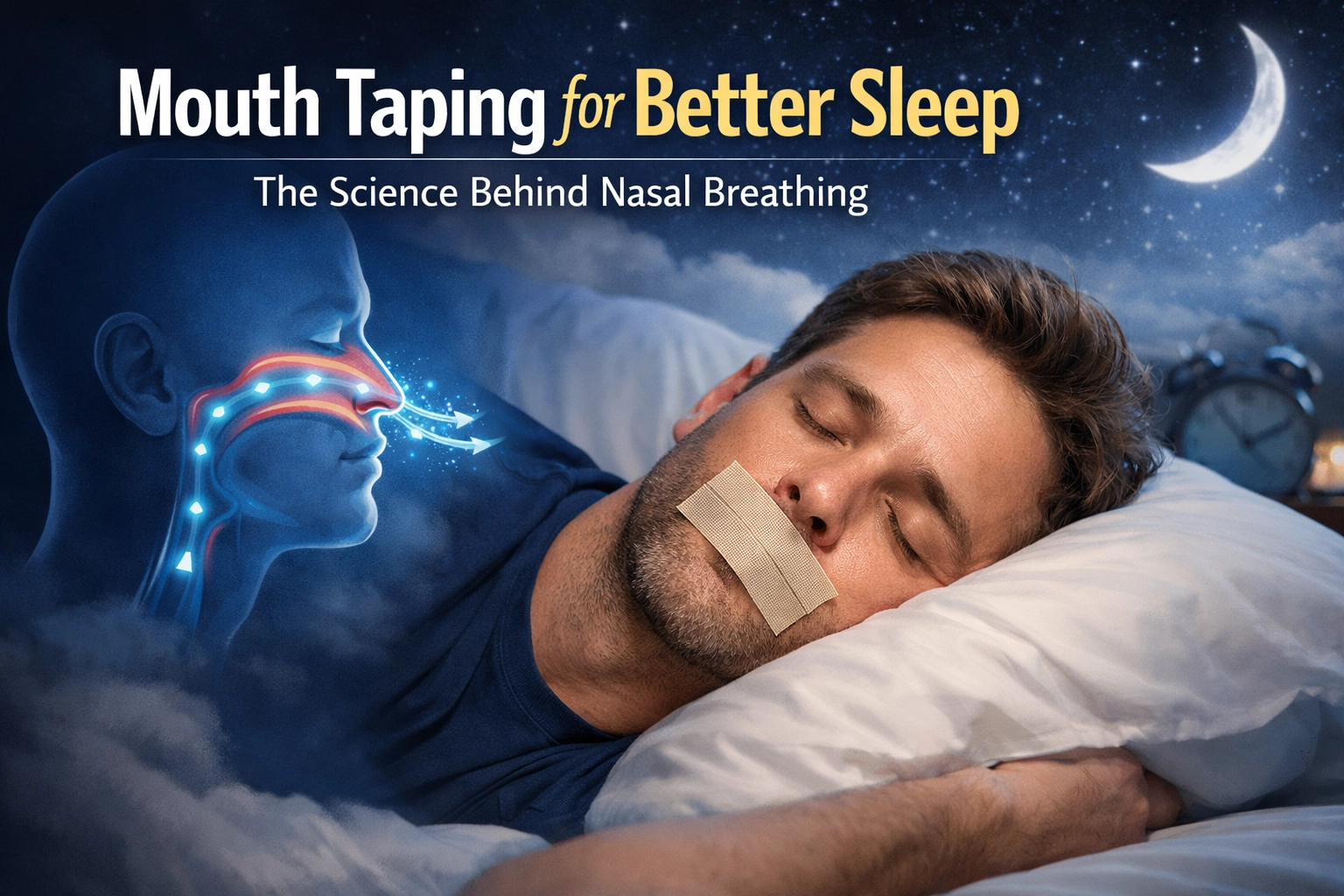
If you scrolled through any wellness feed in 2025, you likely saw people sleeping with a small piece of tape over their lips. It looks like a hostage situation, but the practitioners claim it’s the secret to the best sleep of their lives. As we move through 2026, mouth taping has transitioned from a "biohacker niche" to a clinically recognized tool for improving sleep architecture and respiratory health.
But why would anyone voluntarily tape their mouth shut before unconsciousness? The answer isn't in the tape itself, but in the biological imperative of nasal breathing.
The Biological Superiority of Nasal Breathing
Humans are the only mammals that habitually breathe through their mouths. In the animal kingdom, mouth breathing is usually a sign of extreme distress or impending death. Biologically, your nose is a sophisticated air filtration and conditioning plant; your mouth is an emergency intake valve.
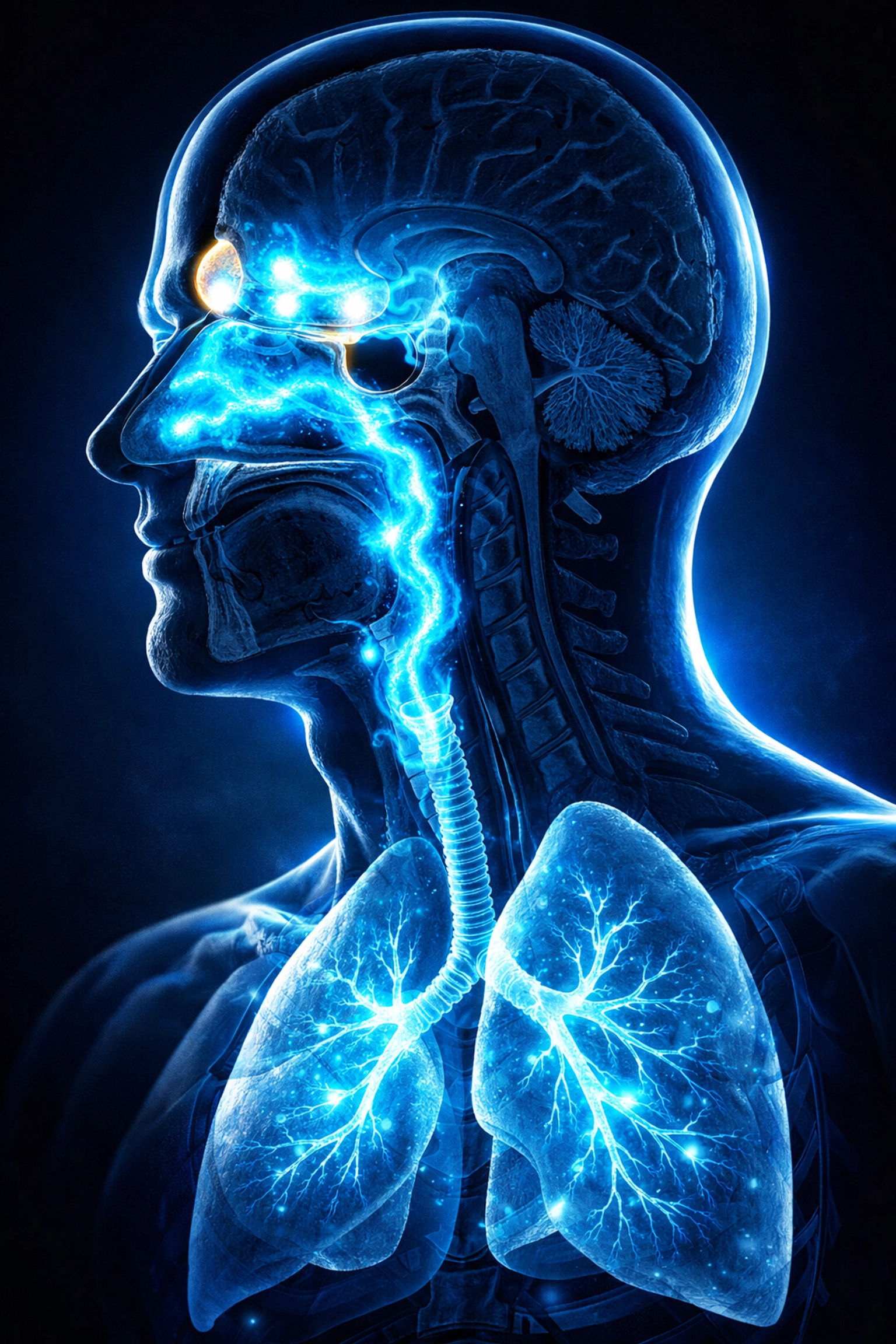
When you breathe through your nose, the air undergoes a four-stage treatment process:
- Filtration: Cilia (tiny hairs) and mucus trap pathogens, dust, and pollutants.
- Temperature Regulation: Cold air is warmed to body temperature to prevent lung irritation.
- Humidification: The nasal passages add moisture to the air, preventing the airways and lungs from drying out.
- Pressurization: The smaller diameter of the nostrils creates back-pressure during exhalation, slowing the breath down and allowing more time for oxygen exchange in the lungs.
The Nitric Oxide Secret
The most significant "hidden" benefit of nasal breathing is the production of Nitric Oxide (NO). Your paranasal sinuses continuously produce NO, a gas that acts as a potent vasodilator. When you breathe through your nose, you carry this NO into your lungs, where it helps dilate the blood vessels (capillaries) in the alveoli. This increases the efficiency of oxygen uptake into the bloodstream by up to 10-18%.
Mouth breathing completely bypasses this process, leading to lower blood oxygen saturation and higher systemic inflammation.
Why Mouth Breathing is a Sleep Killer
If you wake up with a "cotton mouth," a sore throat, or a foggy brain, you are almost certainly breathing through your mouth at night. In the context of 2026 health metrics, mouth breathing is now viewed as a "slow leak" in your longevity bucket.
1. The Oral Microbiome Disruption
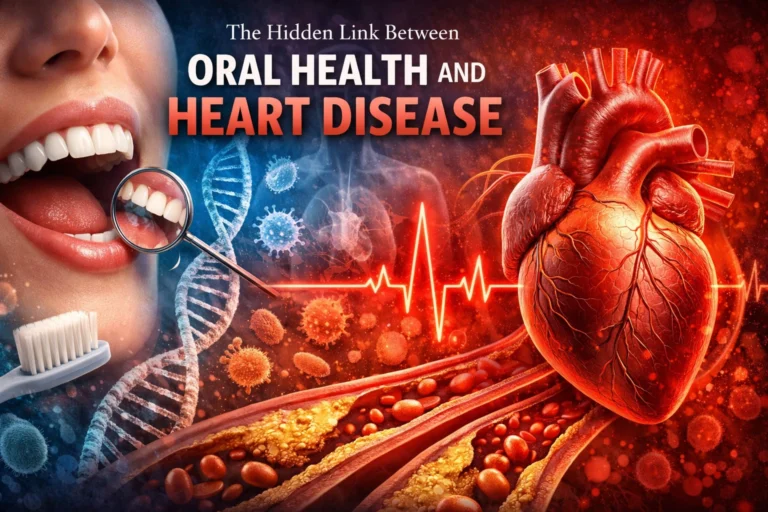
Mouth breathing dries out the oral cavity, neutralizing the pH-balancing effects of saliva. Saliva is your mouth’s primary defense against bacteria. Without it, your oral microbiome shifts toward pathogenic bacteria, leading to:
- Increased risk of cavities and gum disease.
- Chronic bad breath (halitosis).
- Systemic inflammation linked to heart disease.
2. The Bohr Effect and CO2 Tolerance
Counterintuitively, over-breathing (which happens during mouth breathing) leads to less oxygen reaching your tissues. This is known as the Bohr Effect. To release oxygen from hemoglobin into your cells, you need a certain level of Carbon Dioxide (CO2) in your blood. Mouth breathing "off-loads" too much CO2, causing hemoglobin to hold onto oxygen too tightly. This results in tissue hypoxia, even if your blood is technically "saturated" with oxygen.
3. Sleep Fragmentation
Mouth breathing is closely linked to the collapse of the soft tissues in the back of the throat. This leads to snoring and Upper Airway Resistance Syndrome (UARS). Even if you don't have full-blown Obstructive Sleep Apnea (OSA), the extra effort required to pull air through a collapsed airway causes "micro-arousals" that kick you out of deep REM and slow-wave sleep.
Comparison: Nasal vs. Mouth Breathing
| Feature | Nasal Breathing (The Goal) | Mouth Breathing (The Risk) |
|---|---|---|
| Air Filtration | High (Cilia/Mucus) | None |
| Nitric Oxide | High (Produced in Sinuses) | Zero |
| Oxygen Uptake | Optimized (10-20% higher) | Sub-optimal |
| Oral Health | Protected (Moist) | Degraded (Dry/Acidic) |
| Sleep Quality | Deeper, more restorative | Fragmented (Snoring/Apnea) |
| Nervous System | Parasympathetic (Calm) | Sympathetic (Stress) |
The Science of Mouth Taping: What 2026 Research Says
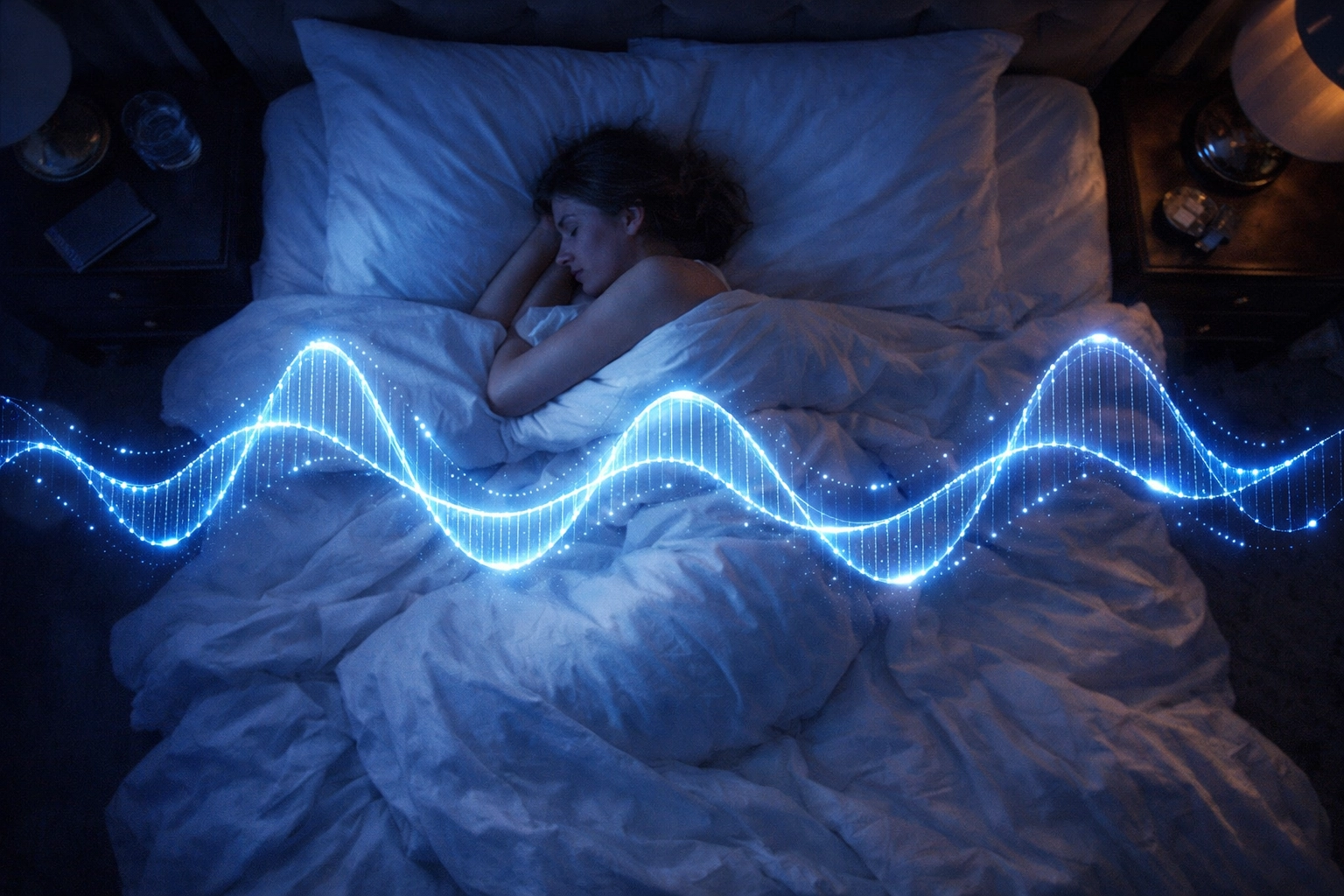
Recent longitudinal studies in 2025 and early 2026 have begun to validate the anecdotal success of mouth taping. A pivotal study published in the Journal of Sleep Research followed 500 participants using hypoallergenic porous tape. The data showed a 31% average increase in Heart Rate Variability (HRV) during the night, indicating a significant shift toward the parasympathetic (rest-and-digest) nervous system.
Furthermore, for those with mild positional sleep apnea, mouth taping was shown to reduce the Apnea-Hypopnea Index (AHI) by nearly 40% simply by preventing the jaw from dropping back and obstructing the airway.
How to Start: The 2026 Protocol for Safe Taping
Don't just grab a roll of duct tape from the garage. Safety and gradual adaptation are key to ensuring your brain doesn't trigger a panic response.
Step 1: The Daytime Test
Before attempting to sleep with tape, wear it for 15–30 minutes during the day while focused on a task (like reading or answering emails). This desensitizes your nervous system and proves to your brain that you can, in fact, get enough air through your nose.
Step 2: Choose the Right Tape
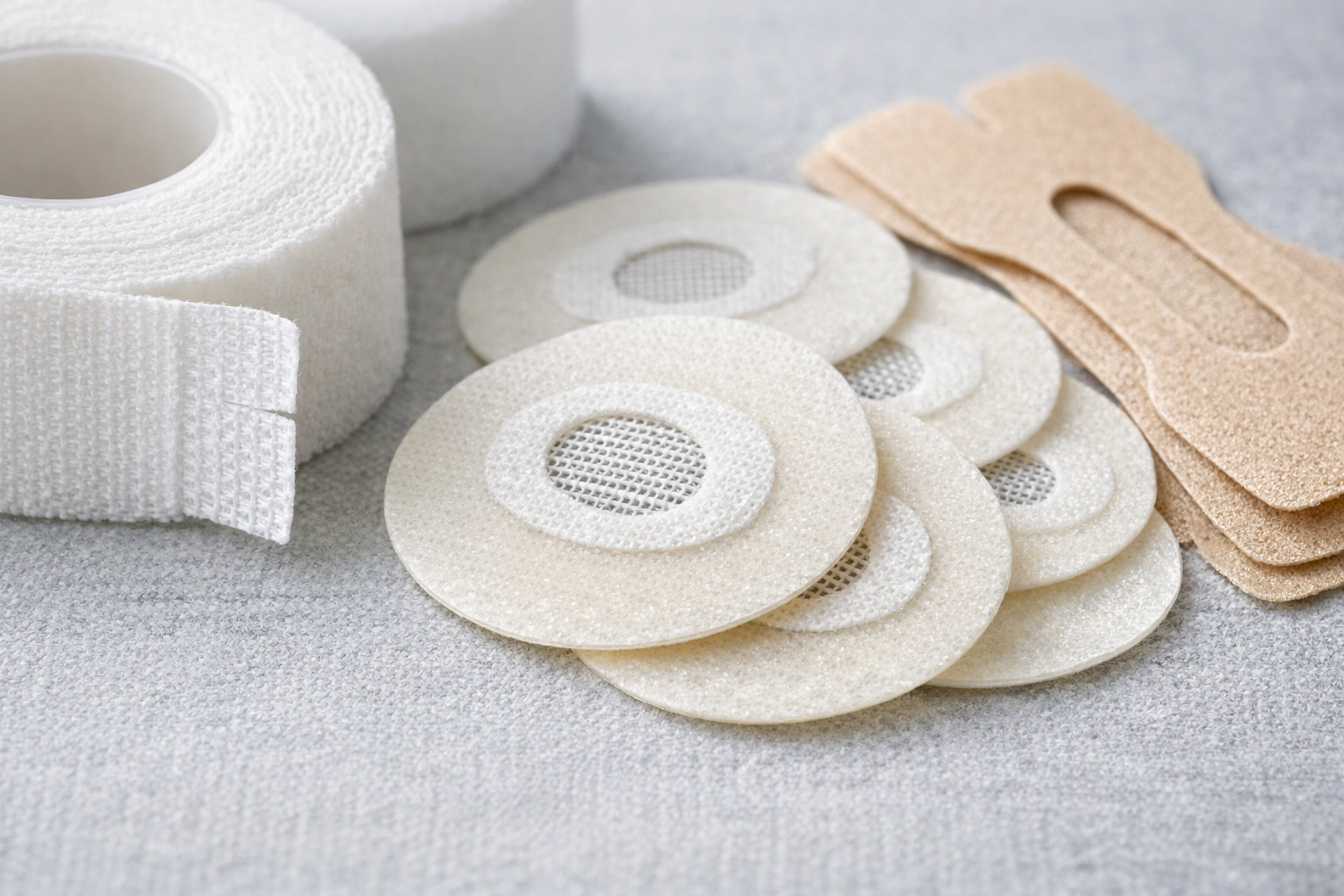
The market has evolved significantly. In 2026, we categorize tape into three types:
- Micropore Paper Tape: The classic, budget-friendly option. It's breathable and easy to remove.
- Central-Hole Strips: These strips surround the lips but leave a small "vent" in the middle. Perfect for beginners who are anxious about total occlusion.
- Elastic Myofunctional Tape: Specifically designed to stimulate the muscles around the lips to stay closed without using a heavy adhesive.
Step 3: The Application
Apply a small amount of lip balm first to prevent the tape from sticking too harshly to the sensitive skin of your lips. Fold a small "tab" on one end of the tape so you can rip it off instantly if you feel the need to cough or sneeze.
Critical Safety and Contraindications
Mouth taping is a powerful tool, but it is not a "one-size-fits-all" solution. You should not use mouth tape if:
- You have a severe nasal obstruction: If you have a severely deviated septum or chronic polyps that make nasal breathing impossible, forcing it via tape is dangerous.
- You’ve been drinking alcohol: Alcohol relaxes the throat muscles and dulls your arousal response. Never tape your mouth when intoxicated.
- You have a BMI over 35: Higher body mass indexes are associated with more severe sleep apnea, which requires professional CPAP intervention rather than a "DIY" tape fix.
- You feel nauseous: If there is any risk of vomiting, your mouth must be unobstructed.
Beyond the Tape: Building Nasal Capacity
Mouth taping is a "top-down" intervention, but for long-term success, you should work "bottom-up" on your nasal health.
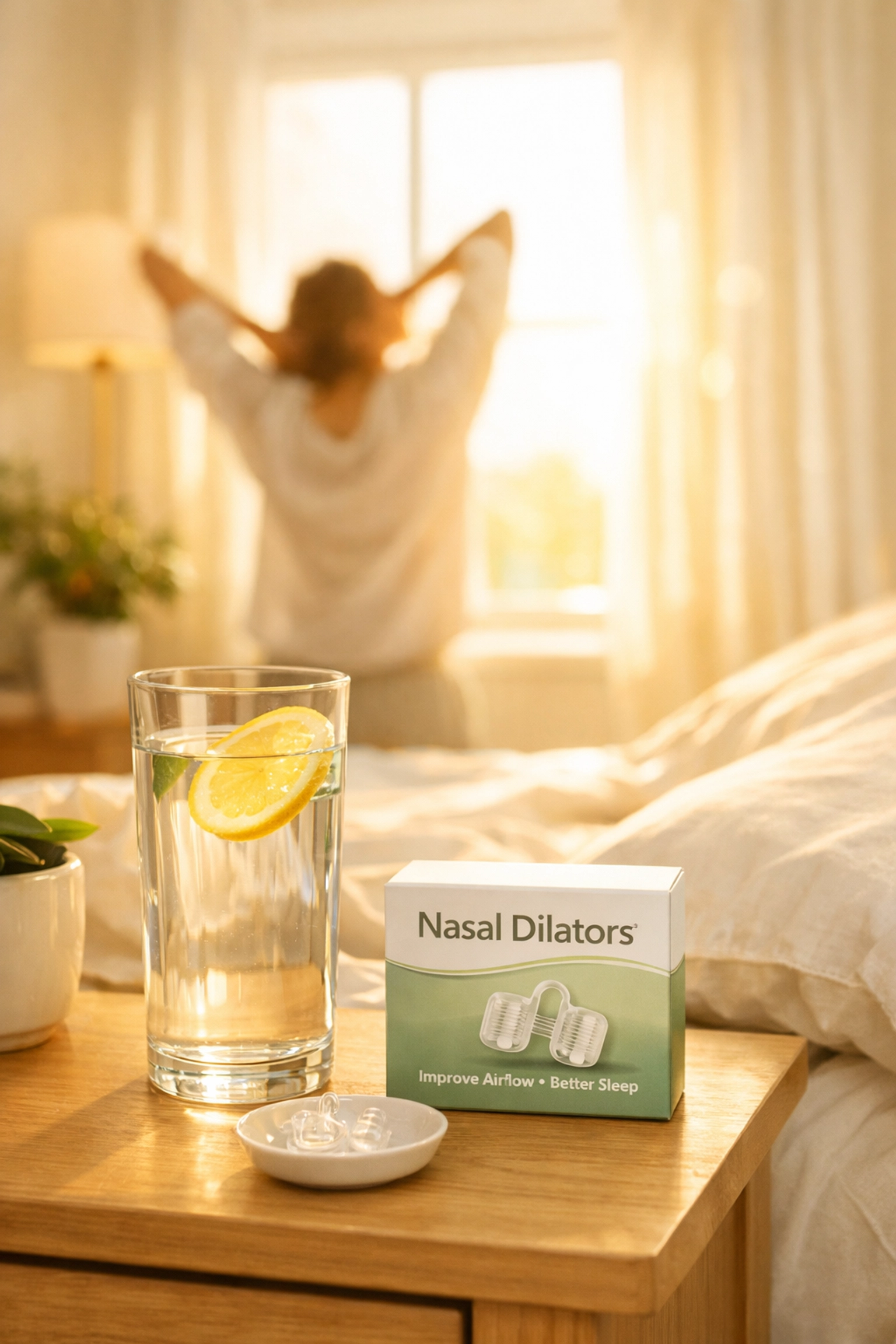
- Nasal Dilators: Using internal or external nasal dilators (like Breathe Right strips) can expand the nasal valves, making the transition to taping much easier.
- Hydration: Dehydration leads to thicker mucus, which blocks nasal passages.
- Mouth Exercises (Myofunctional Therapy): Simple exercises like pressing your tongue against the roof of your mouth help strengthen the muscles that keep your airway open naturally.
Summary: Is It Worth It?
If you are looking for a high-leverage, low-cost biohack to improve your recovery, mouth taping is perhaps the most effective tool available in 2026. By forcing the body to utilize its natural filtration system and optimizing Nitric Oxide intake, you aren't just sleeping better: you're protecting your heart, your brain, and your teeth.
Start slow, use the right materials, and pay attention to how you feel upon waking. The "foggy morning" might soon become a thing of the past.
Author Bio
Malibongwe Gcwabaza is the CEO of blog and youtube and a dedicated advocate for functional fitness and longevity. With over a decade of experience exploring the intersection of technology and human performance, Malibongwe focuses on evidence-based protocols that help high-performers optimize their biological "hardware." When not researching the latest in 2026 wellness trends, he can be found practicing Zone 2 training and experimenting with circadian-aligned lifestyle habits.
About the Author