By 2026, the conversation around aging has shifted from "looking young" to "functioning young." At the heart of this shift is a tiny organelle you likely haven't thought about since high school biology: the mitochondrion.
Often dismissed as just the "powerhouse of the cell," the mitochondrion is actually the primary regulator of your biological age. When your mitochondria are healthy, you have stable energy, sharp focus, and a resilient metabolism. When they fail, you experience the hallmark symptoms of aging: chronic fatigue, brain fog, and muscle loss.
This guide dives into the technical reality of mitochondrial health and provides a data-driven roadmap to optimizing your cellular energy as you age.
The Bio-Energetics of Aging: Why Efficiency Matters
Every second, your mitochondria are busy converting the food you eat and the oxygen you breathe into adenosine triphosphate (ATP). This is the universal energy currency of life. A typical human body cycles through its own weight in ATP every single day.
As we age, two specific things happen to this process:
- Reduced Biogenesis: We stop making new mitochondria as quickly as we used to.
- Mitochondrial Decay: Existing mitochondria become "leaky." They produce less ATP and more Reactive Oxygen Species (ROS), which cause oxidative damage to our DNA.
Recent 2026 research has highlighted a phenomenon known as cellular hypermetabolism. When mitochondria become inefficient, the cell actually has to work harder and spend more energy just to maintain basic functions. This "efficiency tax" is a major driver of the systemic inflammation often called "inflammaging."

Key Pillars of Mitochondrial Optimization
To maintain high energy levels into your 40s, 50s, and beyond, you must move beyond generic health advice and focus on three specific cellular goals: Biogenesis (making more), Mitophagy (cleaning the old), and Efficiency (working better).
1. Mitochondrial Biogenesis: Building the Engines
The most effective way to "reverse" cellular aging is to force the body to create new mitochondria. This is primarily achieved through metabolic stress.
- Zone 2 Stability Training: This refers to low-intensity steady-state exercise where you can still hold a conversation. Research consistently shows that Zone 2 training specifically targets the density of mitochondria in Type I muscle fibers.
- High-Intensity Interval Training (HIIT): While Zone 2 builds the "base," HIIT improves the maximal capacity of your mitochondria to utilize oxygen (VO2 Max).
| Exercise Type | Primary Benefit | Recommended Frequency |
|---|---|---|
| Zone 2 Cardio | Increases mitochondrial density/volume | 150–200 minutes per week |
| HIIT | Increases mitochondrial oxidative capacity | 1–2 sessions per week |
| Resistance Training | Improves metabolic sink for glucose | 3 sessions per week |
2. Mitophagy: The Cellular Clean-up
Bad mitochondria are like old, smoking car engines. They don't just work poorly; they damage everything around them. Mitophagy is the body's natural process of identifying and recycling these damaged organelles.
- Intermittent Fasting: Depriving the body of external fuel for 16–18 hours triggers nutrient-sensing pathways (like AMPK) that signal the cell to start recycling old parts for energy.
- Targeted Nutrients: Compounds like Urolithin A (derived from pomegranate by-products) have gained significant traction in 2026 for their ability to directly stimulate mitophagy in humans.

The Role of NAD+ and Micronutrients
You cannot talk about mitochondrial health without mentioning Nicotinamide Adenine Dinucleotide (NAD+). This coenzyme is essential for the electron transport chain: the final step in ATP production. NAD+ levels naturally drop by about 50% every 20 years.
To support the chemical reactions within the mitochondria, focus on these data-backed nutrients:
- Coenzyme Q10 (CoQ10): Acts as an electron shunter in the mitochondrial membrane. Without it, ATP production grinds to a halt.
- Magnesium: ATP must be bound to a magnesium ion to be biologically active. If you are deficient in magnesium (as 50% of the population is), your "powerhouse" is essentially producing currency that the body can't spend.
- PQQ (Pyrroloquinoline Quinone): A potent antioxidant that has been shown in clinical trials to stimulate spontaneous mitochondrial biogenesis.
- L-Carnitine: The "shuttle" that moves fatty acids into the mitochondria to be burned for fuel.
Environmental Hormesis: Using Stress to Gain Energy
In 2026, "Hormesis" is the gold standard for longevity. It refers to the concept that a brief, controlled dose of stress triggers a massive repair response.
Cold Exposure and Brown Fat
Cold plunging or even cold showers trigger the production of Brown Adipose Tissue (BAT). Unlike regular white fat, brown fat is packed with mitochondria. Its sole purpose is to burn energy to create heat. Regular cold exposure essentially "trains" your mitochondria to be more thermogenically active.
Heat Shock Proteins and Saunas
Regular sauna use (4-7 times a week) has been linked to a 40% reduction in all-cause mortality. The heat stress increases the expression of Heat Shock Proteins, which help mitochondria maintain their protein structure under stress.

Testing Your "Real" Age in 2026
How do you know if your mitochondria are actually improving? We no longer have to guess based on how tired we feel. Modern diagnostics allow us to track cellular health with high precision:
- Intracellular Micronutrient Testing: Standard blood tests only show what is in your serum. New tests measure the levels of minerals and vitamins inside the white blood cells, giving a true picture of mitochondrial fuel levels.
- VO2 Max Testing: This remains the single best proxy for mitochondrial function. A high VO2 Max is impossible without healthy, efficient mitochondria.
- Bio-Age Decelerator Clocks: Epigenetic tests (like the Horvath Clock) can now estimate how much your lifestyle choices are slowing your rate of biological aging.
2026 Practical Protocol for High Energy
If you want to optimize your mitochondrial health today, follow this structured hierarchy:
- Sleep Hygiene (The Foundation): Mitochondria undergo a "cleaning" process during deep sleep. Without 7-8 hours of quality rest, no amount of CoQ10 will save you.
- Light Management: Your mitochondria are light-sensitive. Morning sunlight sets your circadian rhythm, while evening blue light disrupts the mitochondrial production of melatonin (which is a potent antioxidant inside the mitochondria).
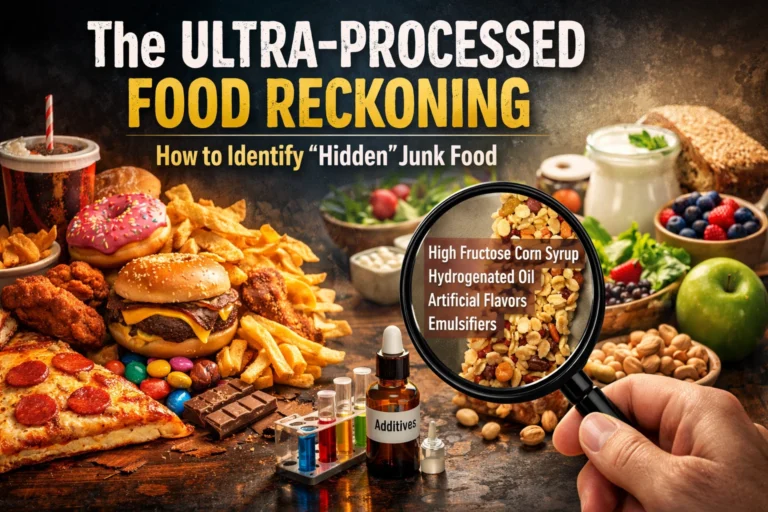
- The "Anti-Inflammatory" Diet: Avoid ultra-processed seed oils and high-fructose corn syrup. These fuels "clog" the electron transport chain and create massive amounts of ROS.
- Strategic Supplementation: Use NAD+ precursors (NMN or NR) and Magnesium Malate specifically in the morning to align with your body's natural energy peaks.

Conclusion
Mitochondrial health is not a "quick fix" or a weekend bio-hack. It is a long-term commitment to providing your cells with the right signals. By combining metabolic stress (exercise and fasting) with the right raw materials (nutrition and light), you can effectively maintain the energy levels of someone decades younger.
Remember: you don't "lose" energy because you get old; you get old because you lose the ability to produce energy. Control the powerhouse, and you control the aging process.
About the Author: Malibongwe Gcwabaza
Malibongwe Gcwabaza is the CEO of blog and youtube, a leading digital platform dedicated to the intersection of longevity science and practical wellness. With a focus on data-driven health optimization and "Deep Dive" education, Malibongwe works to translate complex clinical research into actionable strategies for high-performers. When not analyzing the latest in bio-energetics, he is an advocate for functional fitness and sustainable longevity.
References & Data Insights:
- Mitochondrial Efficiency Study (2025): Demonstrated a 15% increase in lifespan in murine models via mitochondrial protein upregulation.
- Hypermetabolism Research (2024): Identified the "efficiency tax" in aging human fibroblasts.
- VO2 Max and Longevity: Journal of the American Medical Association (JAMA) data linking high cardiorespiratory fitness to significant reductions in all-cause mortality.
About the Author