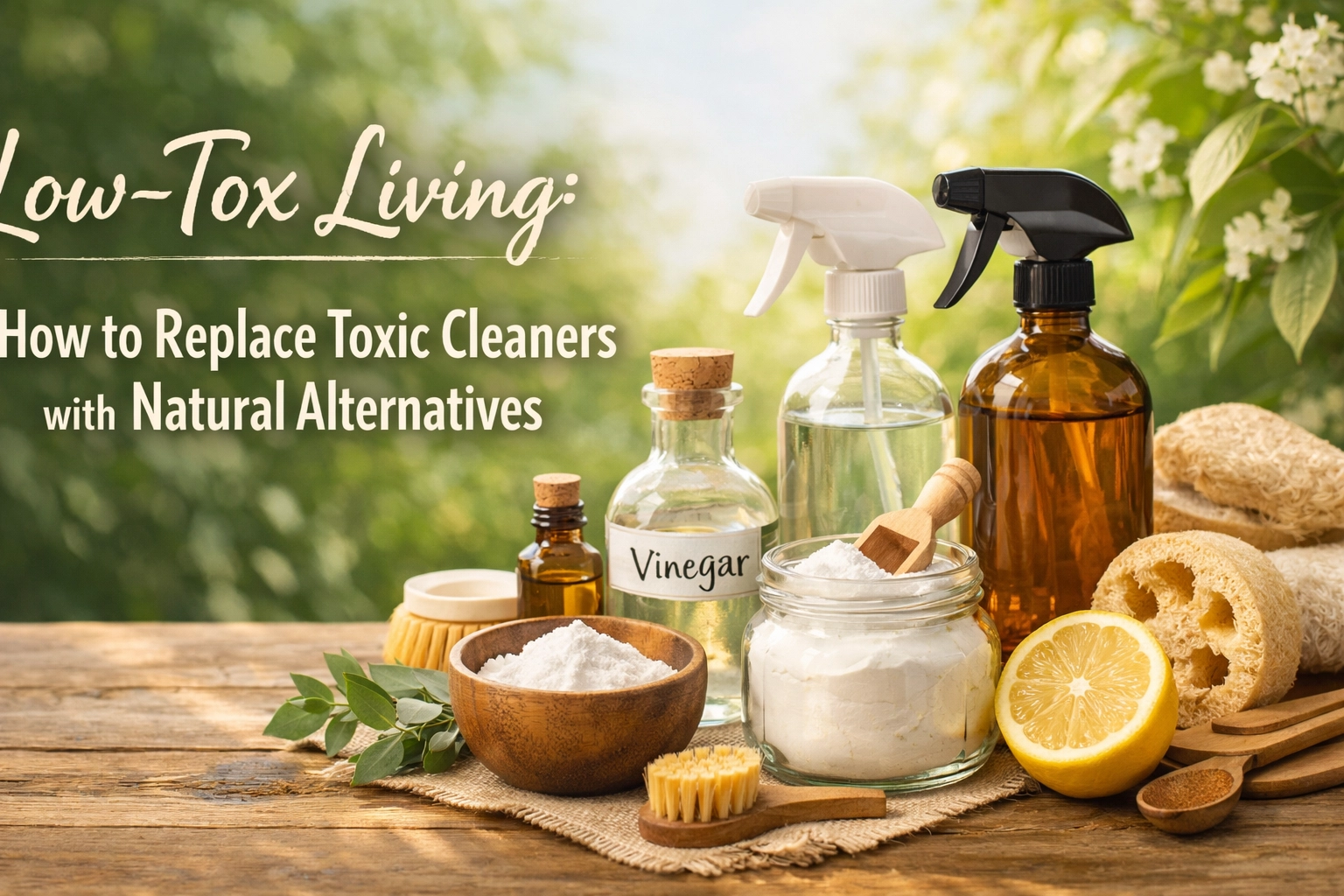
In 2026, the concept of "wellness" has migrated from the gym and the kitchen into the very air we breathe inside our homes. While we obsess over organic kale and VO2 max, many of us are inadvertently sabotaging our health by atomizing high-concentration synthetic chemicals into our living spaces. Indoor air pollution is often two to five times higher than outdoor levels, and a primary contributor is the "clean" scent of conventional household products.
Low-tox living isn't about a return to the Middle Ages; it is a sophisticated, science-backed approach to reducing the "body burden": the cumulative load of synthetic chemicals stored in our tissues. This guide breaks down the technical reasons for ditching conventional cleaners and provides a comprehensive roadmap for replacing them with high-performance, natural alternatives.
The Chemistry of Conventional Cleaners: Why Change?
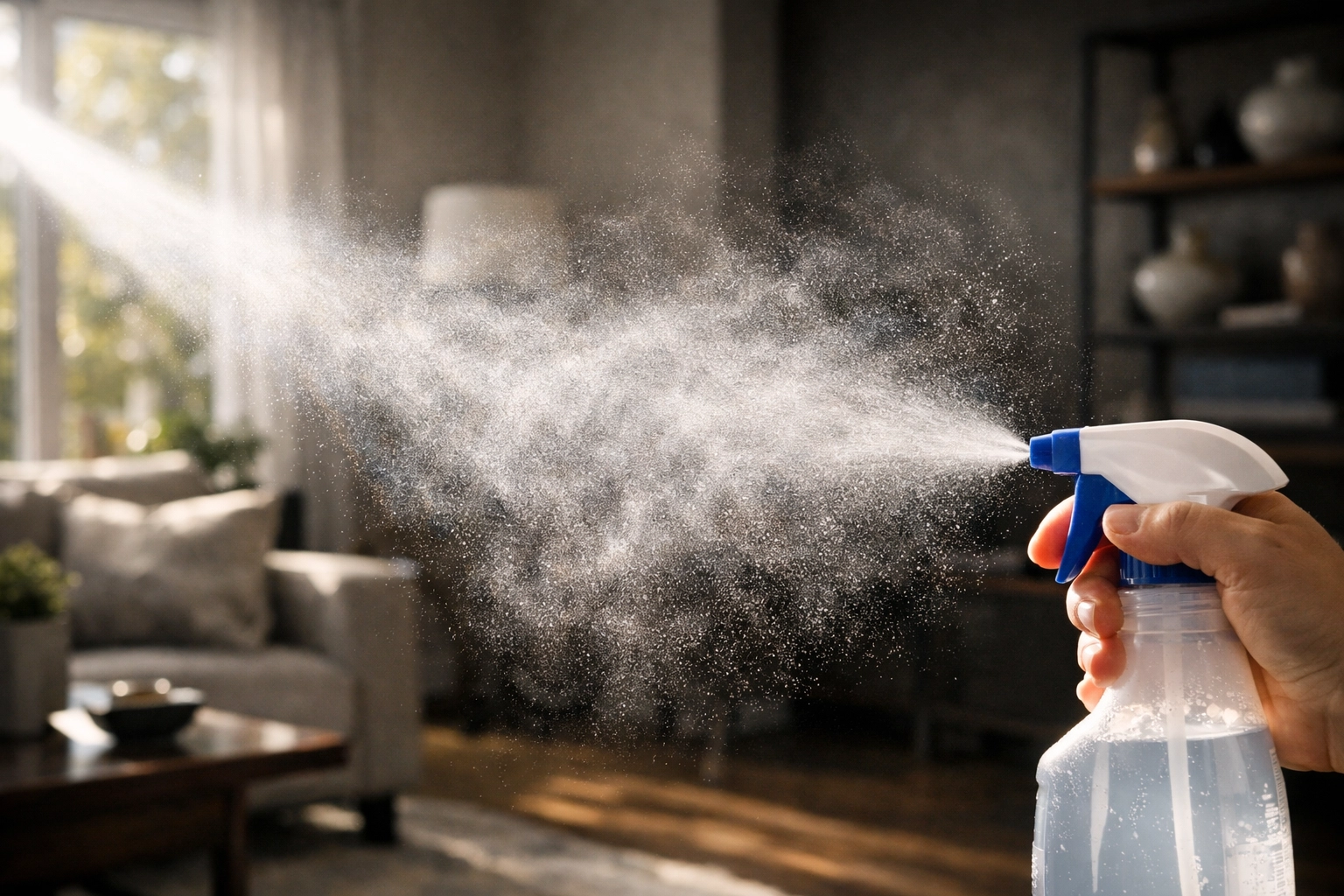
Most commercial cleaning products are cocktails of Volatile Organic Compounds (VOCs), endocrine disruptors, and respiratory irritants. When you spray a window or mop a floor, these substances don't just disappear; they linger in the air and settle into dust.
Key Toxins to Eliminate
- Phthalates: Often hidden under the label "fragrance," these are known endocrine disruptors linked to reduced sperm counts and reproductive issues.
- Quaternary Ammonium Compounds (Quats): Found in many "antibacterial" sprays and fabric softeners, these can trigger "disinfectant-induced asthma" and have been linked to fertility issues in lab studies.
- Ammonia: A powerful irritant that affects the lungs and skin. It is particularly dangerous for people with pre-existing respiratory conditions.
- 2-Butoxyethanol: Commonly found in glass cleaners, this solvent can cause sore throats and, at high levels of exposure, contribute to liver and kidney damage.
The Low-Tox Laboratory: Your Essential Ingredients
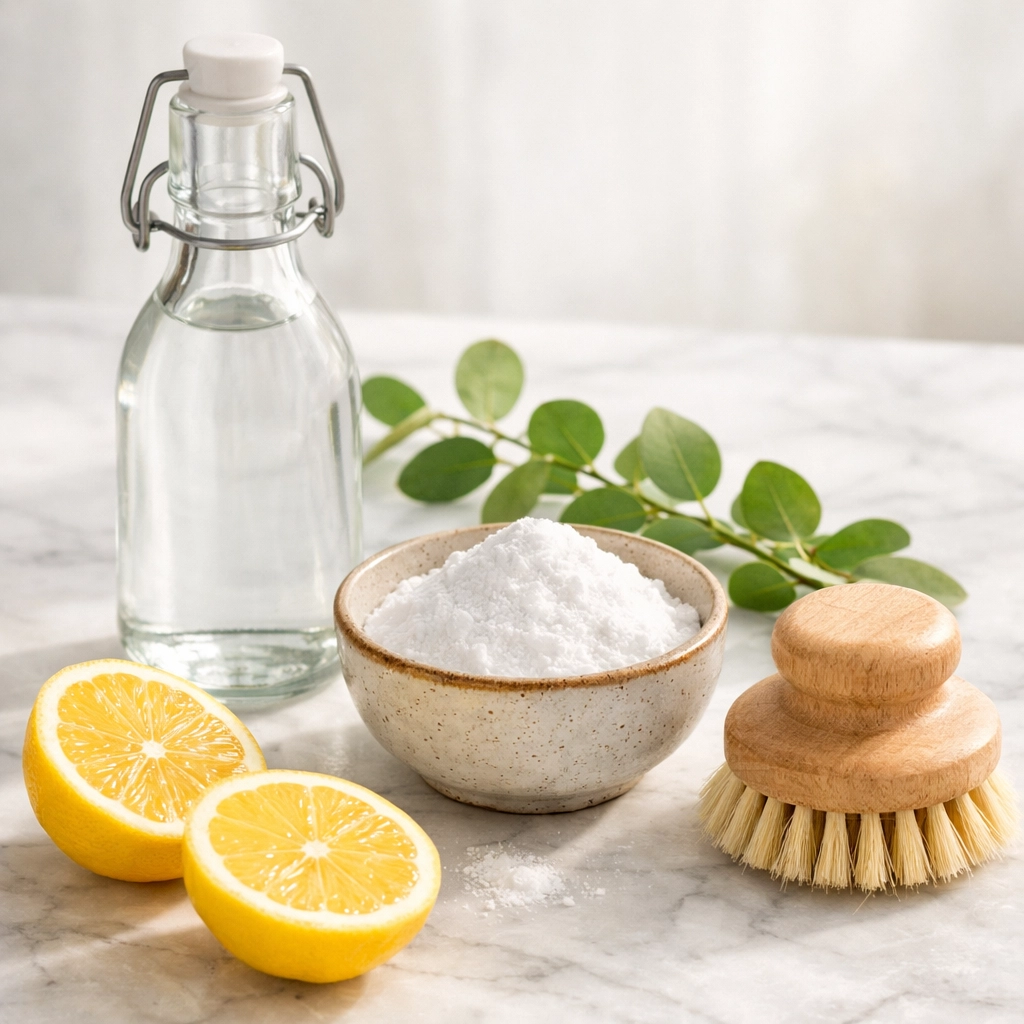
Transitioning to a natural cleaning kit requires understanding the pH scale and chemical properties of natural substances. Cleaning is essentially a series of chemical reactions: you are either dissolving minerals (acidic), breaking down fats and proteins (alkaline), or emulsifying oils (surfactants).
| Ingredient | pH Level | Best Use Case | Technical Benefit |
|---|---|---|---|
| White Vinegar | ~2.5 (Acidic) | Limescale, glass, windows | Dissolves mineral deposits and kills certain bacteria. |
| Baking Soda | ~8.1 (Alkaline) | Scrubbing, deodorizing | Provides mild abrasion and neutralizes acidic odors. |
| Castile Soap | ~8.9 (Alkaline) | General grime, floor cleaning | A true surfactant that lifts dirt and oil from surfaces. |
| Hydrogen Peroxide (3%) | ~3.5-4.5 (Acidic) | Disinfecting, whitening | Oxidizes cell walls of pathogens; breaks down into water/oxygen. |
| Washing Soda | ~11 (Highly Alkaline) | Heavy degreasing, laundry | Stronger than baking soda for extreme grease. |
The Deep-Dive Protocols: Room-by-Room Natural Cleaning
1. The Kitchen: Degreasing and Sanitizing
The kitchen requires a balance between removing grease and ensuring surfaces are food-safe.
- All-Purpose Degreaser: Mix 2 cups of distilled water with 2 tablespoons of liquid Castile soap and 15 drops of lemon essential oil (which contains d-limonene, a powerful natural solvent).
- The Sinking Protocol: To clear a slow drain without corrosive lye, pour 1/2 cup of baking soda down the drain followed by 1/2 cup of vinegar. The resulting carbon dioxide gas creates physical pressure to dislodge minor clogs. Flush with 2 liters of boiling water.
2. The Bathroom: Mold and Limescale
The bathroom is often the most toxic room in the house due to bleach and ammonia-based products.
- The Anti-Microbial Scrub: Mix 1 cup of baking soda with 1/4 cup of liquid Castile soap. This creates a "soft scrub" paste. Apply to tubs and tiles. For extra disinfection, spray the area afterward with 3% hydrogen peroxide.
- Glass and Mirror Clarity: Use a 50/50 mix of white vinegar and distilled water. The acetic acid dissolves the minerals found in water spots, leaving a streak-free finish.
3. The Laundry: Avoiding Micro-Toxins
Laundry detergents are notorious for leaving residues on clothes that are absorbed through the skin (the body's largest organ).
- The 2026 Low-Tox Detergent:
- 2 cups Washing Soda (Sodium Carbonate)
- 2 cups Borax (Sodium Borate)
- 1 bar of Grated Castile Soap
- Instructions: Mix and use 2 tablespoons per load. This eliminates the need for synthetic surfactants and optical brighteners.
- Fabric Softener Alternative: Replace toxic dryer sheets with wool dryer balls. For scent, add 2 drops of lavender or eucalyptus oil to the wool. Dryer sheets work by coating your clothes in a thin layer of "tallow" (rendered animal fat) or synthetic polymers: wool balls work by physically separating clothes to increase airflow and reduce static.
The "Danger Zone": Chemical Reactions to Avoid
Just because ingredients are natural doesn't mean they aren't reactive. When DIY-ing your low-tox home, you must respect the chemistry.
- Vinegar + Bleach: NEVER mix these. It creates toxic chlorine gas, which can be fatal.
- Vinegar + Hydrogen Peroxide: Mixing them in the same bottle creates peracetic acid. While a strong disinfectant, it is highly corrosive and can irritate the skin, eyes, and respiratory system. It is safer to use them sequentially (spray vinegar, wipe, then spray peroxide).
- Castile Soap + Vinegar: Mixing these directly results in a chemical "clash." The acid in the vinegar reacts with the soap to unsaponify it, turning the mixture back into a useless, oily sludge. Always use soap to clean, then vinegar to rinse.
Bio-Hacking Your Air Quality
Beyond the sprays, low-tox living involves managing the "Invisible Load."
- Activated Charcoal: Use bamboo charcoal bags in closets and shoes to adsorb (not just absorb) VOCs and odors.
- HEPA Filtration: While natural cleaners reduce the source of toxins, a HEPA (High-Efficiency Particulate Air) filter with an activated carbon stage is essential for capturing particulates and off-gassing from furniture or paint.
- The Morning Flush: Open windows for at least 10 minutes every morning, regardless of the temperature. This "mechanical ventilation" is the fastest way to reduce CO2 and VOC concentrations accumulated overnight.
Economic Impact: The Hidden Savings of Low-Tox Living
Switching to natural alternatives isn't just a health play; it’s a financial one. A standard gallon of white vinegar costs a fraction of a branded multi-surface cleaner. When you analyze the cost per ounce, DIY natural cleaners are approximately 75% cheaper than their synthetic counterparts. For a household in 2026, this can lead to annual savings of $300 to $600, while simultaneously reducing plastic waste and chemical runoff into the local water system.

Final Thoughts on the Low-Tox Transition
Transitioning to a low-tox home doesn't have to happen overnight. Start by replacing your most frequently used products: your dish soap, your all-purpose spray, and your laundry detergent. As you run out of conventional products, swap them for the natural protocols listed above.
Your home should be a sanctuary that supports your longevity and cellular health, not a source of chronic chemical stress. By mastering the simple chemistry of vinegar, baking soda, and Castile soap, you take full control over your environment.
Author Bio: Malibongwe Gcwabaza
CEO & Longevity Strategist
Malibongwe Gcwabaza is the CEO of blog and youtube, a leading digital platform dedicated to the intersection of high-performance fitness and holistic wellness. With a background in organizational leadership and a passion for bio-optimisation, Malibongwe focuses on how environmental factors: from indoor air quality to metabolic flexibility: impact long-term human healthspan. He is a staunch advocate for "Health-First" living and believes that the most powerful wellness tools are often the simplest ones found in nature. When not researching the latest in 2026 health trends, he can be found practicing Zone 2 endurance training or exploring the science of hormetic stress.
About the Author