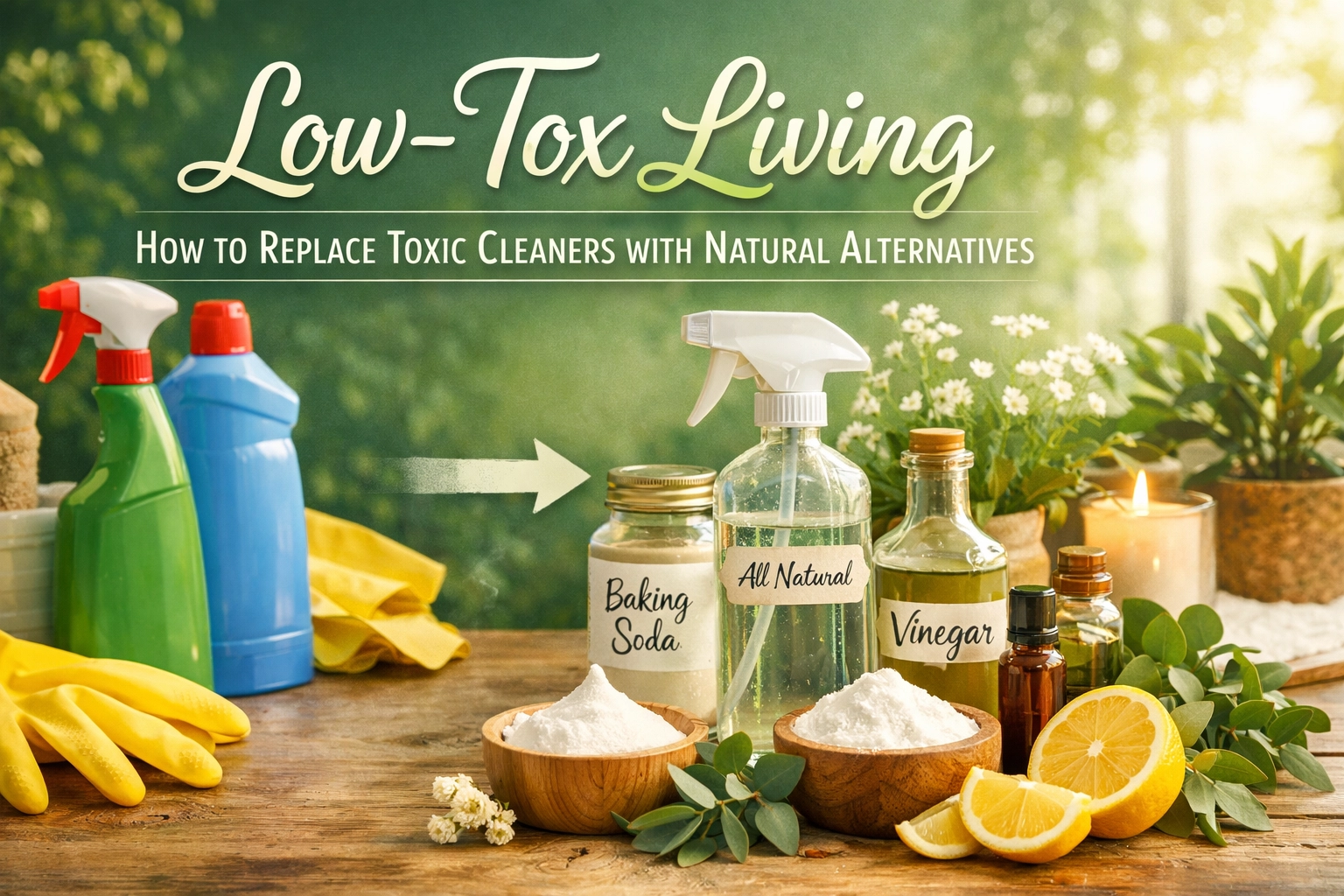
Most people spend 90% of their lives indoors. In 2026, we are more aware than ever that the "clean" smell we’ve been conditioned to love: that sharp, artificial lemon or "mountain spring" scent: is actually a chemical cocktail of volatile organic compounds (VOCs). According to the EPA, indoor air quality can be two to five times more polluted than outdoor air, and a significant portion of that pollution comes directly from the bottles under your kitchen sink.
Transitioning to a low-tox lifestyle isn't just about being "eco-friendly"; it’s about reducing your body burden. This is the cumulative load of chemicals your system has to process daily. When you swap out heavy-duty surfactants and synthetic fragrances for natural alternatives, you are directly supporting your endocrine system, your respiratory health, and your skin’s microbiome.
The Science of "Toxic" Cleaning: What’s Actually in the Bottle?
To understand why we need to switch, we have to look at the ingredients list of standard commercial cleaners. Most people don't realize that cleaning product manufacturers aren't legally required to list all their ingredients in many jurisdictions.
- Phthalates: Often hidden under the word "fragrance," these are known endocrine disruptors. They can interfere with hormone signaling and have been linked to reduced fertility.
- Quaternary Ammonium Compounds (Quats): Found in many disinfectant wipes and sprays. These are potent skin irritants and have been implicated in respiratory issues like asthma.
- 2-Butoxyethanol: Commonly found in window cleaners. This belongs to the category of "glycol ethers" and can cause sore throats and, at high levels, contribute to liver and kidney damage.
- Ammonia and Chlorine Bleach: While effective at killing germs, the fumes are highly irritating to the lungs and eyes. More importantly, if accidentally mixed, they create toxic chloramine gas.

Your Low-Tox Toolkit: The Core Five
You don't need a 20-aisle cleaning section to keep a house sterile. In fact, most professional low-tox practitioners rely on five basic ingredients that you likely already have in your pantry.
| Ingredient | Primary Function | Best Used For |
|---|---|---|
| White Vinegar | Acidic cleaner / Descaler | Glass, mirrors, hard water stains, fabric softener. |
| Baking Soda | Mild abrasive / Deodorizer | Scrubbing sinks, carpet refreshing, burnt pans. |
| Hydrogen Peroxide | Oxidizing disinfectant | Sanitizing cutting boards, whitening grout, killing mold. |
| Castile Soap | Surfactant (Lift & remove) | All-purpose floor cleaning, hand soap, dish soap. |
| Sal Suds / Citric Acid | Heavy-duty cleaning | Toilet bowls, dishwasher rinse aid, tough grease. |
The Ultimate Room-by-Room Transition Guide
1. The Kitchen: Degreasing Without the Fumes
The kitchen is where we handle food, making it the most critical area for a low-tox swap.
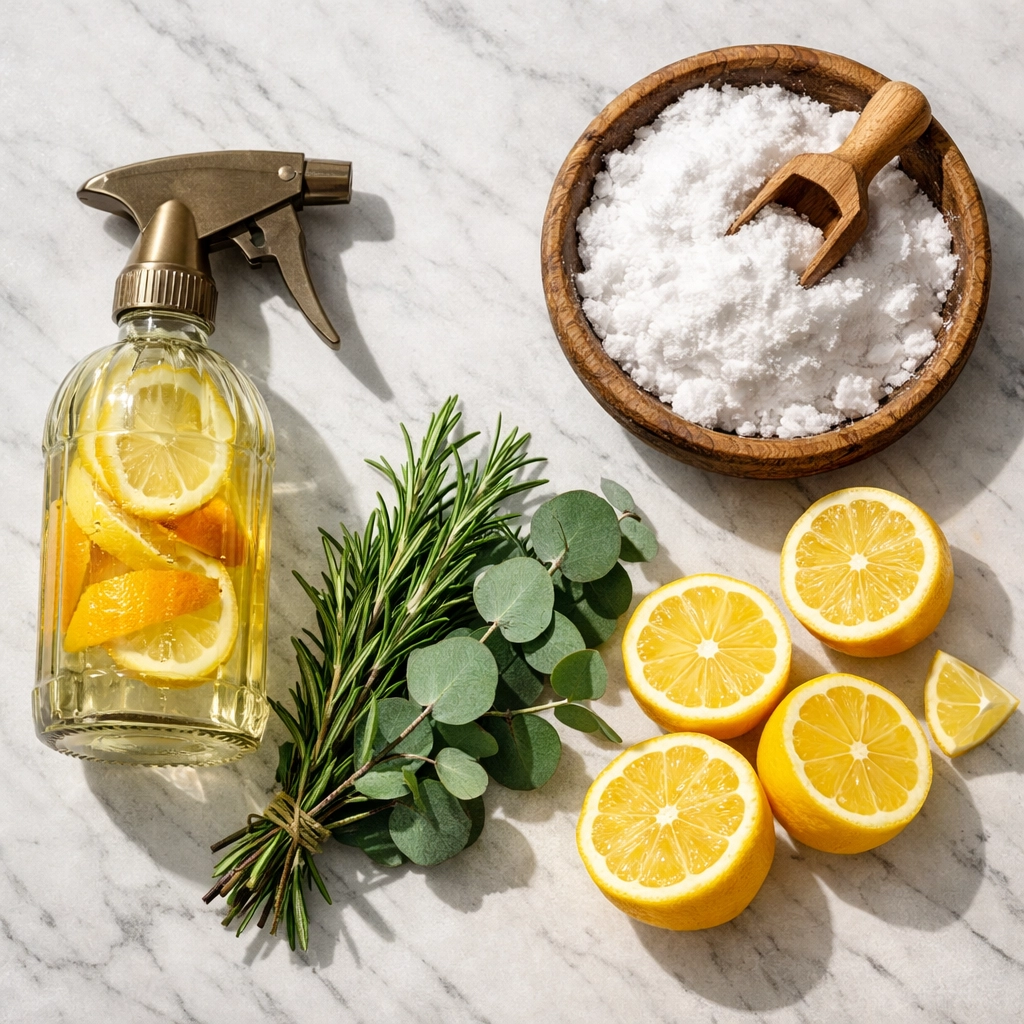
- All-Purpose Spray: Mix 1 part white vinegar with 1 part water. Add 10 drops of lemon or tea tree essential oil for antimicrobial properties. (Note: Do not use vinegar on granite or marble, as the acid can etch the stone).
- The Degreaser: For stovetops, create a paste of baking soda and a few drops of liquid Castile soap. Apply, let sit for 15 minutes, and scrub with a damp sponge.
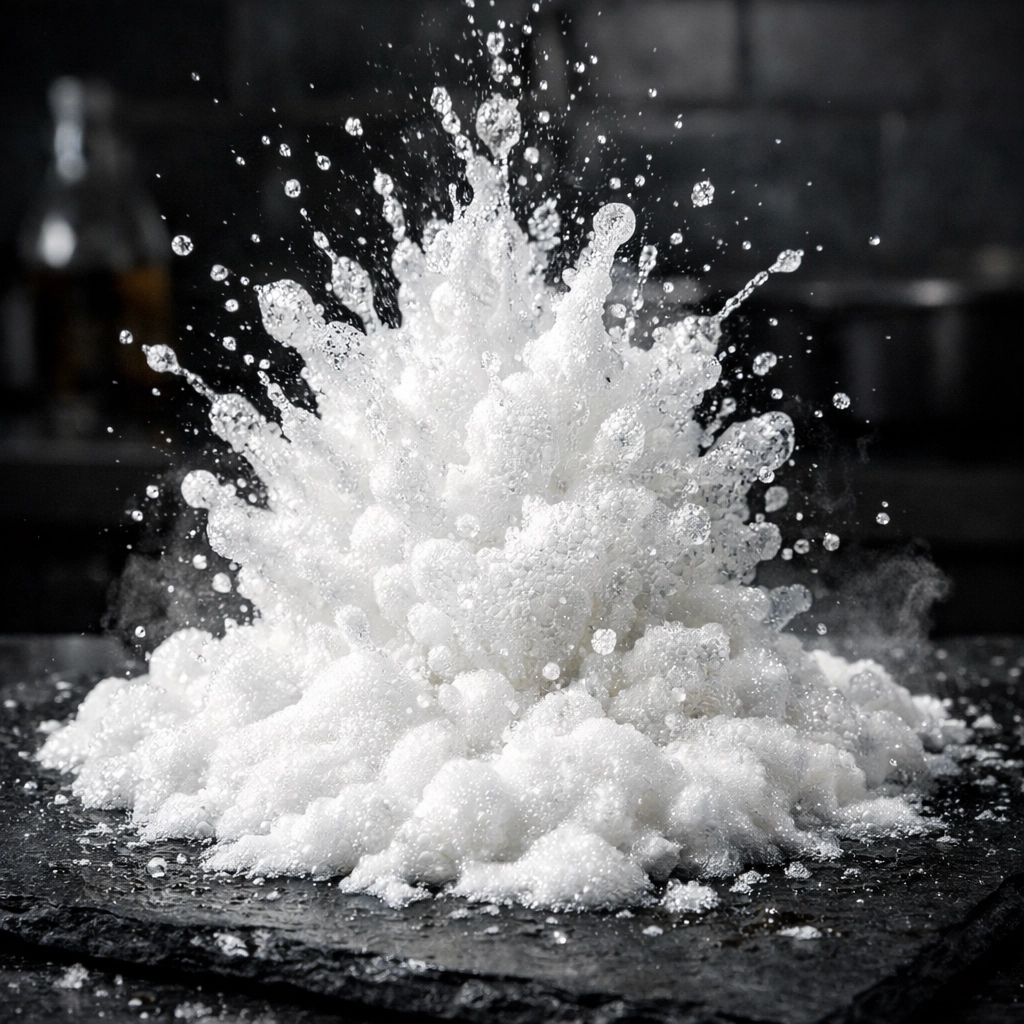
- Drain Maintenance: Instead of caustic lye-based cleaners, pour ½ cup of baking soda down the drain, followed by ½ cup of vinegar. Let it fizz for 10 minutes (this mechanical action breaks up minor clogs) and flush with a kettle of boiling water.
2. The Bathroom: Tackling Mold and Grime
Bathrooms require disinfection, but you don't need bleach to achieve a sterile environment.
- Toilet Bowl Cleaner: Sprinkle baking soda liberally inside the bowl. Spray with undiluted white vinegar. Let it sit for 10 minutes before scrubbing. For tough stains, use a pumice stone.
- Glass and Mirrors: Use a mix of 70% water, 25% vinegar, and 5% rubbing alcohol (isopropyl). Use a microfiber cloth or even a crumpled-up coffee filter for a streak-free finish.
- Mold and Mildew: Straight 3% hydrogen peroxide in a spray bottle is more effective at killing mold spores than bleach, which often just "whitens" the mold without killing the roots. Spray, let sit for 30 minutes, and scrub.
3. The Laundry Room: Softening Without the Film
Traditional fabric softeners work by coating your clothes in a thin layer of petroleum-based wax and synthetic fragrance. This reduces the absorbency of towels and can irritate sensitive skin.
- The Softener Swap: Add ½ cup of white vinegar to the fabric softener compartment. The acidity neutralizes any leftover alkaline soap residues, leaving clothes soft and scent-free.
- Brightening Whites: Add ½ cup of 3% hydrogen peroxide or a tablespoon of sodium percarbonate (oxygen bleach) to the drum before starting the cycle.
- Scent: If you miss the "clean" smell, add a few drops of lavender or eucalyptus essential oil to wool dryer balls.
Avoiding the "Greenwashing" Trap in 2026
As "natural" living has become a multi-billion dollar industry, many companies use misleading marketing. A bottle might have a leaf on it or say "Bio-based," but still contain synthetic fragrances and harsh sulfates.
How to spot a fake natural product:
- "Fragrance/Parfum": If you see this on the label without a breakdown of what the fragrance is made of, put it back.
- Bright Colors: Natural cleaners are usually clear or cloudy. Neon blues and greens are a sign of synthetic dyes.
- Missing Ingredients: If the label only lists "active ingredients," they are hiding the rest.

Advanced Bio-Hacking for Your Home: Air and Water
Once you’ve swapped the liquids in the bottles, the next level of low-tox living involves the environment itself.
- HEPA Filtration: Even with natural cleaners, dust accumulates toxins (including flame retardants from furniture). Use a vacuum with a sealed HEPA filter to ensure you aren't just blowing those particles back into the air.
- Activated Charcoal: Use bamboo charcoal bags in closets and shoes to absorb odors instead of using aerosol sprays.
- Indoor Plants: While the "NASA study" on plants cleaning air is often overstated, species like Snake Plants and Peace Lilies do help regulate humidity and can absorb trace amounts of formaldehyde.
Common Pitfalls: What NOT to Mix
Natural doesn't mean "weak." Chemistry still applies, and some combinations can be dangerous:
- Vinegar + Bleach: Creates toxic chlorine gas.
- Vinegar + Hydrogen Peroxide: Creates peracetic acid. While used in industrial settings, it is highly corrosive and irritating to the lungs in a home environment.
- Castile Soap + Vinegar: They don't create a toxic gas, but they cancel each other out. The acid in the vinegar "unsaponifies" the soap, turning it back into an oily sludge. Always use them in separate steps (e.g., wash with soap, rinse with vinegar).
Summary: The 30-Day Transition Plan
You don't have to throw everything away today.
- Week 1: Replace your all-purpose spray and window cleaner with vinegar-based solutions.
- Week 2: Swap your laundry detergent for a fragrance-free, plant-based version and ditch the dryer sheets.
- Week 3: Tackle the bathroom. Switch to hydrogen peroxide for disinfecting.
- Week 4: Focus on air quality. Stop using scented candles or "plug-in" air fresheners and open your windows for 15 minutes a day.
By the end of the month, your home will not only be just as clean as it was before, but the air you breathe will be significantly safer for your long-term healthspan.
Author Bio: Malibongwe Gcwabaza
CEO of blog and youtube
Malibongwe Gcwabaza is a wellness strategist and the visionary CEO behind "blog and youtube," a leading digital platform dedicated to the intersection of longevity, bio-hacking, and functional fitness. With over a decade of experience in the health and wellness sector, Malibongwe focuses on "Life Optimization": the science of making small, data-driven changes to daily environments to maximize human performance and healthspan. He is a firm believer that the foundation of high performance starts in a toxin-free home. When he isn't researching the latest in environmental health, you can find him practicing Zone 2 training or experimenting with regenerative gardening.
About the Author