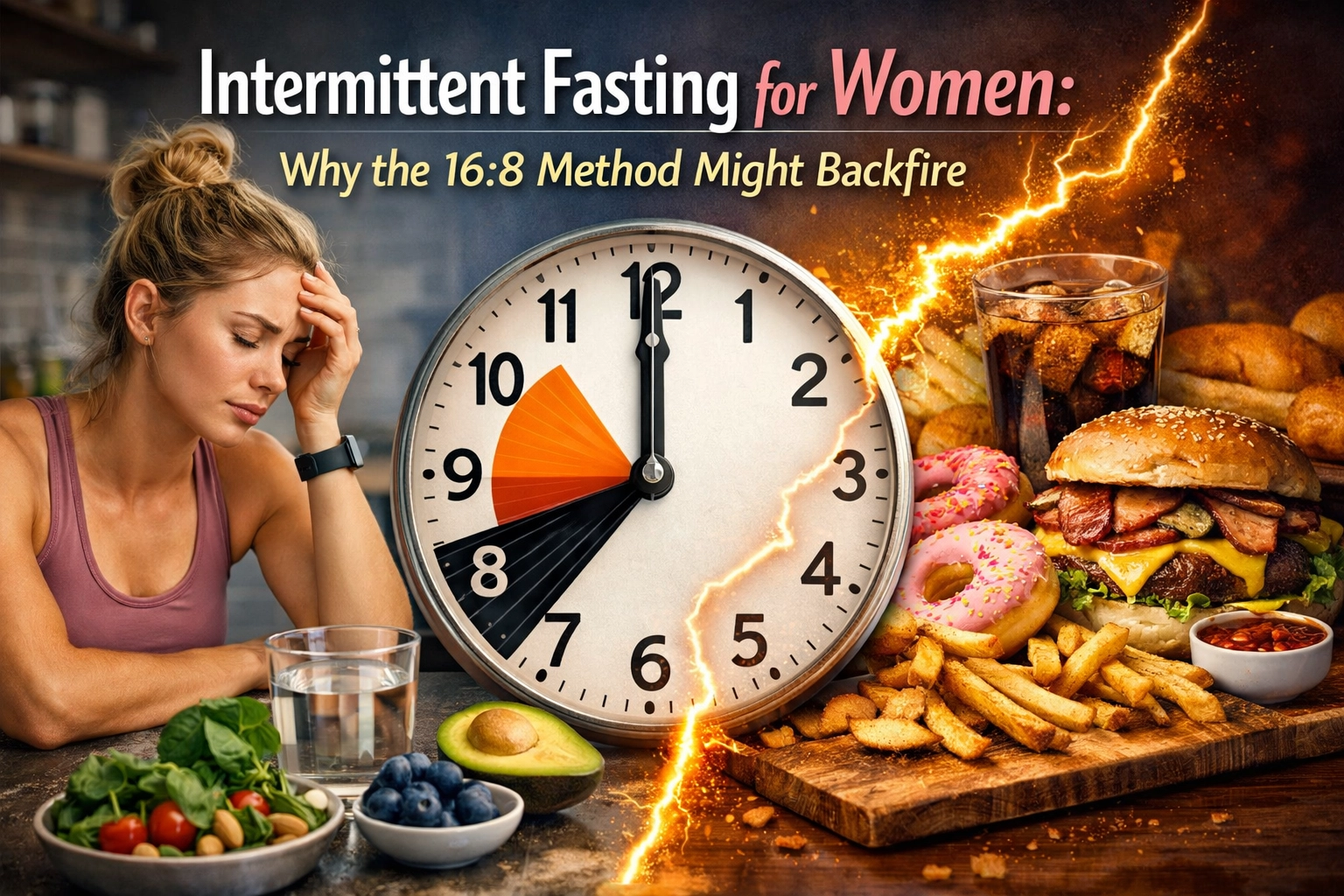
Intermittent fasting (IF) has dominated the health and wellness landscape for nearly a decade, but as we move through 2026, the scientific community is finally addressing a critical oversight: most original fasting data was based on male physiology. For men, the 16:8 method: fasting for 16 hours and eating during an 8-hour window: is often a straightforward metabolic win. For women, however, the story is far more complex.
The female body is evolutionary hardwired to be significantly more sensitive to nutrient scarcity than the male body. While a man’s system might interpret a 16-hour fast as a minor metabolic challenge, a woman’s "starvation sensors" are often triggered much earlier, leading to a cascade of hormonal shifts that can derail fat loss, disrupt sleep, and even halt the menstrual cycle.
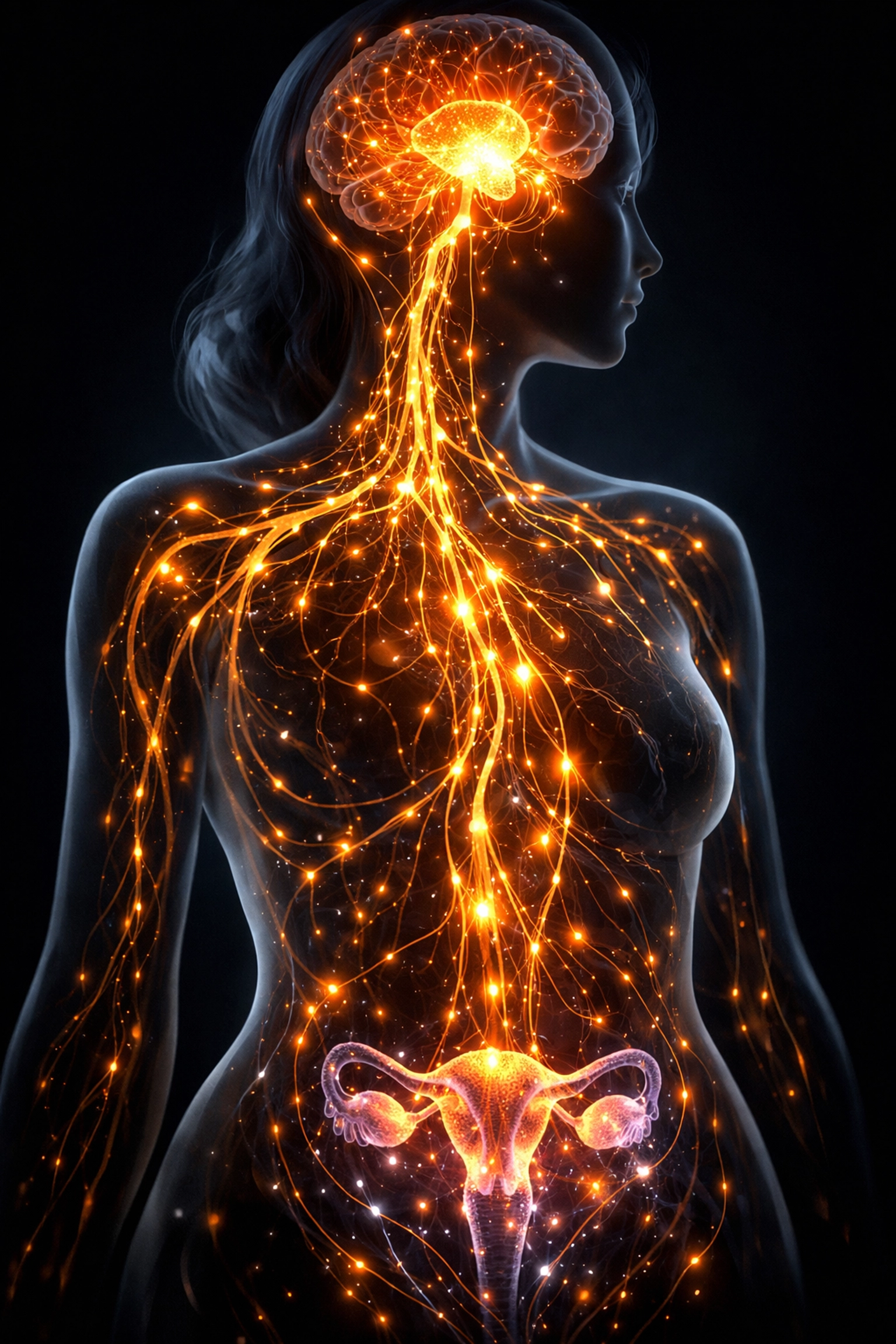
The Science of Sensitivity: Kisspeptin and the HPO Axis
At the center of the "fasting backfire" is a protein called kisspeptin. This molecule is essential for triggering the release of Gonadotropin-Releasing Hormone (GnRH), which tells your body to produce Estrogen and Progesterone.
Women have much higher levels of kisspeptin than men. While this makes the female body incredibly efficient at sensing energy availability, it also means that even a perceived period of "famine": like a rigorous 16:8 fasting schedule: can cause kisspeptin production to plummet. When kisspeptin drops, GnRH pulses become irregular, potentially leading to:
- Luteal Phase Defects: Shortened cycles that make conception difficult.
- Amenorrhea: The complete loss of a period.
- Estrogen Dominance or Deficiency: Resulting in mood swings, hair loss, and "brain fog."
Why 16:8 Often Fails Premenopausal Women
The standard 16:8 protocol usually involves skipping breakfast and eating from 12:00 PM to 8:00 PM. While this fits modern work schedules, it creates a "biological mismatch" for the female endocrine system.
1. The Cortisol Spike
Fasting is a hormetic stressor. In small doses, stress is good (hormesis). However, for many women already juggling high-stress careers or intense workouts, adding a 16-hour fast pushes the body into "survival mode." This elevates cortisol, the primary stress hormone. High cortisol triggers gluconeogenesis: where the body actually breaks down muscle to create sugar: and encourages the storage of visceral fat around the midsection. This is why many women find they actually gain belly fat on 16:8 despite eating fewer calories.
2. Thyroid Slowdown
The thyroid gland is the master of metabolism. It requires a steady supply of glucose and insulin to convert T4 (inactive hormone) into T3 (active hormone). Chronic fasting can signal to the thyroid that energy is scarce, causing it to downregulate your Basal Metabolic Rate (BMR). If you find yourself feeling cold, lethargic, or noticing thinning eyebrows while fasting, your 16:8 window might be too aggressive.
3. Nutrient Density Gaps
Fitting 100+ grams of protein and essential micronutrients into an 8-hour window is difficult. Many women inadvertently under-eat, leading to "relative energy deficiency in sport" (RED-S), even if they aren't professional athletes.
Data Comparison: Male vs. Female Physiological Response to 16:8
| Metric | Typical Male Response | Typical Female Response (Premenopausal) |
|---|---|---|
| Insulin Sensitivity | Significant Improvement | Moderate Improvement / Possible Decline |
| Cortisol Levels | Stable or Slightly Elevated | Often Significantly Elevated |
| Thyroid (T3) | Generally Stable | Potential Downregulation |
| Reproductive Hormones | Minimal Impact | Potential for LH/FSH Irregularity |
| Muscle Preservation | High (with protein) | Variable (risk of catabolism) |
Circadian-Aligned Fasting: A Better Way Forward in 2026
If the traditional 16:8 "skip breakfast" model is failing, what is the alternative? The answer lies in Early Time-Restricted Feeding (eTRF).
Newer research suggests that the female body handles insulin and glucose much better in the morning. Instead of fasting until noon, "front-loading" your calories to align with the sun: eating from 8:00 AM to 4:00 PM: yields significantly better results.
A 2025 study highlighted that premenopausal women with PCOS who utilized an eTRF window (finishing dinner by 4 PM) saw a 73% improvement in menstrual regularity compared to those who ate late into the evening. By eating earlier, you align with your body’s natural circadian rhythm, which lowers systemic inflammation and improves deep sleep quality.

10 Red Flags: When to Stop 16:8 Immediately
If you are currently practicing intermittent fasting, monitor your body for these "backfire" signals:
- Irregular Cycles: Your period arrives late, early, or disappears entirely.
- Sleep Disruption: You have trouble falling asleep or wake up at 3:00 AM with a racing heart (a classic cortisol spike).
- Hair Shedding: Noticing more hair in the shower drain than usual.
- Digestive Issues: Bloating or constipation that wasn't there before.
- Anxiety/Irritability: Feeling "wired but tired" throughout the day.
- Slow Recovery: Muscle soreness that lasts for days after a moderate workout.
- Cold Intolerance: Feeling chilled even in warm rooms.
- Constant Hunger: Obsessing over your next meal during the fasting window.
- Skin Breakouts: New adult acne around the jawline (hormonal).
- Weight Stall: No changes in body composition after 4-6 weeks of consistency.
The "Crescendo" Method: A Safer Protocol for Women
For women who want the autophagy and longevity benefits of fasting without the hormonal fallout, the Crescendo Method is the gold standard for 2026.
Instead of fasting every day, you fast 2–3 non-consecutive days per week (e.g., Tuesday, Thursday, and Saturday). On these days, you aim for a 12–14 hour window rather than 16. This provides the "metabolic nudge" without convincing your brain that you are in a famine.
How to Implement Crescendo Fasting:
- Step 1: Choose 3 days a week.
- Step 2: Fast for 12 hours (e.g., 7 PM to 7 AM).
- Step 3: Focus on high-protein refeeds (at least 30g of protein in your first meal).
- Step 4: Avoid fasting on high-intensity training days (HIIT or heavy lifting).
The Postmenopausal Exception
It is important to note that the "backfire" risks drop significantly after menopause. Once a woman is no longer in her reproductive years, her kisspeptin levels and HPO axis are less sensitive to caloric fluctuations. Postmenopausal women often thrive on 16:8 or even 18:6 protocols, seeing improved insulin sensitivity and cognitive clarity without the risk of cycle disruption. For this demographic, IF can be a powerful tool to combat the metabolic slowing often associated with the loss of estrogen.
Unique Perspective: The Role of CGMs in 2026
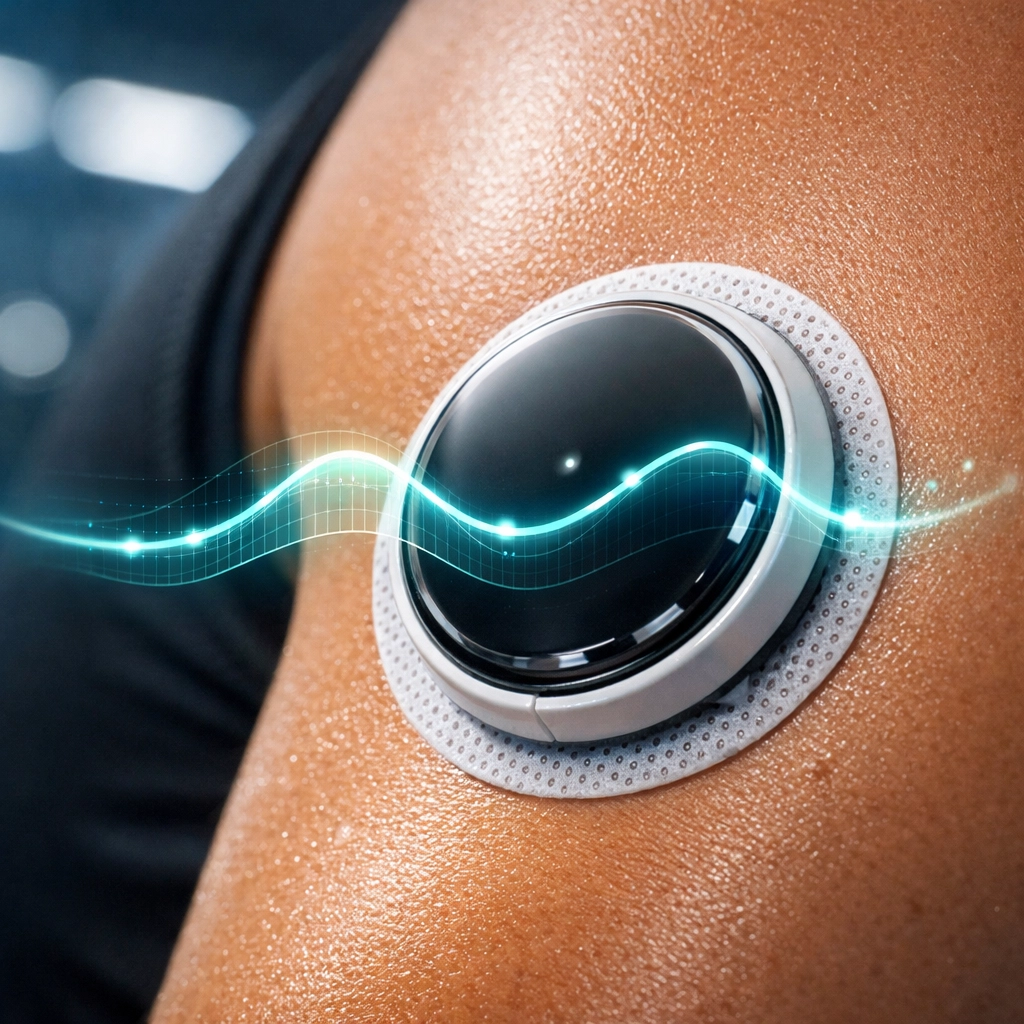
In 2026, the use of Continuous Glucose Monitors (CGMs) for non-diabetics has become a game-changer for women’s fasting. By tracking real-time data, many women are discovering that their blood sugar actually rises during the final hours of a 16-hour fast. This is a clear indicator of a stress response where the liver dumps glucose to fuel a "perceived" emergency. If your CGM shows a spike during your fast, it’s an objective sign that 16:8 is backfiring on your metabolism.
Final Thoughts: Personalization Over Protocols
Intermittent fasting is a tool, not a religion. The 16:8 method is simply one configuration of that tool. For women, the goal should always be Metabolic Flexibility: the ability to switch between burning carbs and burning fat: without triggering a survival response.
If you are struggling with the 16:8 method, don't blame your willpower. Blame the protocol's lack of biological nuance. Shift your window earlier, shorten the duration, or try the Crescendo approach. Your hormones will thank you.
About the Author: Malibongwe Gcwabaza
CEO of blog and youtube
Malibongwe Gcwabaza is a seasoned health strategist and the visionary CEO of "blog and youtube." With over a decade of experience in the wellness industry, Malibongwe specializes in translating complex physiological data into actionable lifestyle interventions. He is a staunch advocate for personalized medicine and bio-individuality, focusing on how emerging tech: from AI-driven diagnostics to wearable sensors: can help individuals optimize their healthspan. Under his leadership, "blog and youtube" has become a leading voice in evidence-based fitness and longevity content.
About the Author