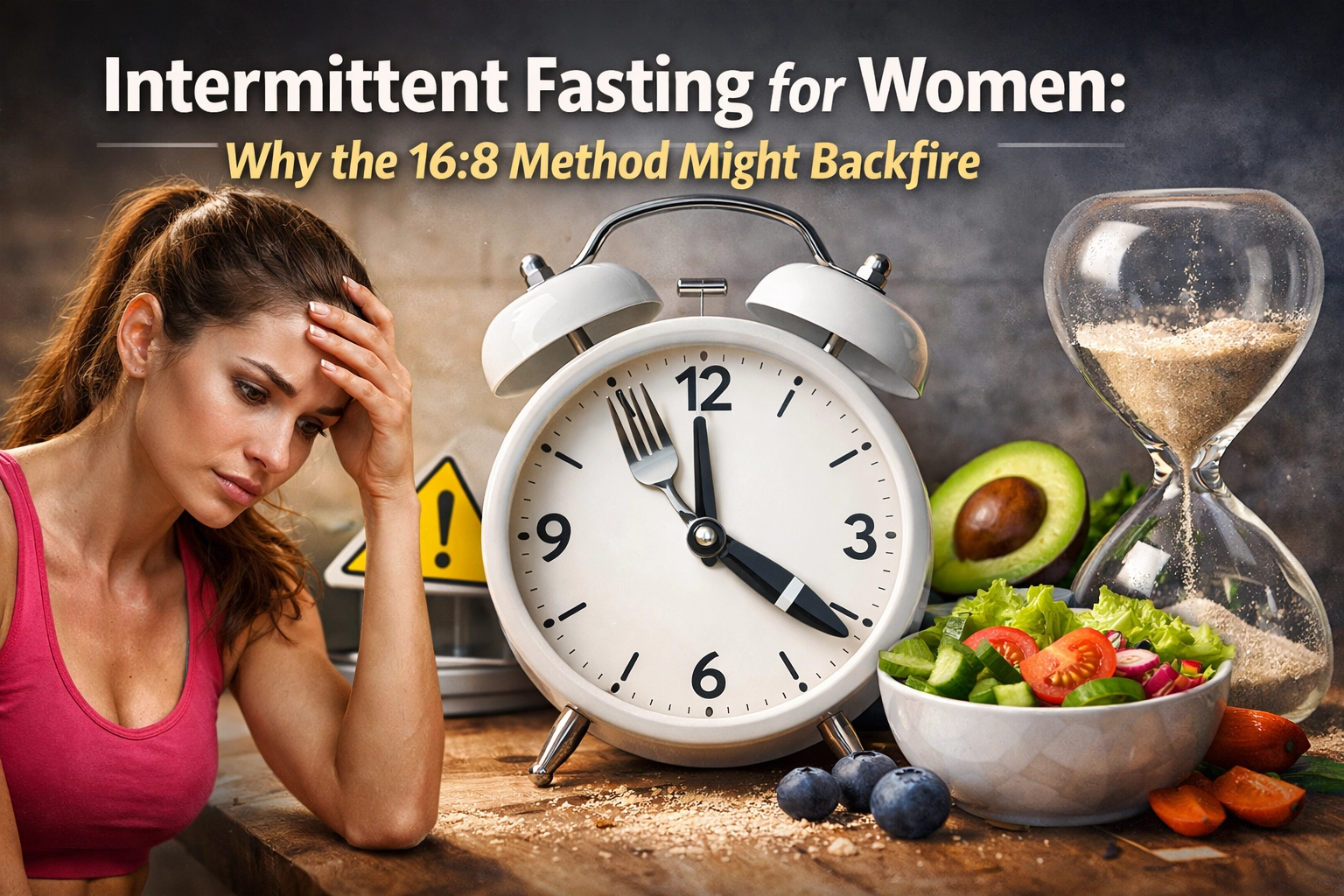
For years, the "16:8" intermittent fasting protocol: fasting for 16 hours and eating during an 8-hour window: has been hailed as the holy grail of weight loss and longevity. On paper, it’s simple, effective, and free. However, as we move into 2026, a growing body of clinical evidence suggests that what works for the "average" subject (who, in most medical studies, is historically male) can be actively detrimental to the female endocrine system.
While men often thrive on long fasting windows, many women find that strict 16:8 protocols lead to hair loss, disrupted sleep, and irregular menstrual cycles. This isn't a lack of willpower; it’s a biological safeguard. For women, the body’s "starvation alarm" is much more sensitive, and the 16:8 method might be the very thing pushing your hormones off a cliff.
The Kisspeptin Connection: Why Women Are Different
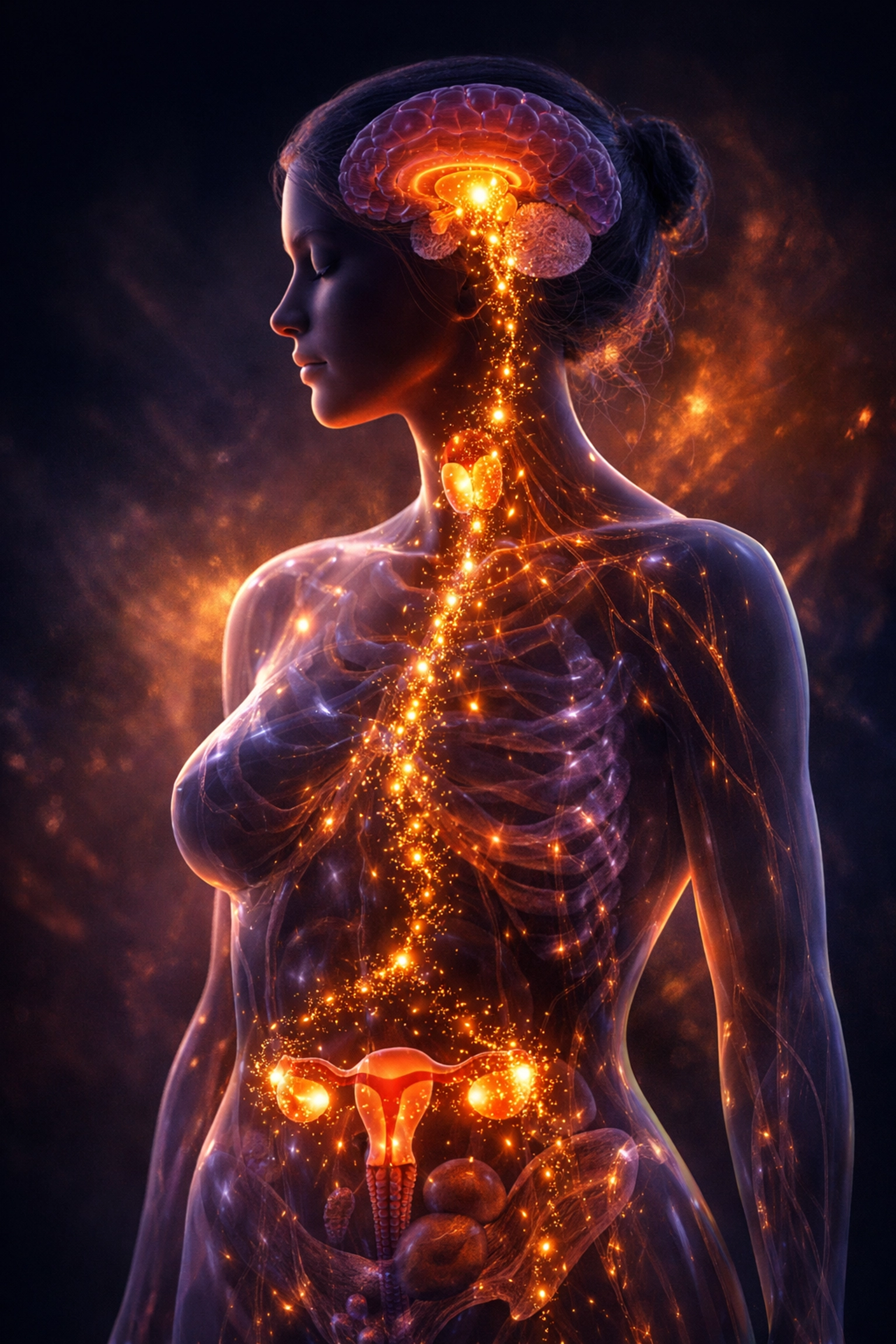
To understand why fasting backfires, we have to look at a tiny protein in the brain called kisspeptin. Kisspeptin is responsible for stimulating the release of Gonadotropin-Releasing Hormone (GnRH), which tells your ovaries to produce estrogen and progesterone.
Research shows that women have significantly higher levels of kisspeptin than men. While this makes the female body incredibly resilient and capable of complex reproductive feats, it also means the female brain is hyper-aware of energy availability. When you fast for 16 hours, your kisspeptin levels can drop. When kisspeptin drops, GnRH pulses slow down. The result? Your body decides that now is "not a safe time" to be fertile, and it begins to shut down non-essential hormonal processes.
The Cortisol Trap: When Fasting Becomes a Chronic Stressor
Intermittent fasting is a form of hormetic stress. In small doses, this stress is good; it triggers cellular repair (autophagy) and improves insulin sensitivity. However, women’s bodies are more prone to "stress stacking."
If you are already dealing with a high-pressure job, intense HIIT workouts, and insufficient sleep, adding a 16-hour fast acts as the final straw for your adrenal glands. This keeps cortisol: your primary stress hormone: elevated for too long. High cortisol has a "hijacking" effect on the body:
- It blocks progesterone receptors: Leading to estrogen dominance and PMS.
- It promotes visceral fat: Especially around the midsection (the "stress belly").
- It slows thyroid conversion: Converting less T4 to the active T3 hormone, which tanks your metabolism.
Comparison: How Men vs. Women Respond to 16:8 Fasting
| Feature | Typical Male Response | Typical Female Response |
|---|---|---|
| Metabolic Rate | Often increases or remains stable. | Can decrease if "starvation mode" is triggered. |
| Stress Response | High tolerance for long fasts. | Sensitive to cortisol spikes; may trigger anxiety. |
| Muscle Retention | High, especially with protein signaling. | Risk of muscle wasting if amino acids are scarce. |
| Hormonal Health | Testosterone may slightly dip but recovers. | Estrogen/Progesterone balance can be severely disrupted. |
| Fat Loss | Consistent, especially in the abdominal area. | May stall due to thyroid down-regulation. |
The "Backfire" Symptoms: Red Flags You Shouldn't Ignore
If you’ve been pushing through a 16:8 schedule and noticed any of the following, your body is likely struggling with the protocol:
- Changes in Cycle Length: Your period becomes shorter, longer, or disappears entirely (amenorrhea).
- Insomnia: You can’t fall asleep or you wake up at 3:00 AM with a racing heart (a sign of a nocturnal cortisol spike).
- Thinning Hair: A common sign that your thyroid or iron levels are struggling under the stress of fasting.
- Irritability and "Hangry" Episodes: Severe mood swings during the fasting window indicate that your blood sugar is crashing and your adrenals are overcompensating.
- Digestive Bloating: Ironically, fasting can slow down gut motility in some women, leading to more bloating when they finally eat.

Cycle-Syncing Your Fasting: A Better Way
The biggest mistake women make with fasting is trying to maintain the same 16:8 window every single day of the month. Your nutritional needs change drastically depending on where you are in your menstrual cycle.
Phase 1: The Follicular Phase (Day 1-10)
During this time, estrogen is rising, and your body is generally more resilient to stress. You can likely handle 14-16 hour fasts comfortably. Your insulin sensitivity is at its peak here.
Phase 2: The Ovulatory Phase (Day 11-15)
As estrogen peaks, some women feel great fasting, but others may feel increased anxiety. It is often best to dial back to a 13-hour window to support the massive hormonal shift occurring.
Phase 3: The Luteal Phase (Day 16-Period)
This is the danger zone for 16:8 fasting. During the week leading up to your period, your body requires more calories and more slow-burning carbohydrates to produce progesterone. Fasting too hard during this phase is the #1 cause of "fasting backfire." Progesterone is a "shy" hormone; if cortisol is high, progesterone will stay low.
Recommendation: Stick to a 12-hour "circadian fast" (e.g., 7 PM to 7 AM) during your luteal phase to keep your hormones happy.
2026 Strategy: From 16:8 to "Precision Fasting"
Instead of following a rigid 16:8 clock, the most successful women in the longevity space are moving toward Crescendo Fasting and Circadian Alignment.
- Crescendo Fasting: Instead of fasting every day, you fast 2 or 3 non-consecutive days a week (e.g., Monday, Wednesday, Friday). This provides the benefits of autophagy without triggering the brain's "famine" alarm.
- The 14:10 "Sweet Spot": For many women, 14 hours is the metabolic "Goldilocks" zone. It’s long enough to lower insulin levels but short enough to avoid a massive cortisol surge.
- Early Time-Restricted Feeding (eTRF): Instead of skipping breakfast (the common 16:8 way), try skipping dinner. Science shows that women have much better glycemic control in the morning. Ending your eating window at 5:00 PM or 6:00 PM is often much more effective for fat loss than skipping the meal that sets your circadian rhythm.
Summary Checklist for Women Considering Fasting
- Start Slow: Begin with a 12:12 window (12 hours of eating, 12 hours of fasting) and stay there for two weeks.
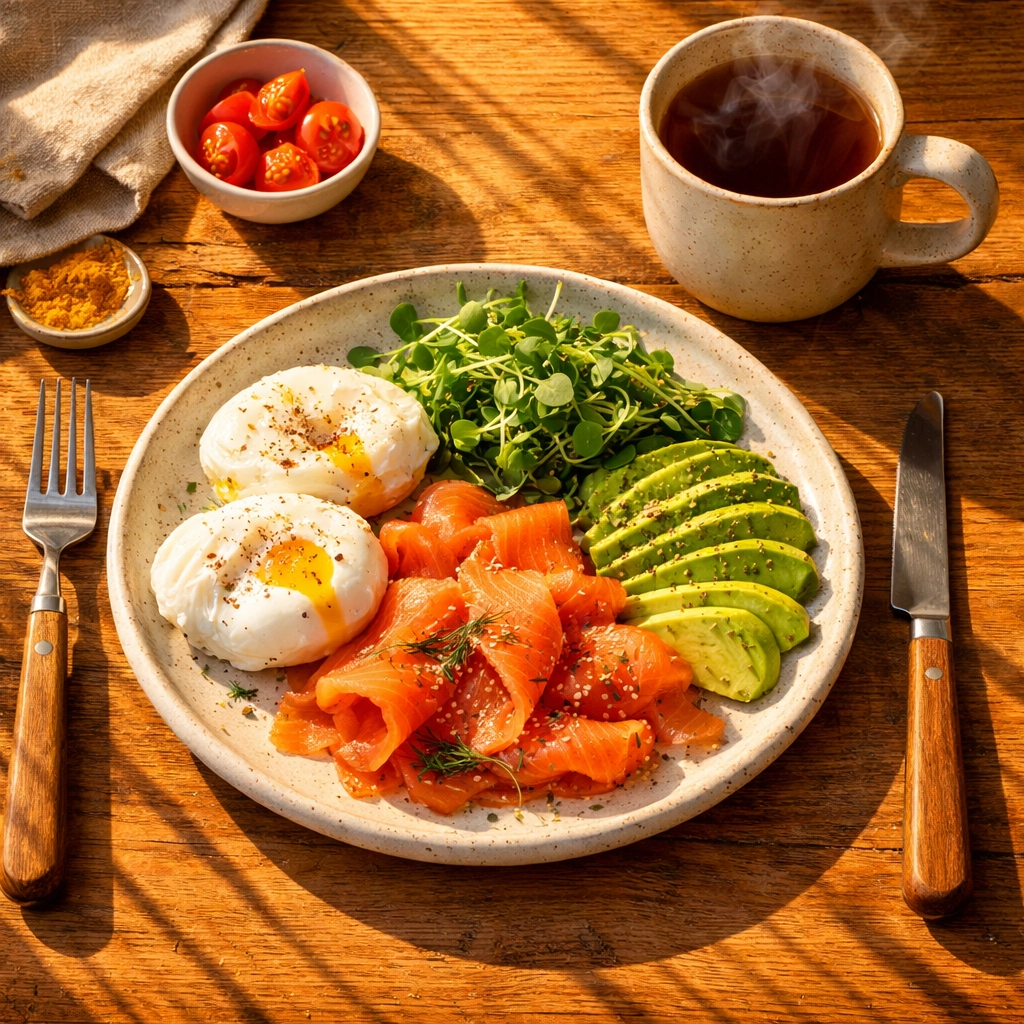
- Prioritize Protein: When you break your fast, aim for 30-40g of high-quality protein to signal to your brain that "food is plenty."
- Don't Fast on High-Intensity Days: If you're doing a heavy lifting session or a long run, give your body the fuel it needs before or immediately after.
- Listen to the "Bio-Feedback": If your sleep or period changes, stop fasting immediately. Your biology is smarter than an app's timer.
About the Author: Malibongwe Gcwabaza
Malibongwe Gcwabaza is the CEO of blog and youtube, a leading digital hub dedicated to dissecting the future of health, wellness, and longevity. With a background in data-driven wellness strategies, Malibongwe focuses on translating complex physiological research into actionable lifestyle protocols for the modern professional. Having overseen the publication of hundreds of deep-dive wellness guides, Malibongwe is committed to debunking "one-size-fits-all" fitness myths and helping readers build a "longevity currency" that lasts a lifetime.
About the Author