Most people think of the circadian rhythm as a simple "sleep-wake cycle." In reality, it is the fundamental operating system of human biology. Every organ, every tissue, and every individual cell in your body houses a molecular clock that dictates when to perform specific tasks.
By 2026, the science of chronobiology has moved beyond "get eight hours of sleep." We now know that circadian misalignment is a primary driver of systemic inflammation, metabolic dysfunction, and accelerated aging. To achieve deep cellular repair, processes like DNA synthesis and autophagy, your internal clocks must be perfectly synchronized with the external world.
This guide explores the technical mechanisms of circadian biology and provides a data-driven protocol to optimize your rhythm for longevity and performance.
The Architecture of Your Internal Clocks
The human circadian system is a hierarchical network. At the top is the Suprachiasmatic Nucleus (SCN), a tiny region in the hypothalamus containing about 20,000 neurons. The SCN acts as the "Master Clock," receiving direct light signals from the eyes to synchronize the rest of the body.
However, we also have peripheral clocks. Your liver, gut, muscles, and even your skin have independent clock genes (CLOCK, BMAL1, PER, and CRY). While the SCN is primarily set by light, peripheral clocks are heavily influenced by "zeitgebers" (time-givers) like food intake, temperature, and physical activity.
The Impact of Circadian Desynchrony
When your SCN thinks it’s noon (due to bright light) but your liver thinks it’s midnight (because you haven't eaten), you experience "circadian desynchrony." This state halts cellular repair. Research shows that chronic desynchrony can lead to:
- Insulin Resistance: A 40% drop in insulin sensitivity after just three nights of misalignment.
- Reduced Autophagy: The body’s "self-cleaning" process only peaks during specific low-insulin, high-melatonin windows.
- Cognitive Decline: Impaired glymphatic drainage (the brain's waste removal system).
Phase 1: Light Hygiene (The Master Reset)
Light is the most potent signal for the SCN. To optimize cellular repair, you must manage both the intensity (lux) and the spectrum (color) of light exposure.
1. The Morning Anchor
Within 30–60 minutes of waking, you need high-intensity light exposure. This triggers a cortisol spike that sets a timer for melatonin production 14–16 hours later.
- The Data: You need at least 10,000 lux to effectively "reset" the SCN. On a clear day, being outside provides 10,000–100,000 lux. Inside an office? Usually only 300–500 lux.
- Action: Spend 15 minutes outside without sunglasses. If it’s a cloudy morning in winter, increase the duration to 30 minutes.
2. The Evening Fade
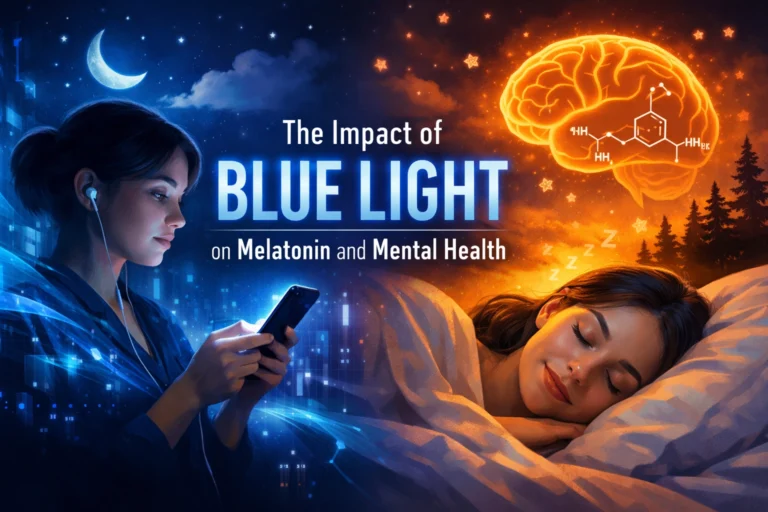
As the sun goes down, your sensitivity to blue light increases exponentially. Even a brief glimpse of a smartphone screen at 10 PM can suppress melatonin for up to two hours.
- The Tech: Use "Circadian Lighting" systems that automatically shift to amber hues after 8 PM.
- The Goal: Eliminate blue light (450–490nm wavelength) at least two hours before bed to allow the pineal gland to begin melatonin secretion.

Phase 2: Metabolic Timing (Feeding Windows)
If light controls the brain's clock, food controls the body's clocks, specifically the liver and gut. This is known as Time-Restricted Eating (TRE).
To maximize cellular repair, you must align your metabolic activity with your circadian peaks. Digestion is an energy-intensive process that produces oxidative stress. You want this to happen when your body is best equipped to handle it: during daylight hours.
The 2026 Optimized Feeding Protocol
| Time Frame | Metabolic State | Circadian Action |
|---|---|---|
| 08:00 – 10:00 | High Insulin Sensitivity | First Meal (Protein/Fat focused) |
| 12:00 – 14:00 | Peak Metabolic Rate | Largest Meal of the Day |
| 17:00 – 19:00 | Declining Glucose Tolerance | Final Meal (Light/Early) |
| 19:00 – 08:00 | Fasted State | Deep Cellular Repair & Autophagy |
Why it works: When you stop eating by 7 PM, your insulin levels drop by the time you reach deep sleep. This allows for the release of Growth Hormone (GH), which is essential for tissue repair and fat metabolism.
Phase 3: Temperature and Physical Activity
Temperature is an underrated circadian signal. Your core body temperature naturally drops in the evening to facilitate sleep and rises in the morning to promote alertness.
1. Thermal Loading
To trigger a deep sleep cycle, your core temperature needs to drop by about 2–3 degrees Fahrenheit.
- The Hack: Take a hot bath or sauna 90 minutes before bed. This causes "vasodilation," where blood moves to the surface of the skin, effectively dumping heat from the core.
- The Environment: Keep your bedroom at approximately 18°C (64°F).
2. Exercise Timing
Physical activity increases "Clock Gene" expression in skeletal muscle.
- Morning/Afternoon: Strength training and high-intensity intervals (HIIT) are best performed between 8 AM and 4 PM when grip strength and lung capacity peak.
- Evening: Avoid intense cardio after 8 PM. The resulting rise in core temperature and cortisol can delay sleep onset by hours, cutting into your window for DNA repair.
Phase 4: Measuring and Monitoring with 2026 Tech
You cannot manage what you do not measure. In 2026, we have access to granular data that tells us exactly how "aligned" we are.
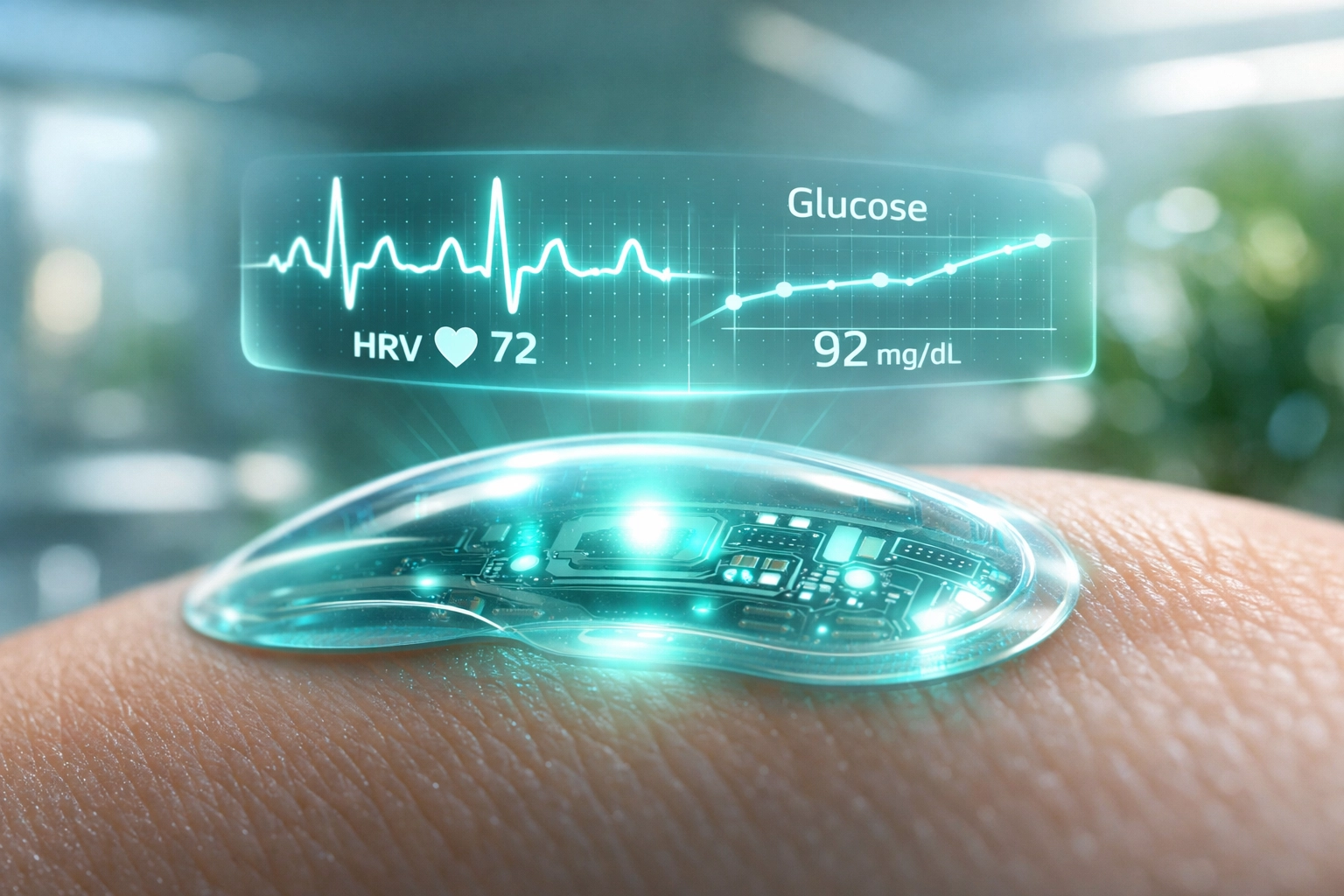
1. Heart Rate Variability (HRV)
HRV is the ultimate proxy for nervous system balance. A high HRV during sleep indicates that your body is successfully transitioning into a parasympathetic state for repair. If your HRV is low, your circadian rhythm is likely stressed.
2. Continuous Glucose Monitors (CGM)
Even non-diabetics are now using CGMs to see how their circadian rhythm affects metabolism. You will notice that the same bowl of oatmeal causes a much larger glucose spike at 9 PM than it does at 9 AM. This is "circadian insulin resistance" in action.
3. DLMO Testing
For those serious about optimization, Dim Light Melatonin Onset (DLMO) testing (via saliva) identifies exactly when your body starts producing melatonin. This allows you to pinpoint your "biological bedtime" rather than guessing.
The "Deep Repair" Checklist
To ensure your cells are repairing themselves at maximum efficiency, follow this daily hierarchy:
- View Sunlight: Get 15 mins of direct light before 9 AM.
- Delay Caffeine: Wait 90 minutes after waking to allow natural adenosine clearance.
- Eat Early: Finish all caloric intake at least 3 hours before sleep.
- Zero Blue Light: Use red-tinted glasses or "night shift" modes after sunset.
- Cool Down: Lower your core temperature before bed via a hot shower or cooling mattress pad.
- Consistency: Wake up within the same 30-minute window 7 days a week (yes, even weekends).
Conclusion: The Long-Term ROI
Optimizing your circadian rhythm isn't just about feeling less tired. It is about providing your body with the predictable environment it needs to perform maintenance. When your internal clocks are synchronized, your mitochondria produce more ATP, your DNA repair enzymes work more accurately, and your brain clears out metabolic waste.
In the quest for longevity, the "when" is often just as important as the "what." Start by mastering the light, and your cells will handle the rest.
Author Bio: Malibongwe Gcwabaza
CEO & Longevity Researcher
Malibongwe Gcwabaza is the CEO of blog and youtube, a media company dedicated to translating complex biotechnological advancements into actionable lifestyle protocols. With a background in health-tech integration, Malibongwe focuses on "The Centenarian Decathlon": helping individuals build the physical and cognitive durability needed to thrive well into their 100s. When not analyzing HRV data or testing the latest bio-monitoring wearables, he can be found practicing Zone 2 endurance training in the hills of South Africa.
About the Author