In 2026, the primary threat to our longevity isn’t just physical pathogens; it’s the invisible, chronic erosion of our nervous systems. We live in an era of "hyper-stimulation": a constant barrage of digital pings, economic volatility, and the "always-on" culture. While our ancestors dealt with acute stressors (like a predator), modern humans deal with low-grade, unrelenting stress that keeps the Sympathetic Nervous System (SNS) in a state of perpetual high alert.
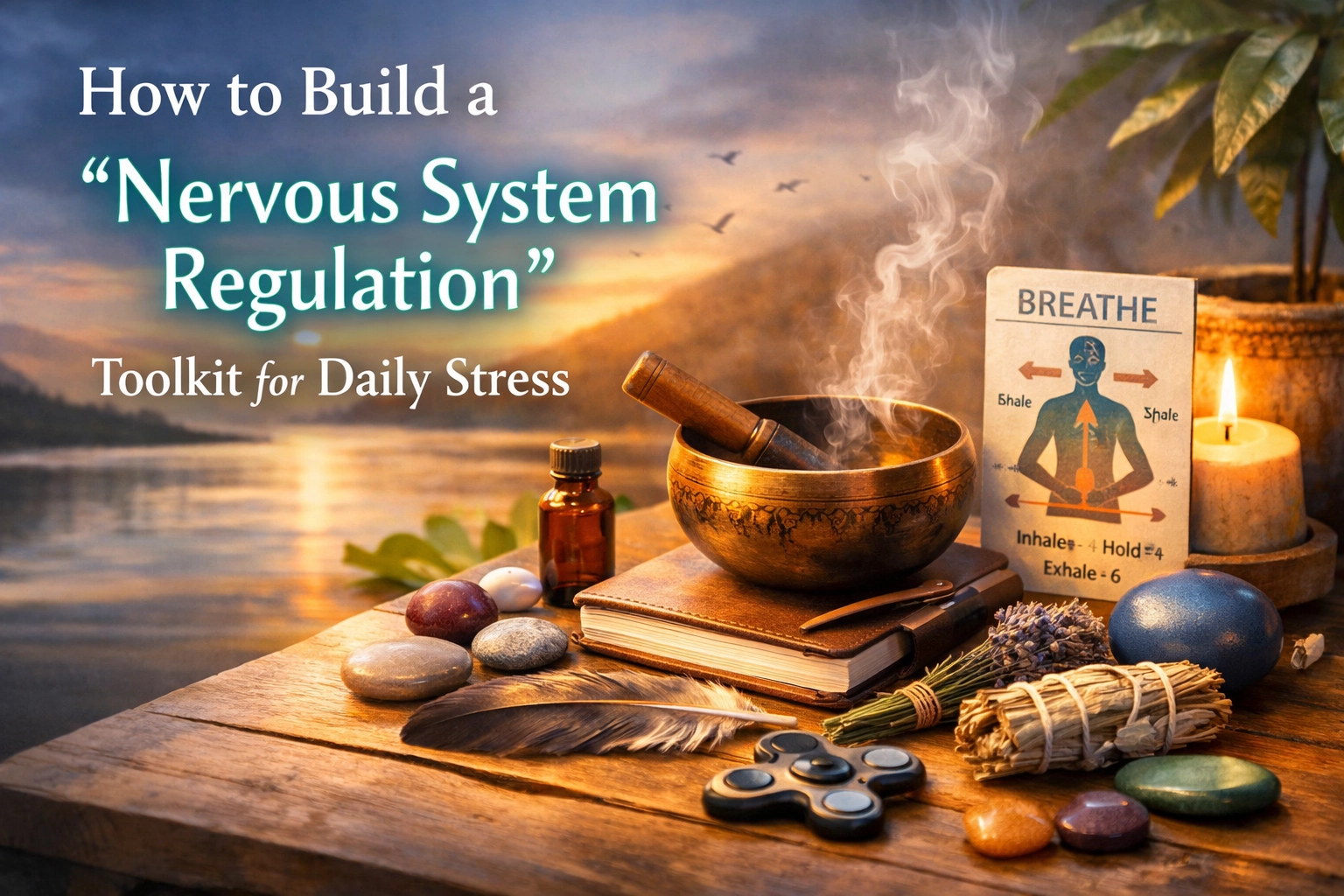
To survive and thrive today, you don't just need a "stress management" plan. You need a Nervous System Regulation Toolkit. This guide moves beyond the "just take a bath" advice. We are diving deep into the physiological mechanisms of the Autonomic Nervous System (ANS), the Polyvagal Theory, and the specific "bottom-up" and "top-down" interventions you can use to reclaim your biological calm.
Understanding the Operating System: The ANS and the Window of Tolerance
Before building the toolkit, we have to understand what we are regulating. Your Autonomic Nervous System is divided into two main branches:
- The Sympathetic Nervous System (SNS): The "Gas Pedal." It mobilizes energy for "fight or flight." When overactive, you feel anxiety, racing thoughts, and high blood pressure.
- The Parasympathetic Nervous System (PNS): The "Brake." It facilitates "rest and digest." Within this, the Vagus Nerve acts as the primary highway, sending signals of safety from the body to the brain.
The goal of regulation isn't to be "calm" all the time. It’s about staying within your Window of Tolerance. This is the zone where you can handle the ups and downs of life without "flipping your lid" (hyper-arousal) or "shutting down" (hypo-arousal/dissociation).

The Toolkit: Bottom-Up vs. Top-Down Interventions
Most traditional therapy is "Top-Down": using the mind to calm the body (e.g., CBT, positive self-talk). However, when you are in a state of high stress, the prefrontal cortex (the logical brain) often goes offline. This is where Bottom-Up interventions: using the body to calm the brain: are far more effective.
1. The Respiratory Lever: Breathwork for Immediate Shifts
Your breath is the only part of the ANS that you can control consciously. It is the quickest "hack" to change your physiological state.
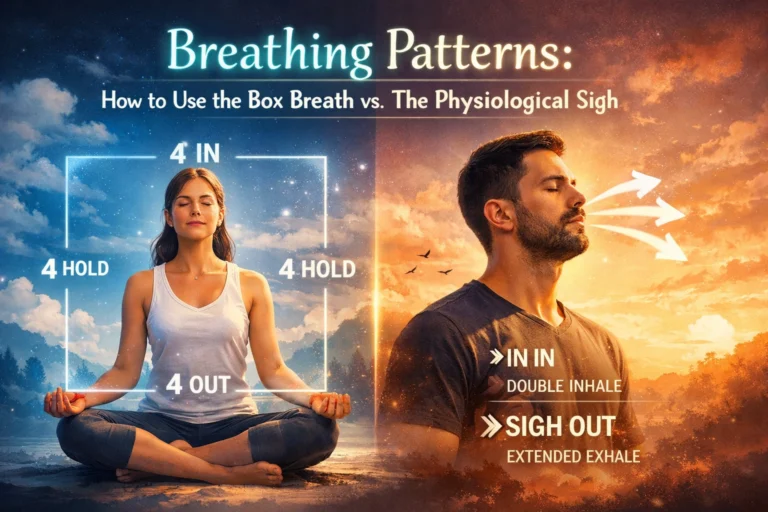
- The Physiological Sigh: Popularized by neurobiologist Dr. Andrew Huberman, this is the most efficient way to offload carbon dioxide and lower your heart rate.
- How to do it: Take a deep inhale through the nose, followed by a second "micro-inhale" to fully inflate the alveoli in the lungs. Then, perform a long, slow exhale through the mouth. Repeat 2–3 times.
- Box Breathing (4-4-4-4): Used by Navy SEALs to maintain composure under fire.
- How to do it: Inhale for 4, hold for 4, exhale for 4, hold for 4. This creates a "stalling" effect on the heart rate, forcing the system into a neutral state.
2. Vagus Nerve Stimulation (VNS)
The Vagus nerve carries 80% of its information from the body to the brain. By stimulating this nerve, you are essentially sending a "System Override" signal to your brain, telling it that you are safe.
- Cold Exposure: Splashing ice-cold water on your face or taking a 30-second cold shower triggers the "Mammalian Dive Reflex," which instantly slows the heart rate and activates the PNS.
- Gargling and Humming: The Vagus nerve passes through the vocal cords. Vigorous gargling or low-frequency humming (like "Om" chanting) creates vibrations that stimulate the nerve.
- Auricular Stimulation: Massaging the "tragus" (the small flap of the ear) or the "concha" (the hollow part) has been shown in clinical settings to increase Heart Rate Variability (HRV).

3. Somatic Shaking and Therapeutic Tremoring
Animals in the wild naturally shake their bodies after a life-threatening event to "discharge" the residual energy of the stress response. Humans have largely socialized this reflex out, leading to stored tension.
- The "Shake-Off": If you feel a surge of adrenaline after a stressful meeting, stand up and literally shake your limbs for 60 seconds. It prevents the stress from "crystallizing" into muscular tension.
- Somatic Grounding (5-4-3-2-1): When the mind is spiraling, bring it back to the physical plane. Name 5 things you see, 4 you can touch, 3 you hear, 2 you smell, and 1 you taste. This shifts the brain from the amygdala (fear center) back to the sensory cortex.
Data-Driven Insights: Monitoring Your "Readiness"
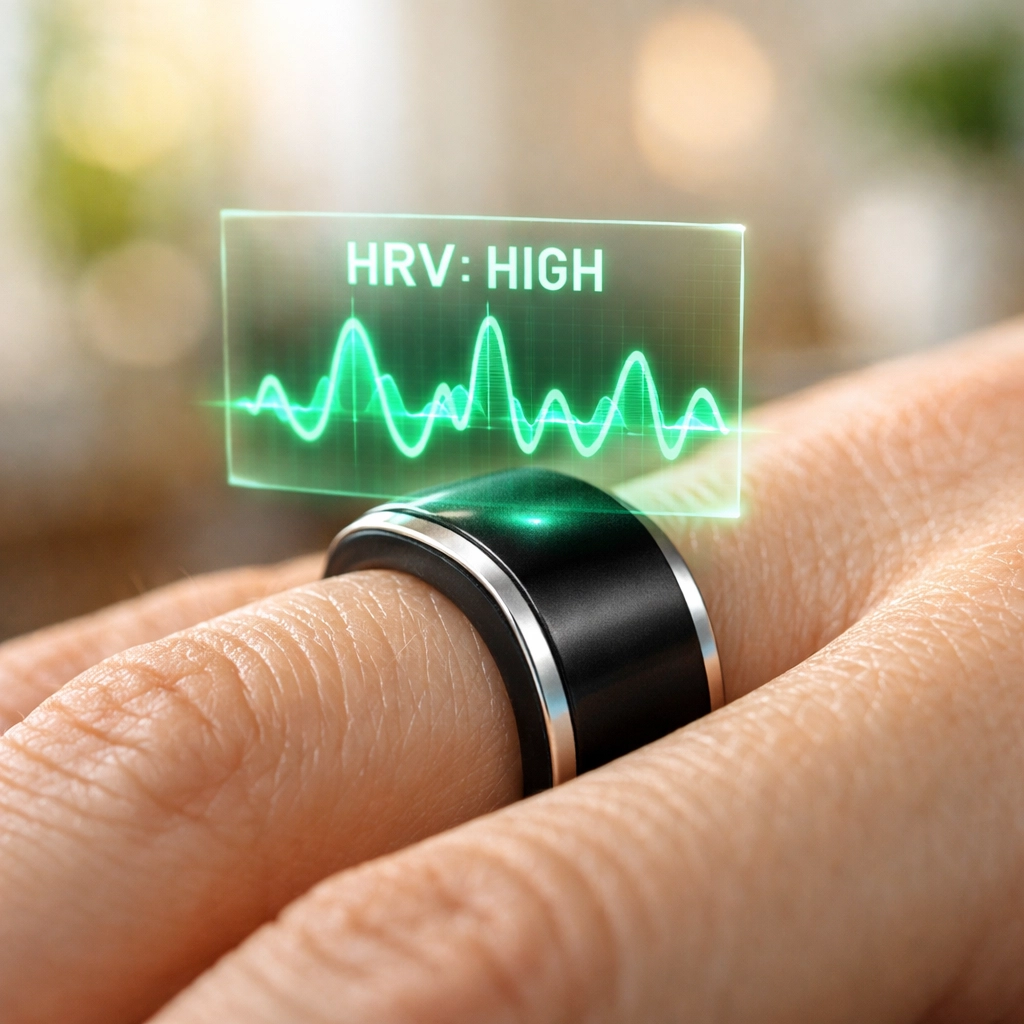
In 2026, we don't have to guess if our toolkit is working. We have data. The gold standard for measuring nervous system health is Heart Rate Variability (HRV).
| Metric | High HRV | Low HRV |
|---|---|---|
| State | Resilient, Adaptable | Stressed, Fatigued |
| Nervous System | Balanced (PNS dominance) | Imbalanced (SNS dominance) |
| Recovery Needs | Ready for high performance | Needs active recovery/sleep |
If your wearable (Oura, Whoop, Apple Watch) shows a significant drop in HRV, it’s a sign that your nervous system is "brittle." This is the day to double down on your toolkit rather than pushing through a high-intensity workout.
Advanced Bio-Hacks: Technology for Regulation
While "ancestral" techniques are powerful, 2026 technology offers targeted ways to support a dysregulated system.
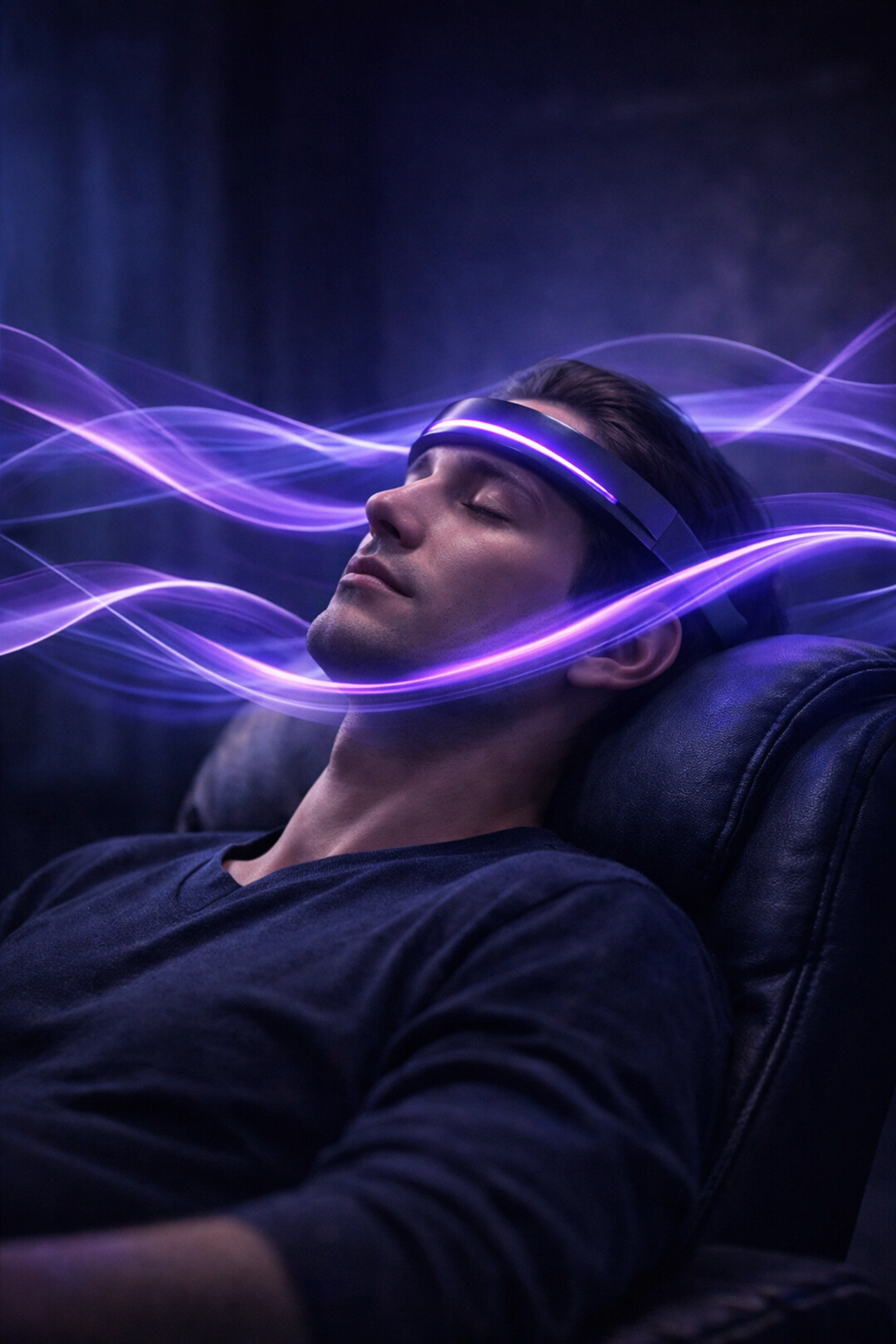
- Binaural Beats and NuCalm: Using specific sound frequencies to guide the brain into Alpha or Theta waves. These states are associated with deep relaxation and cellular repair.
- Pulsed Electromagnetic Field (PEMF) Therapy: Low-level electromagnetic pulses can help "re-tune" the cells and shift the body into a healing state.
- Vagus Nerve Wearables: Devices like the Apollo Neuro or Pulsetto use gentle vibrations or electrical stimulation to modulate the ANS in real-time.
Structuring Your Daily Protocol
A toolkit is useless if it’s only used during a crisis. The most resilient individuals build "micro-doses" of regulation into their day.
- Morning (The Anchor): 5 minutes of Box Breathing + a cold splash to set the baseline.
- Mid-Day (The Reset): One "Physiological Sigh" every time you transition between tasks (e.g., closing a laptop, getting in the car).
- Evening (The Discharge): 2 minutes of somatic shaking or "Legs up the Wall" pose to signal the body that the "hunt" is over.
Why "Soft Wellness" is the Future
The era of "no pain, no gain" and the 4:00 AM "hustle culture" has led to a global burnout epidemic. The shift toward Nervous System Regulation marks a transition into "Soft Wellness." This isn't about being lazy; it’s about biological efficiency. A regulated athlete performs better; a regulated CEO makes better decisions; a regulated parent creates a safer environment for their children.
By building this toolkit, you are not just managing stress; you are upgrading your human hardware. You are teaching your body that it is safe to exist in the world, which is the ultimate foundation for health, longevity, and performance.
Author Bio: Malibongwe Gcwabaza
Malibongwe Gcwabaza is the CEO of blog and youtube and a leading voice in the 2026 longevity and bio-optimization movement. With a background in human performance and a passion for data-driven wellness, Malibongwe specializes in translating complex neurobiology into actionable strategies for the modern professional. When not researching the latest in Vagus nerve stimulation, he can be found practicing Zone 2 training or experimenting with functional mycology. His mission is to help 1 million people reclaim their biological sovereignty through evidence-based health practices.
About the Author