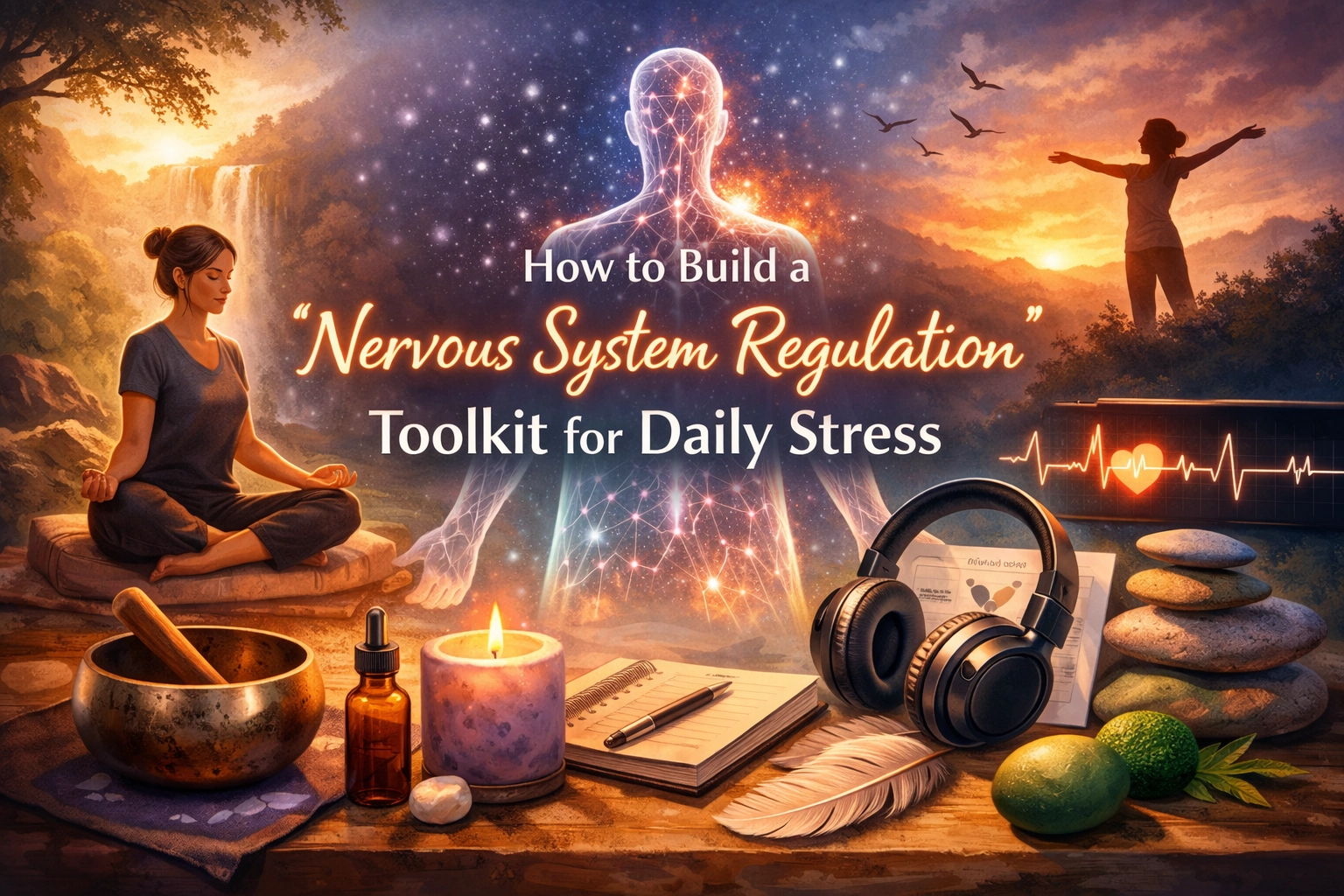
By 2026, the conversation around mental health has shifted. We no longer just talk about "managing stress" through bubble baths and weekend retreats. Instead, we talk about nervous system regulation.
Living in a hyper-connected, high-output society means your Autonomic Nervous System (ANS) is likely under constant siege. Whether it’s the blue light from your third monitor, the cortisol spike from an early morning email, or the low-grade anxiety of global events, your body is often stuck in a state of "High Alert" long after the threat has passed.
Building a nervous system regulation toolkit is about moving from a reactive state to a proactive one. It is the practice of teaching your body how to shift from the Sympathetic (Fight or Flight) branch back to the Parasympathetic (Rest and Digest) branch with precision and speed.
The Science of Dysregulation: Why Your "Brake" is Broken
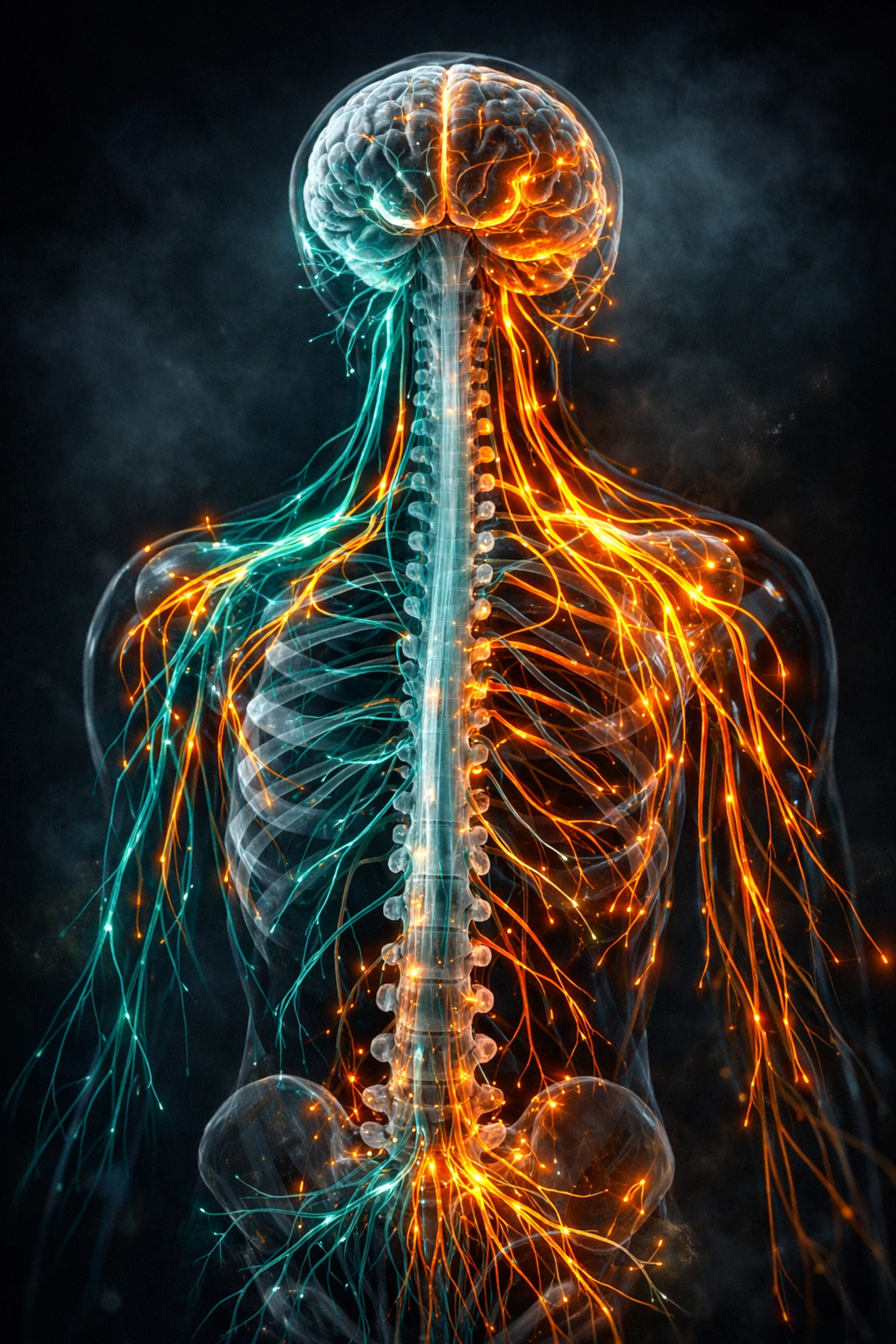
To fix the system, you have to understand the hardware. Your ANS is divided into two primary subsystems:
- The Sympathetic Nervous System (SNS): The "Gas Pedal." It mobilizes energy, increases heart rate, and sharpens focus to deal with perceived threats.
- The Parasympathetic Nervous System (PNS): The "Brake." It facilitates recovery, digestion, and cellular repair.
In a healthy individual, these two systems exist in a state of dynamic equilibrium. However, chronic modern stress leads to a "stuck" nervous system. You might find yourself in a state of Hyperarousal (anxiety, racing thoughts, panic) or Hypoarousal (burnout, numbness, depression).
The goal of a regulation toolkit is to widen your Window of Tolerance: the biological zone where you can handle high-intensity emotions and physical stressors without shutting down or lashing out.
Assessing Your State: Data-Driven Awareness
Before you can regulate, you must identify your current baseline. In 2026, we utilize both subjective feelings and objective biometric data.
Key Biometrics to Track
- Heart Rate Variability (HRV): This is the gold standard. High HRV indicates a resilient, flexible nervous system. Low HRV suggests you are stuck in a sympathetic state.
- Resting Heart Rate (RHR): A gradual increase in your RHR over several days is a leading indicator of systemic fatigue.
- Respiratory Rate: Are you breathing more than 12–14 times per minute at rest? Chronic over-breathing is both a symptom and a cause of dysregulation.
Category 1: "Bottom-Up" Interventions (Body to Brain)
Bottom-up techniques use physical sensations and movements to signal safety to the brain. These are often the fastest ways to break a panic spiral because they bypass the "thinking" brain (prefrontal cortex) and go straight to the brainstem.
1. The Physiological Sigh
Championed by neurobiologists like Dr. Andrew Huberman, this is the quickest way to offload carbon dioxide and lower your heart rate.
- How to do it: Inhale deeply through the nose, then "top it off" with a second, shorter inhale to fully inflate the alveoli in the lungs. Follow this with a long, slow exhale through the mouth. Repeat 2–3 times.
2. Somatic Shaking and Therapeutic Tremoring
Animals in the wild shake their bodies after a predator chase to discharge "survival energy." Humans have largely suppressed this instinct.
- The Technique: Stand with your feet shoulder-width apart. Begin to bounce gently at the knees, letting the vibration travel up through your hips, shoulders, and arms. Do this for 2 minutes to "reset" the muscular tension associated with the stress response.
3. Thermal Stress (Hormesis)
Exposing the body to extreme cold or heat forces the nervous system to adapt.
- The Cold Plunge/Cold Shower: 30 seconds of cold water triggers a massive release of norepinephrine and increases the tone of the Vagus Nerve: the primary highway of the parasympathetic system.
Category 2: "Top-Down" Interventions (Brain to Body)
Top-down techniques use cognitive focus and visualization to calm the physical body. These are essential for long-term rewiring of how you perceive stress.
4. The "Voo" Chant (Somatic Experiencing)
This technique, developed by Dr. Peter Levine, uses sound vibration to stimulate the Vagus nerve where it passes through the throat and chest.
- How to do it: Take a deep breath and, on the exhale, make a low, resonant "Vooooo" sound. Focus on the vibration in your belly and chest. The low frequency mimics the "all-clear" signal in the mammalian brain.
5. Cognitive Reframing: Stress as Fuel
Research shows that how you think about stress changes its physical impact. If you view a racing heart as "anxiety," it constricts your blood vessels. If you view it as "arousal/readiness," your blood vessels remain dilated, protecting your heart.

The 2026 Breathwork Protocol: A Comparison Table
Not all breathwork is created equal. Use this table to choose the right tool for your current state.
| Technique | Primary Goal | Nervous System Shift | Ideal Use Case |
|---|---|---|---|
| Box Breathing | Stability & Focus | Balanced | Before a big presentation or high-stakes meeting. |
| 4-7-8 Breath | Deep Relaxation | Parasympathetic | Falling asleep or stopping a panic attack. |
| Tummo / Wim Hof | Energy & Alertness | Sympathetic (Controlled) | Morning wake-up or pre-workout. |
| Alternate Nostril | Hemispheric Balance | Balanced | Reducing mental chatter and brain fog. |
Category 3: Environmental Regulation
Your environment is a "silent" regulator of your nervous system. If your workspace is cluttered, loud, and poorly lit, your brain will remain in a state of low-level threat detection.
6. The "Frequency" Audit
- Brown Noise vs. White Noise: While white noise can be overstimulating for some, Brown Noise (lower frequencies) has been shown in 2025-2026 studies to be more effective for calming the "monkey mind" in people with ADHD or high-stress loads.
- Binaural Beats: Use 10Hz (Alpha waves) for relaxed focus or 3Hz (Delta waves) for deep recovery.
7. View from a Distance (The Panoramic Gaze)
When we are stressed, our vision narrows (foveal vision). This is a survival mechanism. To reverse this, look out a window and soften your gaze so you can see your periphery. This "Panoramic Gaze" is neurologically linked to the parasympathetic nervous system.

Advanced 2026 Tech: Vagus Nerve Stimulation (VNS)
We have moved beyond simple tracking into active modulation. Wearable VNS devices now allow users to deliver a micro-current to the auricular (ear) branch of the Vagus nerve.
- How it works: These devices send small electrical pulses that signal the brain to "chill out" instantly. While not a replacement for breathwork, they are powerful tools for those with clinical burnout or high-performance demands.
- Biofeedback Integration: Modern apps now sync your HRV in real-time with your workstation, automatically dimming your screen or suggesting a 60-second breathing break when it detects your "Stress Score" climbing.
Building Your Daily "Regulation Schedule"
A toolkit is useless if you don't know when to open it. Here is a sample "Resilient Day" protocol:
- Morning (0–30 mins after waking): View natural sunlight and perform 5 minutes of Box Breathing to set the tone.
- Mid-Day (The Peak): If you feel the "afternoon slump" or high-stress spikes, perform a Physiological Sigh and 1 minute of Somatic Shaking.
- Evening (The Wind Down): Minimize blue light. Use the 4-7-8 technique or a Voo Chant to signal to your body that the "hunt" is over.
- Emergency (The Panic Button): Keep an ice pack in the freezer. Placing it on your chest or face triggers the Mammalian Dive Reflex, which forces an immediate drop in heart rate.
Summary: Consistency Over Intensity
You don't need to spend hours meditating to regulate your nervous system. In fact, doing 60 seconds of regulation five times a day is more effective for your biology than doing a 60-minute yoga class once a week.
Nervous system regulation is the ultimate skill of the 21st century. By building this toolkit, you aren't just managing stress; you are upgrading your human operating system to handle the complexities of 2026 and beyond.
About the Author
Malibongwe Gcwabaza is the CEO of blog and youtube and a leading voice in the intersection of high-performance business and holistic wellness. With over a decade of experience navigating the high-pressure world of digital media and technology, Malibongwe focuses on "Human-Centric Scalability": the idea that a company can only grow as fast as its leadership’s nervous systems can handle. When not refining business strategies, he can be found testing the latest in bio-monitoring tech or exploring the rugged landscapes of South Africa.
About the Author