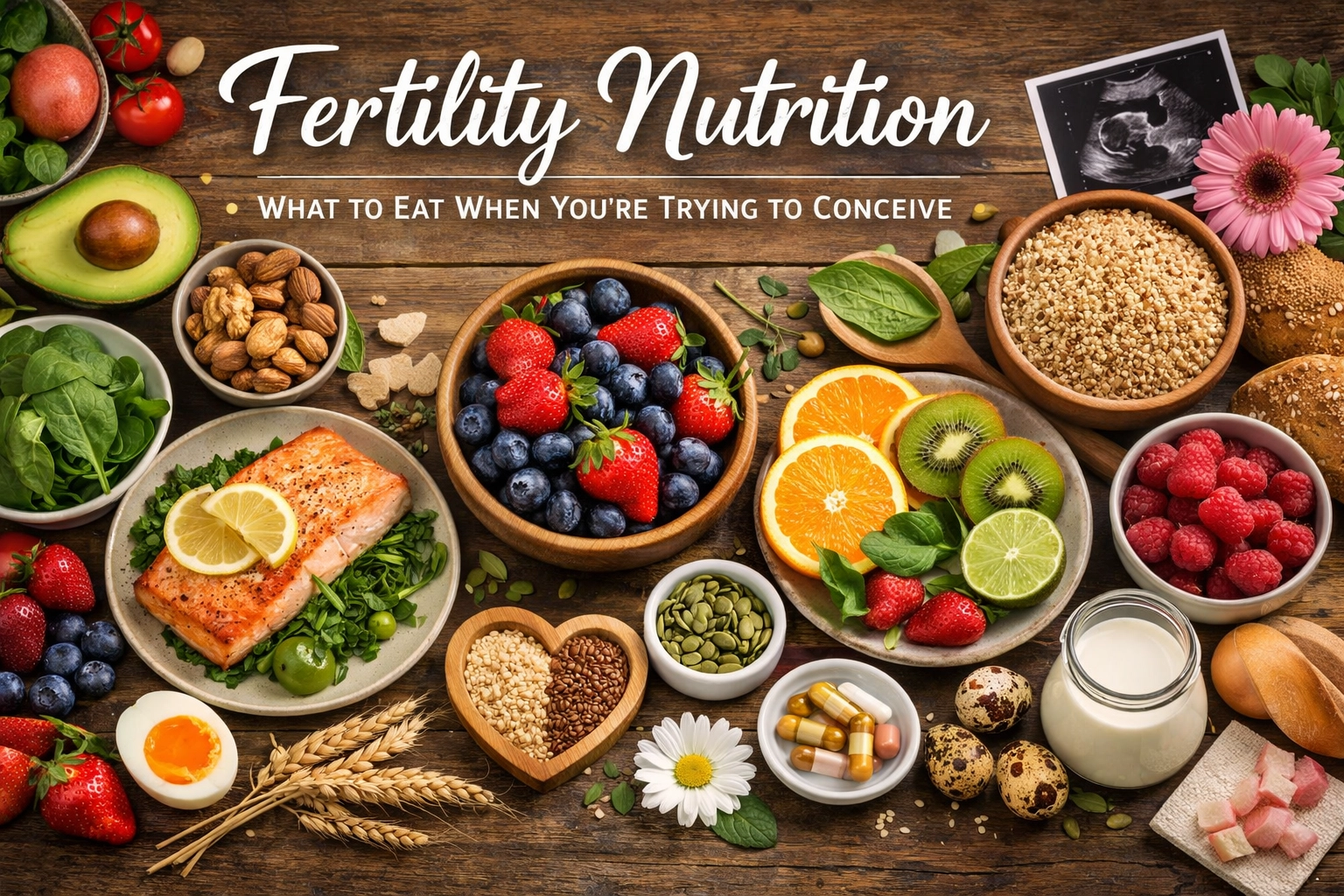
When most people decide to start a family, the first instinct is to head to the pharmacy for a prenatal vitamin and start tracking ovulation. While those are vital steps, the biological reality of conception starts much earlier and goes much deeper than a daily pill. In the world of 2026 health optimization, we now understand that the "preconception window": specifically the 90 to 120 days before fertilization: is a critical period where nutrition can literally rewrite the epigenetic future of your child.
The quality of an egg and the integrity of sperm are not static; they are highly influenced by the fuel you provide. This guide moves beyond "eat your greens" and dives into the clinical science of fertility nutrition, metabolic flexibility, and the specific micronutrients required to optimize your reproductive health.
The 90-Day Window: Why Timing Is Everything
It takes approximately 90 days for an immature egg (oocyte) to mature before it is released during ovulation. Similarly, the cycle of sperm production (spermatogenesis) takes about 74 days. During this three-month "prep phase," the cells are highly sensitive to oxidative stress, hormonal shifts, and nutrient availability.
By focusing on high-density nutrition today, you are influencing the quality of the gametes that will be used for conception three months from now. This isn't just about getting pregnant; it’s about "priming the soil" for a healthy pregnancy and long-term offspring health.
The Micronutrient Power Players
To move the needle on fertility, we need to focus on specific nutrients that support DNA synthesis, mitochondrial function, and hormonal signaling.
1. Folate (The DNA Architect)
Folate is non-negotiable. It is essential for DNA methylation and preventing neural tube defects. However, by 2026, the conversation has shifted from synthetic folic acid to methylfolate (5-MTHF). Roughly 40-60% of the population has a mutation in the MTHFR gene, making it difficult to convert folic acid into its usable form.
- Top Sources: Spinach, romaine lettuce, asparagus, and lentils.
2. CoQ10 (Mitochondrial Energy)
The human egg is the most mitochondria-dense cell in the body. As we age, mitochondrial efficiency drops. CoQ10 (specifically in the form of Ubiquinol) acts as a spark plug for these mitochondria, providing the energy needed for the complex process of chromosomal division.
- Top Sources: Grass-fed beef, sardines, and pistachios.
3. Omega-3 Fatty Acids
Healthy fats are the building blocks of hormones. Omega-3s, particularly EPA and DHA, improve blood flow to the reproductive organs, reduce systemic inflammation, and help regulate the menstrual cycle.
- Top Sources: Wild-caught salmon, walnuts, chia seeds, and algae oil.
4. Vitamin D (The Pro-Hormone)
Vitamin D functions more like a hormone than a vitamin. Receptors for Vitamin D are found in the ovaries, uterus, and placenta. Research consistently shows that women with adequate Vitamin D levels have higher success rates with both natural conception and IVF.
| Nutrient | Role in Fertility | Best Food Source |
|---|---|---|
| Zinc | Sperm quality & cell division | Oysters, pumpkin seeds |
| Selenium | Prevents follicle damage | Brazil nuts (just 2 a day!) |
| Iron | Supports ovulatory function | Lentils, lean grass-fed steak |
| Choline | Brain development & gene expression | Egg yolks |
Metabolic Flexibility: The Blood Sugar Connection
One of the biggest obstacles to conception in the modern era is insulin resistance. Even if you aren't diabetic, "glucose spikes" can wreak havoc on your hormones. High insulin levels can signal the ovaries to produce excess testosterone, which interferes with the maturation of eggs: a hallmark of PCOS (Polycystic Ovary Syndrome).
In 2026, many women are using Continuous Glucose Monitors (CGMs) during the preconception phase to understand how their diet affects their cycles. Keeping blood sugar stable helps maintain the delicate balance between Estrogen and Progesterone.
Strategies for Glycemic Control:
- The "Fiber First" Rule: Always eat your fiber (vegetables) before your carbohydrates to blunt the insulin spike.
- Ditch Refined Sugars: High-fructose corn syrup and white flour create an inflammatory environment that is hostile to implantation.
- Vinegar Hack: A tablespoon of apple cider vinegar in water before a starch-heavy meal can improve insulin sensitivity by up to 34%.
The "Fertility Diet" Framework: What to Eat
Research from the Harvard School of Public Health has identified a specific eating pattern associated with a significantly lower risk of ovulatory infertility. This isn't a restrictive "diet" but a shift in food quality.
Emphasize Plant-Based Proteins
While you don't need to be vegan, replacing one serving of meat per day with plant proteins (like beans, lentils, or tofu) can reduce the risk of ovulatory infertility by over 50%. Plant proteins are rich in fiber and iron, which support a healthy uterine lining.
The Full-Fat Dairy Paradox
Interestingly, the data suggests that low-fat dairy (skim milk, low-fat yogurt) is actually detrimental to fertility. The process of removing fat from dairy alters the balance of sex hormones in the liquid. One to two servings of full-fat dairy (like Greek yogurt or whole milk) per day has been shown to support better ovulatory function.
Complex Carbohydrates over Simple Sugars
Swap white bread and pasta for "slow" carbs like quinoa, buckwheat, and sweet potatoes. These provide a steady stream of energy without the hormonal rollercoaster of refined grains.
Male Fertility: The Often Forgotten 50%
Fertility is a team sport. Roughly 40-50% of infertility cases have a "male factor" component. Sperm are highly susceptible to oxidative stress (damage from free radicals).
Men should focus on:
- L-Carnitine: To improve sperm motility (swimming ability).
- Lycopene: Found in cooked tomatoes, this antioxidant improves sperm morphology (shape).
- Reducing Alcohol: Even moderate drinking can lower testosterone levels and decrease sperm count.
Avoiding "Anti-Fertility" Factors in 2026
We cannot talk about nutrition without addressing the environment. Endocrine Disrupting Chemicals (EDCs) found in our food supply can mimic hormones and "clog" your receptor sites.
- Microplastics: Avoid heating food in plastic containers. The heat causes phthalates to leach into your food, which are linked to lower egg counts.
- Pesticides: When possible, buy the "Dirty Dozen" (strawberries, spinach, etc.) organic. High pesticide residue is associated with lower rates of clinical pregnancy.
- Alcohol & Caffeine: While a morning coffee is generally fine (keep it under 200mg), excessive caffeine can constrict blood flow to the uterus. Alcohol, even in small amounts, can increase the time it takes to conceive.
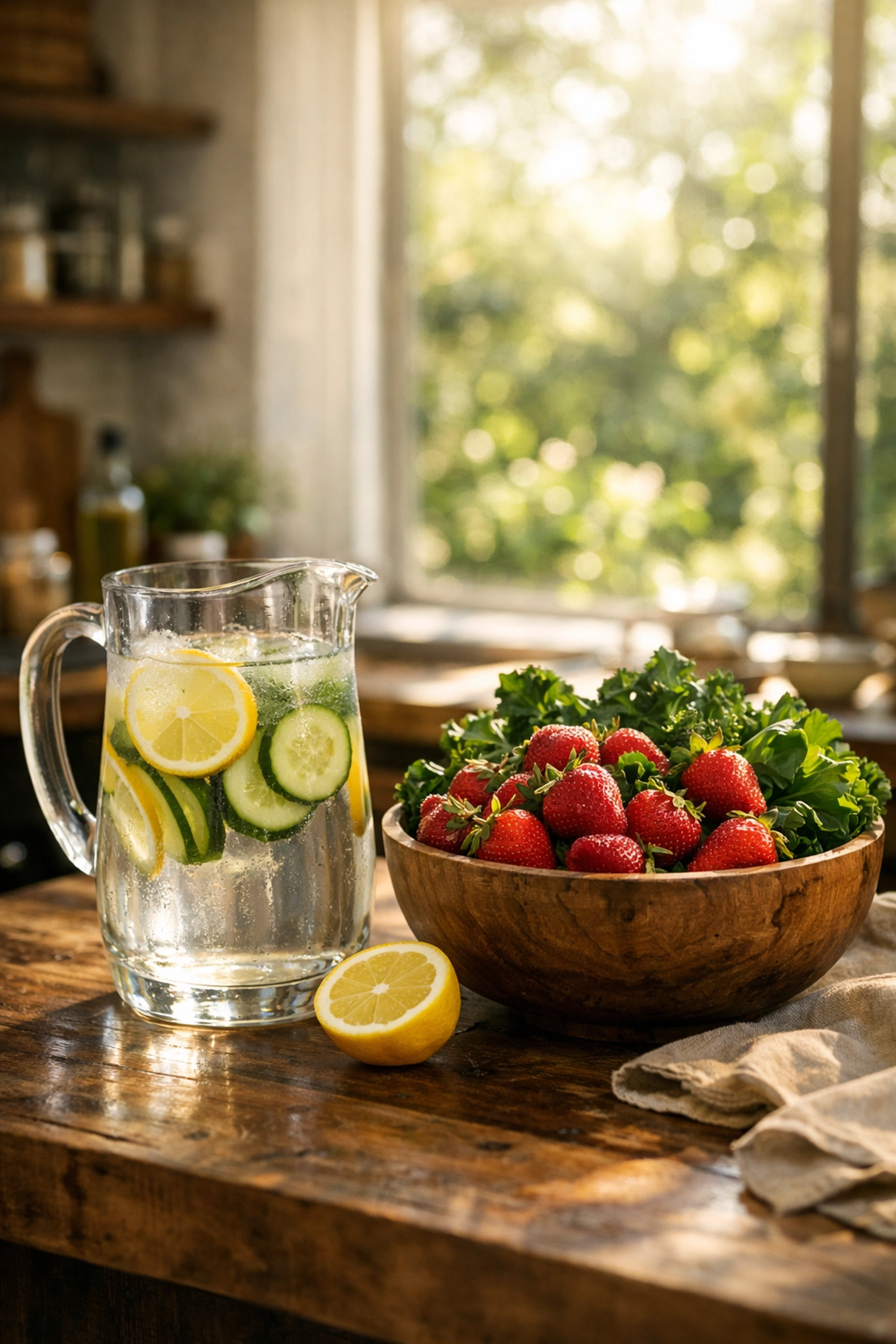
A Day of Fertility-Optimized Eating
To make this practical, here is what a high-performance fertility day looks like:
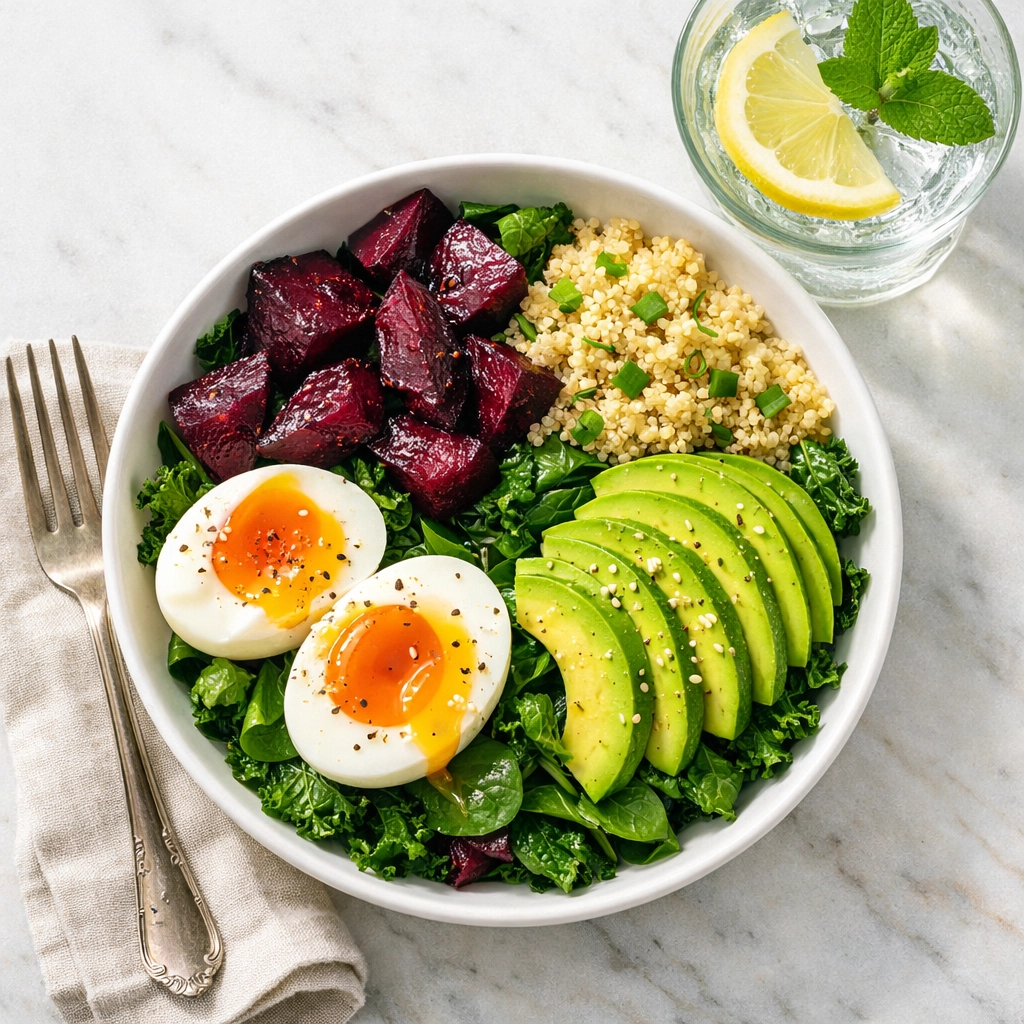
- Breakfast: Two poached eggs (for choline) over sautéed spinach (for folate) and a slice of sourdough bread with half an avocado (healthy fats).
- Lunch: A large kale and quinoa bowl with chickpeas, pumpkin seeds (zinc), and a lemon-tahini dressing.
- Snack: A handful of walnuts and two Brazil nuts (selenium).
- Dinner: Wild-caught salmon (Omega-3s) with roasted sweet potatoes and asparagus.
- Dessert: A square of 85% dark chocolate (antioxidants) and a cup of raspberry leaf tea.
Summary: Building Your Protocol
Fertility nutrition isn't about perfection; it’s about consistency. If you can implement the "80/20 rule": eating nutrient-dense, fertility-supporting foods 80% of the time: you give your body the resources it needs to thrive.
Remember, the goal is to create a surplus of energy and nutrients. When your body feels "safe" and well-nourished, it is much more likely to prioritize the energy-intensive process of reproduction. Start today, and three months from now, your body will thank you.
Author Bio: Malibongwe Gcwabaza
Malibongwe Gcwabaza is the CEO of blog and youtube and a seasoned health strategist specializing in longevity and bio-monitoring. With a focus on translating complex clinical research into actionable lifestyle protocols, Malibongwe has spent years exploring the intersection of metabolic health and reproductive longevity. He believes that true wellness starts at the cellular level and that nutrition is the most powerful tool we have to influence our genetic expression. When not analyzing the latest in 2026 wellness tech, he can be found practicing functional movement or exploring the latest in neuro-wellness.
About the Author