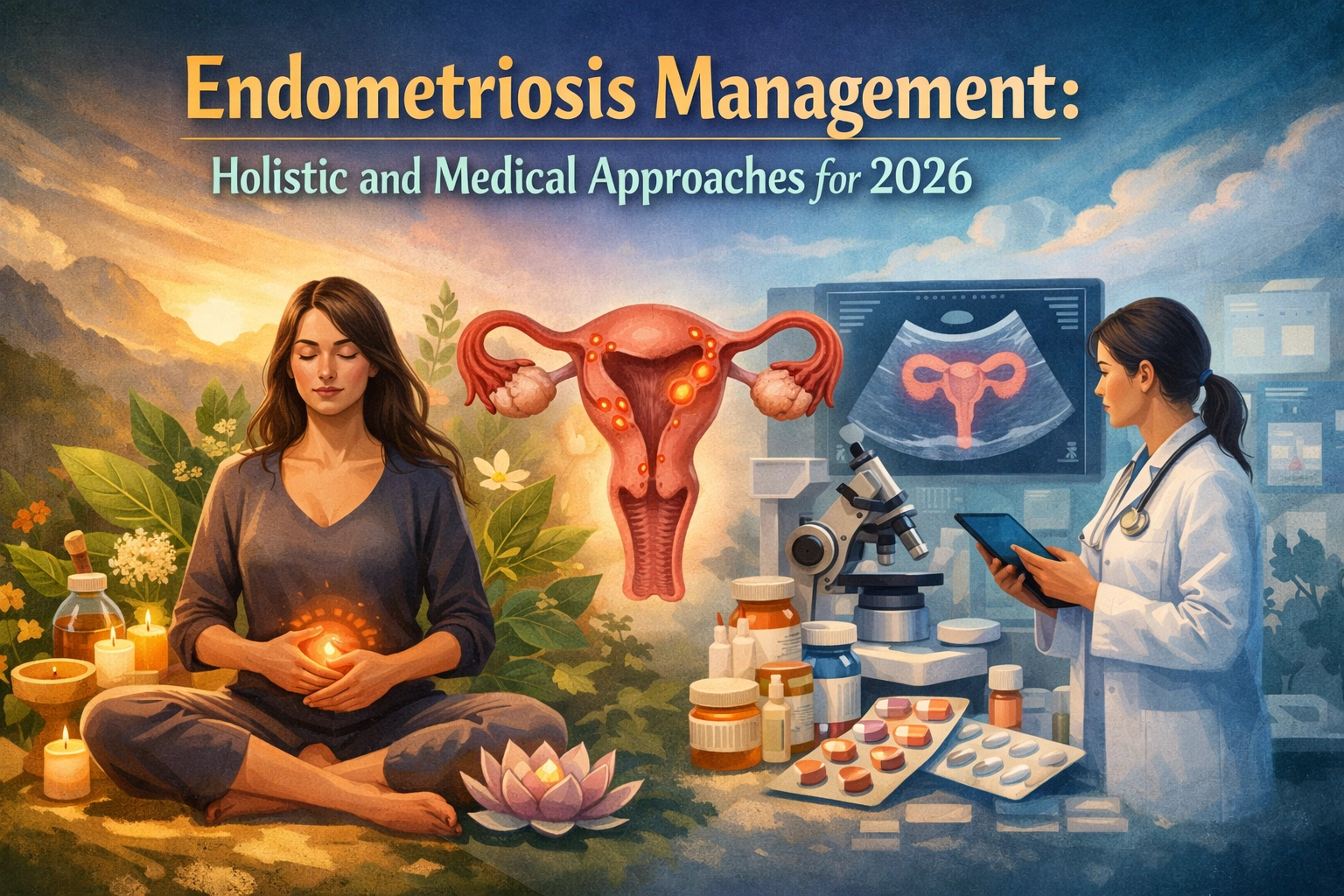
For decades, the standard response to endometriosis was a mix of "wait and see" and "it's just a heavy period." By March 2026, the clinical landscape has shifted. We no longer view endometriosis solely as a gynecological issue; we recognize it as a systemic, inflammatory, and neurovascular disease that requires a multi-pronged management strategy.
The American College of Obstetricians and Gynecologists (ACOG) released updated guidelines in February 2026 that officially prioritize empiric medical management. This means that if your symptoms align with endometriosis, your medical team should start treatment immediately rather than making you wait years for a diagnostic laparoscopy.
Managing endometriosis in 2026 is about more than just suppressing a period. It involves a sophisticated blend of advanced pharmacology, precision surgery, and evidence-based holistic interventions.
The Medical Frontline: Advanced Pharmacology in 2026
The goal of medical management is twofold: to reduce the estrogen that "fuels" the lesions and to dampen the systemic inflammation that causes the characteristic "endo-belly" and pelvic pain.
1. GnRH Antagonists (The New Standard)
Unlike the older agonists that caused a "flare" of symptoms before shutting down hormone production, modern GnRH antagonists like Elagolix and Relugolix provide immediate suppression. In 2026, these are often prescribed with "add-back" therapy: tiny doses of hormones that prevent bone density loss and hot flashes, making long-term use much more sustainable.
2. Progestin-Only Strategies
For those who cannot or do not want to go into a chemically induced menopause, high-dose progestins remain a staple. These work by thinning the uterine lining and the endometriosis lesions themselves. In 2026, we see a rise in the use of the levonorgestrel intrauterine system (IUS) combined with oral progestins to tackle both localized uterine pain and systemic lesion growth.
3. The Shift in Pain Management
We’ve moved past relying solely on NSAIDs like Ibuprofen. In 2026, neurologically focused pain management is common. Medications that target nerve sensitivity, such as Gabapentin or low-dose Naltrexone (LDN), are being used off-label with significant success to treat the "central sensitization" where the brain becomes over-responsive to pain signals.
Surgical Management: Excision vs. Ablation
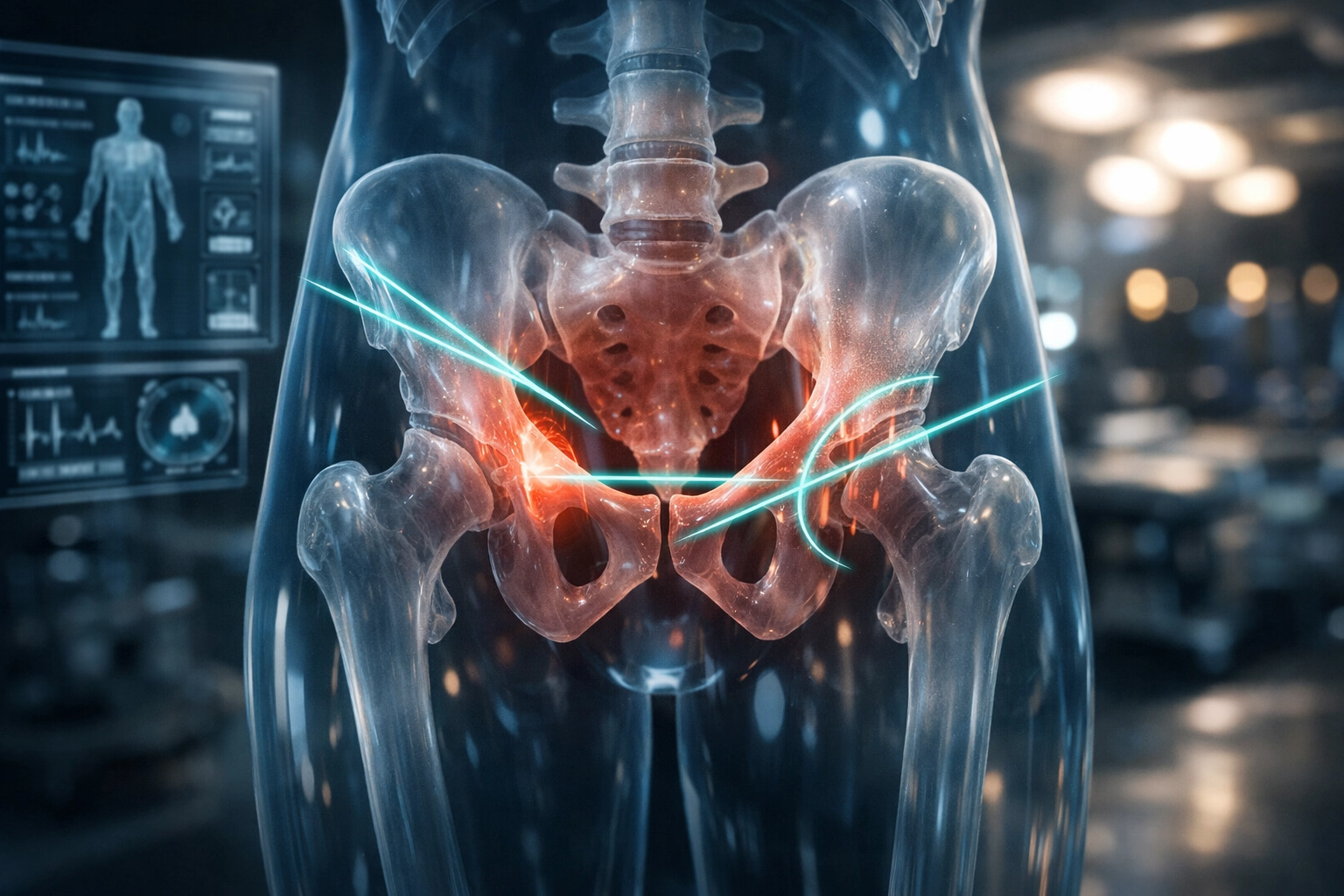
If you are pursuing surgery in 2026, the terminology matters more than ever. The medical community has reached a consensus: Laparoscopic Excision (LAPEX) is the gold standard, while ablation (burning the surface) is increasingly viewed as an incomplete solution.
| Feature | Ablation (Fulgration) | Excision (LAPEX) |
|---|---|---|
| Method | Burns the surface of the lesion. | Cuts the lesion out from the root. |
| Recurrence Rate | High (often leaves deep tissue behind). | Lower (removes the entire "iceberg"). |
| Pathology | Tissues are destroyed; cannot be biopsied. | Tissues are preserved for lab analysis. |
| 2026 Status | Generally discouraged for deep disease. | Recommended for long-term relief. |
In 2026, robotic-assisted excision has become the norm in specialized longevity and pelvic clinics. The enhanced 3D visualization allows surgeons to identify "clear" or "white" endometriosis, which was often missed by the naked eye in the past.
Holistic Management: The Lifestyle Pillar
Medical and surgical interventions are powerful, but they rarely work in a vacuum. To manage the systemic nature of endometriosis, you have to address the internal environment of the body.
Anti-Inflammatory Nutrition
The "Endo Diet" is no longer just a Pinterest trend; it’s backed by 2026 clinical data. The focus is on reducing prostaglandins: the lipid compounds that cause the uterus to contract and trigger pain.
- Omega-3 Dominance: High-dose EPA/DHA (found in fatty fish or algae oil) helps competitively inhibit the production of inflammatory prostaglandins.
- Fiber for Estrogen Clearance: Endometriosis is often characterized by "estrogen dominance." A diet high in cruciferous vegetables (broccoli, cauliflower) contains Indole-3-Carbinol, which helps the liver process and excrete excess estrogen.
- The Gluten/Dairy Connection: While not everyone is intolerant, 2026 studies show that a significant percentage of endo patients experience a "cross-reaction" where gluten and A1 casein (found in most cow’s milk) trigger pelvic inflammation.
Pelvic Floor Physical Therapy (PFPT)
One of the biggest breakthroughs in 2026 management is the integration of PFPT. After years of chronic pain, the pelvic floor muscles often enter a state of "hypertonicity" (permanent contraction). Even if the endo lesions are surgically removed, the muscle memory of pain remains.
- Internal Release: Specialized therapists work to manually release trigger points in the pelvic bowl.
- Down-training: Learning to consciously relax the pelvic floor to improve blood flow and reduce nerve entrapment.
Supplementation: Targeted Cellular Support
In 2026, we’ve moved away from a "multivitamin" approach toward targeted nutraceuticals that address specific pathways of the disease.
- N-Acetyl Cysteine (NAC): A 2026 meta-analysis confirmed that NAC can effectively shrink endometriotic cysts (endometriomas) by boosting the body's primary antioxidant, glutathione.
- Curcumin (with Piperine): A potent NF-kB inhibitor, Curcumin helps switch off the genetic "master switch" of inflammation.
- Magnesium Bisglycinate: Essential for smooth muscle relaxation. It’s the "natural valium" for a cramping uterus and a stressed nervous system.
- Resveratrol: Known for its longevity benefits, Resveratrol has been shown to inhibit the "angiogenesis" (blood vessel growth) that endometriosis lesions need to survive.
The Brain-Pain Connection: Somatic Healing
By 2026, we’ve acknowledged that endometriosis is a traumatic experience for the nervous system. Chronic pain rewires the brain. This is why some people still feel pain even after a successful "clean" surgery.
Management now includes Nervous System Regulation. Techniques like the "Vagus Nerve Reset" and "Somatic Experiencing" help the body shift from a sympathetic (fight-or-flight) state to a parasympathetic (rest-and-digest) state. When the nervous system is calm, the perception of pelvic pain significantly decreases.

Developing Your 2026 Management Plan
If you are navigating this journey today, your approach should be structured. Here is a recommended 2026 checklist for a full-body management audit:
- Step 1: Clinical Diagnosis. Work with a provider who follows the 2026 ACOG guidelines. Don't let them dismiss your pain.
- Step 2: Empiric Trial. If surgery isn't immediate, try a 3–6 month course of modern GnRH antagonists or progestins to see if your symptoms respond.
- Step 3: Nutrition Overhaul. Focus on a 30-day "low-tox" and anti-inflammatory protocol to identify your specific triggers.
- Step 4: Pelvic Mapping. See a Pelvic Floor Physical Therapist to differentiate between "organ pain" and "muscle pain."
- Step 5: Surgical Consultation. If symptoms persist, seek a surgeon who specializes exclusively in excision, not a generalist OB/GYN.
Conclusion
Endometriosis management in 2026 is no longer about suffering in silence or settling for "good enough." With the rise of precision excision surgery, advanced hormonal modulators, and a deep understanding of anti-inflammatory lifestyle changes, the goal is total remission of symptoms and the preservation of quality of life. You are the CEO of your own health; use these tools to build a management strategy that treats you as a whole person, not just a set of symptoms.
About the Author
Malibongwe Gcwabaza is the CEO of blog and youtube and a leading voice in the 2026 health and wellness space. With a focus on longevity, functional fitness, and bio-hacking, Malibongwe advocates for a "Depth over Breadth" approach to medical education. By synthesizing the latest clinical research into actionable guides, he empowers individuals to navigate complex health journeys with clarity and confidence. When not analyzing the latest ACOG guidelines, Malibongwe can be found exploring the intersection of AI and personalized medicine.
About the Author