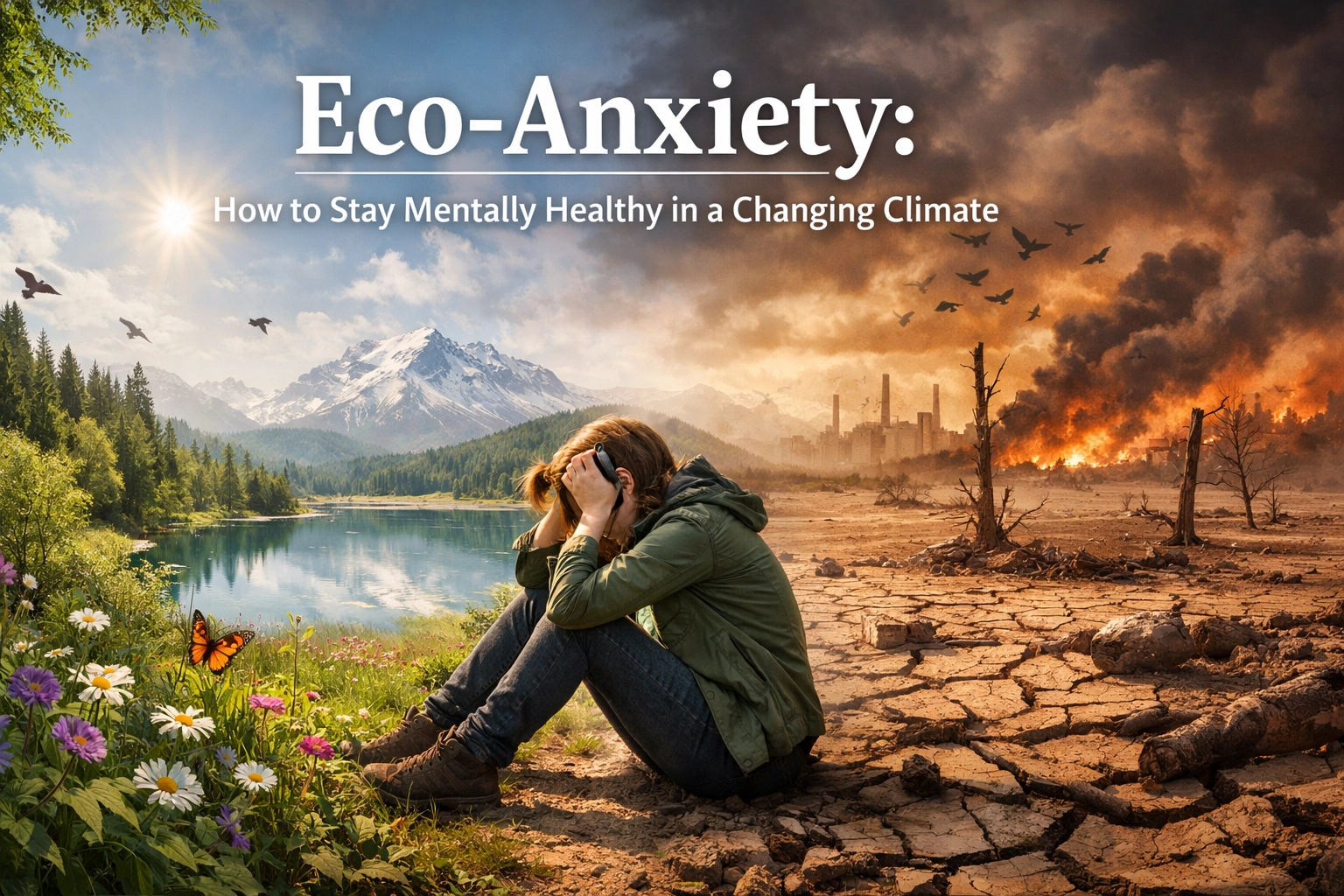
By 2026, the term "eco-anxiety" has moved from a niche psychological concept to a mainstream health reality. It isn't a clinical disorder found in the DSM-5, but rather a rational, systemic response to a world facing rapid environmental shifts. If you’ve felt a tightening in your chest while reading about rising sea levels or felt a sense of "solastalgia": the distress caused by the loss of home environments: you aren't alone. In fact, you’re part of a growing majority.
This guide moves beyond the "just recycle more" advice. We are diving deep into the neurobiology of environmental stress, the data behind global climate distress, and specific, actionable protocols to build psychological resilience in a changing world.
Understanding the Neurobiology of Environmental Stress
Eco-anxiety isn't just "worrying about the weather." It is a chronic activation of the Sympathetic Nervous System (SNS). When we perceive a threat that is global, invisible, and seemingly unstoppable, our brain’s "alarm system": the amygdala: remains in a state of high alert.
Unlike a short-term stressor, such as a work deadline, climate change is a "hyper-object": something so massive and distributed that the human brain struggles to process it. This leads to a state of Allostatic Load, where the wear and tear on the body accumulates because the stress response never fully shuts off.
The Biological Impact of Eco-Distress
- HPA Axis Dysregulation: Continuous climate worry triggers the Hypothalamic-Pituitary-Adrenal axis, leading to elevated cortisol levels.
- Prefrontal Cortex Inhibition: Chronic stress weakens the "logical" part of the brain, making it harder to engage in the very problem-solving behaviors needed to address environmental issues.
- Sleep Architecture Disruption: A 2022 study highlighted that 70% of Americans suffered from climate-induced insomnia. By 2026, with more frequent extreme weather events, this number has stabilized as a primary driver of fatigue-related health issues.

Distinguishing Healthy Concern from Paralyzing Anxiety
It is important to differentiate between "Climate Concern," which motivates action, and "Eco-Anxiety," which can lead to burnout and apathy.
| Feature | Climate Concern (Adaptive) | Eco-Anxiety (Maladaptive) |
|---|---|---|
| Primary Emotion | Motivation, Urgency | Dread, Hopelessness |
| Physical Symptom | Increased focus | Insomnia, Panic attacks, Digestive issues |
| Social Impact | Collaborative action | Social withdrawal or "Doom-scrolling" |
| Mental State | Acceptance of reality | Obsessive rumination on "The End" |
| Outcome | Sustainable lifestyle changes | Functional paralysis or burnout |
The 4-Pillar Resilience Protocol for 2026
To stay mentally healthy, we must shift from a state of passive consumption to active resilience. Here is a structured approach to managing eco-distress.
1. Radical Information Hygiene
In 2026, we are bombarded by "doom-scrolling" 2.0 through AI-curated feeds that prioritize high-arousal (fear-based) content.
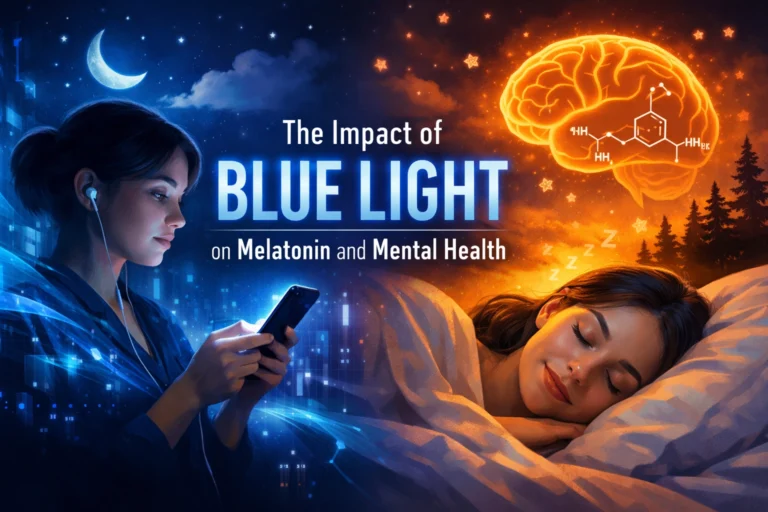
- Set an Information "Feeding Window": Limit climate news consumption to 20 minutes a day, ideally in the morning. Never check climate data or news before bed, as this spikes cortisol when you need melatonin.
- Vulnerability Mapping: Identify which topics trigger you most (e.g., plastic pollution vs. forest fires) and intentionally seek out "Solution Journalism" in those specific sectors.
2. Somatic Regulation and Nature Connection
If the environment is the source of stress, it must also be the source of healing. Somatic therapy: focusing on the body's physical sensations: is a powerful tool for eco-anxiety.
- Forest Bathing (Shinrin-yoku): Spending 120 minutes per week in nature has been scientifically proven to lower blood pressure and cortisol.
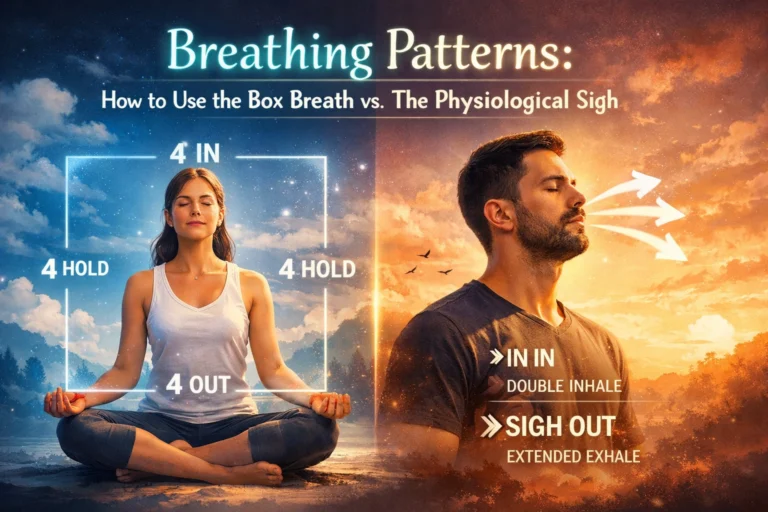
- Vagus Nerve Stimulation: Use techniques like the "Physiological Sigh" (two quick inhales through the nose, one long exhale through the mouth) to manually flip the switch from the Sympathetic (Fight/Flight) to the Parasitic (Rest/Digest) nervous system.

3. Transitioning from Individual Guilt to Collective Agency
One of the biggest drivers of eco-anxiety is the "Carbon Footprint" myth, which shifts the burden of a systemic global issue onto the individual. This creates a "Guilt-Anxiety Loop."
- Join a "Climate Circle": Find local groups focused on community resilience: urban gardening, local policy advocacy, or micro-grid energy projects. Collective action provides a sense of "Self-Efficacy" that individual recycling cannot match.
- The "Circle of Influence" Exercise: List environmental concerns. Circle only those you can directly impact today (e.g., reducing personal waste, supporting a specific brand). Focus 80% of your energy there; acknowledge the rest but refuse to ruminate on them.
4. Physical Fitness as Mental Armor
Your physical health directly dictates your mental "Window of Tolerance." A body that is physically resilient can handle higher levels of psychological stress.
- Zone 2 Training: Low-intensity steady-state cardio builds mitochondrial health and increases your baseline for handling stress.
- Grip Strength and Resilience: There is a strong correlation between physical strength and "perceived control." Engaging in resistance training provides a tangible sense of power that counteracts the "powerlessness" felt during environmental crises.

Managing "Eco-Grief" and Solastalgia
We must acknowledge that part of the anxiety is actually grief. We are mourning the loss of seasons, species, and predictable futures.
How to process Eco-Grief:
- Acknowledge the loss: Don't suppress the sadness. Labeling the emotion ("I am feeling solastalgia regarding the local drought") reduces the amygdala's intensity.
- Ritualize the concern: Plant a tree, volunteer for a day at a wildlife sanctuary, or engage in "Active Hope": the practice of acting as if your efforts matter, even when the outcome is uncertain.
- Professional Support: Seek out "Climate-Aware Therapists." These professionals are specifically trained to validate environmental distress rather than pathologizing it as a standard anxiety disorder.
The Role of Lifestyle in Buffering Anxiety
Your daily habits act as a shock absorber for global stressors. In 2026, mental wellness is inextricably linked to how we fuel our bodies.
- Anti-Inflammatory Nutrition: Chronic inflammation makes the brain more susceptible to anxiety. Prioritizing Omega-3s (EPA/DHA) and high-polyphenol foods helps protect the blood-brain barrier.
- Digital Detox 2.0: Use "grayscale" mode on your devices when reading about environmental issues to reduce the emotional impact of vivid, catastrophic imagery.

Building a "Resilient Future" Mindset
Eco-anxiety is not a sign of weakness; it is a sign of connection. It means you are paying attention. The goal isn't to stop caring, but to prevent that care from becoming a cage. By implementing somatic regulation, limiting the "doom" in your digital life, and moving toward collective action, you transform paralyzing fear into a sustainable form of stewardship.
Remember: The planet doesn't need you to be anxious; it needs you to be effective. And you can only be effective if you are mentally well.
Author Bio: Malibongwe Gcwabaza
CEO of blog and youtube
Malibongwe Gcwabaza is the CEO of blog and youtube, a leading digital platform dedicated to the intersection of high-performance fitness, longevity science, and mental wellness. With a background in strategic leadership and a passion for bio-hacking, Malibongwe focuses on providing data-driven, actionable insights for the modern professional. His work emphasizes the "Centenarian Decathlon" approach: preparing the body and mind today for the challenges of the next fifty years. When he isn't exploring the latest in metabolic flexibility or neuro-resilience, he is an advocate for sustainable lifestyle integration in urban environments.
About the Author