For decades, the fitness industry was built on a 24-hour hormonal blueprint: a model that works great for men, whose testosterone peaks in the morning and fluctuates daily. But for anyone with a menstrual cycle, operating on a 24-hour clock is like trying to play a symphony using only one note.
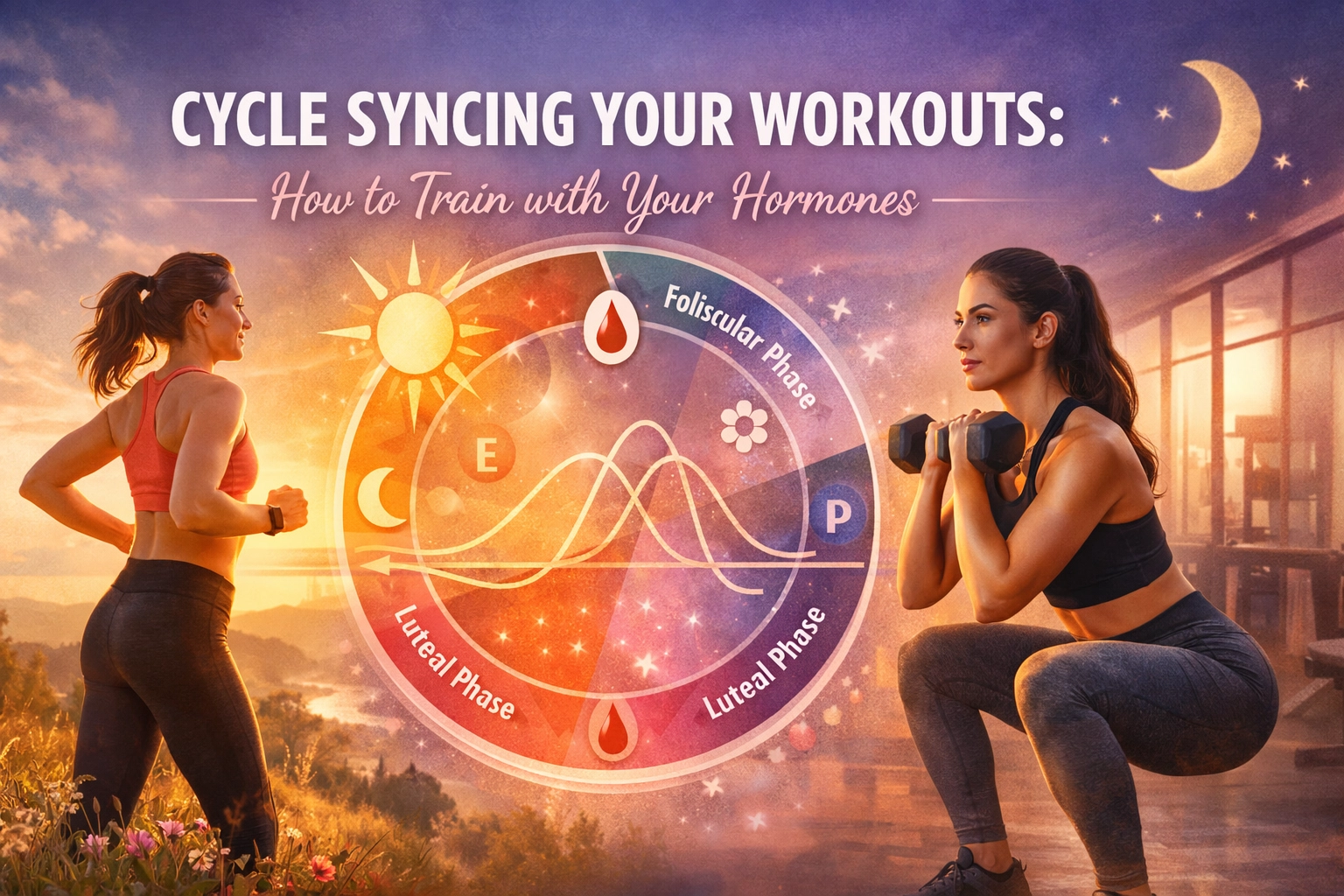
By 2026, the "no days off" and "push through the pain" culture has largely been replaced by Biocompatible Training. We now understand that a woman’s body undergoes a massive physiological shift every 28 days (give or take). If you’ve ever felt like a superhero in the weight room one week and then struggled to even walk to the gym the next, you aren't "out of shape." You are simply in a different hormonal season.
This guide will break down the science of cycle syncing, why your ACL is more at risk during ovulation, and how to structure your 2026 fitness routine to work with your biology instead of against it.
The Biological "Why": Estrogen vs. Progesterone
To master cycle syncing, you have to understand the two main characters in this story: Estrogen and Progesterone.
- Estrogen: Think of this as your "power" hormone. It’s anabolic (builds muscle), improves insulin sensitivity, and boosts your mood and energy. When estrogen is high, you are essentially "primed" for high-intensity work and heavy lifting.
- Progesterone: This is your "simmer" hormone. It raises your basal body temperature, increases your resting heart rate, and can make breathing feel slightly more labored. It’s also catabolic, meaning it’s better at breaking things down than building them up. When progesterone is high, your body is more focused on preparing for a potential pregnancy than hitting a PR in your back squat.
Phase 1: The Menstrual Phase (The Winter)
Timing: Days 1–5 (approx.)
Hormonal State: Estrogen and Progesterone are at their lowest.
During your period, your body is performing an energy-intensive task: shedding the uterine lining. Inflammation is naturally higher, and your "battery" is at its lowest capacity.
The Strategy: Movement as Medicine
This isn't the time for a CrossFit competition. Focus on restorative movement.
- Best Workouts: Yin Yoga, walking, light stretching, or complete rest.
- The Science: Because your hormones are low, your body is actually quite resilient to stress if you don't overdo it. Some women find that light movement helps alleviate cramps by increasing blood flow.
- Data Insight: Research shows that while top-end power might be lower, your perceived exertion (RPE) is often highest here. Listen to your heart rate variability (HRV) trends.
Phase 2: The Follicular Phase (The Spring)
Timing: Days 6–12
Hormonal State: Estrogen begins its steady climb.
As your period ends, estrogen begins to rise, bringing your energy levels back from the dead. This is the "get-it-done" phase. Your brain is more resilient, and your muscles are ready for growth.
The Strategy: Build and Burn
This is the best time to focus on progressive overload and new skills.
- Best Workouts: Heavy resistance training, HIIT, and endurance runs.
- The Science: Rising estrogen improves your insulin sensitivity. This means your body is highly efficient at using stored carbohydrates for fuel, making it the perfect time for high-intensity intervals.
- 2026 Tech Tip: Use your wearable to track your "Readiness Score." You’ll likely see your HRV peak during this week.
Phase 3: The Ovulatory Phase (The Summer)
Timing: Days 13–15
Hormonal State: Estrogen peaks; Testosterone hits its highest point.
You are at your physiological peak. Testosterone is high, giving you a boost in libido, confidence, and raw strength. However, there is a catch: Ligament Laxity.
The Strategy: Peak Performance (with Caution)
Go for that 1-rep max, but watch your form like a hawk.
- Best Workouts: Maximum effort lifting, sprinting, and group fitness classes.
- The Warning: High estrogen levels can affect collagen metabolism, making your ligaments (especially the ACL) "looser" and more prone to injury.
- Unique Perspective: Many athletes report their best "flow state" during ovulation. Capitalize on this mental sharpness for technical sports like tennis or complex gymnastics.

Phase 4: The Luteal Phase (The Autumn)
Timing: Days 16–28
Hormonal State: Progesterone takes over; Estrogen dips then has a small second peak.
The luteal phase is the longest and most complex. Your body temperature rises by about 0.5 to 1 degree Fahrenheit. Your metabolic rate actually increases (you burn more calories at rest), but your ability to hit high intensities drops.
The Strategy: Endurance and Precision
Shift from "Max Power" to "Steady State."
- Early Luteal: Transition to Zone 2 cardio (hiking, cycling) and moderate strength training.
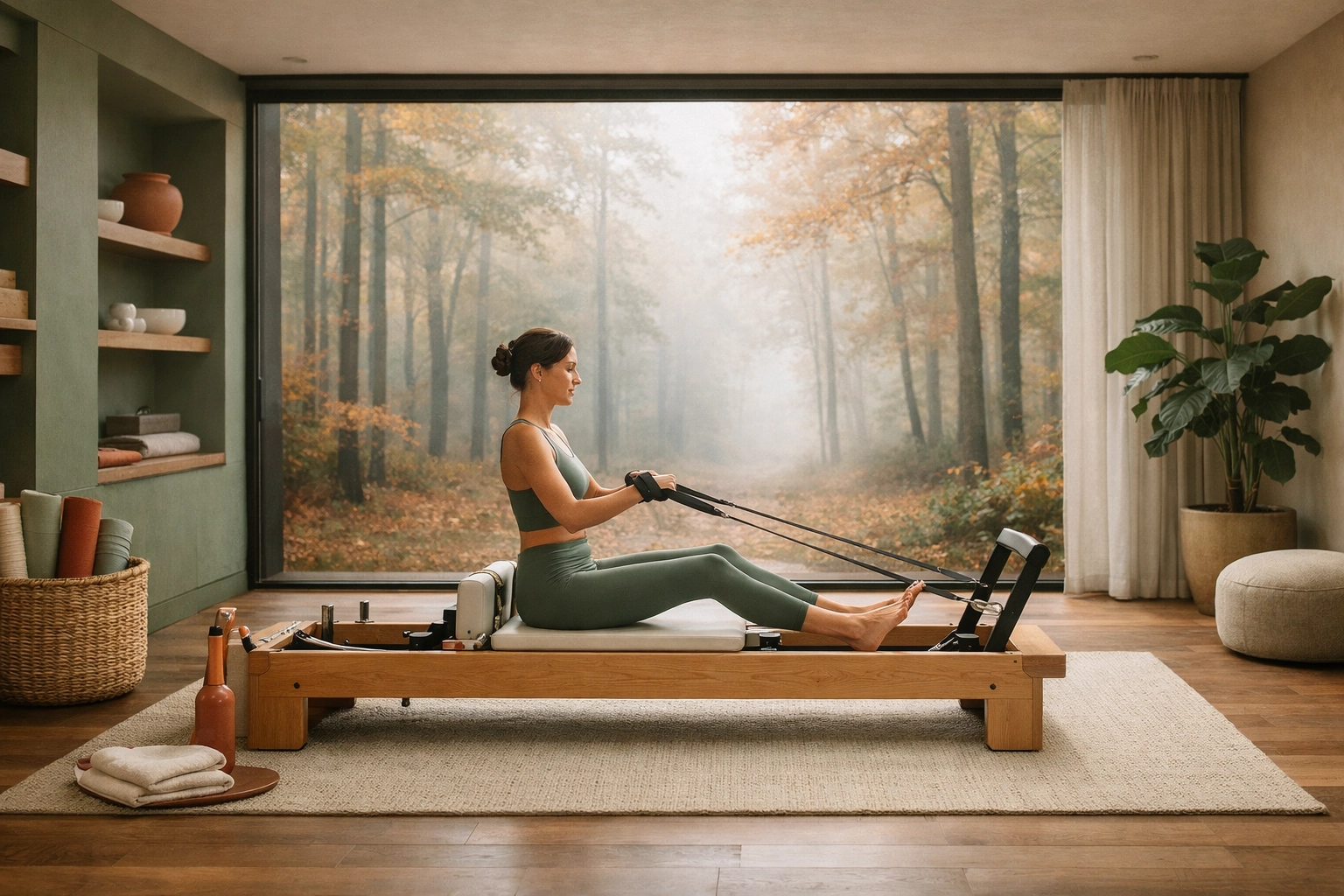
- Late Luteal (PMS week): Switch to Pilates, Barre, or mobility work.
- The Science: Progesterone makes it harder for the body to access glucose, meaning you’ll hit "the wall" faster during high-intensity exercise. Stick to aerobic efforts where you can still hold a conversation.
Master Summary Table: The 2026 Cycle Syncing Blueprint
| Phase | Duration | Primary Hormone | Workout Goal | Recommended Activity |
|---|---|---|---|---|
| Menstrual | Days 1-5 | Low All | Recovery | Yoga, Walking, Breathwork |
| Follicular | Days 6-12 | Estrogen (Rising) | Strength / Skill | Heavy Lifting, HIIT, New Skills |
| Ovulatory | Days 13-15 | Estrogen (Peak) | Max Power | PR Attempts, Sprinting |
| Luteal | Days 16-28 | Progesterone | Endurance / Form | Zone 2, Pilates, Mobility |
Does Science Back This Up? (The 2026 Reality Check)
It’s important to be honest: the clinical research on cycle syncing is still evolving. A landmark 2024 study involving 120 female athletes found that while Muscle Protein Synthesis (MPS) stays relatively stable across the cycle, recovery markers significantly lag during the late luteal phase.
This means you can build muscle at any time of the month, but the cost of building that muscle is higher when progesterone is high. Cycle syncing isn't about what you can’t do; it’s about what you should do to prevent burnout and injury.
What if you’re on Hormonal Birth Control?
If you are on the pill, your natural hormonal fluctuations are suppressed and replaced by a steady dose of synthetic hormones. While you won't experience the same dramatic peaks and valleys, many women still find value in a "de-load" week during their placebo pill days to allow for systemic recovery.
3 Practical Steps to Start Today
- Track Beyond the Bleed: Don't just track when your period starts. Use an app or a journal to track your energy, mood, and strength levels daily. Within three months, you’ll see your own unique pattern.
- The "Two-Click" Rule: If you’re in your luteal phase and a workout feels like a 9/10 difficulty when it should be a 6/10, "click" the intensity down. Lower the weight or slow the pace.
- Adjust Your Nutrition:
- Follicular: Focus on fermented foods and cruciferous vegetables to help the liver metabolize estrogen.
- Luteal: Increase your intake of healthy fats and complex carbs to support the metabolic shift and curb cravings.
Conclusion: Reclaiming Your Rhythm
Cycle syncing is the ultimate form of bio-individual fitness. In a world that demands 100% effort 100% of the time, choosing to slow down during your menstrual phase is a radical act of self-care. It’s about longevity. By training with your hormones, you reduce the risk of overtraining syndrome, keep your cortisol levels in check, and actually make more progress by being consistent over the long term.
Stop fighting your body. It has a roadmap: you just have to follow it.
About the Author
Malibongwe Gcwabaza is the CEO of blog and youtube, a leading digital platform dedicated to the intersection of longevity, high-performance fitness, and health technology. With a background in health optimization and a passion for data-driven wellness, Malibongwe has spent years advocating for personalized health strategies that move beyond "one-size-fits-all" advice. Through blog and youtube, he helps thousands of readers navigate the rapidly changing landscape of 2026 wellness with clarity, integrity, and scientific rigor.
About the Author