When we talk about breast health, the conversation usually starts and ends with screening. Mammograms, ultrasounds, and self-exams are vital, they are our primary tools for early detection. However, detection is not the same as prevention.
While genetics and age are factors we can’t change, current research suggests that roughly 30% to 40% of breast cancer cases are linked to modifiable lifestyle factors. This means that the choices you make in the kitchen, at the gym, and in your daily routine have a direct biological impact on your risk profile.
This guide dives into the "why" and "how" of breast cancer prevention, moving past the basic "eat well" advice to explore the metabolic and hormonal pathways that influence your long-term health.
The Biological Foundation of Prevention
To understand how lifestyle changes work, we have to look at how breast cancer often develops. Many breast cancers are hormone-sensitive, meaning they use hormones like estrogen and progesterone to grow. Others are driven by chronic inflammation or high levels of insulin-like growth factor (IGF-1).
By managing our lifestyle, we are essentially trying to "quiet" the environment in which a rogue cell might grow. We do this by:
- Lowering systemic inflammation.
- Balancing circulating hormone levels.
- Improving insulin sensitivity.
- Supporting DNA repair mechanisms.
1. Weight Management and the Adipose-Estrogen Connection
Maintaining a healthy weight is perhaps the most significant lifestyle factor for post-menopausal breast health.
Before menopause, the ovaries produce most of a woman’s estrogen. After menopause, when the ovaries stop, fat tissue (adipose tissue) becomes the primary source of estrogen through a process called aromatization. If a person has excess body fat, they likely have higher circulating levels of estrogen, which can stimulate the growth of hormone-receptor-positive breast cancer cells.
The Impact of Sustained Weight Loss
Research has shown that for women over 50, losing just 10 pounds and keeping it off can reduce breast cancer risk by up to 25%. This isn't about chasing a specific "bikini body", it’s about reducing the metabolic activity of fat tissue.

Key Metabolic Indicators to Watch:
| Metric | Target Range | Why it Matters |
|---|---|---|
| BMI | 18.5 – 24.9 | General indicator of systemic fat-to-height ratio. |
| Waist-to-Hip Ratio | < 0.85 | High abdominal fat is linked to metabolic syndrome and higher inflammation. |
| Fast Glucose | < 100 mg/dL | Lower insulin levels reduce the "growth signals" sent to cells. |
2. Physical Activity: More Than Just Calorie Burning
Exercise is a powerful "drug" for breast health. It doesn't just help with weight management; it fundamentally changes your internal chemistry.
Regular physical activity lowers the levels of circulating estrogen and insulin. It also boosts the immune system, allowing your body to more effectively identify and destroy abnormal cells before they become a problem.
The Prescription for Prevention
To see a meaningful reduction in risk, aim for:
- Moderate Intensity: 150–300 minutes per week (brisk walking, cycling, swimming).
- Vigorous Intensity: 75–150 minutes per week (running, HIIT).
- Strength Training: At least twice a week. Building muscle improves glucose metabolism and insulin sensitivity.
A study published in the Journal of Clinical Oncology found that even post-diagnosis, physical activity significantly reduced the risk of recurrence and mortality. For prevention, the goal is to keep your "metabolic engine" running efficiently.

3. Precision Nutrition: Eating for Cellular Defense
There is no single "superfood" that prevents cancer, but a dietary pattern can create a hostile environment for cancer cells.
Fiber and Estrogen Clearance
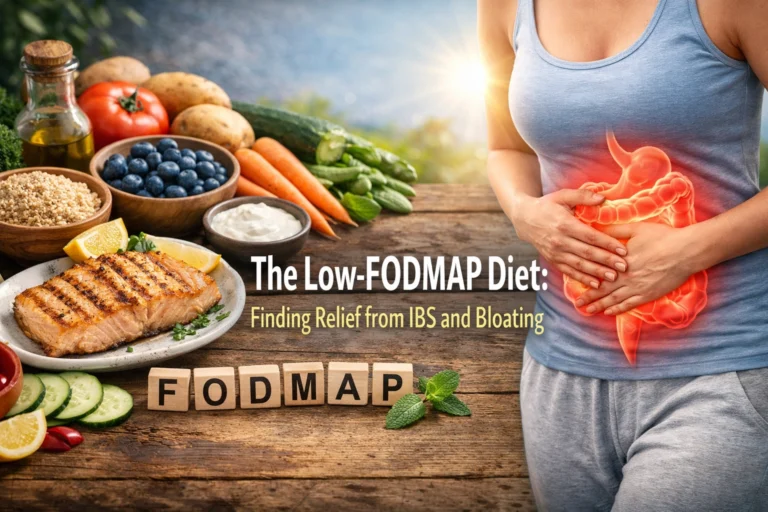
Fiber isn't just for digestion. It plays a critical role in hormone balance. In the gut, fiber binds to excess estrogen and helps escort it out of the body through waste. Without enough fiber, some of that estrogen can be reabsorbed into the bloodstream.
- Goal: 25–35 grams per day from whole grains, legumes, and cruciferous vegetables.
The Power of Cruciferous Vegetables
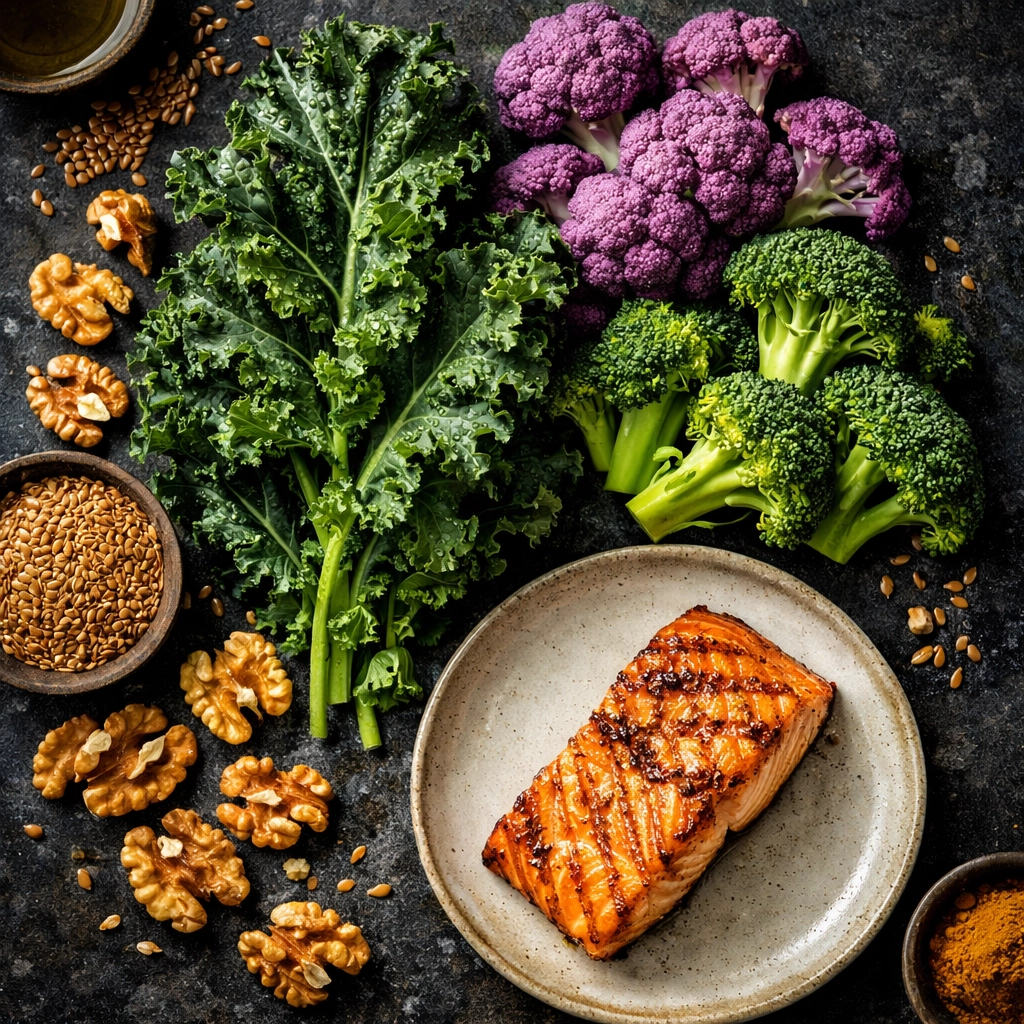
Broccoli, cauliflower, kale, and Brussels sprouts contain a compound called sulforaphane and indole-3-carbinol. These compounds have been shown in lab settings to help detoxify carcinogens and inhibit the growth of cancer cells.
Healthy Fats vs. Pro-inflammatory Fats
- Include: Omega-3 fatty acids found in fatty fish (salmon, sardines), walnuts, and flaxseeds. These help reduce systemic inflammation.
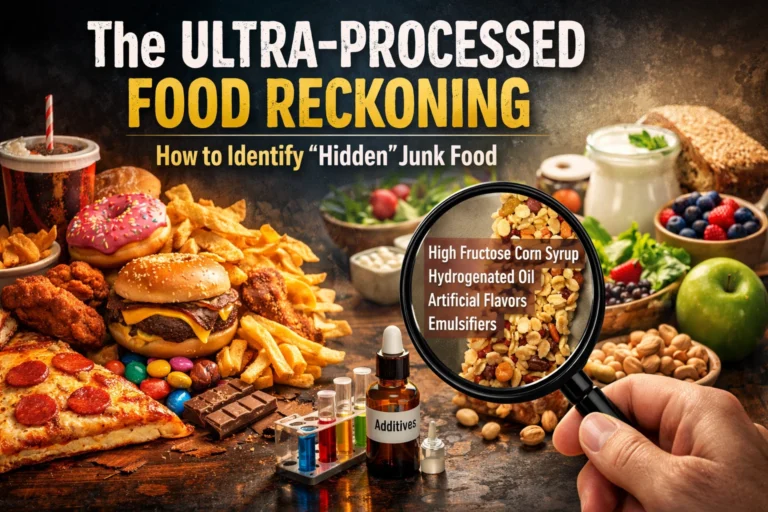
- Limit: Highly processed seed oils and trans fats, which can contribute to oxidative stress.
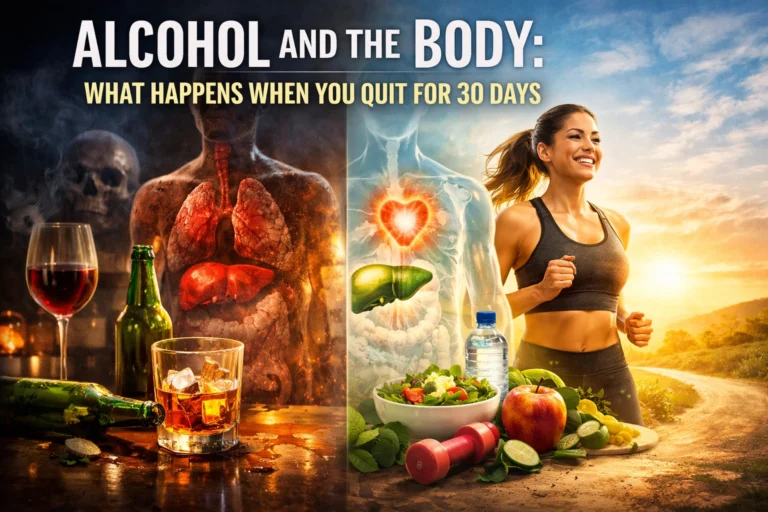
4. The Alcohol Link: A Hard Truth
If there is one lifestyle factor that many find surprising, it’s alcohol. There is a clear, dose-response relationship between alcohol consumption and breast cancer risk.
Alcohol can increase levels of estrogen and other hormones associated with hormone-receptor-positive breast cancer. It also damages DNA in cells by increasing oxidative stress.
- The Risk: Even 3–6 drinks a week can slightly increase the risk.
- The Recommendation: For those at high risk, the best amount is none. For others, limiting intake to fewer than three drinks per week is a significant preventative step.
5. Breastfeeding and Hormonal Reset
For those who have the opportunity, breastfeeding provides a protective effect. This is likely due to two reasons:
- Differentiation: During pregnancy and breastfeeding, breast cells undergo a process of maturation (differentiation) that may make them more resistant to mutations.
- Menstrual Suspension: Breastfeeding delays the return of regular menstrual cycles, reducing the lifetime exposure to estrogen.
Studies suggest that for every 12 months a woman breastfeeds (total across all children), her risk of breast cancer decreases by about 4%.
6. Environmental Factors and Circadian Rhythm
While we often focus on what we eat, when we sleep and what we touch also matters.
Sleep and Melatonin
Melatonin is more than a sleep hormone; it’s an antioxidant. Disruptions in the circadian rhythm, often seen in night-shift workers, have been linked to higher breast cancer rates. Aim for 7–9 hours of quality sleep in a dark room to maximize natural melatonin production.
Endocrine Disruptors
Be mindful of Xenoestrogens. These are synthetic chemicals found in some plastics (BPA), pesticides, and cosmetics (parabens/phthalates) that can mimic estrogen in the body.
- Action Tip: Switch to glass or stainless steel food containers and choose "fragrance-free" or "paraben-free" personal care products where possible.

Summary Action Plan
To move beyond screening and into active prevention, focus on these five pillars:
- Maintain a healthy weight: Focus on body composition and reducing visceral (belly) fat.
- Move daily: Aim for a mix of zone 2 cardio and strength training.
- Fiber-forward diet: Prioritize plants, especially cruciferous vegetables and legumes.
- Limit alcohol: Keep consumption to a minimum or eliminate it entirely.
- Environmental awareness: Prioritize sleep and reduce exposure to endocrine-disrupting chemicals.
Frequently Asked Questions (FAQ)
Q: Can supplements replace a good diet for prevention?
A: No. While Vitamin D and Omega-3 supplements may have benefits, the synergistic effect of whole foods (fiber, polyphenols, and vitamins) is much more effective than isolated supplements.
Q: Does stress cause breast cancer?
A: While there is no direct evidence that stress causes cancer, chronic stress leads to high cortisol and inflammation, which can weaken the immune system’s ability to surveil for abnormal cells.
Q: Is organic food necessary?
A: While reducing pesticide exposure is beneficial, the most important thing is eating more vegetables and fruits, whether they are organic or conventional.
Author Bio: Malibongwe Gcwabaza
Malibongwe Gcwabaza is the CEO of blog and youtube, a leading digital platform dedicated to simplifying complex health and wellness topics. With a focus on data-driven insights and evidence-based lifestyle modifications, Malibongwe advocates for a proactive approach to health that combines modern medical screening with rigorous preventative habits. Under his leadership, the platform has become a trusted resource for millions seeking to bridge the gap between clinical research and daily living.
About the Author