For decades, the concept of "detox" was relegated to the world of overpriced green juices and questionable foot pads. In 2026, the conversation has fundamentally shifted. We no longer talk about flushing toxins with liquids; we talk about autophagy: the body’s innate, highly sophisticated cellular recycling program.
Autophagy (from the Greek auto "self" and phagy "to eat") is the process by which your cells break down and clean out damaged components, misfolded proteins, and dysfunctional organelles. As of this year, clinical breakthroughs have moved autophagy from a theoretical biological concept to a measurable, actionable pillar of longevity science.
This guide explores the definitive 2026 research on how fasting triggers this "self-eating" process and how you can optimize your lifestyle to maximize cellular renewal.
The Biological Garbage Disposal: How Autophagy Works
At its core, autophagy is a survival mechanism. When the body senses a lack of external nutrients, it turns inward to find fuel. It doesn't just burn fat; it targets the "junk" within your cells first.
The process involves several key players:
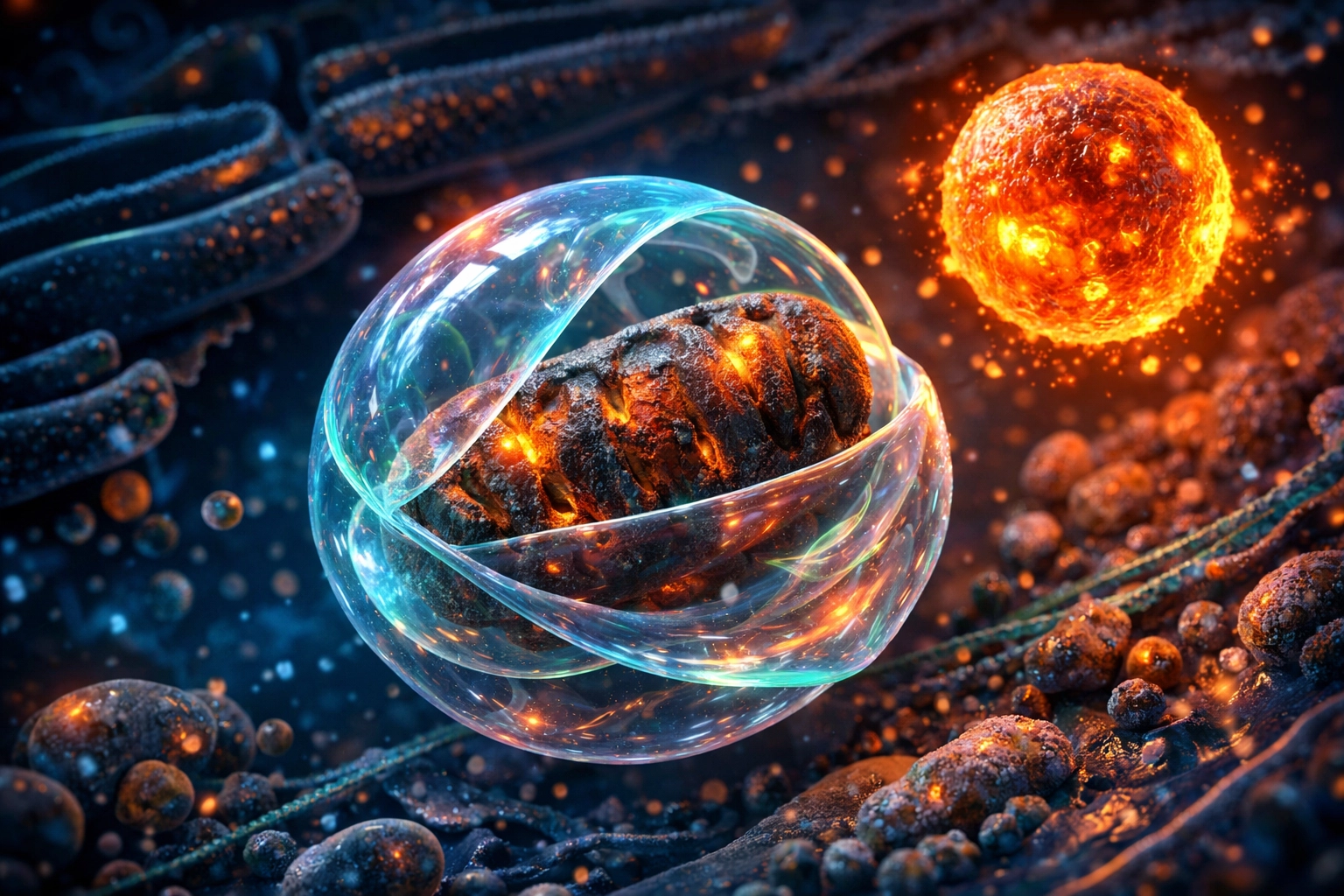
- Phagophore: A double-membrane structure that forms around the cellular waste.
- Autophagosome: The completed "trash bag" that sequesters the waste.
- Lysosome: The "incinerator" that fuses with the autophagosome and uses enzymes to dissolve the contents.
- Recycled Nutrients: The raw materials (amino acids, fatty acids) released back into the cell for energy or the construction of new parts.
2026 Research Update: Measuring "Autophagic Flux" in Humans
One of the biggest hurdles in previous years was our inability to prove autophagy was happening in living humans without invasive biopsies. That changed with the landmark 2025 human clinical trials published in GeroScience.
Researchers from Cedars-Sinai and UT Health San Antonio successfully utilized blood markers: specifically the LC3B-II/LC3B-I protein ratios: to measure "autophagic flux." This represents the actual rate at which cells are cleaning themselves in real-time.
Key Findings from the 2026 Clinical Landscape:
- The Fasting Mimicking Diet (FMD) Success: A trial involving 30 healthy adults demonstrated that a structured 5-day FMD increased autophagy markers significantly more than simple calorie restriction.
- Metabolic Markers: Participants showed a simultaneous drop in fasting glucose and a 25% increase in insulin sensitivity, suggesting that autophagy and metabolic flexibility are inextricably linked.
- Organ-Specific Renewal: Preliminary 2026 data indicates that while the liver responds to autophagy cues within 16–24 hours, neuronal autophagy (in the brain) may require more specific, cyclical triggers.
The mTOR vs. AMPK Tug-of-War
To understand how to trigger autophagy, you must understand the two primary nutrient-sensing pathways in your body: mTOR and AMPK.
- mTOR (Mammalian Target of Rapamycin): The "growth" switch. When you eat protein or carbohydrates, mTOR is activated. It tells the cell to build, grow, and divide. While mTOR is necessary for muscle growth, its constant activation inhibits autophagy.
- AMPK (AMP-activated Protein Kinase): The "energy sensor" switch. When cellular energy is low (during exercise or fasting), AMPK is activated. It tells the cell to stop growing and start cleaning.
AMPK is the primary biological "on" switch for autophagy. In 2026, the goal for longevity-focused individuals is to achieve a healthy "cycling" between these two states: growth and repair.
How to Trigger Autophagy: A Comparison of 2026 Protocols
Not all fasting is created equal. The duration and intensity of the fast dictate the depth of the cellular cleanup.
| Protocol | Duration | Estimated Autophagy Impact | Best For |
|---|---|---|---|
| Time-Restricted Feeding (16:8) | 16 hours | Minimal / Maintenance | Daily metabolic health |
| One Meal a Day (OMAD) | 22-23 hours | Moderate | Fat loss and gut rest |
| Fasting Mimicking Diet (FMD) | 5 days (Low calorie) | High / Systemic | Cellular renewal without "starvation" |
| Prolonged Water Fasting | 48-72 hours | Very High / Deep Tissue | Immune system "reboot" |
The "Sweet Spot" for Most Adults
According to the latest 2026 consensus, a 48-hour fast performed once per quarter, combined with a daily 18:6 time-restricted window, provides the optimal balance of systemic autophagy and muscle mass preservation.

Specific Benefits of Enhanced Autophagy
1. Neuroprotection and Cognitive Longevity
Aggregates of misfolded proteins, such as amyloid-beta and tau, are hallmarks of neurodegenerative diseases. 2026 research suggests that intermittent deep autophagy can help clear these aggregates before they form permanent plaques. This is the primary reason fasting is now being studied as a preventative measure for Alzheimer’s.
2. Immune System Rejuvenation
Prolonged fasting (72 hours) has been shown to trigger a "hematopoietic stem cell-based regeneration" of the immune system. By clearing out old, "senescent" (zombie) white blood cells, the body is forced to produce new, more effective immune cells.
3. Metabolic Flexibility
By forcing the body to switch from glucose to ketones (a state called ketosis), autophagy helps "re-train" mitochondria. This reduces oxidative stress and makes your cells more efficient at producing energy from both fat and carbs.
Beyond Fasting: Adjuvants for Cell Renewal
While fasting is the most potent trigger, 2026 science has identified several "autophagy enhancers" that can support the process:
- Spermidine: A natural polyamine found in wheat germ and aged cheese that directly stimulates autophagy pathways.
- High-Intensity Interval Training (HIIT): Mechanical stress on muscle cells induces localized autophagy to repair damaged proteins.
- Polyphenols: Compounds like Resveratrol and Curcumin have been shown to modulate the AMPK/mTOR pathway, though they are secondary to fasting itself.
- Coffee: Interestingly, both caffeinated and decaffeinated coffee have been shown in animal models to induce autophagy via the inhibition of mTOR.
Safety and Limitations: The 2026 Perspective
Despite the excitement, autophagy is not a "more is always better" situation. Excessive autophagy can theoretically lead to muscle wasting (sarcopenia) or even heart tissue damage if the body is starved for too long.
Who should avoid deep autophagy protocols?
- Pregnant or breastfeeding women.
- Individuals with a history of eating disorders.
- Type 1 Diabetics or those on insulin (unless medically supervised).
- The elderly (over 75) who are at high risk for muscle loss.

Conclusion: The Future of Precision Autophagy
As we move through 2026, we are entering the era of Precision Autophagy. We are moving away from the "one-size-fits-all" approach of skipping meals and toward personalized protocols based on real-time blood markers.
The science is clear: periodic cellular "housecleaning" via fasting is one of the most effective, zero-cost tools we have for extending healthspan. By strategically inhibiting mTOR and activating AMPK, you aren't just losing weight: you are rebuilding your biology from the inside out.
About the Author: Malibongwe Gcwabaza
CEO, Blog and YouTube
Malibongwe Gcwabaza is the founder and CEO of "blog and youtube," a leading platform dedicated to high-level health optimization and bio-monitoring. With a background in metabolic health advocacy and a passion for data-driven wellness, Malibongwe focuses on bridging the gap between complex clinical research and actionable lifestyle interventions. Under his leadership, the platform has become a primary resource for those seeking to navigate the rapidly evolving landscape of 2026 longevity science. Malibongwe is a firm believer in the "Centenarian Decathlon": training today for the physical and cognitive health required to live vibrantly at 100.
About the Author