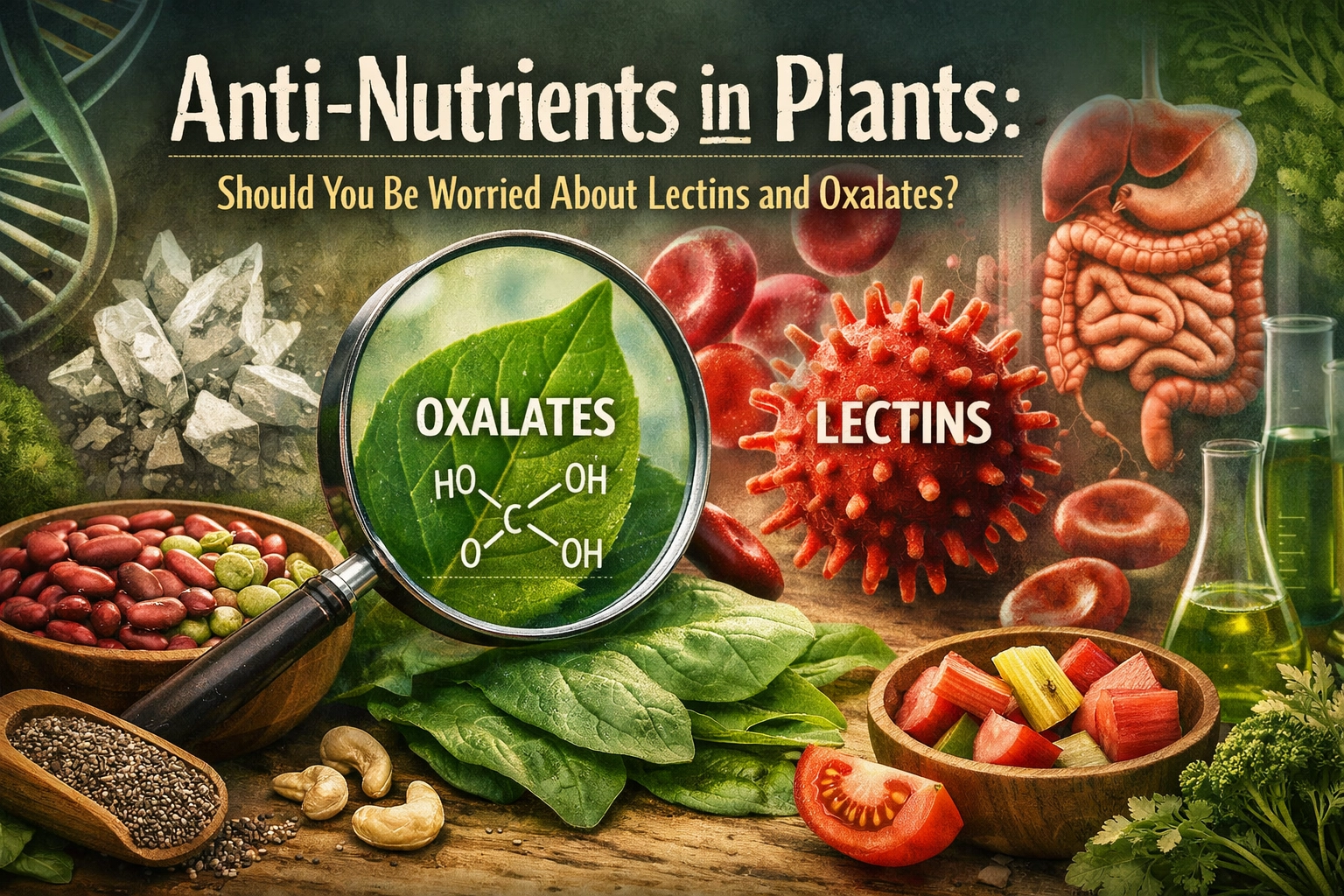
In the wellness world of 2026, we’ve moved past the era of "superfood" worship and into a more nuanced understanding of bio-individuality. One of the most heated debates remaining is the "anti-nutrient" conversation. For years, social media influencers and niche diet proponents have labeled compounds like lectins and oxalates as "plant poisons," claiming they are responsible for everything from systemic inflammation to leaky gut syndrome.
But if these compounds are so dangerous, why are the world’s healthiest populations, those living in Blue Zones, consuming the highest amounts of beans, grains, and leafy greens?
This deep dive separates the clinical reality from the marketing hype. We’ll look at the molecular mechanisms of anti-nutrients, the data-driven benefits they offer, and how you can optimize your preparation methods to enjoy the benefits of plants without the digestive baggage.
What Are Anti-Nutrients, Anyway?
Anti-nutrients are naturally occurring compounds found in plant foods. From an evolutionary perspective, they serve as a defense mechanism. Because plants can’t run away from predators, they use chemical warfare to discourage insects, fungi, and mammals from eating their seeds and leaves.
In the human body, these compounds can interfere with the absorption of vitamins and minerals. However, calling them "toxins" is a massive oversimplification. In many cases, the "stress" these compounds put on our system acts as a form of hormesis: a low-level stress that actually triggers the body to become stronger and more resilient.
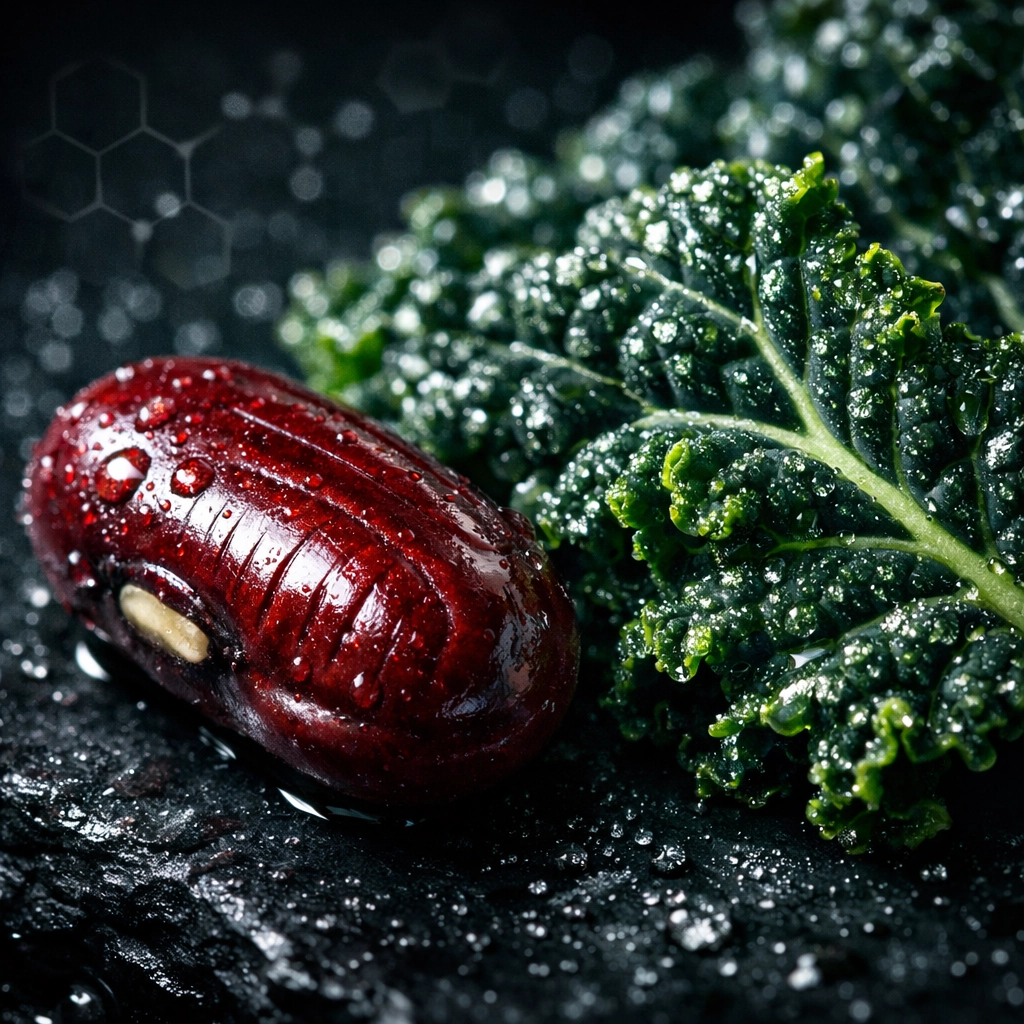
1. The Lectin Legend: Fact vs. Fiction
Lectins are a type of protein that binds to carbohydrates. They are found in high concentrations in legumes (beans, peanuts, soybeans), nightshades (tomatoes, potatoes, peppers), and whole grains.
The Argument Against Lectins
Critics of lectins argue that because they are "sticky" molecules, they can attach to the lining of the digestive tract. In theory, this can disrupt the tight junctions of the gut wall, leading to increased intestinal permeability (leaky gut) and triggering an immune response.
The Scientific Reality
While raw, uncooked kidney beans contain a lectin called phytohaemagglutinin that is genuinely toxic and can cause severe food poisoning, nobody eats raw kidney beans. Research shows that:
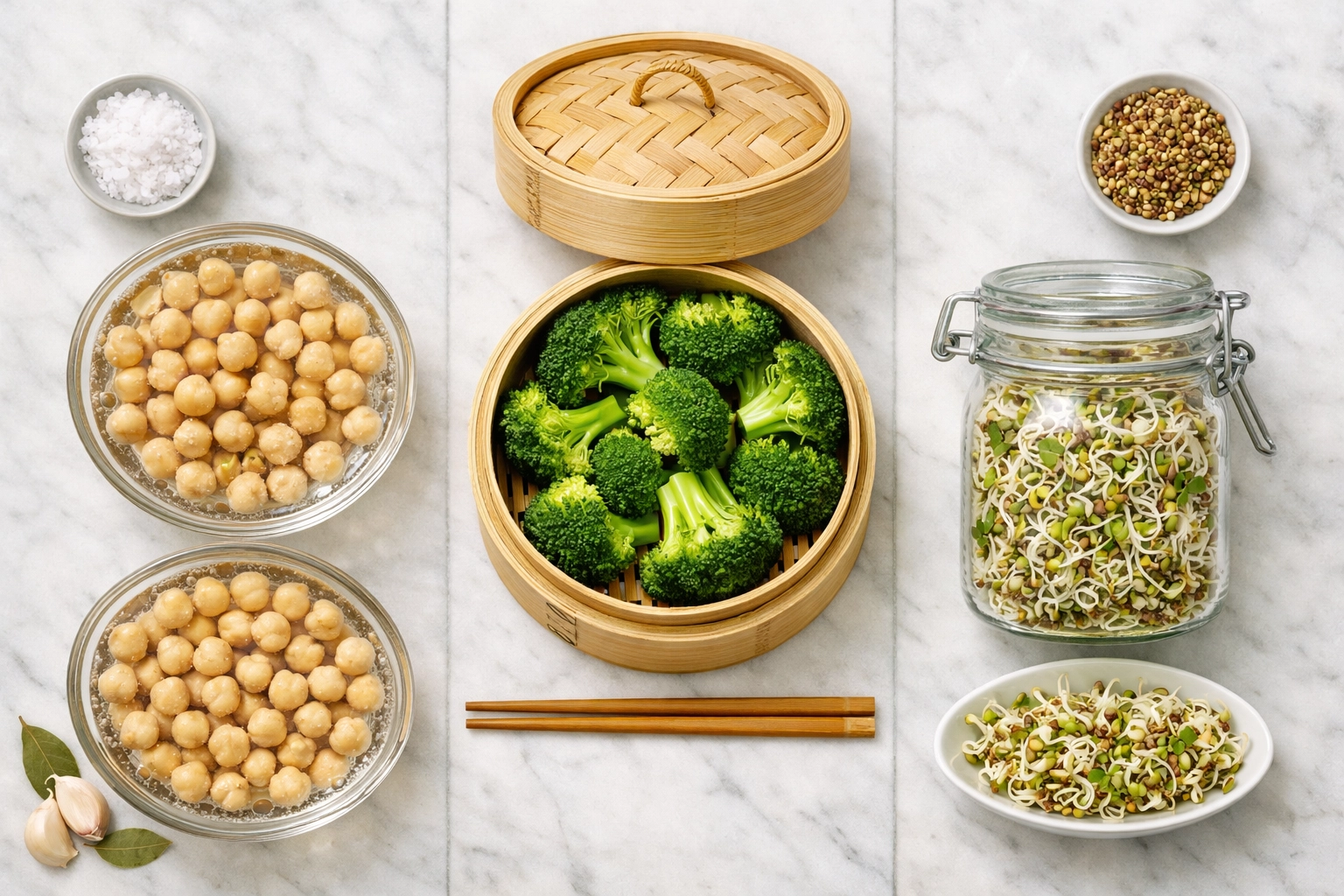
- Cooking is the Great Equalizer: Boiling beans for as little as 10 minutes reduces lectin activity to undetectable levels.
- Antioxidant Properties: In low doses, some lectins have been shown to have anti-cancer properties by inhibiting the growth of tumor cells.
- Metabolic Health: Lectins slow down the digestion of carbohydrates, which can lead to a lower glycemic response: a major win for metabolic flexibility.
2. Oxalates: The Kidney Stone Connection
Oxalates (oxalic acid) are found in high amounts in spinach, Swiss chard, beets, almonds, and rhubarb. Unlike lectins, which are mostly destroyed by heat, oxalates are more stable.
The Mechanism of Action
Oxalates bind to minerals like calcium in the digestive tract to form calcium oxalate. This is then excreted through stool or urine. The concern arises when oxalates bind to calcium in the kidneys, forming the most common type of kidney stones.
Should You Worry?
For 90% of the population, oxalates are not an issue. Your gut microbiome contains specific bacteria, such as Oxalobacter formigenes, which specifically evolve to break down oxalates. However, you should pay attention if:
- You have a history of kidney stones.
- You have severe fat malabsorption issues.
- You consume "hyper-doses" of raw spinach. (e.g., 2-lb spinach smoothies every morning).
Pro-Tip: If you love high-oxalate greens, eat them with a source of calcium (like cheese or yogurt). The oxalate will bind to the calcium in your gut rather than your kidneys, allowing you to pass it safely.

3. The Big Three: Phytates, Tannins, and Goitrogens
While lectins and oxalates get the most press, other anti-nutrients play a role in our nutrition:
- Phytates (Phytic Acid): Found in seeds, nuts, and grains. They bind to zinc, iron, and calcium. However, phytates are also potent antioxidants and have been linked to a reduced risk of kidney stones and certain cancers.
- Tannins: Found in tea, coffee, and wine. They can inhibit iron absorption. This is why it’s often recommended to drink your coffee between meals rather than with them if you are prone to anemia.
- Goitrogens: Found in cruciferous vegetables (broccoli, kale). They can interfere with iodine uptake in the thyroid. The catch? You would have to eat massive amounts of raw broccoli to see a clinical effect. Steaming them inactivates most goitrogens.
Data-Driven Insights: Preparation Matters
The "toxicity" of a plant is often a reflection of how it was prepared. Modern food processing has moved away from traditional methods that naturally neutralized anti-nutrients.
The following table shows how traditional preparation methods impact anti-nutrient levels based on 2026 nutritional benchmarks:
Reduction of Anti-Nutrients by Method
| Preparation Method | Targeted Anti-Nutrient | Estimated Reduction % |
|---|---|---|
| Soaking (12-24 hrs) | Phytates, Lectins | 20% – 50% |
| Boiling | Oxalates, Lectins | 30% (Oxalates) – 95% (Lectins) |
| Sprouting | Phytates, Protease Inhibitors | 50% – 80% |
| Fermentation | Phytates, Lectins | 80% – 95% |
| Pressure Cooking | Lectins (specifically) | 99% |
Why We Need These "Anti-Nutrients"
In a twist of biological irony, the very substances we call "anti-nutrients" often contribute to longevity.
A 2014 comprehensive review of over 300 meta-analyses found that diets rich in foods containing these compounds (like the Mediterranean diet) are consistently associated with lower rates of cardiovascular disease and Type 2 diabetes.
Benefits include:
- Enzyme Inhibition: Some anti-nutrients slow down starch-digesting enzymes, preventing the massive glucose spikes that drive insulin resistance.
- Chelation of Heavy Metals: Phytates can bind to excess iron and toxic minerals in the body, acting as a natural detoxifier.
- Immune Priming: Small amounts of lectins may "train" the immune system to recognize and attack foreign pathogens more effectively.
2026 Strategy: How to Optimize Your Intake
If you want to maximize the nutrient density of your diet while minimizing digestive distress, follow this 3-step protocol:
Step 1: Diversify Your Greens
Don't rely solely on spinach (high oxalate). Rotate in low-oxalate greens like kale, arugula, bok choy, and watercress. This prevents the accumulation of any single anti-nutrient.
Step 2: The "Soak and Sprout" Rule
If you eat grains and legumes, don't just take them from the bag to the pot. Soaking them overnight with a splash of apple cider vinegar or lemon juice activates the enzyme phytase, which breaks down phytic acid.
Step 3: Listen to Your Gut
Bio-individuality is real. If you feel bloated and fatigued every time you eat lentils, despite soaking and pressure cooking them, you may have a specific sensitivity. In 2026, we have access to advanced microbiome testing that can tell you exactly which bacteria you lack for breaking down specific plant fibers.
The Bottom Line
Should you be worried about anti-nutrients? For the vast majority of healthy individuals, the answer is a resounding no.
The health benefits of the fiber, phytonutrients, and vitamins found in beans, nuts, and greens far outweigh the potential mineral-binding effects of lectins and oxalates. Focus on traditional preparation methods, vary your food choices, and stop fearing the salad bowl. The only people who should be strictly limiting these compounds are those with specific medical conditions like chronic kidney disease or diagnosed autoimmune "flares" under the supervision of a clinical nutritionist.
Author Bio: Malibongwe Gcwabaza
Malibongwe Gcwabaza is the CEO of blog and youtube, a leading digital hub for health, wellness, and performance optimization. With over a decade of experience in health tech and lifestyle engineering, Malibongwe focuses on translating complex biochemical research into actionable habits for the modern professional. He is a staunch advocate for "evidence-based longevity" and believes that the future of fitness lies in the intersection of ancient wisdom and 2026 biotechnology. When not steering the company, he can be found experimenting with Zone 2 training and ancestral cooking techniques.
About the Author