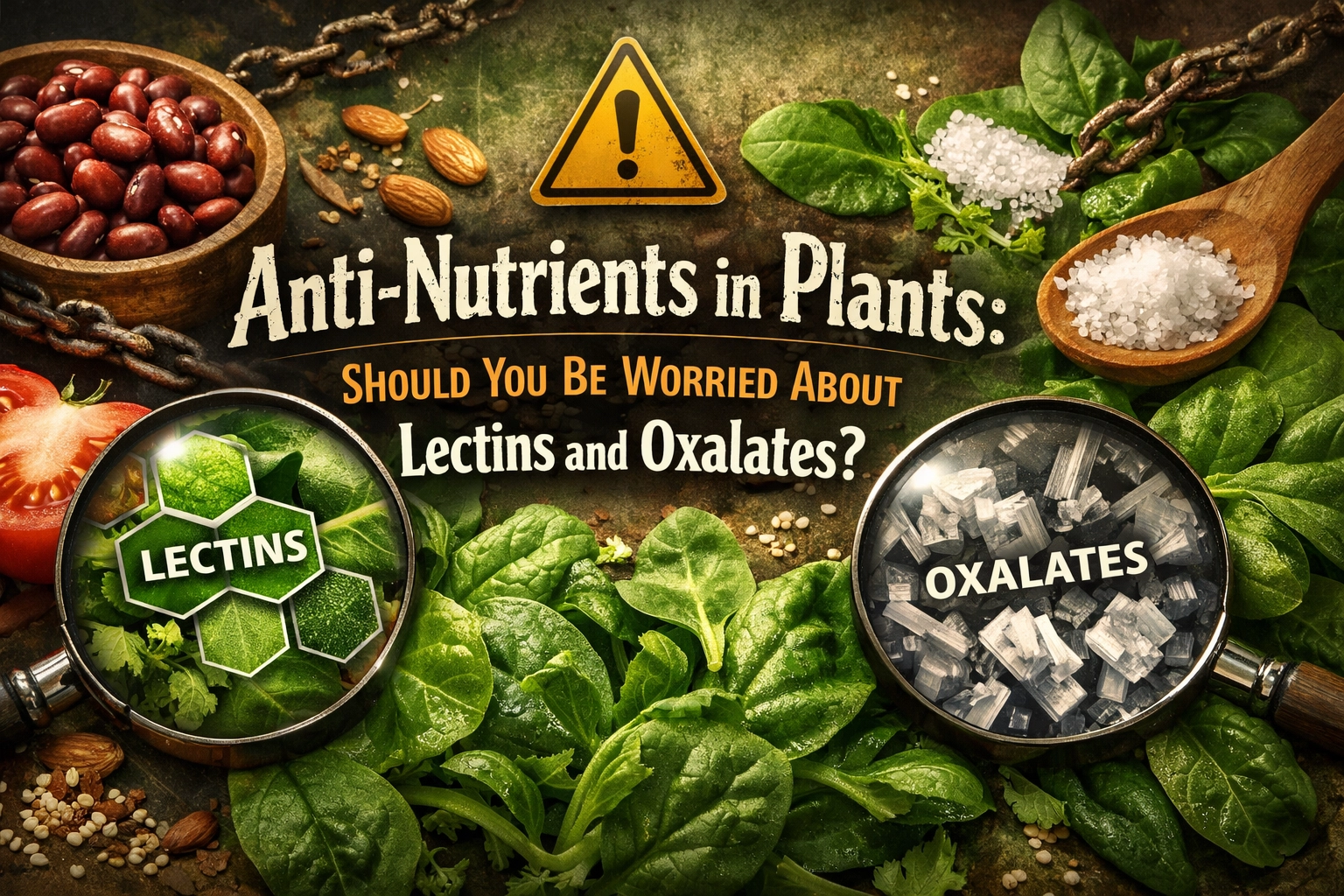
In the world of 2026 wellness, few topics trigger more debate than "anti-nutrients." If you spend any time on fitness forums or health podcasts, you’ve likely heard the warnings: lectins are "poking holes in your gut," and oxalates are "turning your joints into glass."
This movement, largely fueled by the rise of the Carnivore diet and various autoimmune protocols, suggests that the very plants we’ve been told are healthy: spinach, beans, whole grains: might actually be sabotaging our health. But as with most things in biology, the truth isn't found in a catchy headline. It’s found in the dose, the preparation, and your individual gut microbiome.
This guide is a deep dive into the science of lectins and oxalates. We’ll look at the data, explore how these compounds work at a molecular level, and determine if you actually need to clear out your pantry.
What Exactly Are Anti-Nutrients?
Plants are not passive organisms. Because they cannot run away from predators (insects, birds, or humans), they have evolved a sophisticated "chemical warfare" toolkit. Anti-nutrients are naturally occurring compounds produced by plants to discourage consumption by interfering with the digestion or absorption of nutrients in whoever eats them.
The most discussed anti-nutrients in 2026 are:
- Lectins: Proteins that bind to carbohydrates.
- Oxalates: Organic acids that bind to minerals.
- Phytates: Phosphorus storage molecules that can block mineral absorption.
- Tannins: Polyphenols that can interfere with protein digestion.
While "anti-nutrient" sounds scary, many of these compounds also function as antioxidants and have been shown to have anti-cancer properties. The "anti" part only tells half the story.
Part 1: Lectins: The "Sticky" Proteins
Lectins are a diverse family of carbohydrate-binding proteins. Think of them as microscopic "velcro." They are found in high concentrations in legumes (beans, lentils, peanuts), nightshades (tomatoes, potatoes, peppers), and whole grains.
The Theory of Harm
Critics of lectins, most notably Dr. Steven Gundry, argue that because lectins are "sticky," they bind to the lining of the small intestine. This is theorized to disrupt the tight junctions between cells, leading to intestinal permeability, commonly known as "Leaky Gut." Once the gut barrier is breached, lectins and other particles enter the bloodstream, potentially triggering an immune response and chronic inflammation.
The Scientific Reality
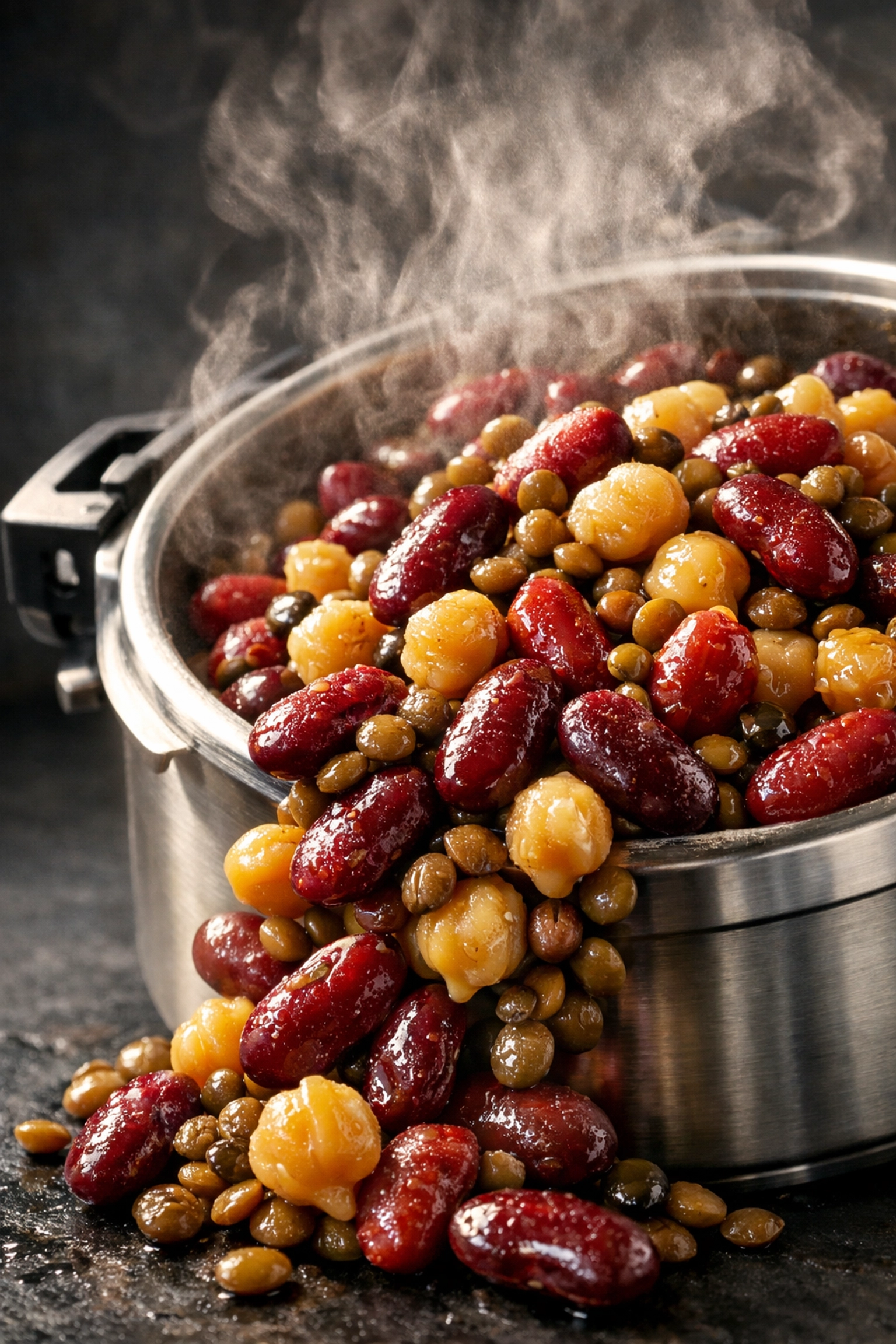
It is true that raw lectins can be toxic. A famous example is Phytohaemagglutinin (PHA), found in raw red kidney beans. Eating as few as five raw beans can cause severe nausea and vomiting.
However, humans rarely eat raw kidney beans. The table below illustrates how common preparation methods effectively neutralize lectin content:
| Food Item | Raw Lectin Activity (Units) | Prepared Lectin Activity | Method |
|---|---|---|---|
| Red Kidney Beans | 20,000 – 70,000 | < 400 | Boiling (10 mins) |
| Soybeans | High | Negligible | Fermentation (Tempeh) |
| Whole Wheat | Moderate | Very Low | Sprouting / Baking |
| Lentils | High | < 1% | Pressure Cooking |
2026 Data Insights
Large-scale epidemiological studies continue to show that populations with the highest intake of lectin-rich foods: specifically legumes: have the lowest rates of cardiovascular disease and type 2 diabetes. A 2014 meta-analysis encompassing 63 years of research confirmed that the fiber and polyphenols packaged with these lectins provide a net-positive effect on longevity.
Part 2: Oxalates: The Calcium Thieves
Oxalates (oxalic acid) are found in many of the "healthiest" foods, including spinach, rhubarb, almonds, beets, and cacao. Unlike lectins, oxalates don't bind to your gut lining; they bind to minerals, particularly calcium.
The Kidney Stone Connection
When oxalate binds to calcium in the digestive tract, it forms calcium oxalate. If this happens in the gut, the body usually excretes it through stool. However, if the oxalate remains "free" and enters the kidneys, it can bind with calcium in the urine to form calcium oxalate crystals: the most common type of kidney stone.
Beyond Stones: "Oxalate Dumping"
Recent wellness trends have popularized the idea of "systemic oxalate overload," claiming that oxalates can deposit in joints, skin, and even the eyes, causing chronic pain. While rare in people with healthy kidney function, this condition (hyperoxaluria) is a serious medical concern for those with specific genetic predispositions or gut malabsorption issues.
Who Should Be Concerned?
If you have a history of calcium oxalate kidney stones, a low-oxalate diet is a standard medical recommendation. For everyone else, the risk is significantly mitigated by your diet's mineral content.
The Calcium Rule: If you eat calcium-rich foods at the same time as high-oxalate foods (e.g., putting cheese on your spinach or milk in your tea), the oxalate binds to the calcium in your gut before it ever reaches your kidneys.
Part 3: The Role of the Microbiome (Your Secret Weapon)
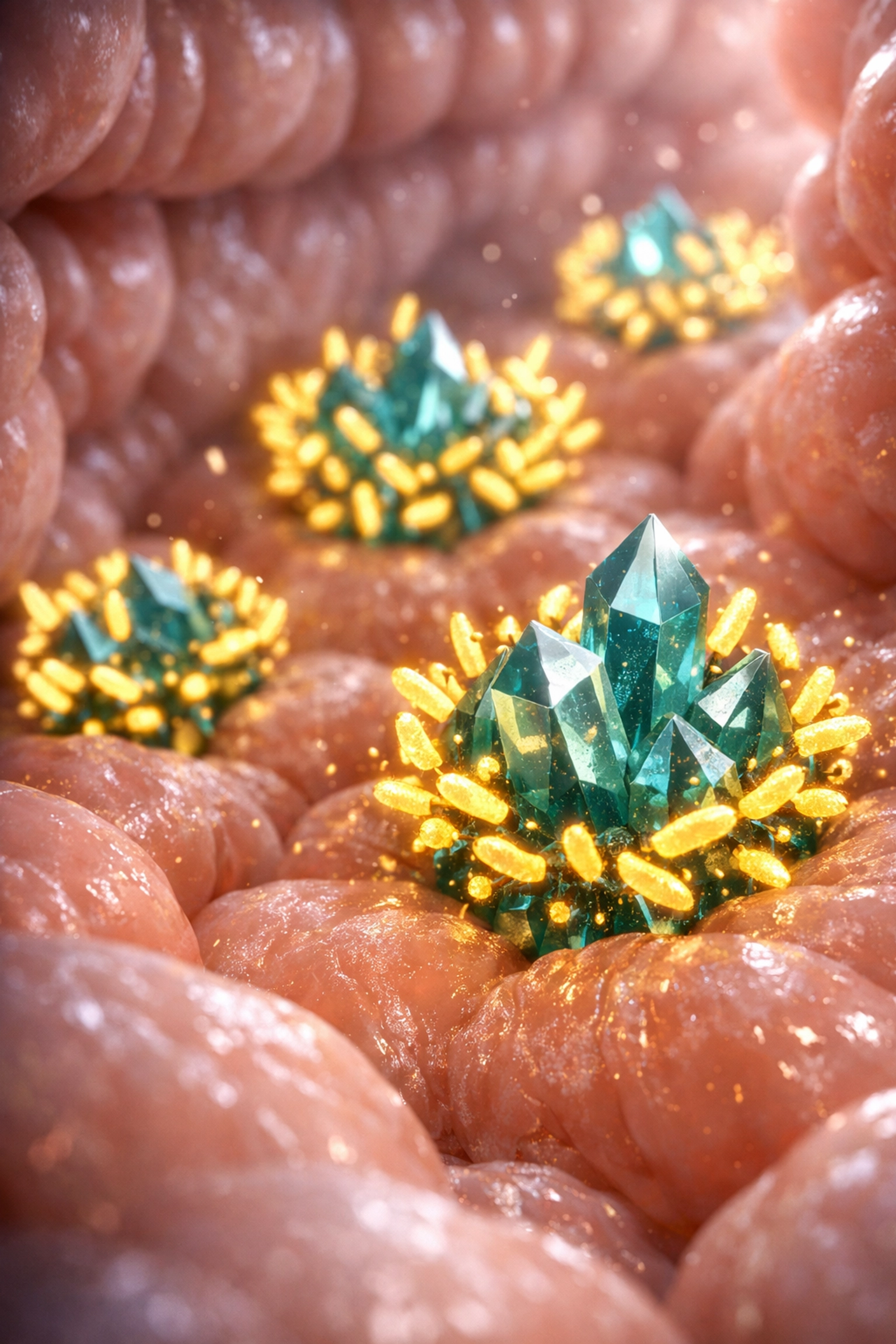
A fascinating area of 2026 research is the role of the gut microbiome in neutralizing anti-nutrients. We now know that humans aren't meant to digest these compounds alone; we have "hired" bacteria to do it for us.
For oxalates, a specific bacterium called Oxalobacter formigenes specializes in breaking down oxalic acid. People who have taken frequent courses of broad-spectrum antibiotics may have wiped out these specialized colonies, making them more sensitive to high-oxalate foods.
Similarly, certain strains of Lactobacillus and Bifidobacterium have been shown to produce enzymes that degrade lectins and phytates during the digestive process.
Part 4: Practical Strategies to Neutralize Anti-Nutrients
If you are concerned about anti-nutrients but want to keep the benefits of plant foods (fiber, vitamins, and minerals), you don't need to quit plants. You just need to respect the traditional preparation methods that our ancestors used for millennia.
1. The Power of the Soak and Boil
Soaking beans for 12–24 hours and discarding the water can reduce lectin and oxalate levels by up to 50–70%. Boiling further reduces these levels, as many anti-nutrients are water-soluble and heat-sensitive.
2. Pressure Cooking
Pressure cooking (think Instant Pot) is the "gold standard" for destroying lectins. The high heat and pressure break down the protein structure of even the toughest lectins found in beans and grains. Note: This does not work as effectively for oxalates, which are heat-stable.
3. Sprouting and Fermenting
Sprouting seeds and grains activates enzymes that break down phytates and lectins. Fermentation (like sourdough bread or miso) uses bacteria to "pre-digest" these compounds, making the nutrients more bioavailable.
4. Diversification
The biggest mistake is the "Mononutrient Trap." Eating five cups of raw spinach in a smoothie every single morning can lead to a massive oxalate load. By rotating your greens (using kale or arugula, which are lower in oxalates), you prevent any single anti-nutrient from building up.
Part 5: Comparing the "Risks" vs. Benefits
To get a clear picture, we must look at the "Nutritional ROI" (Return on Investment).
| Compound | Potential Risk | Proven Benefit |
|---|---|---|
| Lectins | Gut irritation (if raw) | Anti-tumor activity, immune stimulation |
| Oxalates | Kidney stones | High in Vitamin K, Folate, and Magnesium |
| Phytates | Reduced mineral absorption | Antioxidant, prevents calcification of arteries |
| Tannins | Reduced protein digestion | Cardioprotective, anti-inflammatory |
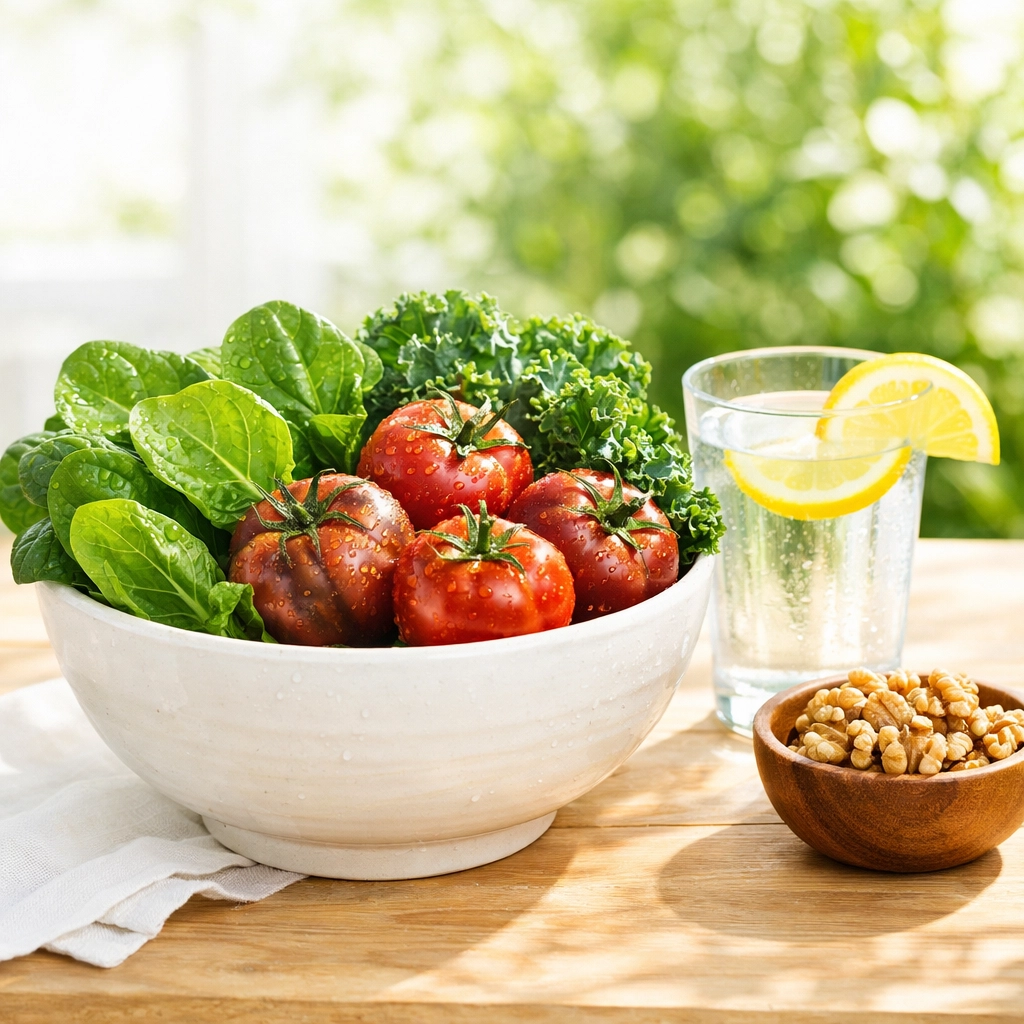
For the vast majority of the population, the risk of developing a chronic disease (heart disease, stroke, cancer) due to a lack of plant fiber and phytonutrients is exponentially higher than the risk of anti-nutrient toxicity.
The Verdict: Should You Worry?
In 2026, the consensus among metabolic health experts is that lectins and oxalates are not a concern for the general population eating a cooked, varied diet.
However, you should consider a low-lectin or low-oxalate trial if you fall into these specific categories:
- Chronic Kidney Issues: Especially a history of stones.
- Severe Autoimmune Disease: Where the gut barrier is already compromised.
- Persistent Digestive Distress: If you struggle with bloating or IBS despite a "healthy" diet, you may be sensitive to specific plant compounds.
For everyone else: Soak your beans, cook your greens, and enjoy your plants. The "war" on vegetables is largely a marketing tactic rather than a biological necessity.
Author Bio
Malibongwe Gcwabaza is the CEO of blog and youtube and a leading voice in the 2026 longevity movement. With a background in health tech and metabolic optimization, Malibongwe focuses on bridging the gap between clinical research and daily lifestyle habits. He believes that true health comes from understanding the "why" behind our biology, moving past wellness fads into data-driven vitality. When he’s not deep-diving into nutritional science, he’s experimenting with his own VO2 max and zone 2 training protocols.
References & Technical Insights
- Journal of Nutrition and Metabolism (2024): "The interaction of the gut microbiome and plant secondary metabolites."
- Clinical Kidney Journal (2025): "Prevalence of hyperoxaluria in modern dietary patterns."
- World Journal of Gastroenterology: "Lectins as a double-edged sword: From toxicity to therapeutics."
- Harvard T.H. Chan School of Public Health: "Anti-nutrients: Are they safe?"
About the Author