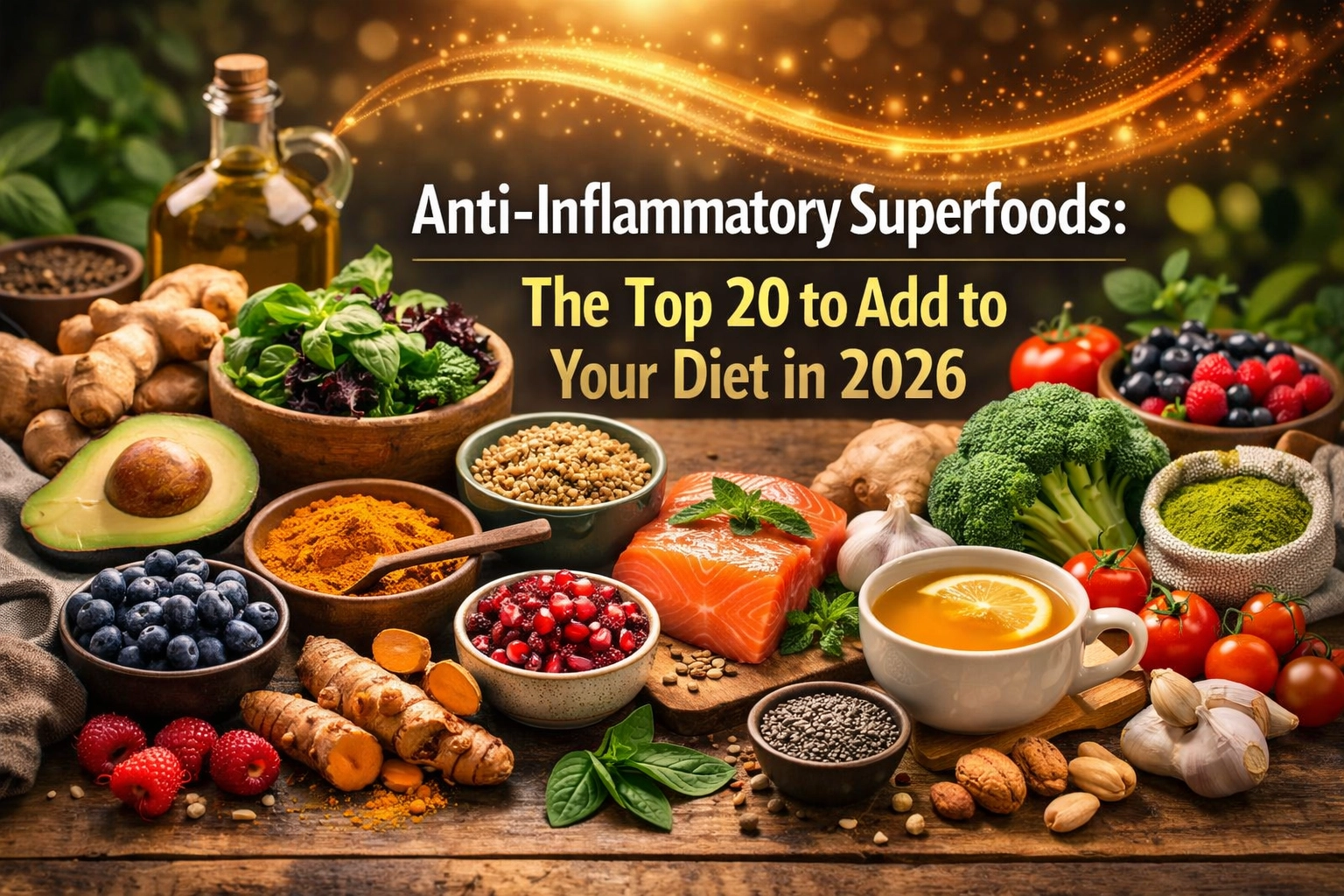
In 2026, the conversation around health has shifted from simply "not being sick" to "optimizing for longevity." At the heart of this shift is a singular biological villain: chronic inflammation. Often termed "inflammaging," this low-grade, systemic fire is a primary driver of everything from metabolic dysfunction to cognitive decline.
While the pharmaceutical industry continues to chase anti-inflammatory drugs, the most potent tools we have are found in the grocery aisle. But forget the generic "eat your greens" advice from a decade ago. We now have a deeper understanding of how specific phytonutrients interact with our DNA: a field known as nutrigenomics.
This guide breaks down the top 20 anti-inflammatory superfoods backed by the latest 2026 nutritional science, explaining exactly how they "quench the fire" at a cellular level.
Understanding the Inflammatory Cascade
Inflammation isn't inherently bad. Acute inflammation is your body’s tactical response to injury or infection. However, chronic inflammation occurs when your immune system loses its "off switch." This leads to an overproduction of pro-inflammatory cytokines (like IL-6 and TNF-alpha) and increased C-reactive protein (CRP) levels.
The superfoods listed below work by inhibiting these specific pathways, neutralizing oxidative stress, and supporting the gut barrier to prevent "leaky gut"-induced systemic inflammation.
The Top 20 Anti-Inflammatory Superfoods for 2026
1. Wild-Caught Sockeye Salmon (and Fatty Fish)
Fatty fish remain the gold standard because of their high concentration of EPA and DHA omega-3 fatty acids. By 2026, we’ve moved beyond just "heart health" to focusing on Specialized Pro-resolving Mediators (SPMs). These are compounds your body produces from fish oil that actively "resolve" the inflammatory process rather than just blocking it.
- Key Compound: Omega-3 fatty acids (EPA/DHA).
- Biological Mechanism: Inhibits the NF-kB pathway, a major "master switch" for inflammation.
2. Turmeric (with Piperine)
Turmeric’s active compound, curcumin, is a bioactive powerhouse. However, in 2026, we emphasize bioavailability. Curcumin is poorly absorbed unless paired with piperine (found in black pepper), which increases absorption by up to 2,000%.
- Key Compound: Curcuminoids.
- Practical Tip: Always consume with a fat source (like avocado or olive oil) to ensure it crosses the intestinal lining.
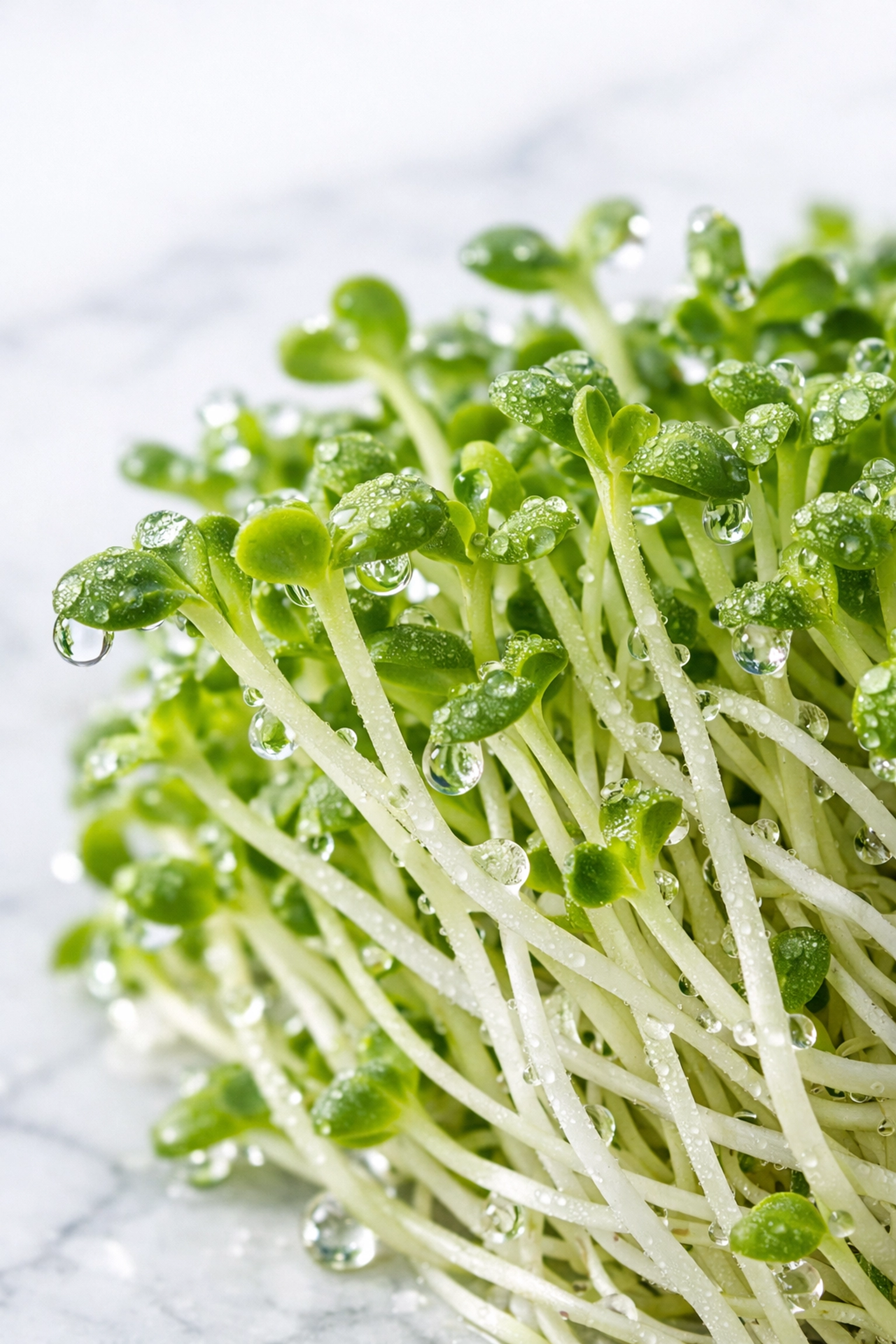
3. Broccoli Sprouts
While broccoli is great, its three-day-old sprouts are revolutionary. They contain up to 100 times the amount of glucoraphanin found in the mature plant. When chewed, this converts to sulforaphane, the most potent natural activator of the Nrf2 pathway: your body's primary antioxidant defense system.
- Key Compound: Sulforaphane.
- Benefit: Neutralizes carcinogens and reduces liver inflammation.
4. Extra Virgin Olive Oil (EVOO) – High Polyphenolic
Not all olive oil is created equal. In 2026, "Longevity Grade" oils are tested for their oleocanthal content. Oleocanthal works similarly to Ibuprofen, acting as a natural COX-inhibitor to reduce pain and systemic swelling.
- Key Compound: Oleocanthal and Hydroxytyrosol.
- Daily Dose: 2 tablespoons of high-phenolic EVOO daily.
5. Blueberries (Wild and Anthocyanin-Rich)
Blueberries are packed with anthocyanins, the pigments that give them their color. These compounds have been shown in 2026 clinical trials to improve insulin sensitivity and reduce neuroinflammation, potentially slowing the progression of cognitive decline.
- Unique Perspective: Wild blueberries have significantly higher antioxidant capacity than conventional "jumbo" store-bought varieties.
6. Matcha Green Tea
Matcha provides a concentrated dose of EGCG (epigallocatechin gallate). Unlike regular green tea, you are consuming the entire ground leaf, which provides a massive hit of polyphenols that protect your mitochondria from oxidative damage.
- Key Compound: EGCG.
- Science Update: Recent data suggests EGCG may help prevent the buildup of amyloid plaques in the brain.
7. Walnuts
Walnuts are the only nut with a significant amount of alpha-linolenic acid (ALA), a plant-based omega-3. They also contain unique polyphenols called ellagitannins, which gut bacteria convert into urolithins: compounds that help "clean up" damaged mitochondria (mitophagy).
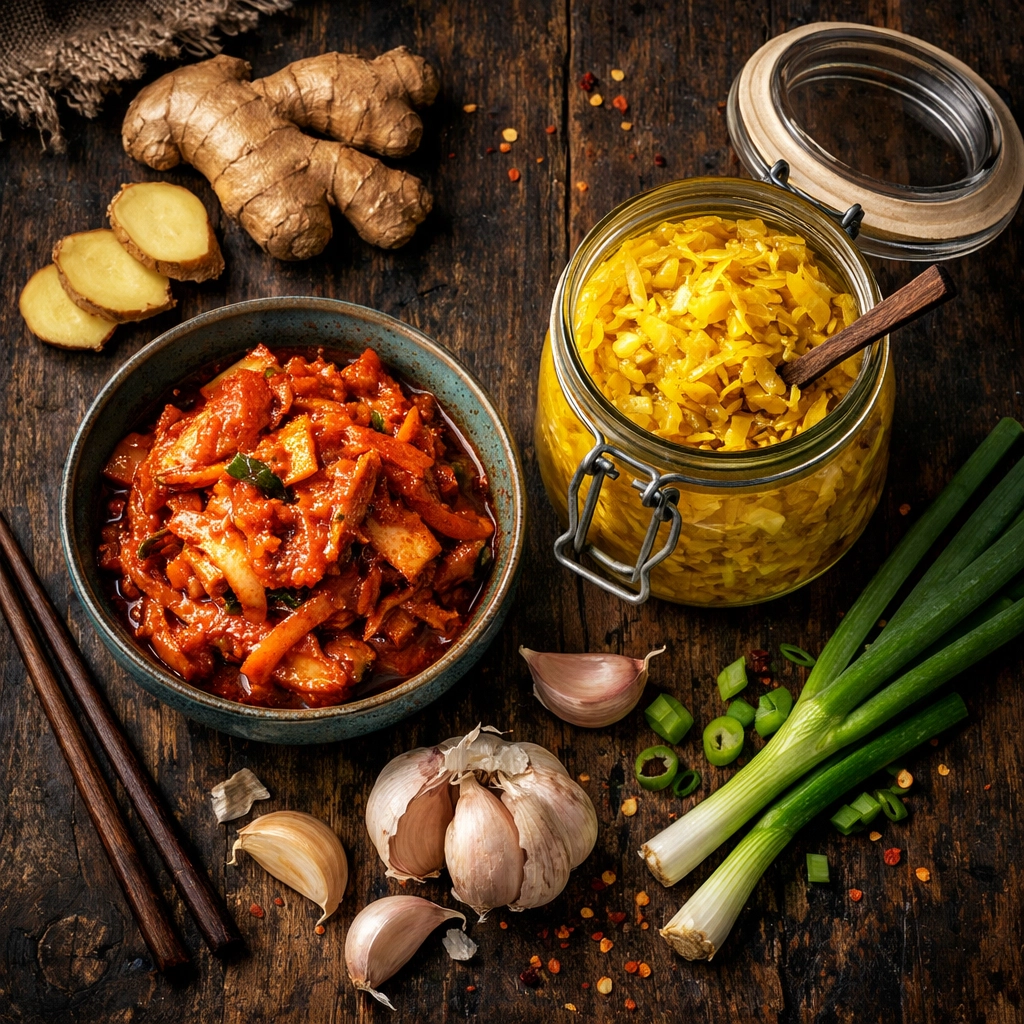
8. Fermented Kimchi and Sauerkraut
Inflammation often starts in the gut. By 2026, we recognize that "Postbiotics": the metabolic byproducts of healthy bacteria: are as important as the bacteria themselves. Kimchi provides a complex array of probiotics and organic acids that strengthen the gut-lining integrity.
- Benefit: Reduces "metabolic endotoxemia" (toxins leaking from the gut into the blood).
9. Tart Cherry Juice
Used extensively by hybrid athletes in 2026, tart cherry juice is rich in anthocyanins and melatonin. It significantly reduces muscle soreness and systemic CRP levels after intense physical exertion.
- Context: It's a natural alternative to NSAIDs for post-workout recovery.
10. Avocado
Avocados are more than just a source of healthy monounsaturated fats. They contain acetogenins, which have been shown to reduce inflammatory responses in skin cells exposed to UV radiation. They also help the body absorb carotenoids from other vegetables.
11. Ginger
Ginger contains gingerol and shogaol, which inhibit the production of nitric oxide and other pro-inflammatory cytokines. It is particularly effective for "gut-based" inflammation and nausea.
12. Dark Chocolate (85% Cocoa or Higher)
Cocoa flavanols are legendary for their ability to keep the endothelial lining (the "skin" of your blood vessels) healthy and flexible. This reduces vascular inflammation and lowers blood pressure.
- Requirement: Must be low-sugar and non-alkalized (non-Dutched) to retain the flavanols.
13. Mushrooms (Lion's Mane and Reishi)
Functional mushrooms are a staple of 2026 wellness. Reishi is often called the "immortality mushroom" because of its triterpenes, which modulate the immune system: calming it down when overactive and boosting it when suppressed.

14. Garlic
Garlic contains allicin, a sulfur compound that is activated when the clove is crushed or chopped. Allicin reduces the "stickiness" of the blood and lowers markers of chronic inflammation in the cardiovascular system.
15. Chia Seeds
High in fiber and ALA, chia seeds expand in the gut to form a gel. This slows the absorption of glucose, preventing the "insulin spikes" that lead to post-meal inflammation.
16. Kale and Swiss Chard
Leafy greens are rich in Vitamin K1 and lutein. In the context of 2026 research, Vitamin K is being highlighted for its role in preventing the calcification of arteries, a process driven by chronic inflammation.
17. Lentils and Black Beans
Legumes are a massive source of resistant starch. This starch isn't digested by you; it’s fermented by your gut microbes into Butyrate, a short-chain fatty acid that is arguably the most anti-inflammatory compound in the human body.
18. Pumpkin Seeds
A leading source of magnesium. Magnesium deficiency is a hidden driver of systemic inflammation; low magnesium levels are consistently correlated with high CRP levels in clinical populations.
19. Rosemary and Thyme
These culinary herbs are dense with rosmarinic acid. Adding them to meats before cooking can actually prevent the formation of inflammatory heterocyclic amines (HCAs) caused by high-heat grilling.
20. Bone Broth (Collagen-Rich)
While not a "plant" superfood, high-quality bone broth provides glycine and proline. Glycine is a limiting factor for the production of glutathione, your body’s "master antioxidant," which is essential for quenching systemic inflammation.
Comparative Analysis: Nutrient Density & Target Pathways
| Superfood | Primary Nutrient | Target Mechanism | Best Use Case |
|---|---|---|---|
| Fatty Fish | EPA / DHA | Resolution of Inflammation (SPMs) | Cardiovascular Health |
| Broccoli Sprouts | Sulforaphane | Nrf2 Pathway Activation | Liver & Cellular Detox |
| Turmeric | Curcumin | NF-kB Inhibition | Joint & Muscle Pain |
| Matcha | EGCG | Mitochondrial Protection | Cognitive Performance |
| Kimchi | Probiotics | Gut Barrier Reinforcement | Metabolic Health |
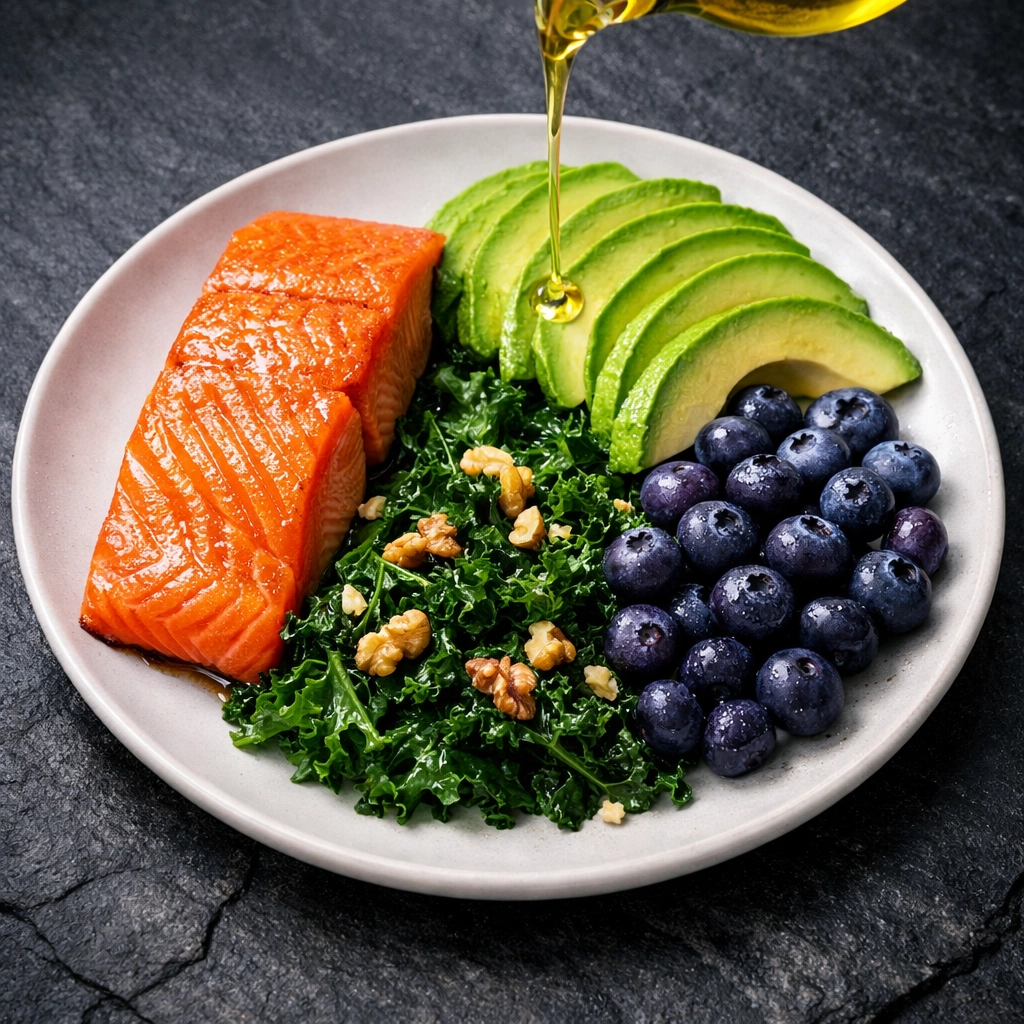
2026 Implementation: How to Build an Anti-Inflammatory Plate
The secret to 2026 nutrition isn't eating only these 20 foods, but rather using them as a "synergistic base."
- The "Crush and Wait" Rule: For garlic and cruciferous veggies, chop them and let them sit for 10 minutes before cooking. This allows the enzymatic reactions to create the anti-inflammatory compounds (allicin and sulforaphane).
- Stacking Bioavailability: Pair your leafy greens (Vitamin K) with avocado (Fat) to ensure absorption. Add black pepper to your turmeric-spiced lentils.
- The 80/20 Fiber Ratio: Aim for at least 30g of fiber daily, with a focus on resistant starch (beans/lentils) and prebiotic fibers (onions/garlic) to fuel butyrate production.
The Bottom Line
Chronic inflammation is the silent "rust" of the human body. While environmental factors like microplastics and stress contribute to this, your diet is the most consistent variable you can control. By integrating these 20 superfoods, you aren't just eating; you are performing biological maintenance. In the fitness landscape of 2026, the most impressive "gain" isn't a bicep measurement: it’s a low systemic inflammation score.
Author Bio: Malibongwe Gcwabaza
CEO of blog and youtube
Malibongwe Gcwabaza is a forward-thinking leader in the digital health and wellness space. With a focus on the intersection of biotechnology and practical longevity, Malibongwe advocates for a data-driven approach to human optimization. Under his leadership, "blog and youtube" has become a premier destination for high-authority health insights, helping readers navigate the complexities of 2026 medical research with simple, actionable strategies. Malibongwe is a proponent of "The Centenarian Decathlon," focusing on maintaining functional strength and low systemic inflammation for a century-long healthspan.
About the Author