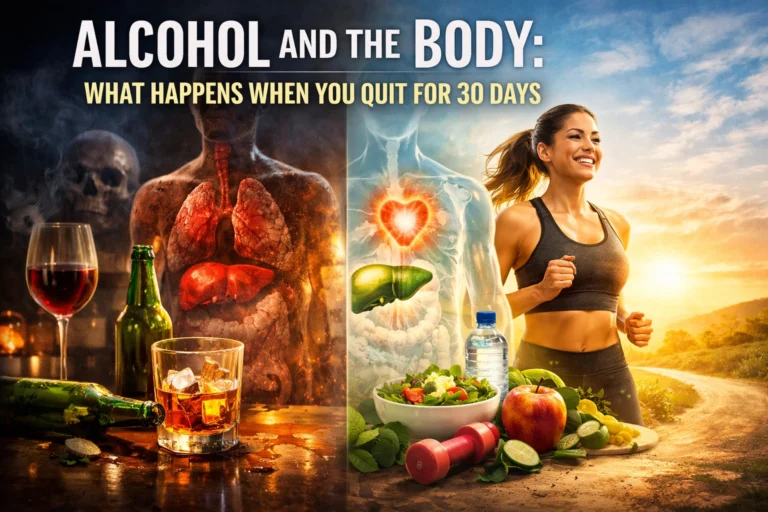
Choosing to step away from alcohol for 30 days: often popularized as "Dry January" or "Sober October": is more than just a social challenge. It is a physiological intervention. From the moment the last drop of ethanol leaves your system, your body initiates a complex series of repair mechanisms that touch almost every major organ system, from the neural pathways in your brain to the metabolic efficiency of your liver.
While many people approach a 30-day hiatus looking for a "reset," the actual biological shifts are profound. Here is a technical deep dive into the 720-hour journey of alcohol cessation and what is happening under the hood.
The Ethanol Exit: The First 72 Hours
The first three days are the most volatile. Alcohol is a central nervous system depressant that works primarily by enhancing the effects of GABA (the brain's primary inhibitory neurotransmitter) and inhibiting glutamate (the brain's primary excitatory neurotransmitter). When you stop drinking, this delicate balance is thrown into chaos.
Days 1-2: The Rebound Effect
As ethanol levels drop to zero, the brain: which has been overcompensating for the depressant effects: enters a state of hyper-excitability. This is why many experience "hangxiety," tremors, and increased heart rate.
Technically, your body is struggling with glutamate surges. Without the suppressing effect of alcohol, your nervous system is firing on all cylinders. This period is also characterized by significant dehydration and blood sugar fluctuations, as alcohol interference with gluconeogenesis (the process by which the liver creates glucose) begins to subside.
Day 3: The Turning Point
By the 72-hour mark, most physical withdrawal symptoms begin to peak and then subside for moderate drinkers. Your hydration levels are normalizing, and the immediate toxic byproduct of alcohol metabolism: acetaldehyde: is largely cleared from the bloodstream.
Week 1: Sleep Architecture and Digestive Repair
By the end of the first week, the focus shifts from acute detoxification to systemic stabilization. Two major areas see immediate improvement: sleep and the gut.
The REM Rebound
Alcohol is a notorious thief of REM (Rapid Eye Movement) sleep. While it might help you fall asleep faster (sedation), it fragments the later stages of sleep. During the first week of sobriety, many experience "REM Rebound." This is a phenomenon where the brain overcompensates for months or years of suppressed REM sleep with intense, vivid dreams and longer periods of deep restoration.
Gastric Restoration
Alcohol irritates the lining of the stomach and increases acid production. By day seven, the gastric mucosa begins to heal. If you’ve suffered from acid reflux or "IPA bloat," you’ll notice a significant reduction in inflammation. The gut microbiome also begins to shift, as alcohol consumption often leads to bacterial overgrowth in the small intestine.
Week 2: The Skin and Blood Sugar Revolution
Between days 8 and 14, the changes become visible to the outside world.
Rehydration and the "Sober Glow"
Alcohol is a diuretic; it inhibits the antidiuretic hormone (ADH), forcing the kidneys to flush out water. Constant drinking keeps the skin in a state of chronic dehydration, leading to dullness and premature aging. By week two, your body’s ability to retain moisture is restored. You’ll likely notice increased skin elasticity and a reduction in the redness or rosacea-like symptoms caused by alcohol-induced vasodilation.
Metabolic Efficiency
Without the empty calories of alcohol (7 calories per gram) and the subsequent spikes in insulin, your blood sugar levels stabilize. This often leads to a reduction in "sugar crashes" and the beginning of actual fat loss, particularly visceral fat (the dangerous fat stored around the organs).

Week 3: Liver Regeneration and Cardiovascular Health
This is the phase where the most critical internal healing occurs. The liver is an incredibly resilient organ, and week three is its time to shine.
Reversing Hepatic Steatosis
"Fatty liver" (hepatic steatosis) is common among regular drinkers. Studies have shown that even a few weeks of total abstinence can reduce liver fat by up to 15% to 20%. This improves the liver’s ability to filter toxins and metabolize hormones, which can lead to better mood regulation and energy levels.
Blood Pressure Stabilization
Alcohol consumption causes the blood vessels to constrict and increases the heart rate. By the third week of a 30-day break, many individuals see a measurable drop in their systolic and diastolic blood pressure. This significantly reduces the immediate strain on the cardiovascular system.
| Metric | Day 1-7 | Day 14-21 | Day 30 |
|---|---|---|---|
| Liver Fat | Initial stabilization | Up to 15% reduction | Significant decrease |
| Sleep Quality | REM Rebound/Vivid dreams | Consistent cycles | High efficiency/Deep rest |
| Blood Pressure | Fluctuating/High | Trending downward | Normalized/Lower |
| Cognitive Function | Brain fog | Improved focus | High mental clarity |

Week 4: The Cognitive Rebound and Immune Strength
As you approach the 30-day finish line, the changes transition from physical repair to neurological optimization.
Lifting the "Brain Fog"
Chronic alcohol use leads to a slight shrinkage of the brain's frontal lobes: the area responsible for executive function, impulse control, and focus. While 30 days won't reverse years of heavy use, it is enough time for the brain’s neurotransmitter receptors to start "up-regulating." You will likely experience significantly higher levels of concentration, better memory retention, and more stable emotional responses.
Immune System Fortification
Alcohol suppresses the immune system by reducing the productivity of white blood cells. By the end of the month, your body’s natural defenses are significantly more robust. You become more resilient to common pathogens and inflammatory triggers.

The Data: Long-term Impact of a 30-Day Break
A landmark study by the Royal Free Hospital published in The BMJ followed moderate drinkers who quit for one month. The results were startling:
- Insulin Resistance: Dropped by an average of 28%.
- Weight Loss: Participants lost an average of 1.5kg to 2kg without other dietary changes.
- Cholesterol: Blood cholesterol levels dropped by approximately 5%.
- Growth Factors: Levels of "epidermal growth factor" and "vascular endothelial growth factor": proteins linked to cancer progression: decreased significantly.
Summary of the 30-Day Timeline
- Hours 12-48: Blood sugar stabilizes; withdrawal/anxiety peaks.
- Days 3-7: Sleep quality improves; REM rebound begins; gut inflammation subsides.
- Days 7-14: Skin hydration increases; mental clarity begins to return.
- Days 14-21: Liver fat significantly decreases; blood pressure lowers.
- Days 21-30: Immune system strengthens; significant reduction in systemic inflammation.

Final Thoughts: Beyond the 30 Days
Completing 30 days without alcohol isn't just about the month itself; it’s about the physiological baseline you establish. By allowing your liver to de-fat, your brain to recalibrate its neurochemistry, and your gut to heal, you provide your body with a "clean slate." Whether you choose to remain sober or return to occasional, moderate drinking, the 30-day mark serves as a powerful reminder of how efficiently the human body can heal when the toxic load is removed.
Frequently Asked Questions
Does the liver fully heal in 30 days?
For moderate drinkers with early-stage fatty liver, 30 days can significantly reverse fat accumulation. However, for those with more advanced scarring (cirrhosis), 30 days is only the beginning of a much longer recovery process.
Why do I crave sugar when I quit drinking?
Alcohol is a refined carbohydrate that spikes dopamine. When you stop drinking, your brain looks for a quick replacement for that dopamine hit and the glucose spike. This is why many people reach for sweets in the first two weeks of sobriety.
Will I lose weight in 30 days?
Most people do. By removing the "empty" liquid calories and reducing the inflammation that causes water retention, a loss of 3–5 pounds is common, even without additional exercise.
About the Author: Malibongwe Gcwabaza
Malibongwe Gcwabaza is the CEO of blog and youtube, a digital media powerhouse focused on delivering high-authority health and wellness insights. With a background in strategic leadership and a passion for data-driven wellness, Malibongwe oversees the curation of "Ultimate Guides" that bridge the gap between complex science and actionable lifestyle changes. His mission is to empower readers with the technical knowledge needed to optimize their physical and mental performance.
About the Author