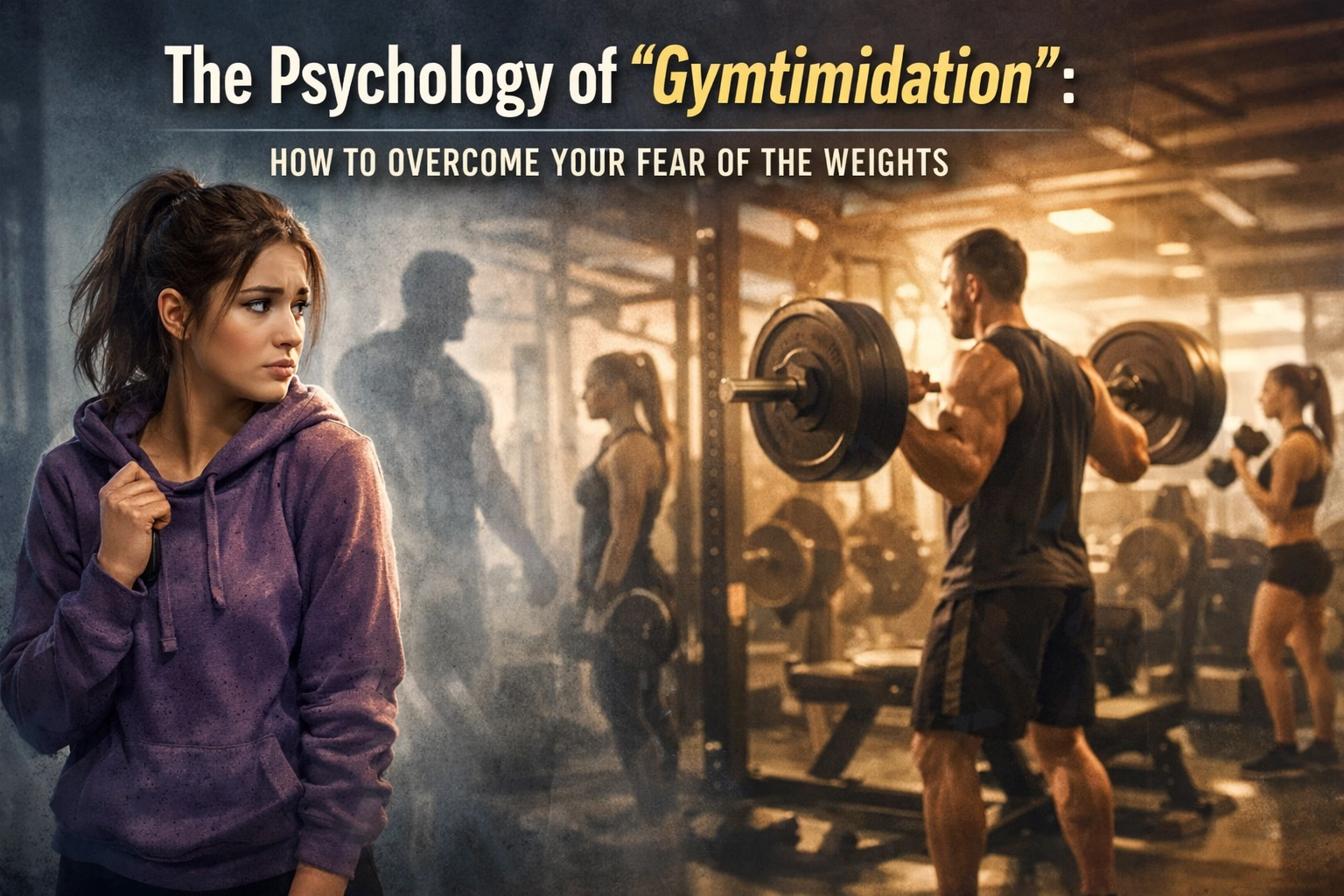
Walking into a gym for the first time: or even the hundredth time after a long break: can trigger a visceral physiological response. Your heart rate climbs, your palms sweat, and suddenly, the weight room feels less like a place for self-improvement and more like a high-stakes stage where you are the only performer who forgot their lines.
In the fitness industry, we call this "Gymtimidation." While it sounds like a buzzword, the psychological mechanisms behind it are deeply rooted in social hierarchy, perceived competence, and the "Spotlight Effect." By 2026, despite the rise of home fitness and VR workouts, the physical gym remains the gold standard for high-level strength training and longevity. However, nearly 40% of adults still report avoiding these spaces due to self-consciousness.
This guide explores the cognitive science behind gym anxiety and provides a data-driven blueprint for reclaiming your space in the weight room.
The Neurobiology of Gym Anxiety
Gymtimidation isn't just "being shy." It is a form of social evaluation anxiety that activates the amygdala: the brain's fear center. When you perceive a threat (in this case, the judgment of "fitter" individuals), your body initiates a sympathetic nervous system response.
- Cortisol Spike: The stress hormone rises, which can actually impair your physical performance and coordination.
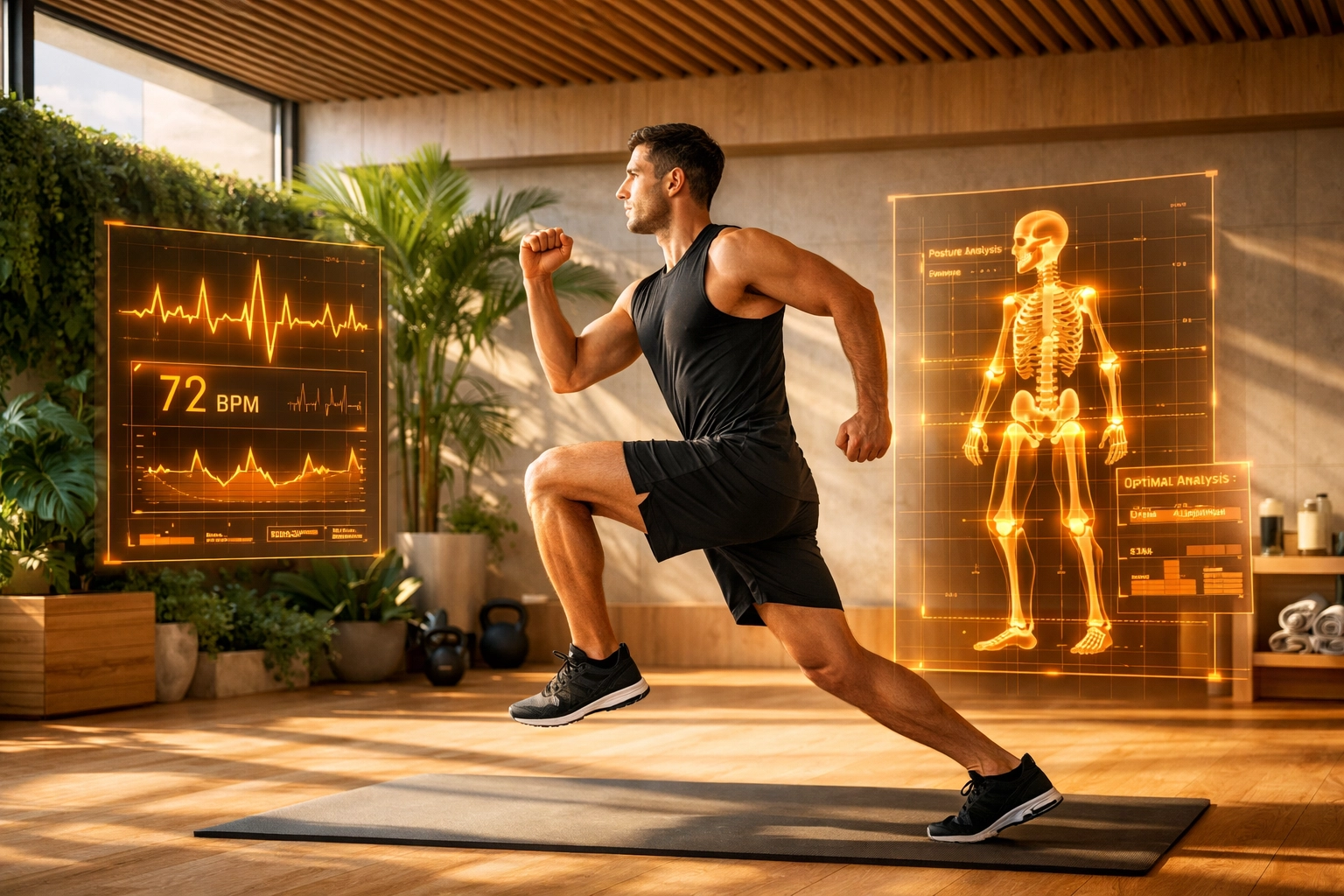
- The Spotlight Effect: A psychological phenomenon where people tend to believe they are being noticed more than they actually are. In reality, most gym-goers are locked into their own "internal monologue" or monitoring their own biometric data.
- Illusion of Transparency: The mistaken belief that your internal state (your nervousness) is clearly visible to everyone around you.

Understanding the Comparison Trap
Humans are biologically wired for Social Comparison Theory. We constantly evaluate our own worth based on how we stack up against others in our immediate environment. In a gym setting, this becomes problematic because you are often comparing your "Chapter 1" to someone else’s "Chapter 20."
| Psychological Trigger | Root Cause | 2026 Reality Check |
|---|---|---|
| Equipment Confusion | Fear of looking incompetent | 85% of gym-goers have used a machine wrong at least once. |
| Body Image Comparison | Upward social comparison | Most "elite" physiques are the result of years of specific programming, not genetic luck. |
| The "Alpha" Myth | Perception of a hostile hierarchy | Modern gym culture in 2026 has shifted heavily toward "inclusive longevity." |
| Space Invasion | Anxiety over "taking up too much room" | You pay the same membership fee; you have an equal right to the floor. |
The "Data-Driven" Reality of External Judgment
Research into fitness psychology consistently shows a massive disconnect between what a beginner fears and what a regular trainee actually thinks. A 2025 study on gym floor behavior found that experienced lifters spend approximately 70% of their rest periods looking at their own phones or checking their wearable tech (WHOOP, Oura, or Apple Watch metrics). Only 5% of their time was spent observing others, and even then, the observations were largely neutral or positive (noticing form or equipment availability).
The fear of judgment is almost entirely a "projected" emotion. We project our own insecurities onto the strangers around us, assuming they see the flaws we see in ourselves.
Step-by-Step Protocol to Neutralize Gymtimidation
To overcome this, we must move beyond "just do it" advice and look at Cognitive Behavioral Therapy (CBT) techniques and strategic preparation.
1. The "Tech-First" Reconnaissance
Before you even step foot in the weight room, use the digital tools available in 2026. Many modern gyms offer "Live Occupancy" trackers via their apps.
- Action: Schedule your first three sessions during "Low Traffic" hours.
- Goal: Familiarize yourself with the layout without the pressure of a crowd.
2. Equipment Mastering (The "Mental Rehearsal")
Anxiety thrives on the unknown. If you don't know how to adjust a cable machine, you’ll avoid it.
- Action: Watch "POV" (Point of View) tutorials of the specific equipment at your gym.
- Goal: Use "Mental Imagery" to walk through the steps of setting up a squat rack or adjusting a bench. When you arrive, your brain will recognize the patterns, lowering cortisol.
3. The "Uniform" as a Shield
In sports psychology, the "Enclothed Cognition" theory suggests that the clothes we wear influence our psychological processes.
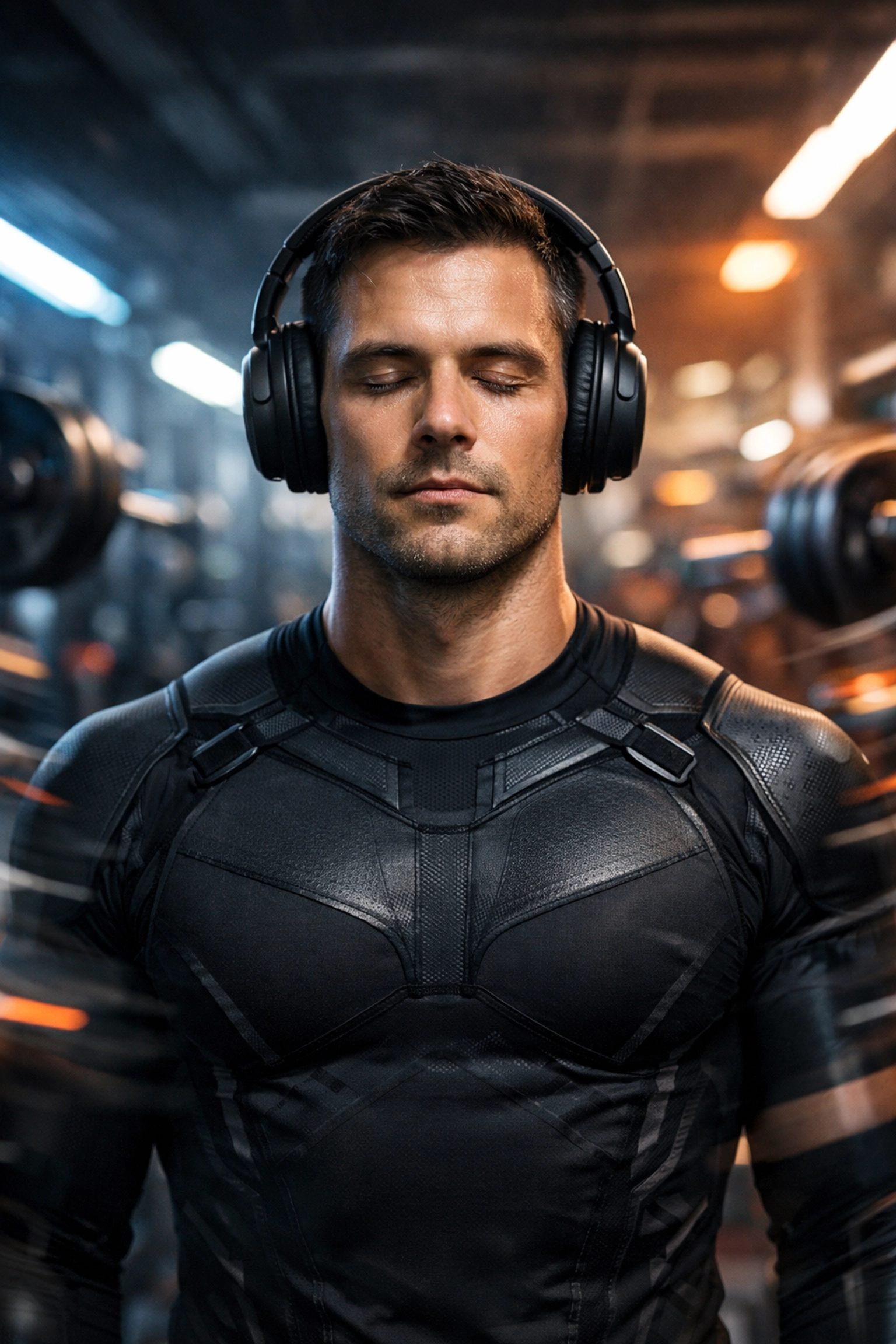
- Action: Wear gear that makes you feel capable, not just "fitness-ready." High-quality compression gear or tech-wear can provide a sense of "armor."
- Tip: Noise-canceling headphones are your best friend. They create a "controlled auditory environment," effectively shutting out the chaotic noise of the gym.
4. Implementation Intentions (The "If-Then" Plan)
Standard goal setting (e.g., "I will work out") fails under stress. Instead, use "Implementation Intentions."
- Example: "If the bench press station is taken, then I will immediately go to the dumbbell area for chest presses."
- Why it works: It removes "decision fatigue." When you have a plan, you don't stand in the middle of the floor looking lost: which is often the primary trigger for gym anxiety.
Advanced Bio-Hacking for Nervous System Regulation
If your anxiety is high, you can use physiological "hacks" to force your body back into a parasympathetic (rest and digest) state before your workout.
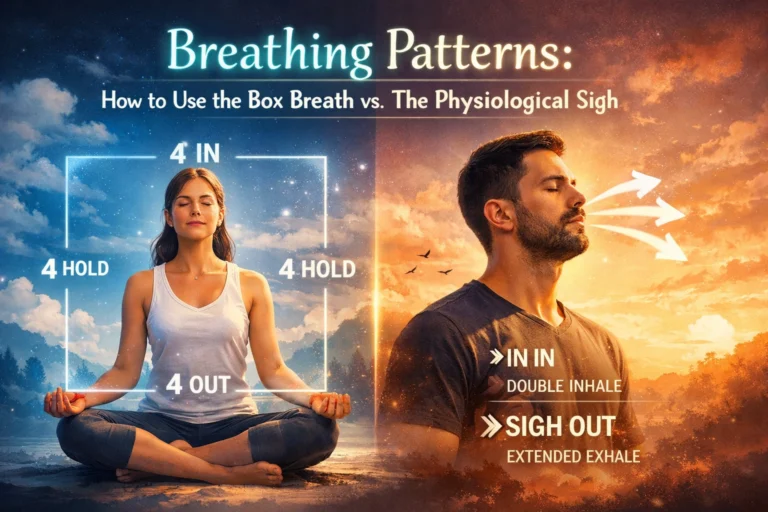
- The Physiological Sigh: Take two quick inhales through the nose followed by a long, slow exhale through the mouth. This is the fastest way to offload carbon dioxide and lower your heart rate.
- Box Breathing: 4 seconds in, 4 seconds hold, 4 seconds out, 4 seconds hold. Perform this in the locker room for 2 minutes before entering the floor.
- L-Theanine Supplementation: Taking 200mg of L-Theanine (an amino acid found in green tea) can promote relaxation without drowsiness, taking the "edge" off a pre-workout caffeine spike.
Shifting Your Identity: From "Visitor" to "Athlete"
The ultimate cure for gymtimidation is an identity shift. In 2026, we view fitness through the lens of the "Centenarian Decathlon": a concept popularized by longevity experts. This means you aren't training to look like a bodybuilder; you are training to ensure you can pick up your great-grandchildren and walk up stairs when you are 90.
When you view the gym as a Longevity Lab, the presence of others becomes irrelevant. You are there for a biological necessity, much like going to a pharmacy or a doctor's appointment.
The "Exposure Therapy" Schedule
If you are struggling to stay consistent, follow this graduated exposure protocol:
- Day 1: Just walk into the gym, scan your card, go to the locker room, and leave.
- Day 2: Spend 15 minutes on a treadmill (the "safe zone") just observing the layout.
- Day 3: Do one machine-based exercise (leg press or chest press).
- Day 4: Enter the free-weight section for one exercise (dumbbell curls or rows).
Summary of Key Takeaways
- Acknowledge the Amygdala: Your fear is a biological response, not a personal failing.
- Utilize the Spotlight Effect: Remember that 95% of people are staring at their own metrics or the mirror.
- Prepare Technically: Knowledge of equipment is the greatest antidote to anxiety.
- Regulate the Body: Use breathwork to dampen the "fight or flight" response before you start.
The gym is a tool for your future self. Don't let a temporary psychological glitch prevent you from building the "Longevity Currency" (muscle mass and bone density) that you will need for the rest of your life.
Author Bio: Malibongwe Gcwabaza
Malibongwe Gcwabaza is the CEO and lead strategist behind blog and youtube, a premier 2026 digital hub dedicated to high-performance living and longevity science. With a background in organizational psychology and a passion for bio-hacking, Malibongwe focuses on breaking down complex health data into actionable protocols. He believes that fitness is the ultimate foundation for cognitive and professional success, and he is committed to making the "Longevity Lab" accessible to everyone, regardless of their starting point.
About the Author