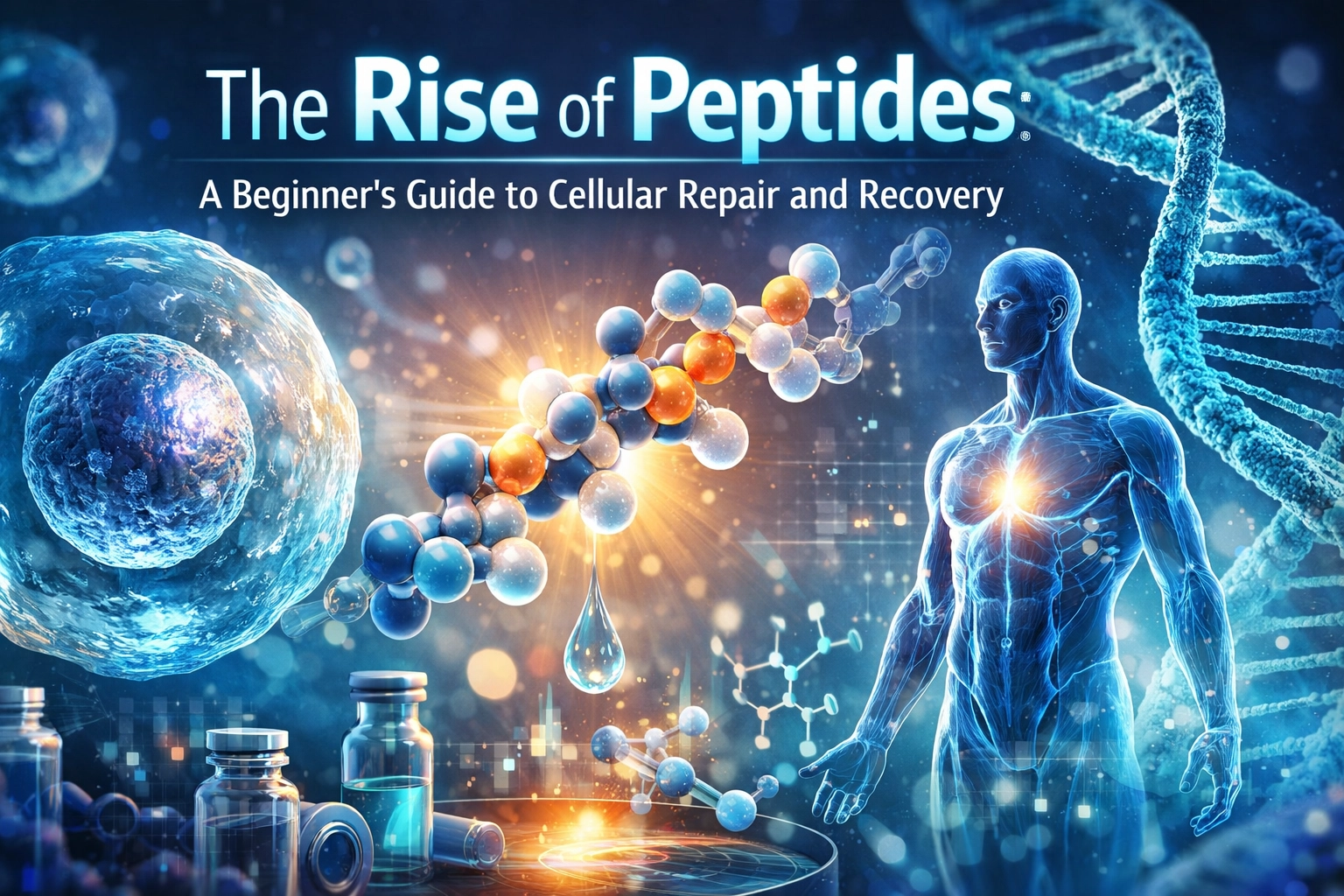
For decades, the medical world focused on "managing" symptoms. If you had an injury, you took an anti-inflammatory. If your skin aged, you applied a topical cream. In 2026, the paradigm has shifted toward regenerative medicine, and at the center of this revolution are peptides.
Peptides are no longer just for elite athletes or underground biohackers. They have entered the mainstream as high-precision tools for cellular repair, longevity, and metabolic optimization. This guide breaks down the science, the specific compounds dominating the industry, and how these signaling molecules are changing the way we recover.
What Exactly Are Peptides?
To understand peptides, you have to understand the hierarchy of biological building blocks.
- Amino Acids: The "letters" of the genetic alphabet.
- Peptides: Short chains of 2 to 50 amino acids linked by peptide bonds. Think of these as "words" or "sentences."
- Proteins: Large, complex chains of more than 50 amino acids (like collagen or insulin). These are the "chapters" or "books."
Because peptides are smaller than proteins, they are more easily absorbed by the body and can be designed to target very specific cellular receptors. In the context of health and fitness, they act as signaling molecules. They don't just provide raw material for repair; they send a specific "instruction" to your cells to perform a task: whether that is burning fat, releasing growth hormone, or healing a torn ligament.
The Mechanism of Action: How They Communicate
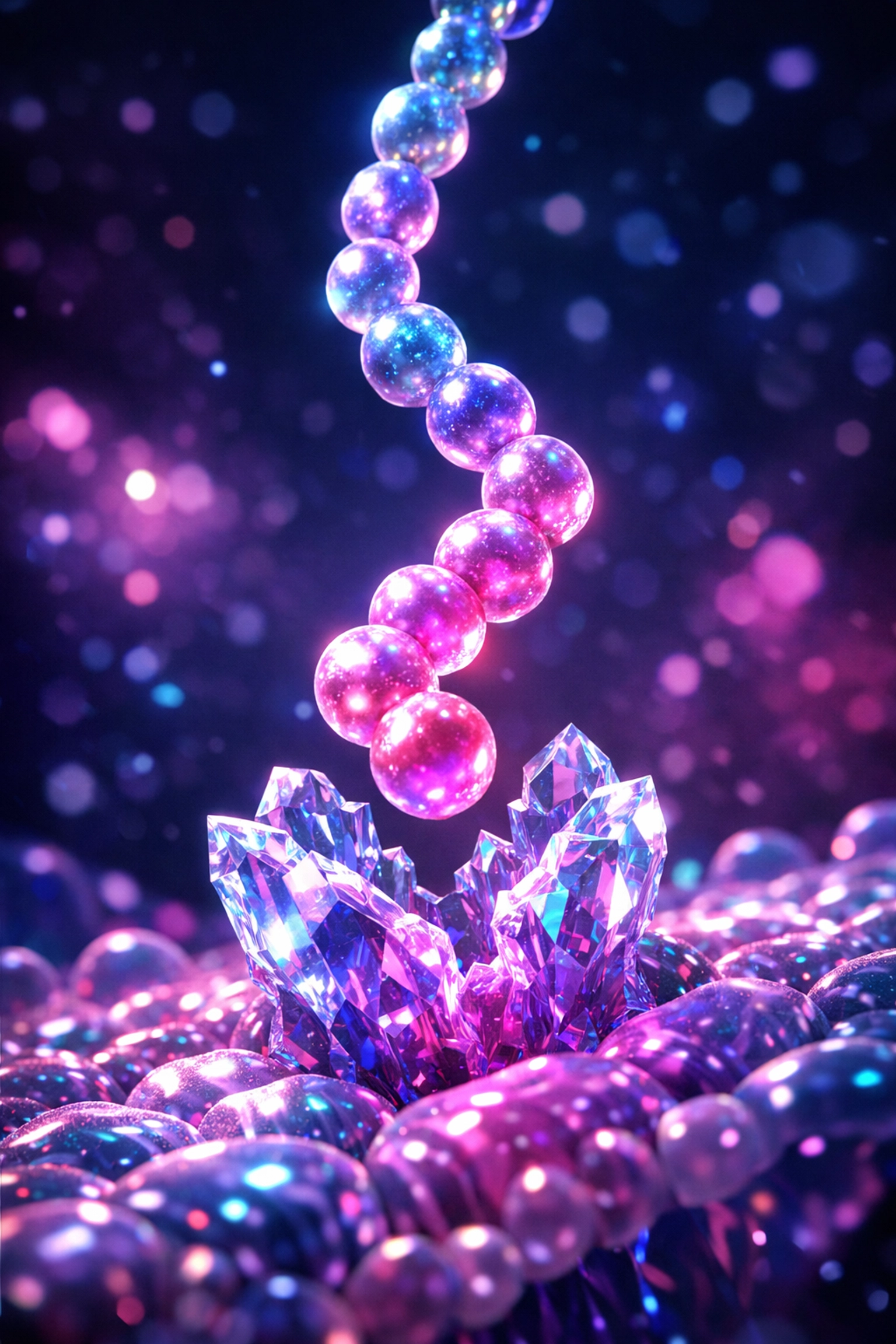
Peptides work through a "lock and key" mechanism. A peptide (the ligand) circulates in the bloodstream until it finds a specific receptor on the surface of a cell. Once it binds to that receptor, it triggers a cascade of intracellular events. For example, some peptides signal the pituitary gland to release natural pulses of Growth Hormone (GH), while others signal fibroblasts to increase collagen production.
The "Big Four" Peptides for Repair and Recovery
While there are over 7,000 naturally occurring peptides, a handful has risen to the top of clinical interest in 2026 for their profound effects on physical recovery.
1. BPC-157 (Body Protection Compound)
Often referred to as the "Swiss Army Knife" of healing, BPC-157 is a sequence of 15 amino acids derived from a protein found in human gastric juice.
- Primary Function: Accelerating the healing of "soft tissues" like tendons, ligaments, and muscle.
- The Science: It promotes angiogenesis: the formation of new blood vessels. Better blood flow to an injured area (like a tendon, which naturally has poor blood supply) means faster delivery of nutrients and faster removal of waste.
- Data Insight: Research indicates that BPC-157 can significantly counteract the damage caused by NSAIDs (like ibuprofen) on the gut lining, making it a dual-purpose tool for recovery and gut health.
2. TB-500 (Thymosin Beta-4)
If BPC-157 is about the structure, TB-500 is about the movement. It is a synthetic version of a naturally occurring peptide found in almost all human cells.
- Primary Function: Systemic repair and inflammation reduction.
- The Science: TB-500 works by upregulating Actin, a protein critical for cell structure and movement. This helps cells migrate to the site of an injury to begin the repair process.
- Key Difference: Unlike BPC-157, which is often used for localized healing, TB-500 has a systemic effect, meaning it can travel throughout the body to find areas of inflammation.
3. GHK-Cu (Copper Peptide)
Copper peptides are staples in the world of skin longevity, but their benefits go much deeper than wrinkles.
- Primary Function: DNA repair and collagen remodeling.
- The Science: GHK-Cu has a unique ability to "reset" genes to a more youthful state. It stimulates the production of glycosaminoglycans (like hyaluronic acid) and tightens skin, but also aids in the remodeling of scar tissue after surgery.
4. CJC-1295 & Ipamorelin
These are typically used together in a "stack" to optimize the body’s natural hormonal environment.
- Primary Function: Growth Hormone Secretagogues (GHS).
- The Science: Instead of injecting synthetic Growth Hormone (which can shut down your own production), these peptides signal your pituitary gland to release its own GH in a natural, "pulsatile" manner.
- Result: Improved deep sleep (REM/SWS), faster fat metabolism, and better muscle protein synthesis.
Technical Comparison: Peptides at a Glance
| Peptide | Origin/Type | Primary Benefit | Administration (Typical) |
|---|---|---|---|
| BPC-157 | Gastric Juice Derivative | Tendon/Ligament Healing | Subcutaneous / Oral |
| TB-500 | Thymosin Beta-4 Analog | Muscle Repair / Flexibility | Subcutaneous |
| GHK-Cu | Copper Complex | Skin / DNA Repair | Topical / Subcutaneous |
| Ipamorelin | GH Secretagogue | Sleep / Fat Loss | Subcutaneous |
| Tesamorelin | GH Secretagogue | Visceral Fat Reduction | Subcutaneous |
Cellular Repair: Beyond the Muscles
The "rise" of peptides isn't just about getting back to the gym faster. In 2026, we are seeing these compounds used for systemic "cellular maintenance."
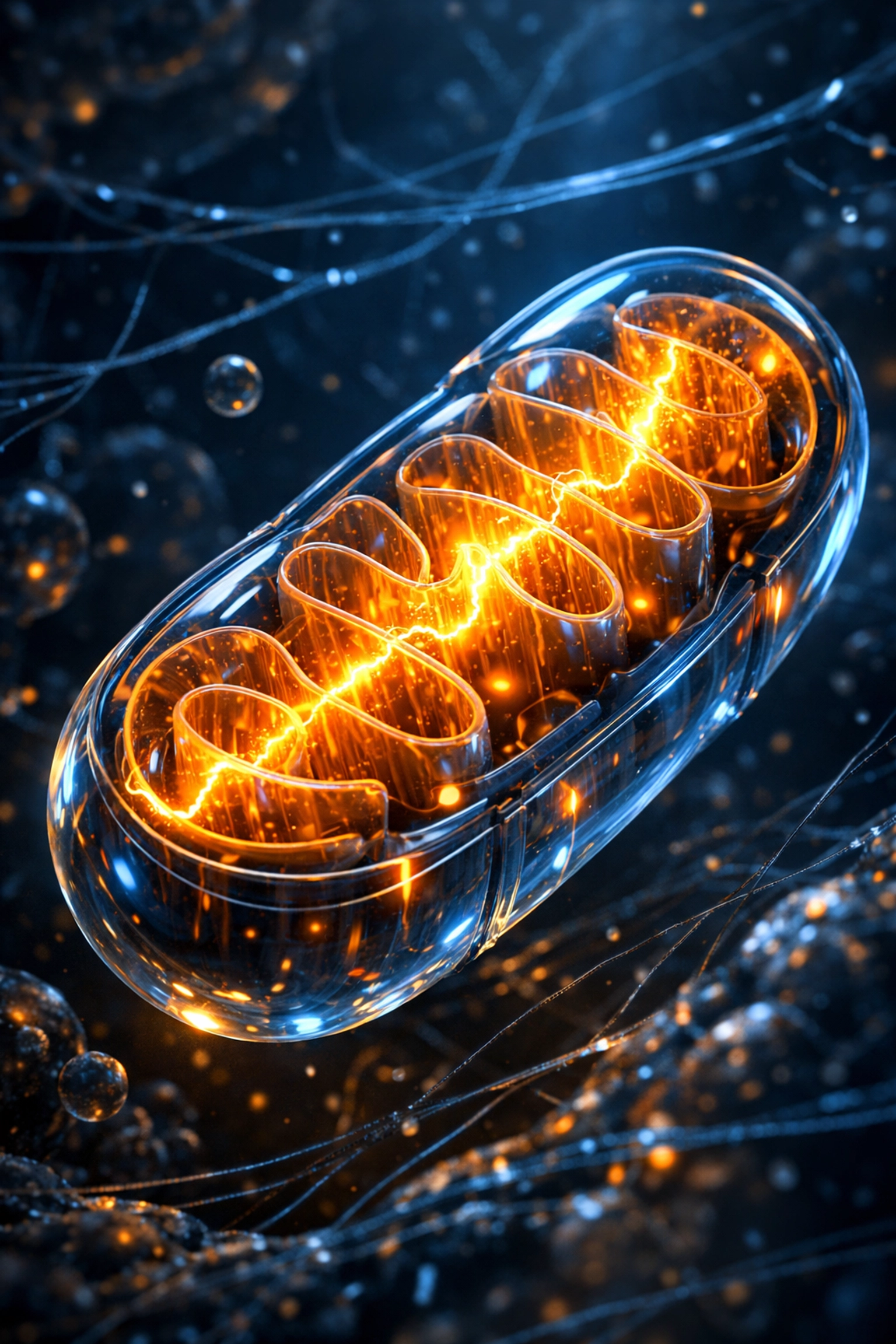
Mitochondrial Health
Peptides like MOTS-c (Mitochondrial Open Reading Frame of the 12S rRNA-c) are being studied for their ability to regulate metabolic homeostasis. MOTS-c is unique because it is encoded within the mitochondrial DNA itself. It helps the body exercise more efficiently by increasing glucose utilization and fatty acid oxidation.
The Gut-Brain Axis
Because many peptides (like BPC-157 and KPV) have potent anti-inflammatory effects, they are being used to treat "Leaky Gut" and systemic inflammation. By repairing the tight junctions in the intestinal wall, these peptides prevent pro-inflammatory cytokines from entering the bloodstream and causing "brain fog" or joint pain.
Safety, Bioavailability, and the 2026 Landscape
While the benefits are impressive, the "beginner" must navigate the safety and legal landscape with caution.
- Administration Routes: Most high-potency peptides are administered via subcutaneous injection (a tiny needle just under the skin). While oral versions of BPC-157 exist (the "arginate" salt form), many peptides are destroyed by stomach acid, making injections or nasal sprays the standard for bio-availability.
- Source Matters: As peptides have grown in popularity, the market has been flooded with low-quality "research chemicals." High-purity, third-party tested peptides are essential to avoid contaminants like heavy metals or endotoxins.
- The Regulatory Environment: In 2026, the FDA and international bodies continue to update the "Red List" of prohibited substances for competitive athletes. Always check your sport’s governing body before starting a protocol.
Common Side Effects
Most peptides are well-tolerated because they mimic natural signaling, but they are not without risks. Potential side effects include:
- Water retention (common with GH secretagogues).
- Increased hunger (specifically with peptides like GHRP-6).
- Injection site irritation.
- Tingling in hands and feet.
How to Get Started: A Framework for Recovery
If you are considering peptides for recovery, don't just "buy a vial." Follow this professional framework:
- Identify the Objective: Are you healing a specific injury (BPC/TB), looking for better sleep (Ipamorelin), or aiming for systemic longevity (GHK-Cu)?
- Blood Work First: Always get a baseline of your IGF-1, fasting insulin, and inflammatory markers (CRP).
- Start Low and Slow: Micro-dosing allows you to assess your sensitivity to the peptide without triggering significant side effects.
- Cycle Appropriately: The body can develop "tachyphylaxis" (diminishing returns) if receptors are constantly saturated. Most protocols involve 5 days on, 2 days off, with a complete break every 8–12 weeks.

Conclusion: The Future of "Human Maintenance"
Peptides represent a shift away from the "hammer" approach of traditional pharmacology toward a "scalpel" approach. By using the body's own language: amino acids: we can now whisper instructions to our cells to repair what is broken and optimize what is sluggish.
As we move further into 2026, expect to see peptides integrated into personalized longevity clinics, where your specific genetic "gaps" are filled by tailored peptide stacks. The era of generic recovery is over; the era of precision cellular repair is here.
About the Author: Malibongwe Gcwabaza
CEO of blog and youtube
Malibongwe Gcwabaza is a visionary leader in the health-tech and digital wellness space. With a focus on translating complex biotechnological advancements into actionable insights for the modern professional, Malibongwe leads "blog and youtube" toward a future where longevity and performance are accessible to everyone. His "Depth over Breadth" philosophy ensures that every piece of content published under his leadership is rigorous, data-driven, and designed for real-world impact. When not overseeing digital strategy, he is an avid practitioner of functional fitness and an early adopter of emerging bio-monitoring technologies.
About the Author