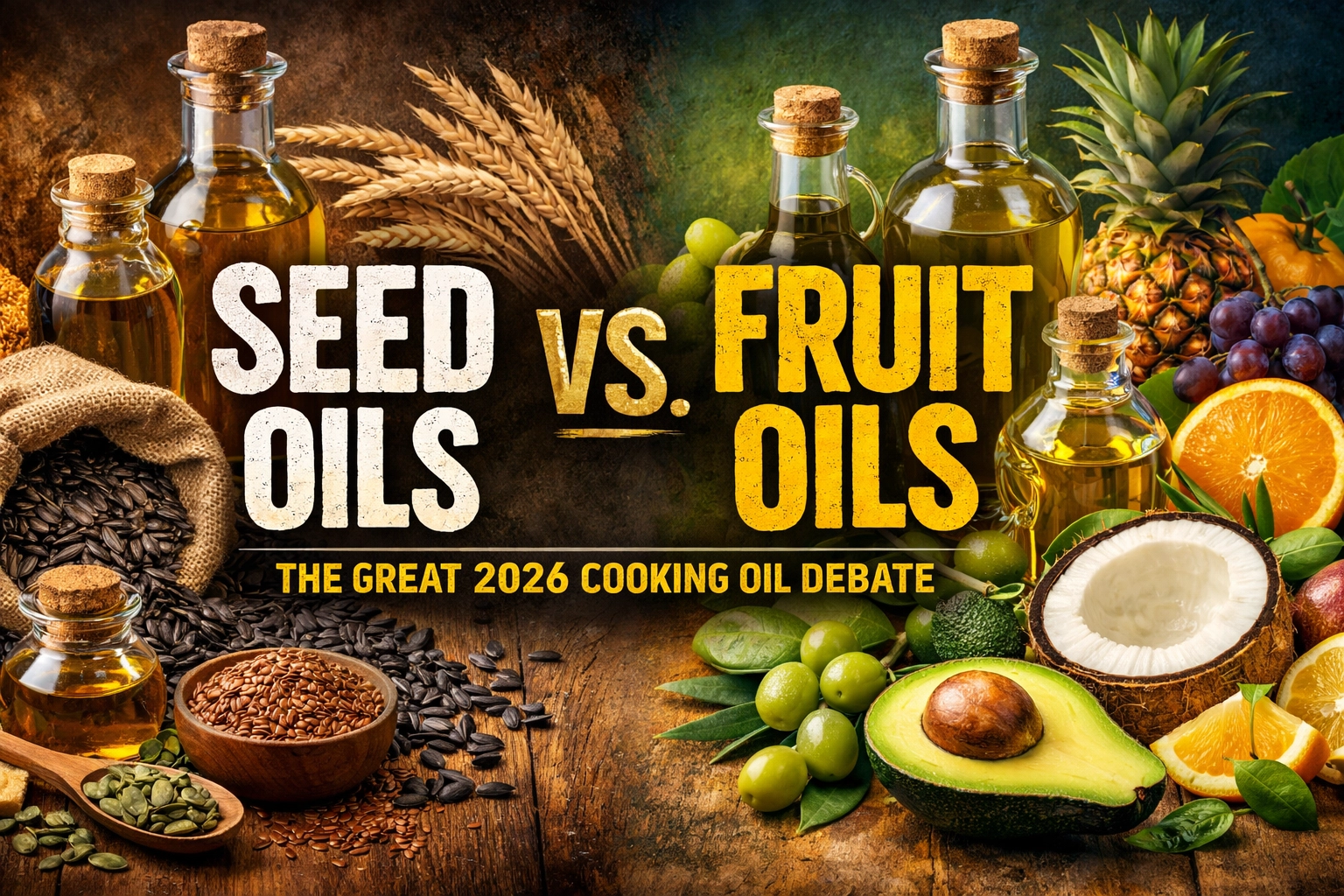
By March 2026, the "War on Seed Oils" has moved from niche biohacking forums to the mainstream dinner table. If you’ve spent any time on wellness social media recently, you’ve seen the infographics: seed oils are labeled as "industrial sludge," while fruit oils like olive and avocado are hailed as the elixirs of immortality.
But as we dig deeper into 2026, the scientific community is providing a more nuanced: and frankly, more complicated: picture. This isn't just about which oil has a higher smoke point; it’s about metabolic flexibility, cellular signaling, and the precision of modern food processing.
In this ultimate guide, we’re breaking down the molecular differences, the extraction methods, and the latest clinical data to determine which fats deserve a place in your 2026 longevity-focused kitchen.
1. Defining the Players: Seed vs. Fruit
To understand the debate, we first have to define what we’re actually talking about. Not all "vegetable oils" are created equal.
The Seed Oil Category
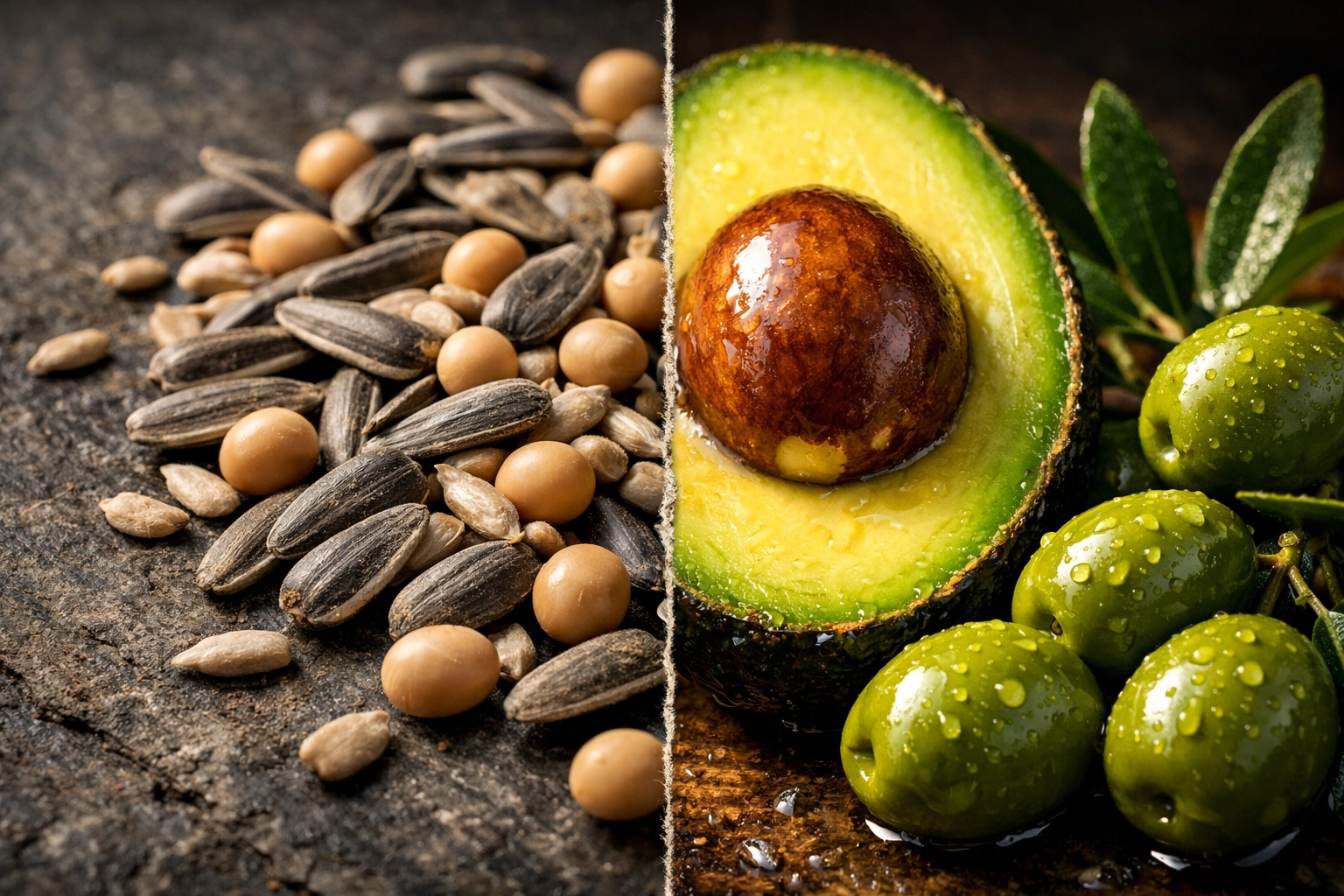
Seed oils are extracted from the seeds of plants, often through a combination of high heat, pressure, and chemical solvents (like hexane). These are typically high in Polyunsaturated Fatty Acids (PUFAs), specifically Omega-6 linoleic acid.
- Common Examples: Canola (Rapeseed), Soybean, Corn, Sunflower, Safflower, Grapeseed, and Cottonseed.
The Fruit Oil Category
Fruit oils are derived from the fleshy pulp of the fruit itself. Because the fat is more accessible, these can often be extracted through mechanical means (cold-pressing) without the need for intense chemical refining.
- Common Examples: Extra Virgin Olive Oil (EVOO), Avocado Oil, and Coconut Oil.
2. The Fatty Acid Profile: Why It Matters in 2026
The core of the "toxicity" argument against seed oils rests on their high Omega-6 content. For decades, the dietary ratio of Omega-6 to Omega-3 has been skewed toward 15:1 or even 20:1 in the standard Western diet, whereas our ancestors likely evolved on a ratio closer to 1:1 or 4:1.
The Linoleic Acid Controversy
In 2026, we’ve moved past the simple idea that "Omega-6 causes inflammation." The reality is more technical. Linoleic acid (LA) is an essential fatty acid, meaning our bodies need it. However, the over-concentration of LA in refined seed oils can lead to:
- Oxidative Stress: PUFAs have multiple double bonds, making them chemically unstable and prone to oxidation when exposed to light, heat, or oxygen.
- Accumulation in Adipose Tissue: Unlike other fats, LA is readily stored in our fat cells. Recent biopsies show that the concentration of LA in human body fat has increased significantly over the last 50 years, correlating with rising metabolic dysfunction.
The Fruit Oil Advantage
Fruit oils are dominated by Monounsaturated Fatty Acids (MUFAs), specifically Oleic acid.
- Olive Oil: Contains 55–83% MUFA. Oleic acid is highly stable and has been shown to support heart health and improve insulin sensitivity.
- Avocado Oil: Mirroring olive oil's profile, it provides a neutral flavor profile with the added benefit of a very high smoke point.
| Oil Type | Dominant Fat | Stability | Best Use Case |
|---|---|---|---|
| Extra Virgin Olive Oil | MUFA (Oleic) | High (due to polyphenols) | Finishing, Low-heat sauté |
| Avocado Oil | MUFA (Oleic) | Very High | High-heat roasting, Searing |
| Canola Oil | PUFA/MUFA | Moderate | Baking (if refined) |
| Soybean Oil | PUFA (Omega-6) | Low | Commercial frying |
| Coconut Oil | Saturated | Very High | Tropical cooking, Baking |
3. The Extraction Process: Cold-Pressed vs. Hexane-Refined
The "industrial" label applied to seed oils comes from how they are made. Because a sunflower seed contains less fat by weight than a fatty avocado, manufacturers must use aggressive tactics to get the oil out.
The Industrial Pipeline
- Cleaning and Crushing: Seeds are heated to high temperatures.
- Solvent Extraction: A chemical solvent, usually hexane, is used to wash the seeds and extract the maximum amount of oil.
- Refining & Deodorizing: The resulting oil smells terrible and is dark in color. It must be bleached and deodorized using further heat and chemicals to make it palatable.
The Artisanal Pipeline (Fruit Oils)
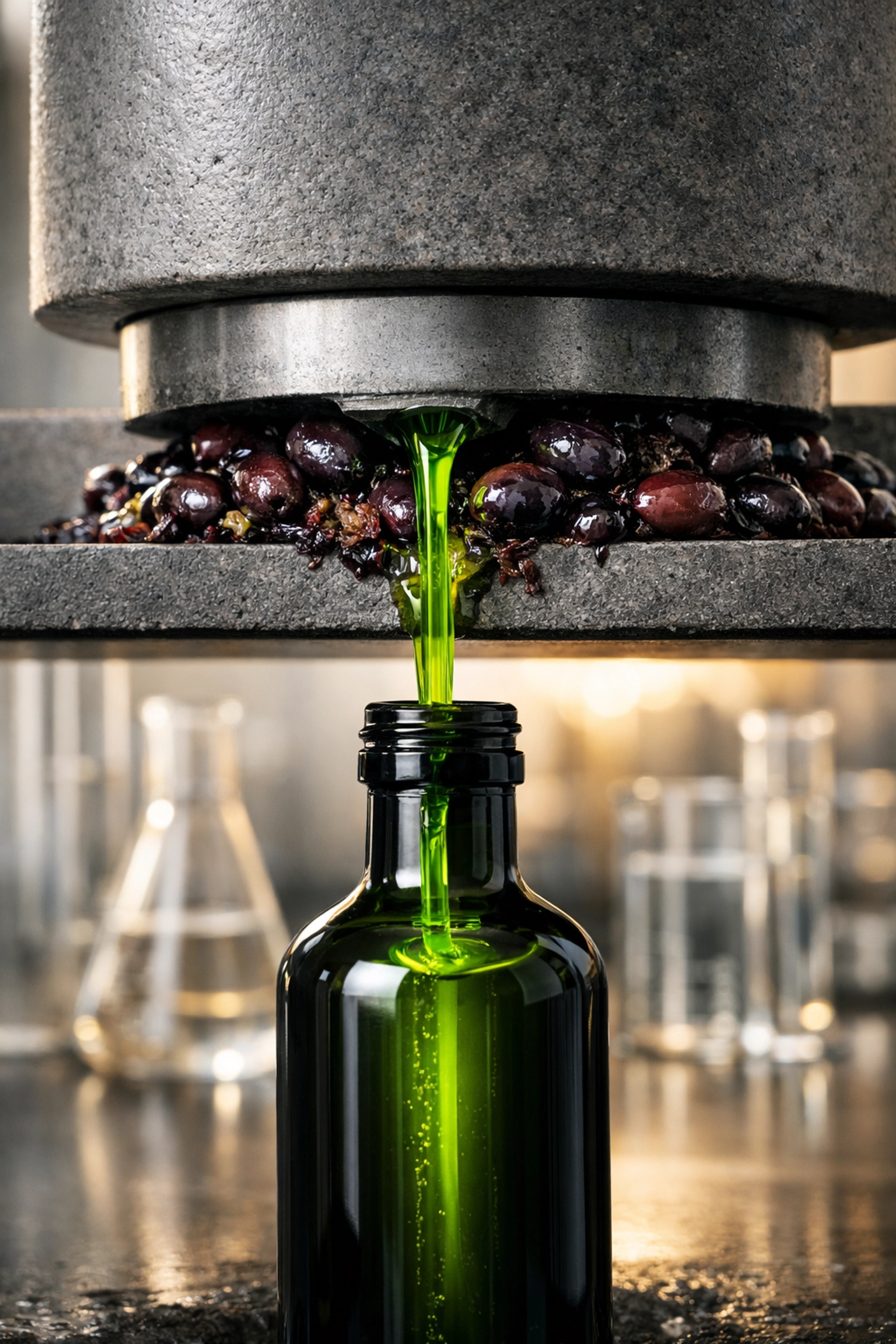
High-quality fruit oils are "cold-pressed." The fruit is ground into a paste and then spun in a centrifuge to separate the oil from the water and solids. No chemicals, no high heat. This preserves the polyphenols and antioxidants (like Vitamin E and Hydroxytyrosol) that actually protect the oil: and your cells: from oxidative damage.
4. Cooking Science: Smoke Point vs. Oxidative Stability
One of the biggest myths in 2026 is that you shouldn't cook with Olive Oil because it has a "low smoke point."
New Research Update: Clinical trials conducted in late 2025 have confirmed that oxidative stability is a better predictor of an oil’s safety than smoke point. When you heat an oil, it can break down into polar compounds and aldehydes, which are toxic to human cells.
Even though Extra Virgin Olive Oil has a lower smoke point (around 375°F / 190°C) than highly refined canola oil, it produces fewer harmful polar compounds when heated. Why? Because the natural antioxidants in the olive oil act as a "shield," preventing the fatty acids from breaking down.
Refined seed oils, despite having high smoke points, lack these protective antioxidants. Once they hit their limit, they degrade rapidly and "rust" (oxidize) your internal systems.
5. The 2026 Verdict: How to Audit Your Pantry
If your goal is peak performance, hormonal balance, and longevity, your fat intake should prioritize whole-food sources and minimally processed fruit oils.
The "Avoid" List (The High-PUFA Seeds)
Minimize these as much as possible, especially in bottled form. They are often "hidden" in salad dressings, oat milks, and processed snacks.
- Soybean Oil
- Corn Oil
- Cottonseed Oil
- Grapeseed Oil (Surprisingly high in Omega-6)
The "Moderate" List
- Canola Oil: While it has a decent MUFA profile, the heavy refining process makes it a "B-tier" fat. Use only if organic and cold-pressed.
- Sunflower/Safflower Oil: Only use the "High-Oleic" versions, which have been bred to contain more MUFAs and fewer PUFAs.
The "Gold Standard" List
- Extra Virgin Olive Oil: The king of longevity. Use it for everything except the highest-heat searing.
- Avocado Oil: The workhorse for high-heat cooking. Ensure it is 100% pure (many brands in 2026 are still caught "cutting" their avocado oil with cheaper seed oils).
- Grass-Fed Ghee or Butter: Excellent for stability and flavor.
- Coconut Oil: Great for specific flavor profiles and high-heat stability due to its saturated fat content.
6. Practical Tips for the Savvy Consumer
How do you navigate the grocery store in this "post-seed-oil" era?
- Check Your Labels: Look at your favorite "healthy" snacks. You’ll be surprised to find sunflower oil in organic crackers and soybean oil in "healthy" mayo.
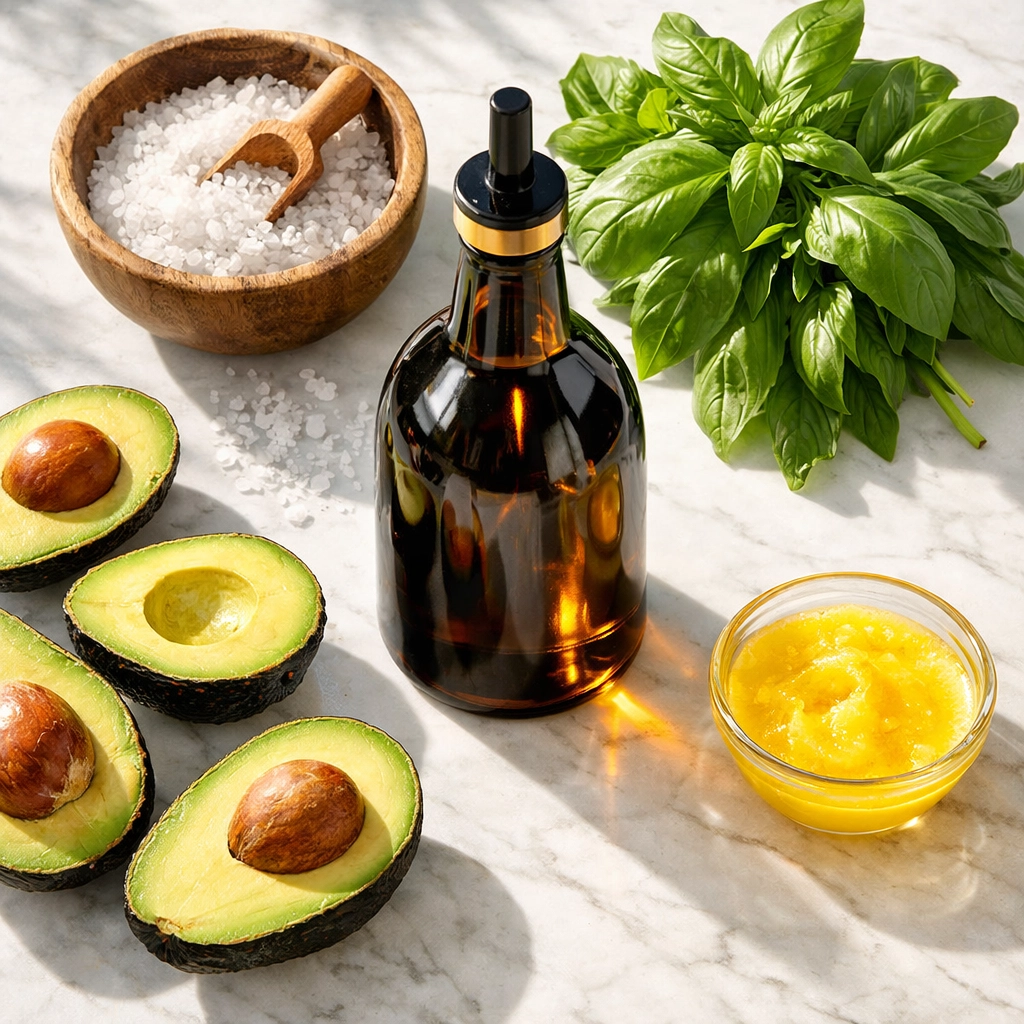
- Dark Glass Only: Light is the enemy of fat. Only buy olive and avocado oils in dark green or amber glass bottles to prevent photo-oxidation.
- The "Fridge Test" for Purity: While not 100% foolproof, real Extra Virgin Olive Oil should thicken or solidify when left in the fridge for 24 hours. If it stays completely liquid, it might be diluted with seed oil.
- Prioritize Satiety: If you find yourself constantly hungry, audit your fats. PUFA-heavy diets can disrupt leptin (your fullness hormone) signaling, whereas MUFAs and Saturated fats generally promote better satiety.
Conclusion: It's About Quality, Not Just Category
The "Seed Oil vs. Fruit Oil" debate isn't just a trend; it's a return to biological appropriateness. While the occasional serving of french fries cooked in soybean oil won't kill you, the cumulative effect of consuming these highly processed, unstable fats daily is a significant driver of the low-grade chronic inflammation we see today.
In 2026, the smart move is simple: Eat the seed, but squeeze the fruit. Get your Omega-6s from whole walnuts, pumpkin seeds, and hemp seeds where they are protected by fiber and vitamin E. For your liquid fats, stick to the fruits that humans have been pressing for millennia.
About the Author: Malibongwe Gcwabaza
Malibongwe Gcwabaza is the CEO of blog and youtube, a leading digital platform dedicated to cutting-edge health, fitness, and longevity science. With over a decade of experience in health tech and metabolic research, Malibongwe focuses on translating complex biochemical data into actionable lifestyle changes. He is a firm believer in "Depth over Breadth," ensuring every piece of content provides a technical, evidence-based roadmap for the modern wellness enthusiast. When he’s not auditing the latest nutritional studies, he’s experimenting with Zone 2 training and ancestral movement patterns.
About the Author